
Social media is becoming an increasingly important way for consumers to connect with brands. Consumers also want to know what goes on behind-the-scenes of a given product or service. While many businesses are great storytellers in their own right, consumers who engage with your company on social media are often looking to see behind the scenes to get a better understanding of how the company made the product, how they launched their campaign, or how they came up with their brand experience.
The major problem all businesses face when it comes to creating interesting and engaging BTS videos is that producing a steady stream of new content can be very expensive, take a lot of time, and be logistically challenging.
Luckily, there are resource tools such as Dreamina and its advanced video generation model, Seedance 2.5, which allow companies to develop new approaches to producing “behind-the-scenes” video content by utilizing assets the company has previously created.
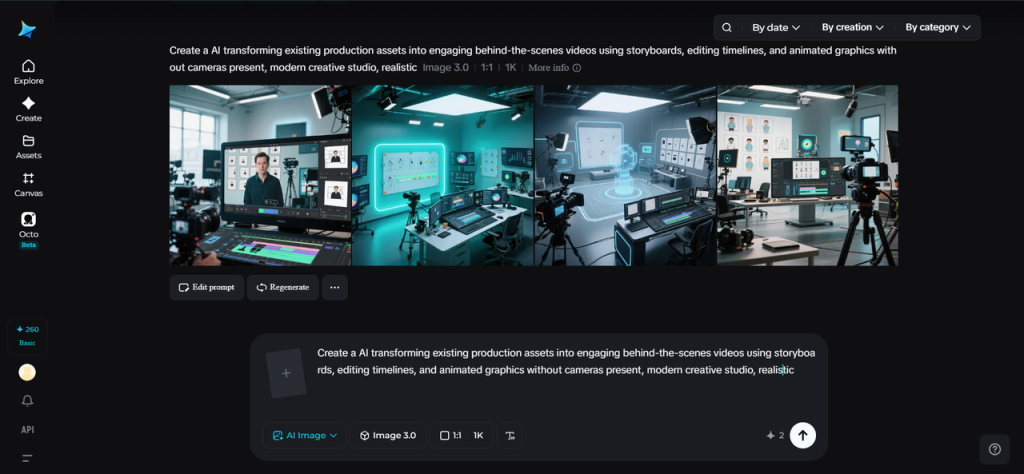
Why are people addicted to BTS videos
When something feels like the real thing, consumers respond.
A produced video might explain what your brand is, but BTS-style videos and films often connect audiences to the how and the who.
These are more conversational, authentic, relatable, and human-centered than polished advertising. Many businesses use behind-the-scenes videos to share aspects of their creative ideation, design, and product development processes, campaign planning, and team collaborations. Some brands may even document packaging efforts or production-ready final preparations.
But the reality is that a staff isn’t always on hand or able to record whenever these moments arise. This doesn’t mean brands have to abandon BTS possibilities entirely!
Seedance 2.5 turns your assets into production-ready stories
A feature that makes Seedance 2.5 particularly powerful for generating BTS video is its evolution into an ever more production-focused system as opposed to only a creative generation tool.
The model integrates multimodal inputs such as scripts, images, brand collateral, references, audio influences, and concepts in a single process, meaning businesses don’t need to write creative scripts just to come up with something new; instead, they can leverage existing content they may already have on hand.
Its 30-second constant generation is extremely useful for developing coherent narratives, enabling brands to not just create videos but compelling, end-to-end visual stories of product planning and design. Local adjustments to your shots and scene can then be applied to save any additional rework.
The magic of making the ordinary cinematic
Instead of actually trying to film BTS on an event day, some brands can make it feel that way by trying to recreate the vibe of that event.
Consider a skincare business that is getting ready to launch: instead of recording team sessions, they could be developing a visual array of how their target consumers want to feel and look as a result of using their new skincare brand, creating the mood board inspiration that the brand designers used for the product packaging.
Alternatively, a fashion company can simulate the progress of a piece of clothing throughout its design process with the use of inspiration boards, color palettes, or final sketches of the garment.
Your audience doesn’t care whether or not you captured it during production; as long as there is a good story, many customers will be content.
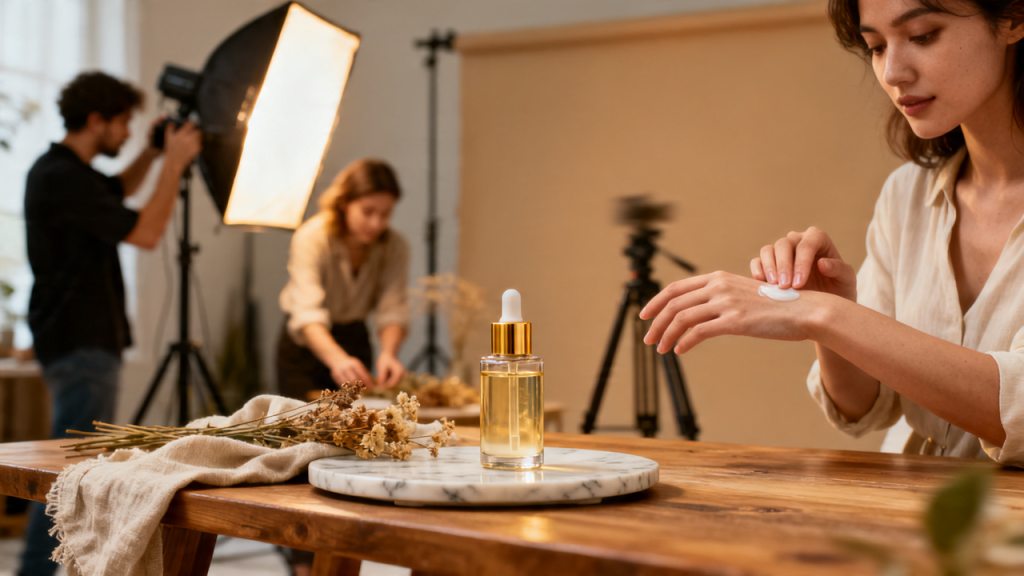
How brands can maximize their engagement
Even if it’s been a month or longer since your last major campaign or promotion, a BTS video provides an opportunity to continuously engage your audiences and keep them connected. Some BTS content questions to consider for filling content gaps in your social strategy include:
-
How was your seasonal campaign thought about or planned?
-
What were your new packaging design inspirations?
-
What is the process behind your product design evolution?
-
How will you take viewers through mood boards that inspired your brand?
Because these videos require only existing assets to produce, brands can continue their efforts to support a content calendar by releasing easily generated material on an ongoing basis. It takes no more time to record, and significantly less in postproduction, than attempting to piece together footage that simply doesn’t exist yet. Getting
Behind the Scenes: Creating With Dreamina Here’s a step-by-step walkthrough
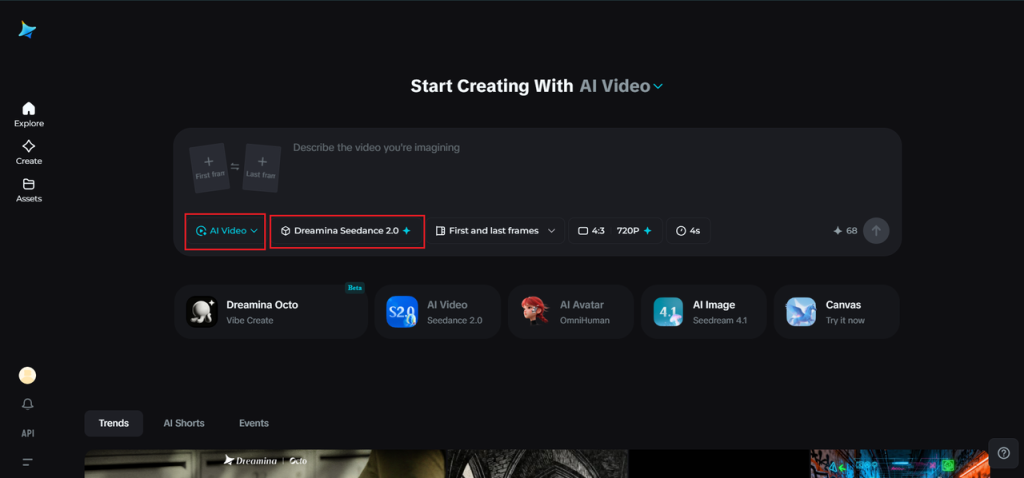
Step 1: Log on to Dreamina and access Seedance 2.5
Head over to Dreamina to find the Seedance 2.5 AI Video Generator, where you’ll have access to the guidelines for how to create amazing AI-generated video content using text, images, and references.
Step 2: Write your creative prompt & add resources
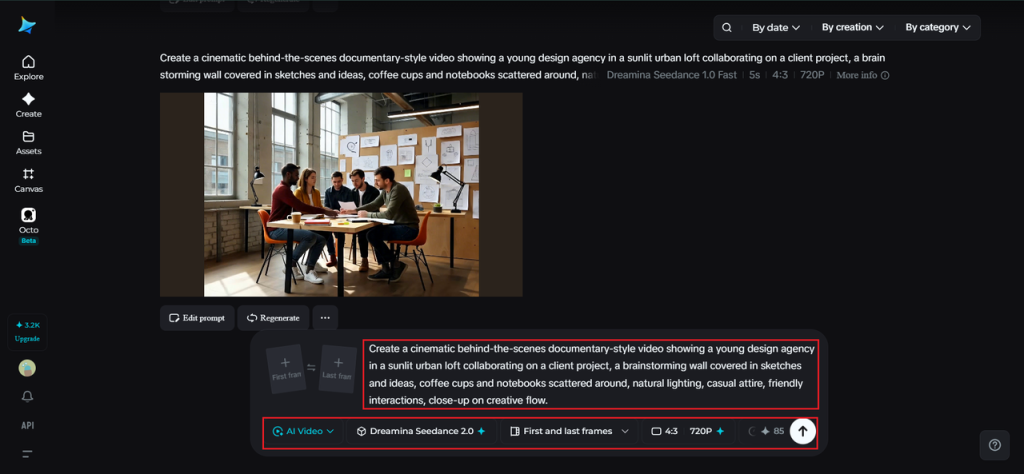
Using Dreamina, enter an on-screen text prompt of what you’d like to see in your generated BTS video, along with any visual or script references that will help shape your scene, subject, motion, camera style, and overall mood.
Here’s one to start with: Create a cinematic behind-the-scenes documentary-style video showing a young design agency in a sunlit urban loft collaborating on a client project, a brainstorming wall covered in sketches and ideas, coffee cups and notebooks scattered around, natural lighting, casual attire, friendly interactions, close-up on creative flow.
Step 3: Generate and finalize
Once you’re ready, hit the generate button and watch Dreamina Seedance 2.5 turn your prompt and assets into a movie-quality piece of media in seconds! Review your video. You can make additional adjustments to the scene, such as changing lighting, character style, or camera motion if necessary, before saving.
The output can be ready for use on the platform of your choice, with the ability to be seamlessly imported to social media accounts.
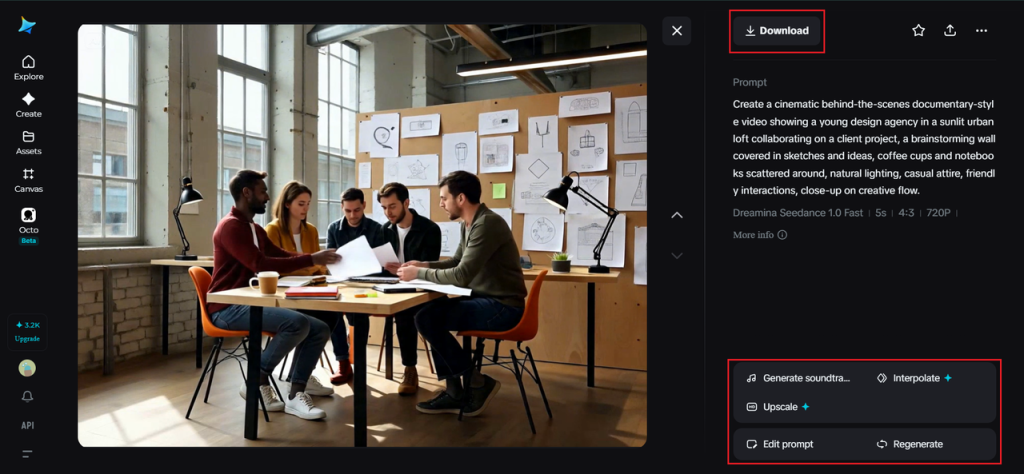
Change from documenting to designing experiences
Content that traditionally documents what happened, can now also include visualizations of what the creator thinks their audience would like to experience. Creators can now create an immersive storytelling experience around the creative process, as opposed to simply documenting events.
For example; a jeweler could take us on a journey of how a gemstone becomes a finished piece of jewelry, a coffee roaster could take us on an experience of how they source beans/type roast profiles/types of tastings, and even digital companies can use immersive storytelling to show how they concept develop, design think, or plan campaigns.
Transforming behind-the-scenes storytelling from passive observing of events to intentional branding.
Conclusion
Expanding creative freedom, whilst not a replacement for authenticity, is its greatest benefit. No longer must businesses anticipate every potential content opportunity months in advance or have team members constantly capturing footage. Instead, existing assets, ideas, and reference materials are often sufficient to create engaging videos that keep audiences engaged and reinforce a brand’s identity.
As the demand for more content continues to rise, creators require efficient workflows that allow for the highest quality of storytelling. Dreamina provides a streamlined process for creating visual concepts. In addition, Seedance 2.5 delivers production-based capabilities for translating those creative concepts into engaging behind-the-scenes experiences.
As such, for brands looking to maintain brand presence with minimal effort, utilizing AI to generate video content may be the most effective way to keep audiences engaged with the brand story that originated from the final product.
Author

Written by
Recent Posts
Unlocking the Berkshires
Dalia Forman Design
Alberto Luzzi
How to Pick a Homecoming Dress for Your Body Type and Feel Amazing in It
How to Prepare a Home for Sale When Major Repairs Are Not Affordable
Categories
- Art
- Articles
- Business of Luxury
- Celebrities
- Culture
- Entertainment
- Events
- Faces of Summer 2026
- Fashion
- Fashion & Style
- Featured
- Finance
- Food, Spirits, Wine
- Hamptons
- Hamptons Celebrities
- Health
- Health & Beauty
- Lifestyle
- Luxury Lifestyle
- Press
- Profiles
- Real Estate
- Technology
- The Chronicles
- Travel
- Uncategorized
- Weddings