
Parking should be easy. But for many drivers, it often comes with all-too-familiar frustrations: long entry lines, confusing payment machines, or sometimes cards being rejected. In dense urban areas, these small delays can have significant knock-on effects. They slow traffic flow, contribute to congestion on entry and exit ramps, and give visitors that dreaded first impression.
The rise of cashless payments is changing all that. Cashless technology and payment systems help operators reduce costs by requiring less maintenance, eliminating the need for frequent cash collection, and reducing the constant risk of theft or vandalism.
From an operator’s standpoint, that means more control, better visibility into revenue, and a central position in a connected parking ecosystem. These insights can inform pricing strategies, operational planning, and even infrastructure investment.
Here’s everything you need to know about the future of parking with cashless technology.
1. Smarter Parking Will Start With Flexible Payment Acceptance
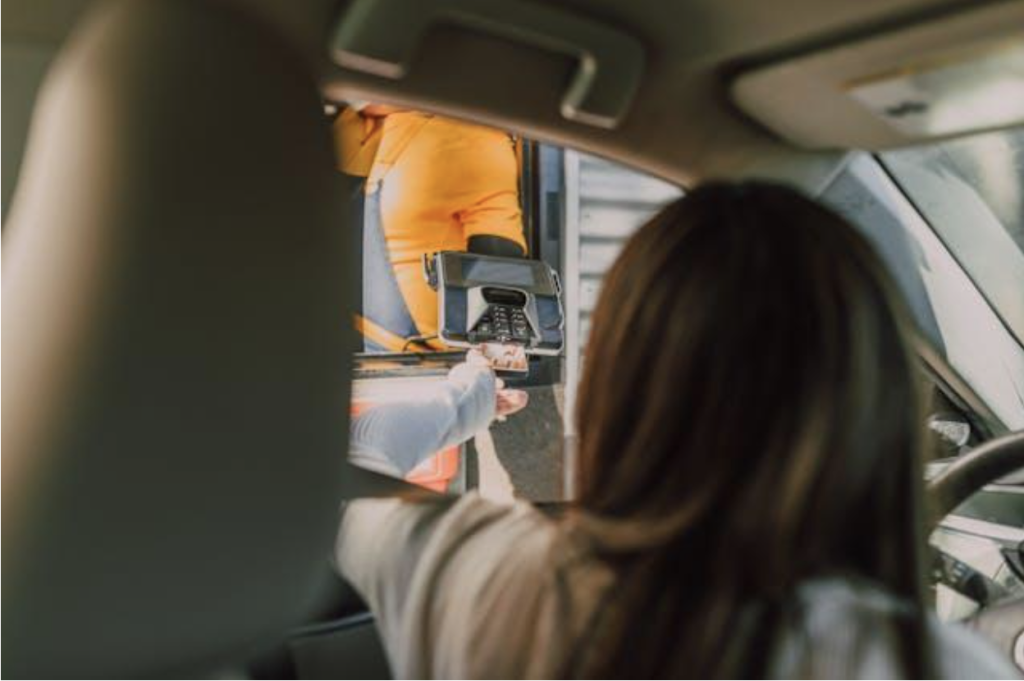
One of the key advancements in parking technology is the ability to accept different payment types. Today’s drivers expect to pay with whatever is most convenient, whether a credit or debit card, a mobile wallet, a smartwatch, or a QR code.
All modern parking garage payment systems are built around this expectation and aim to minimize friction at the point of payment. That flexibility is especially important in high-traffic environments such as parking garages, lots, and unattended facilities.
It means shorter queues at entry and exit points, better traffic flow throughout the garage, and a faster overall experience. Open-loop payment systems also eliminate the need for proprietary apps, memberships, or prepaid accounts.
Drivers can use their preferred payment method without extra steps. For operators, accepting more payment methods means fewer abandoned transactions and greater revenue.
2. Real-Time Connectivity Is Set to Transform Parking Operations
Cashless parking systems do more than remove funds from circulation; they create a connected ecosystem where every transaction is recorded and monitored in real-time. With this level of visibility, parking operators can access operational data instantaneously.
With cloud-based management tools, operators can see transactions as they occur, monitor each device’s health, and be alerted if anything goes wrong. If a payment terminal malfunctions or needs service, you’ll know about it right away.
Real-time connectivity also enables remote software updates, price changes, and diagnostics. You won’t have to send someone out to each machine for routine tune-ups, saving time and labor while keeping machines running at peak performance.
3. Better Security Will be Crucial in Building Trust for Drivers and Operators
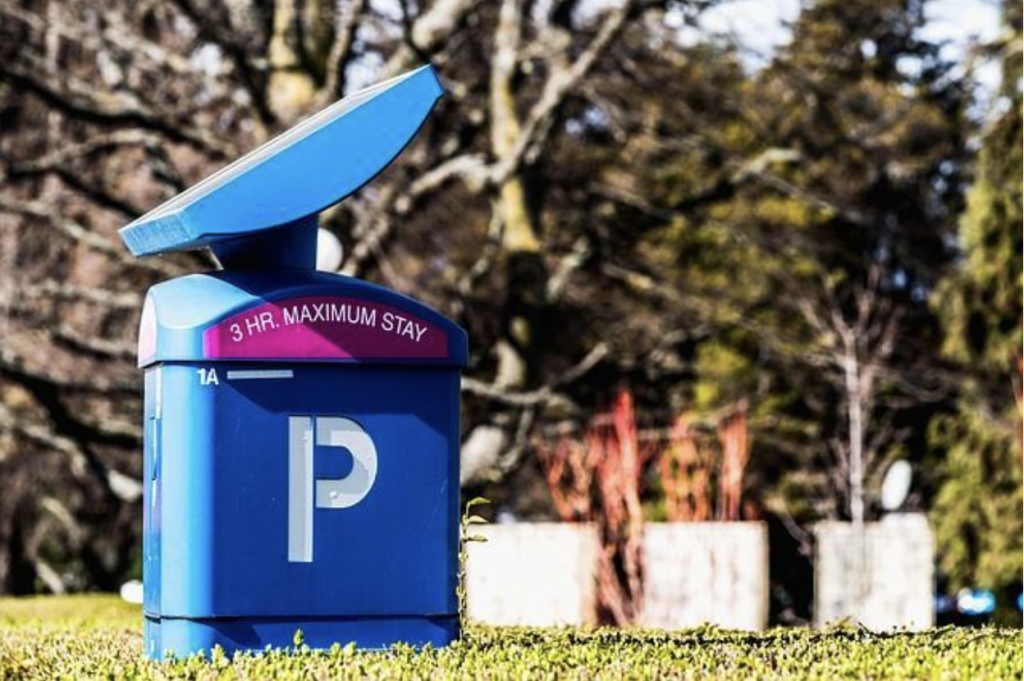
Safety is paramount in any 21st-century parking payment system, and drivers need to know that their payment details are secure, especially when using unattended solutions. Cashless parking technology enhances payment system security through advanced safety standards.
EMV chip processing, tokenization, and encrypted data transmission work together to protect sensitive payment information at every step. Contactless payments should add a security layer by using one-time transaction credentials, thereby greatly reducing the risk of fraud.
For operators, strong security measures will help to minimize chargebacks, reduce fraud exposure, and ensure compliance with payment industry standards.
A secure payment environment also improves customer trust. Drivers are more likely to use and return to facilities when they know transactions will be fast, reliable, and secure. In parking, trust directly impacts customer retention.
4. Cashless Technology Will Support a Fully Unattended Parking Model
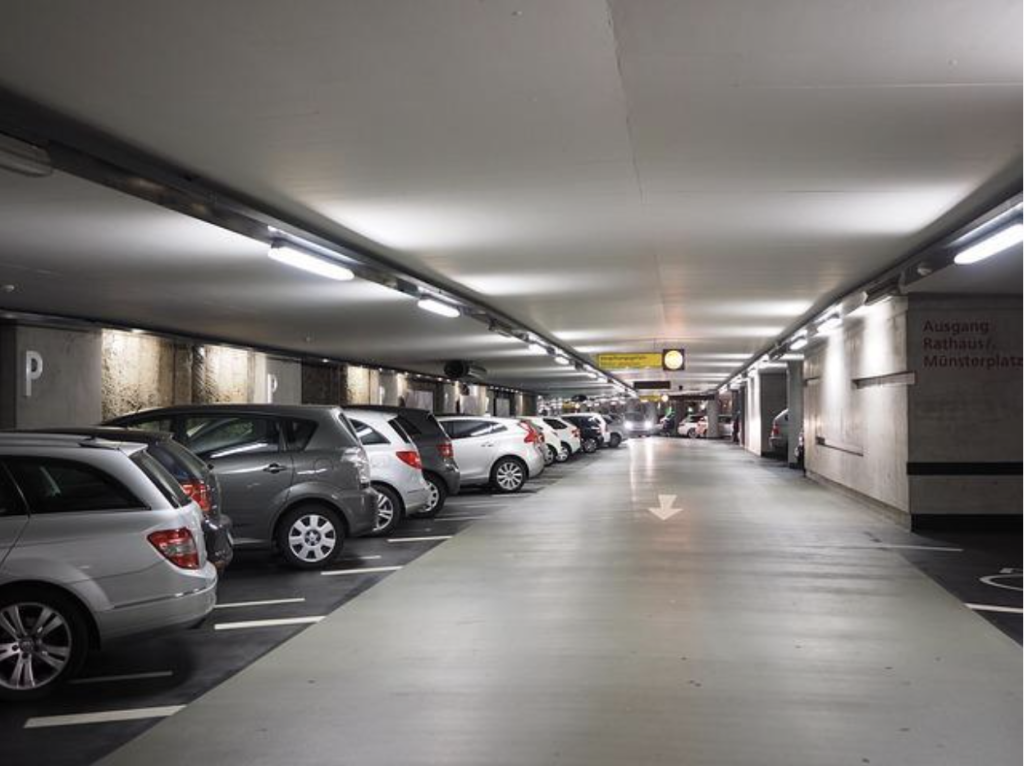
Cashless technology is a cornerstone of increased automation and unattended operations, allowing facilities to operate with limited staffing. Payment terminals can be directly integrated with entry gates, exit stations, pay-on-foot kiosks, and other customer touchpoints.
The unattended parking model means there is no staff on site to handle cash or credit card transactions. This reduces costs and ensures a consistent customer experience. Customers can enter, park, and pay without any assistance or delay.
For an operator, this also means better scalability. Expanding into new locations becomes much easier if payments, monitoring, and management can all be done remotely.
This model suits urban parking, mixed-use developments, hospitals, and transit hubs where high transaction volume demands speedy, consistent, and reliable processing.
5. The Future of Parking Is Connected, Data-Driven, and User Focused
Cashless technology is creating the foundation for a smarter parking ecosystem, where payment is only one part of a connected experience. As this happens, parking facilities will begin to mesh their payment ecosystem with occupancy management, reservations, loyalty programs, and customer engagement.
Operators with transaction-level data can leverage it for space utilization insights, pricing optimization opportunities, and capacity planning. This removes the internal debate on true peak demand windows, and pricing strategy can now be based on real customer behavior.
There’s also growing potential to integrate parking with electric vehicle charging. One payment ecosystem could connect parking and charging together, offering EV drivers a seamless journey. As urban transport continues to change, parking facilities will need to become more flexible, productive, and convenient. And cashless solutions are enabling that.
Conclusion
Parking is an end-to-end journey, not just the search for a space. Drivers expect frictionless, speedy, and secure experiences as they enter, park, and leave. Cashless technology helps operators meet these expectations while driving efficiency.
Supporting multi-payment, real-time management, transaction safety enhancements, and unattended operation, the parking cashless system is rewriting the rules of the game. Data and flexibility will be essential to support future mobility as well.
As cities evolve and driver knowledge grows over time, cashless parking will transition from a niche to the mainstream. It will be connected and seamless, ensuring convenience is embedded in both drivers’ journeys and operators’ daily operations.
Author

Written by
Recent Posts
How to Pick a Homecoming Dress for Your Body Type and Feel Amazing in It
How to Prepare a Home for Sale When Major Repairs Are Not Affordable
From Everyday Comfort to Personal Style: My SHEIN Slipper Habit
5 Best Mitsubishi Heat Pump Companies in Seattle
Tech Gadgets as Modern Corporate Gifts: Useful Ideas for Employees and Clients
Categories
- Art
- Articles
- Business of Luxury
- Celebrities
- Culture
- Entertainment
- Events
- Faces of Summer 2026
- Fashion
- Fashion & Style
- Featured
- Finance
- Food, Spirits, Wine
- Hamptons
- Hamptons Celebrities
- Health
- Health & Beauty
- Lifestyle
- Luxury Lifestyle
- Press
- Profiles
- Real Estate
- Technology
- The Chronicles
- Travel
- Uncategorized
- Weddings