
Luxury has quietly moved into the supplement cabinet. Alongside designer skincare and boutique fitness, discerning buyers now expect the same standard from what they swallow. A beautifully branded bottle is only the surface, though. Behind every premium label sits a manufacturing story that either justifies the price or quietly fails to live up to it.
The most respected upscale brands rarely make their own products. They rely on specialists such as Superior Supplement Manufacturing to turn a concept into a precise, consistent tablet. This piece looks at why premium supplements are surging, what quality manufacturing involves, how luxury brands build their lines, and what to look for.
Why Are Premium Supplements Surging?
Affluent wellness buyers have grown far more discerning. They read labels, question sourcing, and expect proof rather than promises. That scrutiny has created a genuine premium tier in the market. A polished brand now has to back its price with real substance.
The shift is driven by a few things:
- Discernment. Buyers scrutinize ingredients and dosing.
- Aesthetics. Packaging is expected to feel considered.
- Efficacy. Proven formulas beat vague wellness claims.
- Status. A trusted brand signals taste and care.
This tracks the broader modern self-care wellness trends reshaping how people shop. Premium buyers simply hold the bar higher, and they notice when a product cuts corners. For a brand, meeting that bar starts well behind the scenes, long before anything reaches a shelf.
What Makes a Quality Tablet?
A tablet looks simple and is anything but. Getting the right dose into a stable, consistent form takes real precision. Every tablet in a bottle should behave identically. That consistency is the quiet mark of a serious maker, and customers feel the difference even when they cannot name it.
Several factors define a quality tablet:
- Formulation. The right actives at the right dose.
- Consistency. Every tablet identical to the last.
- Stability. A form that lasts through its shelf life.
- Purity. Clean ingredients, verified by testing.
That precision matters far more once you understand how vitamins actually work. Even the Supplement Facts panel rules demand precision most shoppers never notice. The elegance of a premium product is earned in these unglamorous details, one careful batch at a time.
How Do Luxury Brands Build Their Lines?
Behind a chic label is usually a quiet partnership. The brand owns the vision, the audience, and the aesthetic. A manufacturer owns the formulation, sourcing, and production. That division is what lets a small luxury label deliver pharmaceutical-grade consistency, and neither half succeeds without the other. The best partnerships feel less like a vendor deal and more like a shared standard.
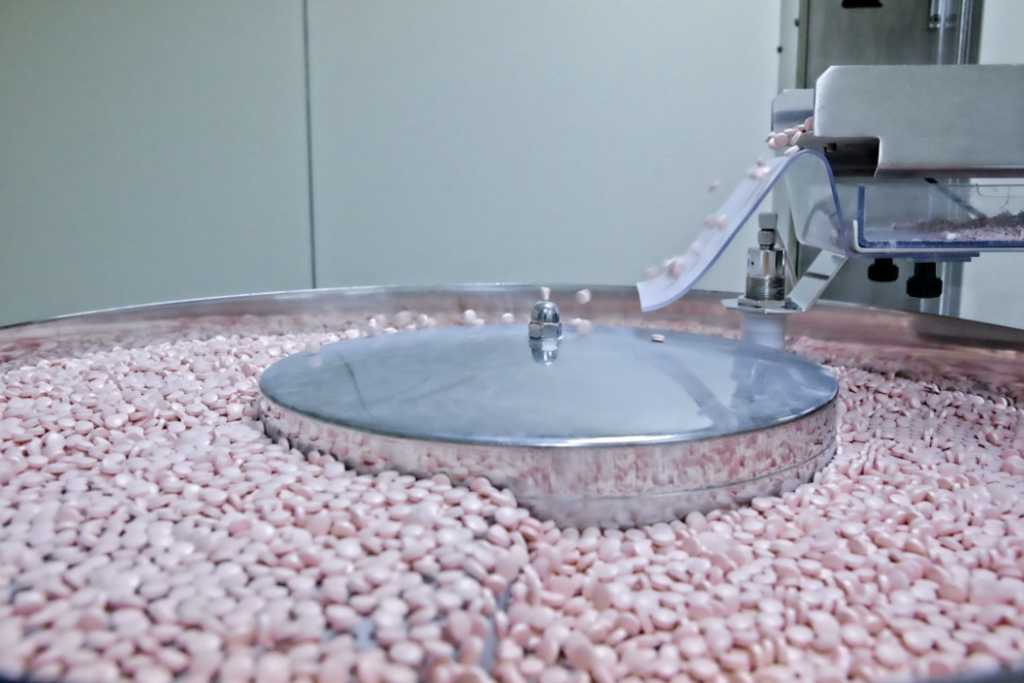
A premium launch tends to follow this path:
- Vision. The brand defines its promise and buyer.
- Formulation. Experts craft the blend and the tablet.
- Sourcing. Premium, traceable ingredients are chosen.
- Production. The maker presses and packages at scale.
Because the journey of discovering timeless beauty now includes what we consume, these brands often blur skincare and supplement. A maker that can hit exacting specifications is what makes that possible. The label may be glamorous, but the factory is where the promise is kept.
What Should You Look for In a Maker?
Whether you are launching a line or simply buying one, the maker is the story. Their standards decide whether a premium price is justified. A little scrutiny protects both founders and shoppers. The signals of quality are consistent across the board.
Prioritize these markers:
- Testing. Documented checks on every batch.
- Certifications. Recognized quality standards held.
- Precision. Tight tolerances on dose and form.
- Transparency. Openness about how it is made.
A serious manufacturer treats documentation and testing as non-negotiable. For a founder, that rigor becomes your brand’s credibility. For a shopper, it is the difference between paying for substance and paying for a pretty bottle.
Where Luxury and Substance Meet
Premium supplements only deserve their price when the manufacturing lives up to the branding. Look past the packaging to the sourcing, the testing, and the precision of the tablet itself. For brands, that means partnering with a maker whose standards match the promise on the label. For buyers, it means judging a product on its substance, not just its shelf appeal. Where genuine quality and considered design meet is exactly where the best premium brands are built.
Frequently Asked Questions
Are Premium Supplements Actually Worth the Price?
Sometimes. A higher price can reflect better ingredients, tighter manufacturing tolerances, and third-party testing, but it can also be pure marketing. The way to tell is to look past the packaging at the sourcing, dosing, and testing behind the product. A well-made premium supplement earns its cost; a beautifully branded but thin one does not.
What Is Special About Tablet Manufacturing?
Tablets demand real precision. Each one must contain the exact same dose, hold together, remain stable through its shelf life, and dissolve properly. Achieving that consistency across thousands of units takes specialized equipment and tight quality control. It is far more technical than it looks, which is why serious brands rely on experienced manufacturers rather than doing it themselves.
Can a Small Brand Create a Premium Supplement?
Absolutely. Most premium brands are small and partner with a contract manufacturer for the science and production. The brand supplies the vision, audience, and design, while the maker delivers formulation, sourcing, and precise manufacturing. That partnership lets a boutique label offer the same quality as a much larger company without owning a facility.
How Do I Judge Quality Beyond the Packaging?
Focus on substance: look for third-party testing, clear and accurate labeling, sensible dosing, and a reputable manufacturer. Beautiful design tells you nothing about what is inside. A brand confident in its quality will be transparent about sourcing and testing. Treat packaging as the last consideration, not the first, when judging a premium product.
Author

Written by
Recent Posts
How to Reduce Frown Lines: Treatments, Habits, and Long-Term Strategies

French Heritage Society
The Rise of Premium Supplement Brands

Manocha Bespoke
5 Ways To Make Money From Items You Already Own
Categories
- Art
- Articles
- Business of Luxury
- Celebrities
- Culture
- Entertainment
- Events
- Faces of Summer 2026
- Fashion
- Fashion & Style
- Featured
- Finance
- Food, Spirits, Wine
- Hamptons
- Hamptons Celebrities
- Health
- Health & Beauty
- Lifestyle
- Luxury Lifestyle
- Press
- Profiles
- Real Estate
- Technology
- The Chronicles
- Travel
- Uncategorized
- Weddings