
On any given week, a community hall might host a Monday yoga class, a Wednesday quiz night, a Saturday wedding reception and a Sunday church lunch. Function centres face the same challenge on a larger scale, with conferences, gala dinners and trade expos often booked back to back. The furniture that makes all of this possible is rarely the star of the show, but it does a lot of heavy lifting. Choosing the right folding tables for events and functions can make setup quicker, storage simpler and every event look more polished.
So what separates a good folding table from one that wobbles, pinches fingers and ends up cluttering the storeroom? Here is a practical guide to the main styles and what to look for before you buy.
Why Folding Tables Suit Multi-Use Spaces
Fixed tables lock a room into a single layout. Folding tables do the opposite. They can be set out in long banquet rows for a dinner, arranged in clusters for a workshop or packed away completely to open up a dance floor. When the event is over, they fold flat and slide into storage, leaving the room ready for whoever is booked next.
For volunteer-run halls in particular, that flexibility matters. Committees often rely on a handful of helpers to set up and pack down, so tables need to be light enough to carry, simple to open and sturdy enough to trust once they are standing.
The Main Types of Folding Tables
Not every folding table is built for the same job. These are the styles you will most often see in halls and function venues:
- Plastic folding tables: Lightweight, easy to wipe down and resistant to spills, making them ideal for community lunches, school fairs and outdoor events.
- Wooden folding tables: A warmer, more traditional look that suits weddings, formal dinners and venues where tables are often left uncovered.
- Heavy-duty trestle tables: Strong steel frames with timber or plywood tops, built for frequent use and heavier loads such as catering displays or exhibition stands.
- Fold-down and fold-up tables: Designed for quick setup, with mechanisms that let one person open or close the table safely.
- Flip tables on wheels: Tops that tilt vertically so tables can be nested together and rolled away, a favourite in training rooms and conference centres.
What to Look For When Choosing
When it comes to folding tables for community halls, durability should sit at the top of the list. These tables are opened, closed, stacked and carried far more often than a typical dining table, so frames, hinges and locking mechanisms need to handle constant handling without loosening over time. Steel frames and reinforced joints are worth the extra investment for busy venues.
Weight is the next consideration. A table that two volunteers can carry comfortably will be used far more happily than one that needs four people and a lot of grumbling. Plastic and lighter wooden models work well for smaller halls, while heavier trestle styles are better suited to venues with dedicated staff and trolleys.
Think about surfaces too. If your tables will mostly be covered with linen, the top finish is less important than strength. If they will often be used bare, a quality timber or easy-clean plastic top will keep the room looking tidy and professional.
Finally, measure your space. Allow enough room around each table for chairs to be pulled out and for guests to move freely between rows. A common mistake is ordering tables that fit the floor on paper but leave walkways cramped once everyone is seated.
Do Not Forget Storage and Transport
The real test of a folding table often comes after the event. Tables that fold completely flat and stack neatly save valuable storeroom space, while matching trestle table trolleys allow several tables to be moved at once without strain. For halls with stairs, narrow doorways or tight storage cupboards, these details can save hours of effort every month and reduce the risk of injury to staff and volunteers.
Bringing It All Together
The best folding tables are the ones that suit the way your venue actually runs. A busy function centre might lean towards heavy-duty trestle tables with trolleys, while a small community hall may get more value from a mix of lightweight plastic and wooden tables. Either way, investing in well-made, flexible furniture means less time wrestling with setup and more time focusing on the people and events that bring your space to life.
Sponsored content: This article was created in partnership with Capital Commercial Furniture. Based in Porirua, Wellington, CCFNZ has spent more than 25 years helping schools, churches, community groups, cafés and function venues across New Zealand furnish their spaces. Selling factory and warehouse direct, the team offers everything from plastic, wooden and heavy-duty trestle folding tables to flip tables, stackable chairs and trestle trolleys, with fast online quotes, nationwide delivery and assembly services available.
Author

Written by
Recent Posts
Best Folding Tables for Community Halls and Function Centres

From the Hamptons to Mykonos for a September Encore
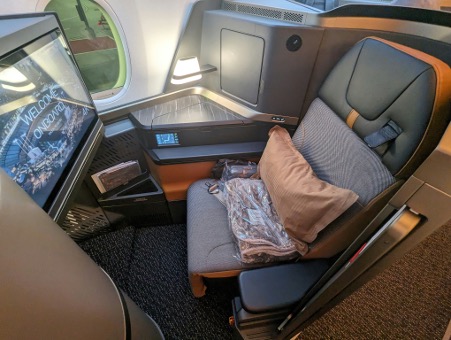
Is Business Class Worth It on a Short-Haul Flight?
Failure to Disclose Finances in Divorce
Columbus Car Accident Attorney: Protecting Your Rights After a Georgia Crash
Categories
- Art
- Articles
- Business of Luxury
- Celebrities
- Culture
- Entertainment
- Events
- Faces of Summer 2026
- Fashion
- Fashion & Style
- Featured
- Finance
- Food, Spirits, Wine
- Hamptons
- Hamptons Celebrities
- Health
- Health & Beauty
- Lifestyle
- Luxury Lifestyle
- Press
- Profiles
- Real Estate
- Technology
- The Chronicles
- Travel
- Uncategorized
- Weddings