
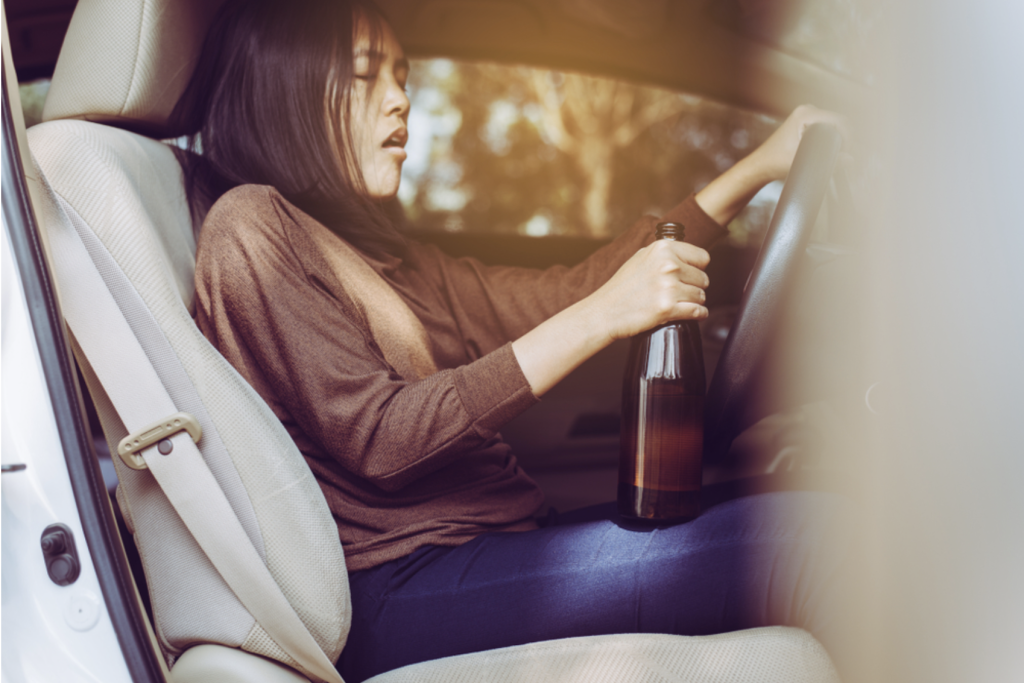
A drunk driver may be the reason a crash happened, but proving an injury claim takes more than pointing at the driver’s behavior. The lawyer has to build a chain of facts that shows what happened on the road, how the driver’s actions caused the collision, and what injuries and losses followed. That work starts with records, statements, photographs, and other evidence. A lawyer for drunk driving accident victim may then sort through each piece to find what supports the claim and what needs more proof. From the crash scene to the insurance company’s response, every part has a place in the case.
Here is how the claim is built by the lawyer, piece by piece, from the first investigation to the insurance response.
Getting the Full Story of the Crash
The first step is finding out exactly what happened. A lawyer reviews the injured person’s account and compares it with the police report and other available records. Details such as the road, traffic signals, direction of travel, and position of the vehicles can help build a clear timeline.
Photos and videos can also matter. So can witness accounts, vehicle damage, and information from the crash scene. NHTSA crash investigations use scene evidence, vehicle inspections, interviews, and medical records to understand how a crash happened and how serious the resulting injuries were.
Establishing Evidence of Drunk Driving
Next comes the question of impairment. A lawyer may review police reports, officer observations, breath or blood test results, and records connected to a DUI arrest or charge, if available.
Witnesses may also have noticed signs of drinking or drug use before the crash. Other records can help show what officers found at the scene. NHTSA materials describe evidence such as witness statements, photographs, testing, and other information gathered during impaired driving investigations.
The important point is that the driver’s impairment is one part of the claim. The evidence still needs to show how the driver’s conduct relates to the collision and resulting injuries.
Connecting Impairment to the Collision
A driver being impaired does not by itself describe every detail of a crash. The next task is to connect the driver’s actions to what happened on the road.
The lawyer may examine speeding, unsafe turns, running a light, drifting into another lane, or failing to stop. Statements from the drivers and witnesses can be compared with photographs, vehicle damage, video, and other physical evidence.
Crash reports can provide information about the vehicles, people involved, injuries, and location of the collision. Putting these details together can create a clearer account of how the crash occurred.
Documenting the Injuries
The claim then turns to the medical side. A lawyer collects medical records, bills, test results, treatment notes, and information from doctors or other providers.
The timing of treatment matters too. Records can show the injuries diagnosed after the crash, the care provided, and the treatment that followed. Medical records can become important evidence in an injury matter, so legal teams often review them for accuracy, completeness, and consistency.
The goal is to document the injuries clearly and connect the medical evidence to the accident.
Calculating the Losses
A claim also needs a clear record of the losses connected to the crash. The lawyer reviews medical expenses, lost wages, vehicle damage, and other documented costs that may be part of the claim.
Records can make this part easier to follow. Medical bills show treatment costs, while pay records can show lost income. Repair estimates and invoices can document property damage.
The lawyer may also review information about continuing treatment or other expected expenses if the available medical evidence supports them. The exact losses depend on the facts of the case and the applicable law.
Reviewing the Insurance Coverage
After gathering the evidence, the lawyer reviews the insurance side of the claim. This can include identifying the driver’s policy, checking available liability coverage, and reviewing policy limits and other coverage questions.
The insurance company will also examine the claim and its supporting documents. A clear presentation can help show how the crash, injuries, and losses fit together.
The lawyer may then prepare a demand with the relevant records and information instead of sending scattered documents without context.
Putting the Evidence Into One Claim
At this stage, separate pieces of information become one organized claim. The crash evidence supports what happened. The impairment evidence addresses the driver’s condition. Medical records document the injuries, while financial records support the losses.
A lawyer reviews these parts together and looks for gaps or disagreements. If a witness account conflicts with another record, that issue may need more attention. If a medical record is unclear, additional information may be needed.
The goal is a claim that tells one consistent story from the collision through the resulting losses.
Responding to the Insurance Company’s Position
The insurance company may question fault, the extent of the injuries, treatment, or the amount of losses claimed. A lawyer reviews those concerns and responds with the evidence available in the case.
This can involve providing additional records, explaining disputed facts, or negotiating over the claim. If the matter remains unresolved, the next steps depend on the facts, the available evidence, and applicable law.
Bringing the Claim Into Focus
Building an injury claim after a drunk driving crash takes more than proving that alcohol or drugs were involved. The lawyer has to connect the driver’s conduct to the collision, then connect the collision to the injuries and losses.
A lawyer for a drunk driving accident victim may use police records, witness accounts, medical documents, financial records, and insurance information to build that complete picture. Each part serves a purpose, and the strength of the overall claim depends on how clearly those pieces support the facts.
Author

Written by
Recent Posts
When Should You Consider Filing a Bicycle Accident Lawsuit?
How a Lawyer Builds an Injury Claim Against a Drunk Driver

How to Choose a Lawyer for a Distracted Driving Accident Case
Why Having a Family Doctor Can Make Preventive Healthcare Easier to Manage
The Best Protein Shake Vending Machines for Gyms in 2026
Categories
- Art
- Articles
- Business of Luxury
- Celebrities
- Culture
- Entertainment
- Events
- Faces of Summer 2026
- Fashion
- Fashion & Style
- Featured
- Finance
- Food, Spirits, Wine
- Hamptons
- Hamptons Celebrities
- Health
- Health & Beauty
- Lifestyle
- Luxury Lifestyle
- Press
- Profiles
- Real Estate
- Technology
- The Chronicles
- Travel
- Uncategorized
- Weddings