
Your siding does more than make your house look finished. It blocks wind, moisture, pests, and temperature swings while shaping curb appeal in a big way. If you live in a place with humid summers, icy winters, and plenty of seasonal mood swings, your siding choice matters even more. In Ohio, where weather can test a home from every angle, picking the right material and installer can save you money, stress, and a lot of future repair headaches.
Why climate should shape your siding decision
A siding material that performs well in one state may struggle in another. Climate isn’t a side note. It’s part of the main plot. If your area deals with freeze-thaw cycles, heavy rain, snow, and summer humidity, the wrong product can age badly.
Moisture resistance matters because trapped water can lead to mold, rot, or structural damage behind the panels. Wind resistance matters because storms can loosen poorly installed pieces. UV resistance matters too, especially if your home gets long hours of direct sun.
For homeowners comparing options in the Midwest, it helps to speak with siding contractors in Ohio who understand regional weather patterns and installation demands. Local experience often reveals details product brochures tend to glide past.
What siding actually does for your home
You probably notice siding first as a style feature, but its job goes far beyond appearance. It acts like your home’s outer shell, helping protect the structure from rain, wind, UV exposure, and temperature shifts.
Good siding also supports energy performance. When paired with proper house wrap and insulation, it helps reduce drafts and keeps your heating and cooling system from working overtime. Your utility bill may not throw a parade, but it usually notices.
It also affects maintenance. Some materials need repainting and regular sealing, while others only need an occasional wash. If you want a home exterior that looks sharp without becoming your weekend hobby, siding choice becomes a practical decision fast.
The most common siding materials and how they compare
Vinyl siding remains popular because it’s affordable, low maintenance, and available in a wide range of colors and profiles. It works well for many homes, though lower-grade products can crack or warp under harsh conditions.
Fiber cement is tougher and often chosen for its durability, fire resistance, and wood-like appearance. It usually costs more to install, but it can hold up well over time with proper maintenance.
Engineered wood offers a warm, classic look with better resistance than traditional wood, though it still needs careful installation and upkeep. Metal siding can perform well in modern designs and tough climates, but dents and aesthetic preferences matter.
Your best option depends on budget, local weather, design goals, and how much maintenance you’re realistically willing to handle.
Signs your current siding is already failing
Sometimes damage is obvious. Panels may be cracked, warped, loose, or missing after a storm. Other times, the warning signs are quieter and easier to ignore until repair costs start climbing.
Look for bubbling paint, soft spots, mold growth, or seams that no longer sit flat. Rising energy bills can also point to siding issues, especially if moisture or gaps are affecting insulation performance. Inside the house, peeling paint or unexplained drafts near exterior walls can be clues too.
Walk around your home after heavy rain and again during bright daylight. Changes in texture, fading, or moisture streaks often show up more clearly then. If your siding looks tired and acts worse than it looks, an inspection is worth scheduling before minor trouble becomes a full exterior overhaul.
How to evaluate a siding contractor without getting sold a fantasy
A polished sales pitch doesn’t guarantee a solid installation. You need to look past the brochure language and check how a contractor actually works. Start with licensing, insurance, and local references. Then ask about material brands, installation methods, warranties, and expected project timelines.
Good contractors explain prep work clearly. That includes removing old siding, checking for water damage underneath, installing moisture barriers, and sealing vulnerable edges around windows and doors. If those steps sound vague in the estimate, pay attention.
It also helps to review recent projects similar to your home’s style. A contractor who handles colonials, ranch homes, and newer builds may bring more flexibility to the table. Clear communication matters too. If they dodge questions now, it won’t improve once the ladders go up.
Budgeting for siding without focusing only on the sticker price
It’s tempting to compare quotes by looking straight at the bottom line. That number matters, but it doesn’t tell the full story. A cheaper bid may leave out repairs, trim replacement, insulation upgrades, or disposal of old materials.
Ask for line-item detail so you can see what is and isn’t included. That helps you compare bids fairly instead of guessing. Also consider lifespan, maintenance costs, and energy performance. A material with a higher upfront price may save you money over the next decade.
Timing can also affect budget. If your siding is already failing and moisture has reached the sheathing, delaying replacement may lead to carpentry repairs that increase project cost. Spending carefully is smart. Waiting too long can be expensive in a way that feels almost rude.
Matching siding style to your home’s architecture
Not every siding profile works on every home. You want a material and design that support the architecture instead of fighting it. Wide horizontal panels may suit a modern suburban build, while shake accents or board-and-batten details can add depth to a farmhouse or cottage-style exterior.
Color matters just as much. Neutral shades tend to age well and appeal to future buyers, but contrast trim can sharpen the entire look. If your roof, stonework, or shutters already carry strong visual weight, your siding should coordinate rather than compete.
A smart exterior update doesn’t need to feel flashy. It should look intentional. When siding, trim, and accents work together, your home appears better maintained and more valuable. That impression starts before anyone reaches the front door, which is real estate psychology doing its usual thing.
What a well-planned siding project gives you long term
A good siding project improves more than appearance. You get better weather protection, less maintenance stress, and a stronger exterior envelope. That can support resale value, especially when buyers see a home that looks cared for instead of one with visible deferred maintenance.
You also gain peace of mind during rough weather. Loose panels, hidden leaks, and recurring patch jobs stop hanging over your head. That alone can make the investment feel worthwhile.
If you’re planning updates to your home, take siding seriously and treat it as both a design decision and a building-performance decision. The right material, installed by the right team, can keep your house looking sharp and working properly for years. That’s a rare home upgrade that manages to be practical, protective, and good-looking all at once.
Author

Written by
Recent Posts

The New Luxury Travel Bucket List: Experiences That Money Alone Can’t Create
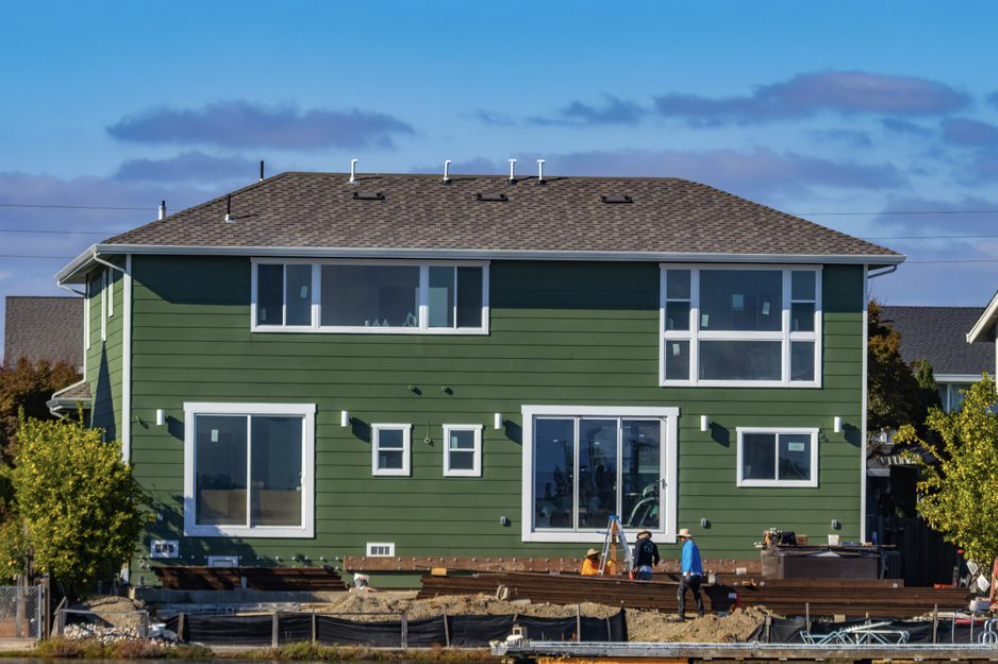
How to Choose the Right Siding for Your Home Without Regretting It Later

Rome’s Luxury Nightlife: An Insider Guide

EMFACE Before-and-After Photos: What to Ask Before You Book
What a Truck’s Digital Records Can Reveal After a Crash
Categories
- Art
- Articles
- Business of Luxury
- Celebrities
- Culture
- Entertainment
- Events
- Faces of Summer 2026
- Fashion
- Fashion & Style
- Featured
- Finance
- Food, Spirits, Wine
- Hamptons
- Hamptons Celebrities
- Health
- Health & Beauty
- Lifestyle
- Luxury Lifestyle
- Press
- Profiles
- Real Estate
- Technology
- The Chronicles
- Travel
- Uncategorized
- Weddings