
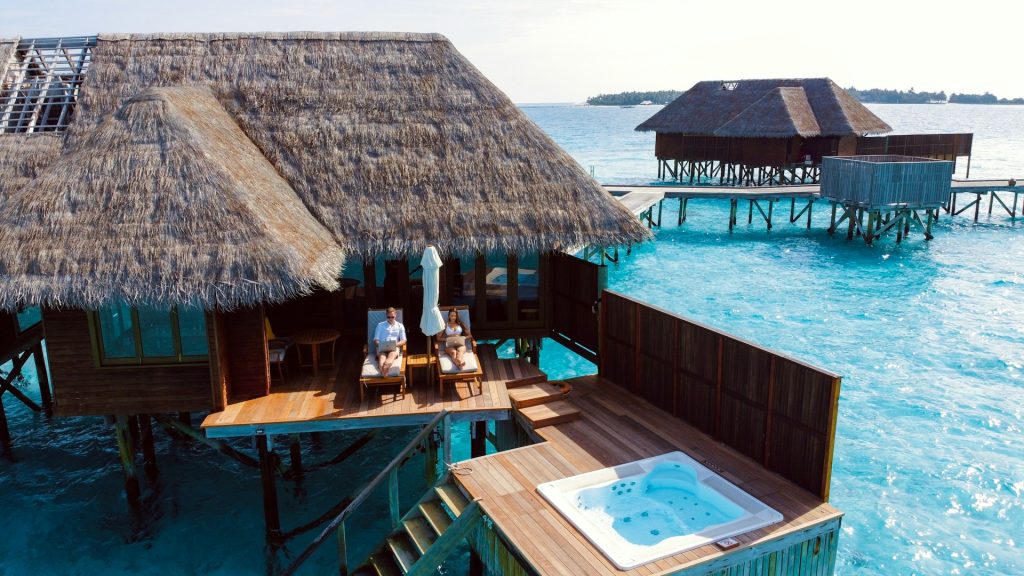
Luxury travel used to be easy to recognize. Private villas, first-class flights and five-star hotels were the obvious markers of an exceptional vacation. Those comforts still have their appeal, but they don’t necessarily make a trip memorable. A beautiful suite can look much like another, no matter which country you’re visiting.
The new luxury travel bucket list values experiences that connect travelers with a destination. Exploring an ancient civilization, learning from a local expert or spending several days in an unfamiliar cultural environment can leave a stronger impression than expensive amenities. The difference lies in what travelers discover, not what they buy.
Discover the Stories Behind the World’s Greatest Landmarks
Historic landmarks offer some of the world’s most rewarding travel experiences because their significance extends far beyond their appearance. Understanding how a structure was built, who created it, and what it represented can completely change the way visitors experience a destination.
Egypt is a compelling example. The Great Pyramid of Giza has stood for more than 4,500 years and remains the only surviving wonder of the ancient Seven Wonders of the World. While seeing the monument is remarkable in itself, understanding its construction, historical context, and role in ancient Egyptian society adds another dimension to the visit.
Travelers planning a Great Pyramid of Giza tour can consider guided experiences that provide historical interpretation rather than simply moving between viewpoints. A knowledgeable Egyptologist can explain the pyramid’s original purpose, the organization of its construction and the surrounding archaeological complex. This helps visitors see the site as an achievement of ancient engineering and human organization, not just an impressive structure to photograph.
The same approach applies to destinations such as Rome, Athens and Petra. Visiting a famous landmark becomes more meaningful when travelers understand the people and events connected to it. Expert interpretation, thoughtful preparation and sufficient time at each location often contribute more to the experience than exclusive amenities.
Choose Cultural Experiences Over Conventional Luxury
Cultural immersion gives travelers opportunities to understand places through everyday traditions, local knowledge and personal interactions. Rather than moving exclusively between hotels and major attractions, spending time in neighborhoods, workshops and community spaces provides a more complete perspective on a destination.
In Japan, for example, travelers can explore traditional craftsmanship through pottery workshops or learn about regional cuisine in a small cooking class. In Italy, visiting a family-run vineyard or joining a regional food experience offers insight into agricultural traditions and local history. These activities introduce details that conventional sightseeing rarely captures.
These experiences matter because they connect you to the destination. A private cooking lesson becomes meaningful not because it’s expensive. Its appeal depends on the opportunity to learn something authentic, understand its cultural background and participate in an experience that cannot be reproduced in exactly the same way elsewhere.
Travelers should also consider who benefits from their spending. Choosing qualified local guides, independent businesses and responsible cultural operators can support the communities that maintain these traditions.
Explore Remote Landscapes Without Rushing Through Them
Some destinations deserve a place on a luxury travel bucket list for their natural environments, not their hotels. Remote landscapes, protected ecosystems and distinctive geographic features create opportunities for experiences that require careful planning and respect for local conditions.
A journey through Patagonia, for example, introduces travelers to glaciers, mountain ranges and expansive wilderness across southern Chile and Argentina. The region offers guided hiking, wildlife observation and scenic exploration, with routes suited to different experience levels.
Iceland provides a different perspective through volcanic landscapes, geothermal areas and dramatic coastal scenery. Travelers can explore geological formations that reveal how the Earth’s surface continues to change through volcanic and tectonic activity.
These destinations reward thoughtful itineraries. Spending several nights in one region creates more opportunities to explore than constantly changing accommodations. Weather conditions, seasonal accessibility and environmental regulations also influence what visitors can experience, making advance preparation essential.
Make Time the Most Valuable Part of Your Itinerary
One of travel’s most overlooked luxuries is the freedom to explore without a rigid schedule. A vacation filled with expensive activities can still feel exhausting when every hour is planned around reservations, transfers and transportation.
Consider a week in Paris. Trying to visit every famous museum, monument and neighborhood leaves little room for discovering a quiet restaurant or spending an afternoon exploring an unfamiliar district. A more selective itinerary allows travelers to experience the city at a comfortable pace while giving individual attractions the attention they deserve.
The same principle applies to longer international journeys. Spending four nights in one destination rather than splitting those nights across several cities reduces travel time and creates more opportunities for spontaneous experiences.
Private transportation and personalized travel arrangements can help when they improve access or reduce unnecessary logistical challenges. However, flexibility’s greatest benefit is the freedom to change plans when something unexpected captures your interest.
Seek Experiences That Encourage Personal Discovery
The most memorable travel experiences often challenge familiar perspectives. Learning about a different civilization, observing an unfamiliar tradition or understanding how people have adapted to their environment can change the way travelers interpret the world.
This explains the appeal of educational journeys, archaeological expeditions and cultural workshops. These experiences provide opportunities to develop knowledge rather than simply consume entertainment. For example, a traveler interested in architecture can gain valuable insights by exploring historical building techniques with a specialist guide.
Personal interests should shape the itinerary. Someone fascinated by art history will approach Florence differently from a traveler interested in regional cuisine, even when both visit the same city. Identifying those interests before departure helps you decide which activities deserve more time and investment.
A thoughtfully planned trip doesn’t need to include every celebrated attraction. It needs to provide enough opportunities for discovery that the destination becomes more than a collection of recognizable landmarks.
Rethink What Makes a Journey Exceptional
The new luxury travel bucket list isn’t defined by how many countries you visit or the price of individual experiences. It’s shaped by access to knowledge, meaningful cultural encounters, remarkable environments and the freedom to explore them properly.
Comfortable accommodations and convenient transportation still have an important role. They can make travel easier and create more time for experiences that matter. But they remain supporting elements, not the main reason a journey becomes memorable.
An exceptional vacation combines thoughtful planning with genuine curiosity. The experiences that stay with travelers are often the ones that deepen their understanding of a place, introduce them to unfamiliar perspectives and create memories that can’t be measured by what they cost.
Author

Written by
Recent Posts
The Private Side of a Public Life: Seeking Substance-Use Support With Dignity
The New Luxury Travel Bucket List: Experiences That Money Alone Can’t Create

How to Choose the Right Siding for Your Home Without Regretting It Later

Rome’s Luxury Nightlife: An Insider Guide

EMFACE Before-and-After Photos: What to Ask Before You Book
Categories
- Art
- Articles
- Business of Luxury
- Celebrities
- Culture
- Entertainment
- Events
- Faces of Summer 2026
- Fashion
- Fashion & Style
- Featured
- Finance
- Food, Spirits, Wine
- Hamptons
- Hamptons Celebrities
- Health
- Health & Beauty
- Lifestyle
- Luxury Lifestyle
- Press
- Profiles
- Real Estate
- Technology
- The Chronicles
- Travel
- Uncategorized
- Weddings