
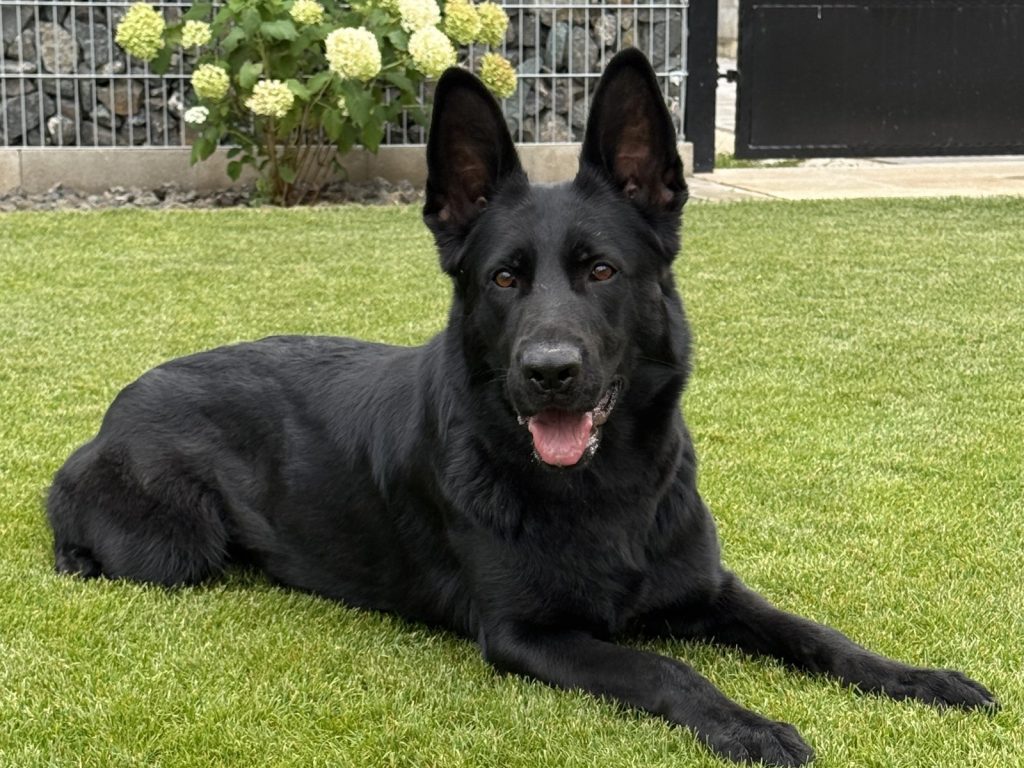
Every fall the East End empties out, and every spring the same families come back with their children, with houseguests and staff close behind. A trained protection dog can fit into that life well if it suits the way your household runs. The questions below will help you decide whether it does.
Who Is the Dog Meant to Protect?
A family protection dog is trained to guard the people it lives with, and it works when its handler tells it to. When you close the house in October, the dog leaves with you, so the empty months still depend on your monitored alarm and on the caretaker who drives over when a sensor trips.
The dog is most useful in the months you spend out east: the guest wing at night, or a knock at the door while the pool crew works out back. Slovak Protection Dogs USA, an American company that trains German Shepherds in Slovakia and places them with families across the United States, describes a personal protection dog as one that “goes where you go, responds on command, and then switches off just as reliably.”
If what you need is coverage for an empty house in February, put that budget into the alarm and the caretaker. If you want a dog at your family’s side all year, your children are the first thing to think about.
Is the Dog Safe With Your Children and Their Friends?

Summer means sleepovers, cousins and young visitors who have never met a large dog. Ask where the dog grew up and how old the children in that house were. Slovak Protection Dogs, for one, places no dog with a family before 18 months, and until then its dogs live in family households with children. Ask for that history in detail. Whenever young children are with the dog, however well trained it is, have a parent actively watching. When no one can watch, keep them apart behind a closed door or gate.
If you are still comparing breeds, this guide to the best guard dog breeds ranks them and says which ones suit a home with young children. Make the final call after you have met the dog itself.
Will the Dog Travel Between Your Homes?
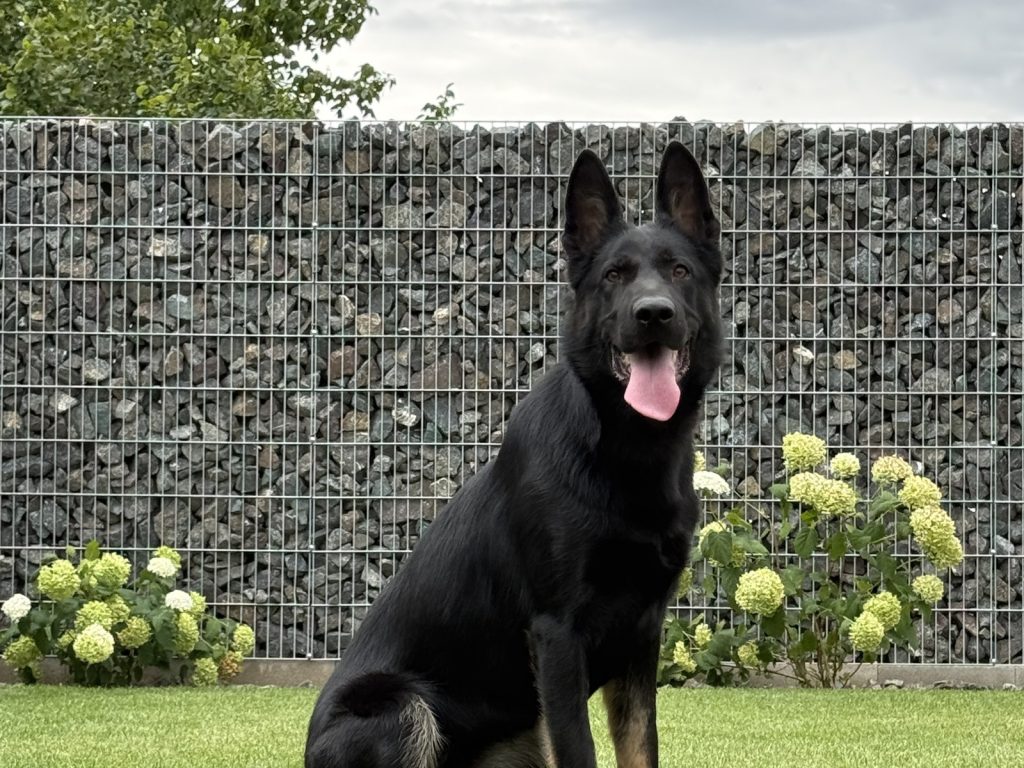
If your year moves between Manhattan, the East End and perhaps Palm Beach, the dog moves with you. It rides out on the Long Island Expressway and settles into a summer house it last saw in the fall. Ask any seller to show you, on video, how the dog handles a long drive and a house full of people it has never met.
A seller used to placing estate protection dogs with families who own several homes will ask early about every address. If yours does not, tell them anyway.
How Will It Handle Guests, Staff and Summer Crews?
A Hamptons summer brings a steady stream of people through the gate, from caterers and landscapers to a valet team booked for one evening. The dog has to accept all of them without treating each arrival as an event. Look for plenty of drive and an even temper: a dog that works when its handler calls on it and stays calm through the delivery vans and the fourth doorbell of the afternoon.
Write a short house protocol before Memorial Day weekend:
- Tell your caretaker and your alarm company which months the dog is in the house.
- Brief the event planner and the valet team on where the dog will be on party nights.
- Decide where the dog stays during large deliveries and pool service.
- Give your house manager the same rules you follow, in writing, and have them there when the dog is delivered.
What Should You Ask Before You Commit?

When you start comparing protection dogs for sale, make sure every seller can answer these questions:
- Can we meet the dog on a live video call, at work and at rest?
- Who delivers the dog, and who will teach our family to handle it?
- What does the guarantee cover, and for how long?
- Is the pedigree available?
- Which company will we be paying, and where is it based?
Here is how one seller answers several of the questions above. Slovak Protection Dogs introduces the dog on a live video call from Slovakia before you commit. Its founder, Peter, delivers every dog personally, together with his own trainers, and stays long enough to hand it over properly. Pedigrees are available on request. Buyers pay an American company, by transfer to an American bank account, and a dog that is ready to go now is usually home within a month. If the dog’s temperament does not fit the household, the family has 30 days to say so, and the company takes the dog back and places a different one.
While you are still choosing the dog, ask your insurance agent how your homeowners and umbrella policies treat a dog trained for protection. Check your town or village code on leashes and fencing as well.
When Should You Start?
If you want the dog settled before the first big weekend, start the conversation in early spring. For the first weeks after delivery, let the person who will handle the dog every day do the walks and give the commands, and keep visitors to a minimum.
When you close the house in the fall, keep the alarm contract running and take the dog back to the city with you.
Author

Written by
Recent Posts
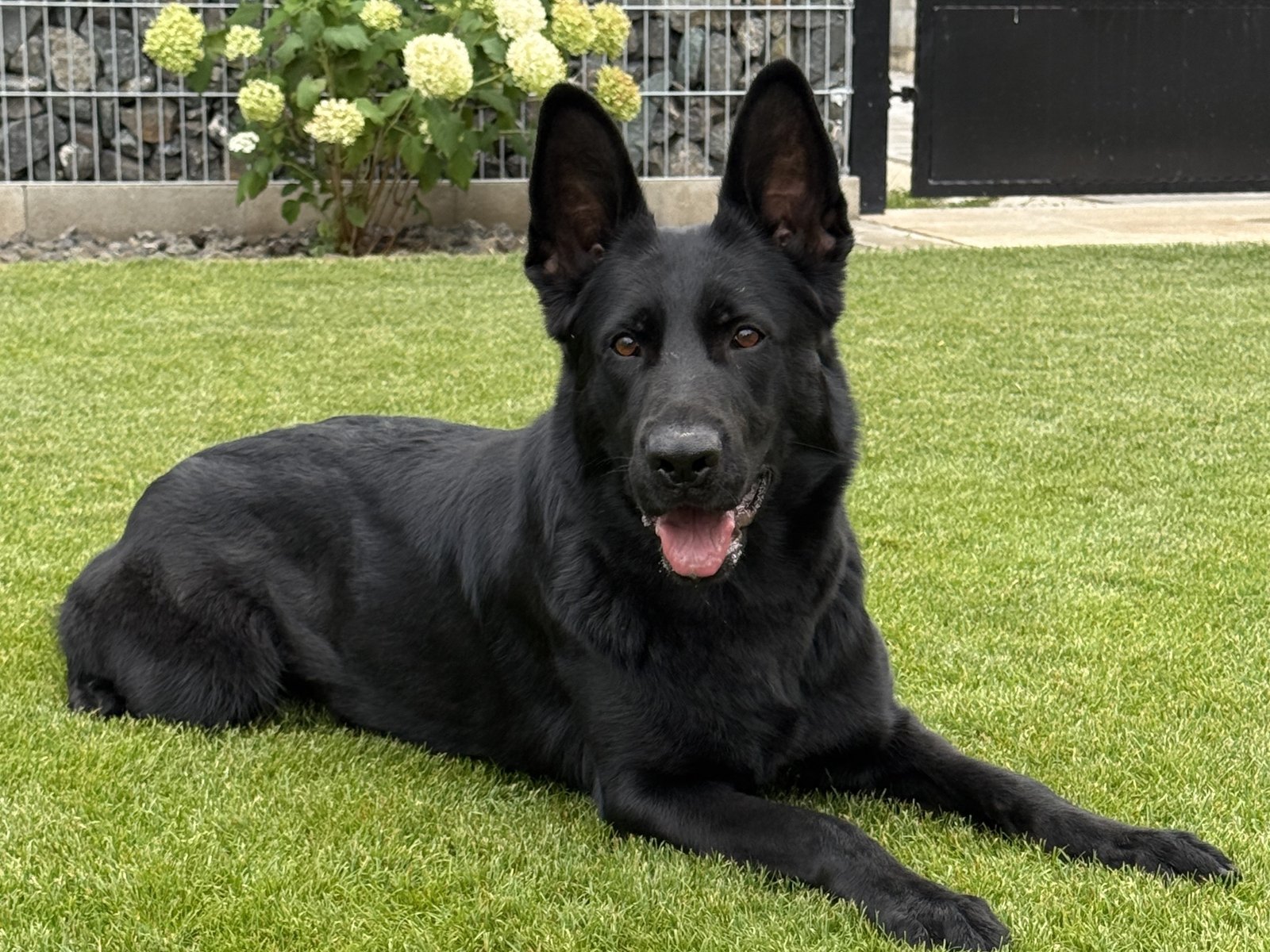
What to Settle Before You Bring a Protection Dog to the Hamptons
6 We Buy Any House Companies Compared: Who Is Registered and Regulated in the UK?

When Your New Car Keeps Breaking Down, Wisconsin Law Steps In
Denied in Myrtle Beach: How Your Appeal Moves, Step by Step

Do Not Let the Insurer Decide What Your Case Is Worth
Categories
- Art
- Articles
- Business of Luxury
- Celebrities
- Culture
- Entertainment
- Events
- Faces of Summer 2026
- Fashion
- Fashion & Style
- Featured
- Finance
- Food, Spirits, Wine
- Hamptons
- Hamptons Celebrities
- Health
- Health & Beauty
- Lifestyle
- Luxury Lifestyle
- Press
- Profiles
- Real Estate
- Technology
- The Chronicles
- Travel
- Uncategorized
- Weddings