
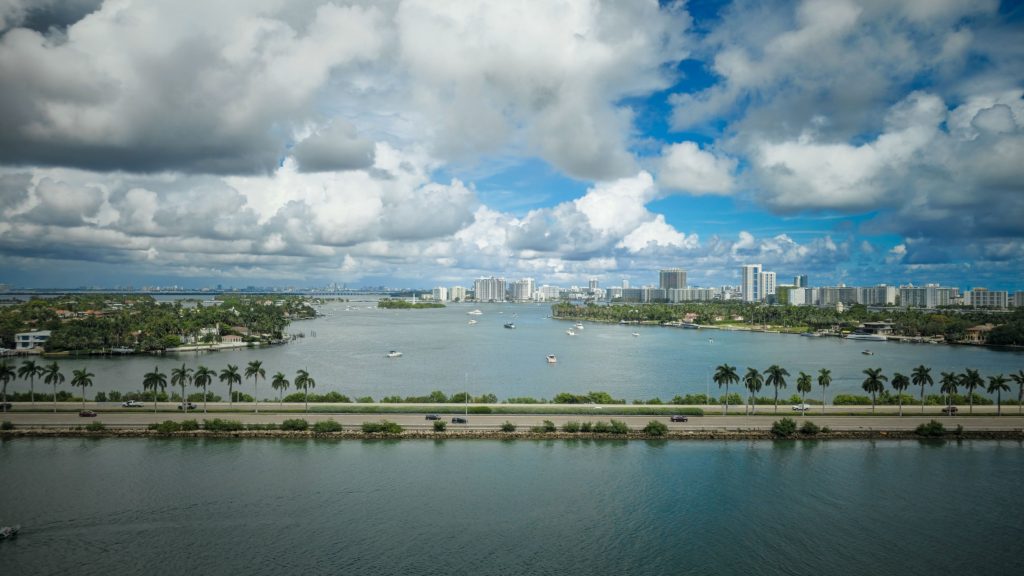
South Florida’s calendar has long followed the weather. Once summer humidity breaks, seasonal residents return from the North and charity galas begin filling ballrooms across the region. Coverage of this period tends to center on the busiest venues and the longest guest lists. Smaller waterfront towns experience the same season at a different volume. Bay Harbor Islands in Miami offers one of the clearest examples of that contrast. This two-island town welcomes winter with fuller restaurants and livelier sidewalks, yet its residential calm stays intact through the busiest months. Life there simply moves at a gentler pace than the headlines suggest. Here is how the quieter side of the season unfolds.
When Miami’s Social Season Begins
Late fall marks the unofficial start, as cooler mornings and lower humidity make outdoor plans easy again. Seasonal residents, often called snowbirds, return to condos and second homes, and restaurants extend their hours to match the demand. Momentum builds toward early December, when Art Basel Miami Beach and its satellite fairs draw collectors and gallerists from around the world. Holiday weeks bring another wave of visitors, followed by a steady run of galas and benefit dinners through the winter months. Activity usually stays strong into spring before tapering off as the heat returns. For visitors, this window offers the most comfortable weather of the year along with the fullest event calendar. It also means higher demand for reservations and tables across the region. Planning ahead becomes part of the experience, especially for travelers hoping to attend headline events or dine at popular restaurants on weekend nights.
A Two-Island Town Built on a Small Scale
Developer Shepard Broad purchased two undeveloped mangrove islands off 96th Street in 1945, and the town was incorporated two years later. Broad served as its first mayor for 26 consecutive years, guiding the community through its early growth. His original zoning vision still defines the layout today. West Island remains reserved for single-family homes, while East Island holds multifamily buildings along with the business district. The Shepard Broad Causeway, opened in 1951, links the town to the mainland, and a short bridge to the east connects it with Bal Harbour and Surfside. Just under 6,000 people call the town home. That modest population keeps traffic light and sidewalks friendly, even at the height of the season. Visitors notice the difference within their first walk around town. Streets feel residential, and walking replaces driving for most errands. Waterfront views also appear around nearly every corner of both islands.
Kane Concourse as the Island’s Main Street
Running across the southern portion of both islands, this boulevard serves as the town’s only major artery and its social center. It carries traffic from the causeway toward the beaches while hosting a lineup of shops and restaurants along the way. During the season, outdoor tables fill early and stay busy late into the evening. Casual dinners and coffee meetups give residents a reason to linger, and visitors often find the atmosphere more relaxed than in larger shopping districts nearby. Most businesses sit within an easy walk of each other. That compact setup makes it simple to browse a boutique and stay for dinner without moving the car. Parking is available in several municipal lots, though spaces fill faster during peak months. Weekday evenings tend to offer the most relaxed experience. On those nights, the street feels less like a destination and more like a neighborhood gathering place.
Waterfront Mornings Along the Bay
Early hours may be the most rewarding time to experience the town during the busy season. Biscayne Bay wraps around both islands, and the water often sits calm and glassy before the afternoon breeze picks up. Residents walk dogs along quiet streets, while cyclists head over the causeway for a ride before work. Morning light settles softly over the bay, with the mainland skyline visible across the water. Coffee shops along the main corridor open early, giving walkers a place to pause after a loop around the island. Mornings also bring a sense of community that larger destinations rarely offer, with neighbors greeting each other by name. Visitors can join the rhythm easily by setting out on foot without a fixed plan. A slow walk followed by breakfast near the water offers a welcome contrast to the late nights that define so much of the social calendar.
Easy Reach of the Season’s Bigger Events
Location gives the town a practical advantage during the busiest months. Bal Harbour sits just across Indian Creek, with its luxury shopping and wide beachfront. Surfside’s quiet beach lies within a short walk, and central Miami Beach is roughly a 20 minute drive south, traffic permitting. Visitors can spend an evening at a major gala or art fair and still return to a calm residential setting afterward. Rideshare trips stay short, and some guests skip driving entirely to avoid parking hassles near crowded venues. This balance appeals to seasonal residents who want access to the excitement without living in the middle of it. It also suits travelers attending specific events rather than chasing nightlife every evening. Planning around this rhythm, with busy evenings followed by slow mornings, often makes the season more enjoyable. It also helps visitors save energy for the events that interest them most.
Miami’s social season rewards people who know how to pace themselves. Headline events bring energy and global attention, yet they tend to move at a speed few visitors can sustain for weeks. Smaller towns along the bay offer a counterweight, letting the season unfold through long breakfasts and quiet walks. Bay Harbor Islands shows how that balance works in practice. Its scale keeps daily life manageable, while its location keeps the larger calendar within easy reach.
Author

Written by
Recent Posts
6 Ways Historic Locations Are Creating New Hospitality Opportunities
Bay Harbor Islands and the Quiet Side of Miami Social Season
How a Credit Union Debt Consolidation Loan Combines All Your Payments Into One
The 10 Best Prom Dress Brands and the Strategies Behind Their Popularity
Roof Replacement Permits in Santa Clara: What Homeowners Should Expect
Categories
- Art
- Articles
- Business of Luxury
- Celebrities
- Culture
- Entertainment
- Events
- Faces of Summer 2026
- Fashion
- Fashion & Style
- Featured
- Finance
- Food, Spirits, Wine
- Hamptons
- Hamptons Celebrities
- Health
- Health & Beauty
- Lifestyle
- Luxury Lifestyle
- Press
- Profiles
- Real Estate
- Technology
- The Chronicles
- Travel
- Uncategorized
- Weddings