
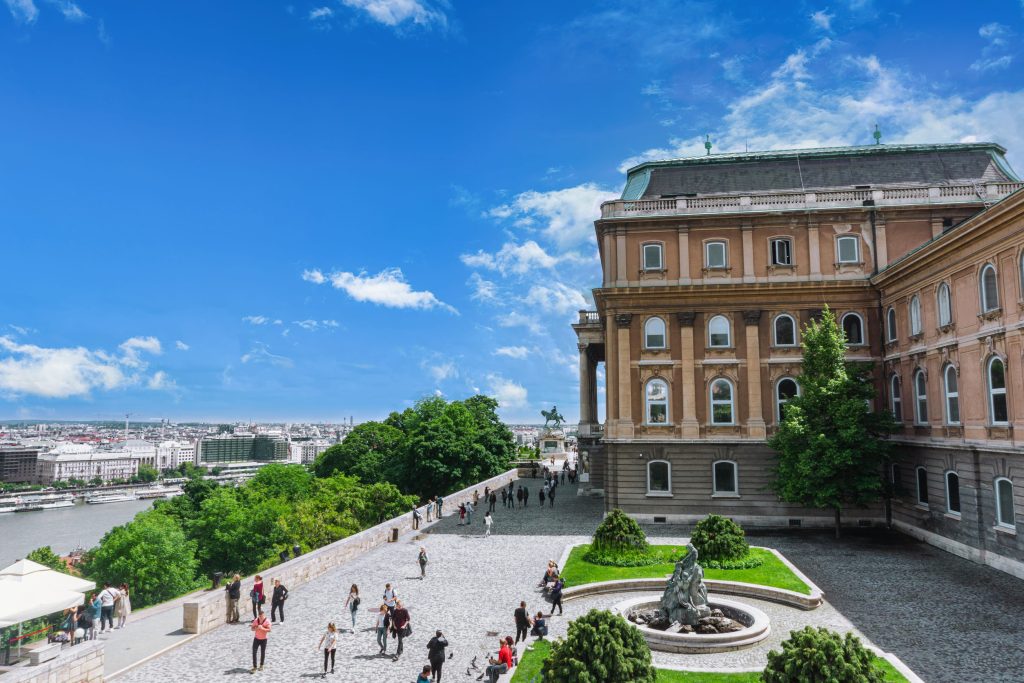
A tucked-away courtyard, centuries-old masonry and a doorway worn smooth by generations of visitors can give a venue a character no new interior can replicate. In Budapest’s Castle District, Pierrot demonstrates how a building with a long history can become part of the city’s contemporary dining scene. Across the hospitality industry, thoughtful reuse is creating new opportunities for restaurants, hotels and event spaces.
Turning unused properties into destinations
Former workshops, townhouses and industrial buildings can find a second life as places to eat, drink or stay. Their original proportions and materials offer a ready-made identity, reducing the need for elaborate decorative themes. Retaining old brickwork, timber beams or carefully restored windows can make the architecture itself the attraction. The challenge is to introduce modern kitchens, accessibility and guest facilities while respecting the structure.
Giving guests a story to step into
A memorable venue offers more than good service: it connects people to its surroundings. At a Buda castle restaurant such as Pierrot, the architecture becomes part of the meal. Set on Fortuna Street in a building associated with a medieval bakery, it offers an intimate atmosphere that complements the Castle District’s winding lanes. Guests can explore the neighbourhood before dinner, then settle into surroundings that feel rooted in the place rather than designed to imitate it.
Reimagining regional food traditions
Historic venues are natural homes for contemporary interpretations of local cuisine. Familiar recipes can appear alongside seasonal ingredients and modern presentations, introducing international guests to a region’s flavours without freezing its food culture in time. A menu inspired by its surroundings works best when the connection is genuine: a thoughtful dish tells more about local traditions than an interior filled with nostalgic props. Such an approach also gives returning diners something new to discover.
Creating characterful event spaces
From milestone birthdays to small wedding receptions, intimate celebrations benefit from unusual surroundings. A garden enclosed by old walls or a dining room with original architectural details can provide a sense of occasion without extravagant decoration. These properties may have limits on capacity, access or sound, so careful event planning matters. When the format suits the building, its character becomes an asset rather than a constraint.
Bringing more life to historic neighbourhoods
A restaurant or boutique hotel can encourage visitors to spend time beyond the main attractions. Someone arriving for dinner might discover an independent gallery, stop at a nearby shop or return the next day to explore a quieter street. Local suppliers and neighbouring businesses can benefit when hospitality venues draw people into an area throughout the day. The greatest opportunity lies in becoming part of the neighbourhood, not simply trading on its famous address.
Making preservation economically viable
Adaptive reuse can help finance the continuing care of older buildings. Regular occupation creates reasons to maintain roofs, interiors and services, while revenue can contribute to repairs. It also brings responsibilities: alterations must respect conservation requirements, and historic fabric cannot always accommodate a modern venue’s every ambition. For a Buda castle restaurant, that balance between practical use and architectural heritage is central to its appeal. At Pierrot, the building’s earlier life remains part of an experience designed for today.
Author

Written by
Recent Posts
Solving Desk Posture Strain: Features to Look for in Executive Massage Workseats
6 Ways Historic Locations Are Creating New Hospitality Opportunities
Bay Harbor Islands and the Quiet Side of Miami Social Season
How a Credit Union Debt Consolidation Loan Combines All Your Payments Into One
The 10 Best Prom Dress Brands and the Strategies Behind Their Popularity
Categories
- Art
- Articles
- Business of Luxury
- Celebrities
- Culture
- Entertainment
- Events
- Faces of Summer 2026
- Fashion
- Fashion & Style
- Featured
- Finance
- Food, Spirits, Wine
- Hamptons
- Hamptons Celebrities
- Health
- Health & Beauty
- Lifestyle
- Luxury Lifestyle
- Press
- Profiles
- Real Estate
- Technology
- The Chronicles
- Travel
- Uncategorized
- Weddings