
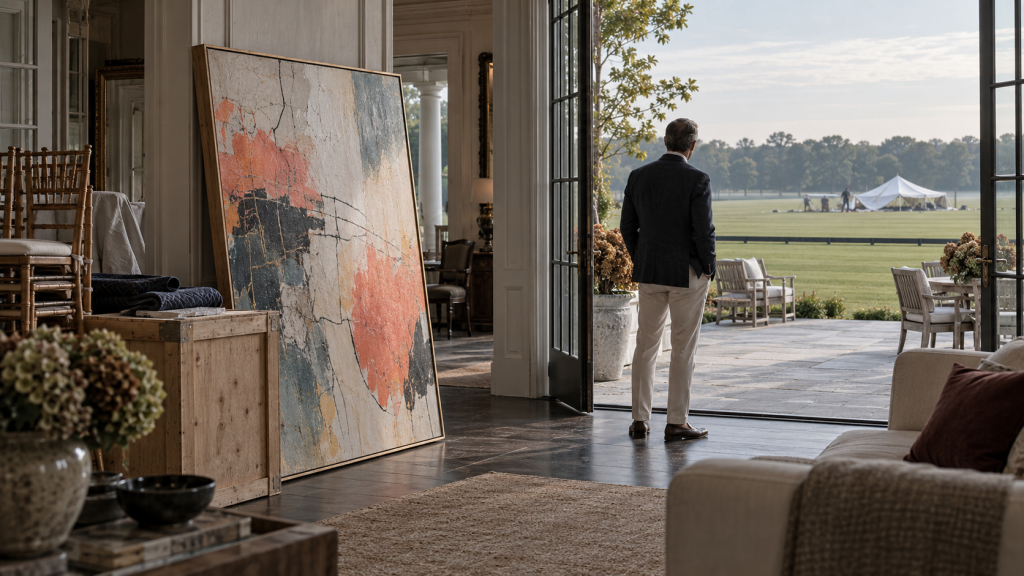
The tent is still up. The sponsor board is still lit. Someone wants a photograph with the installation before the crew takes the walls. By morning the object has no job. That is not a tragedy. That is a contract that expired on time.
When the designer writes the brief, the market votes in April. At polo the market votes in public. Calendar first. Camera second. Work third.
What the Cabana Is For
Polo Hamptons runs on a known machine: a four-figure guest list, corporate cabanas, sponsors, issue-launch parties in private estates. Art that appears inside that machine is doing activation work. It marks a territory and gives a brand a surface that is not a step-and-repeat. It gives a magazine a frame that is not a bottle.
None of that requires a veto. It requires delivery, weather sense, and a photograph that can travel. Calling it a collection insults both the collection and the activation.
| Object | Answers to | Survives Labor Day? |
|---|---|---|
| Cabana commission | Sponsor + tent | No |
| Estate launch backdrop | Issue date | Rarely |
| Work bought after the match because it refused the tent | The work | Yes |
| Specified interior timed to the same weekend | Plaster + guests | As décor |
The rare good outcome is the third row. Someone sees a piece that would not behave for the brief and writes a check after the calendar is done. That is money following. Cash it. The pillar already said so.
Decoder
- If the work cannot survive the tent coming down, the calendar voted.
- If the first success metric is a photograph, you built media, not a collection.
- If a sponsor can kill a mark, you are in the artisan column. Pay it like a job.
The Machine the Object Enters
Polo Hamptons is a known machine: a large guest list, corporate cabanas, sponsors, issue-launch parties in private estates. Art that appears inside that machine marks territory. It gives a brand a surface that is not a step-and-repeat. It gives a magazine a frame that is not a bottle. None of that requires a veto. It requires delivery, weather sense, and a photograph that can travel.
Calling the result a collection insults both the collection and the activation. Activations are allowed. Myths about activations are expensive.
Sunday evening the piece is already in the past tense. The tent is still up. Someone wants a photograph before the crew takes the walls. By morning the object has no job. That is a contract that expired on time.
When Something Escapes the Tent
The rare good outcome is a work that would not behave for the brief and gets a check after the calendar is done. That is money following. Cash it. Most objects never get that second life. They were sized to a bay in a cabana. They look stranded in a winter living room because they were never asked to live there.
Sponsors who want a winter life for the work should buy after the match, not specify before it. Specifying before it is media. Buying after it is closer to collecting.
Staff, Weather, and Liability
These jobs also include wind, wet grass, power drops, and a Saturday crowd that will lean on a plinth. Artisan excellence here looks like engineering. Pay for engineering. Do not dress the invoice as patronage because the crowd was dressed well.
Issue-launch parties in private estates run a softer version of the same clock. The house is the tent. The issue date is Labor Day’s cousin. If the work is gone when the issue is off the coffee table, you know which master it served.
FAQ
Can activation art become a collection? After the tent, if someone writes a new check with no date attached.
Should brands stop commissioning weekend work? No. They should stop using collection language on a media buy.
What is the photograph for? Proof the activation happened. It is not provenance in Hyde’s sense.
After the Trucks Leave
Monday morning on the field is the truth serum. Grass torn. Cable covers. A plinth in a pile. The object, if it is still on site, looks like what it was: an element in a temporary city. That city was real. It employed people and served brands. It does not owe anyone a winter myth.
Collectors who attend every year start to recognize repeat vendors the way they recognize repeat tents. Familiarity is not a collection. It is a roster.
If you want this world to fund actual studios, write a second check in September with no date and no photograph requirement. That split — media in July, patronage in September — is the only clean version of the weekend.
Corporate cabanas will keep asking for walls. Give them walls. Give the walls a contract that expires. Put the expiration in the deck so nobody has to pretend in October.
Contracts Worth Putting in Writing
State the strike date, whether the work returns to the studio, the sponsor, or a sale list, whether images can live past the weekend. State whether the maker keeps a veto on crop and caption. Weekend jobs go wrong when those lines are smiles instead of sentences.
If a brand wants a winter exhibition of the same work, that is a second contract. Price it. Do not treat leftover activation inventory as a gift to the magazine or the house. Leftovers are inventory.
Guests will ask who made the piece in the cabana. Have an answer that includes the contract type. Artist weekend. Artisan weekend. Media weekend. The answer educates the only audience that matters: the next person who might write a September check.
What the Magazine Owes the Weekend
Social Life lives inside this machine. That is not a confession to whisper. It is a reason to keep the contracts clean. Pages can show a cabana wall without calling it a collection. Sponsors can get a photograph without getting a myth. Makers can get paid on time without being asked to pretend the tent was a museum.
Labor Day is useful because it ends. Endings make honesty cheaper. Use the ending. Strike the set. Write the September check if one is deserved. Leave the rest in the past tense where it belongs.
A winter issue that reprints the weekend as if the objects had become a collection is doing the reader a disservice. Reprint the party as a party. Save collection language for work that survived the trucks.
Why This Spoke Exists
The weekend is this magazine’s house. Honesty about tents is not hostility to tents. It is how you keep July from rewriting September. Activation is a craft. Collection is a veto. Labor Day is the line between them.
Short answers
Who owns the weekend image? Write it down. Who stores the object in September? Write it down. Who gets the next check if the work escapes the tent? Write it down.
One more Monday
Drive past the field when the rental trucks are gone. The emptiness is the contract completed. Anything you still want from that weekend has to be renegotiated in a different voice. Use a different voice. Do not drag July grammar into a winter invoice. The grass will grow back. The myth should not.
The field will fill again next year. That recurrence is not a reason to blur contracts. Recurrence is a reason to write better ones. Better ones expire on purpose.
This page is part of the Same Hands cluster. Read the pillar first if you landed here from search. Then come back and apply the test in a real room this week, not in theory.
The weekend is allowed to be a weekend. That permission is the whole point of an expiration date.
<p>Keep the party. Keep the photographs. Keep the checks. Leave the myth in the grass.
The CassWorld Take
Seasonal objects are allowed. Seasonal myths are expensive. Brands and studios that want the activation without pretending it is patronage can reach Social Life at the contact page or submit a paid feature; Polo Hamptons 2026 is the room, the email list and print subscription are how you stay in it after the tent comes down. Written by CassWorld. Cass Almendral is Head of Business Development at Social Life Magazine and Co-Founder of Polo Hamptons. Reach editorial at [email protected].
Author

Written by
Recent Posts

Sculpting Chic

Inside the Year-Round Hot Yoga Spot Quietly Becoming the Hamptons’ Real Club
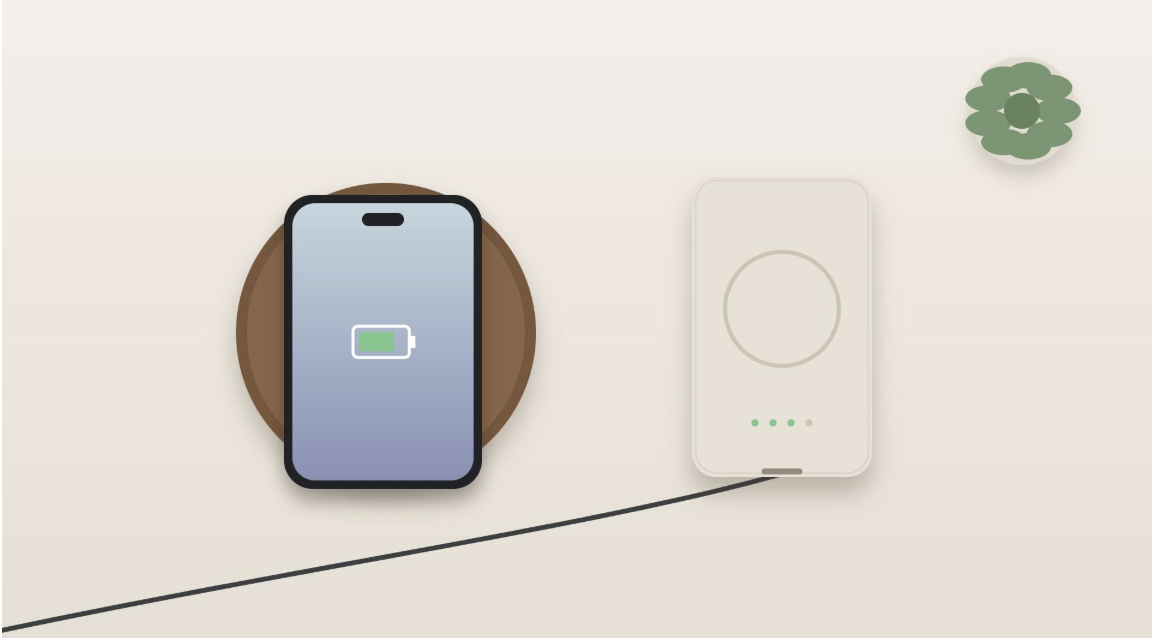
How to Choose Useful Tech Gifts for Employees and Clients in 2026
The Garage Question: Which Car Goes South for the Season?
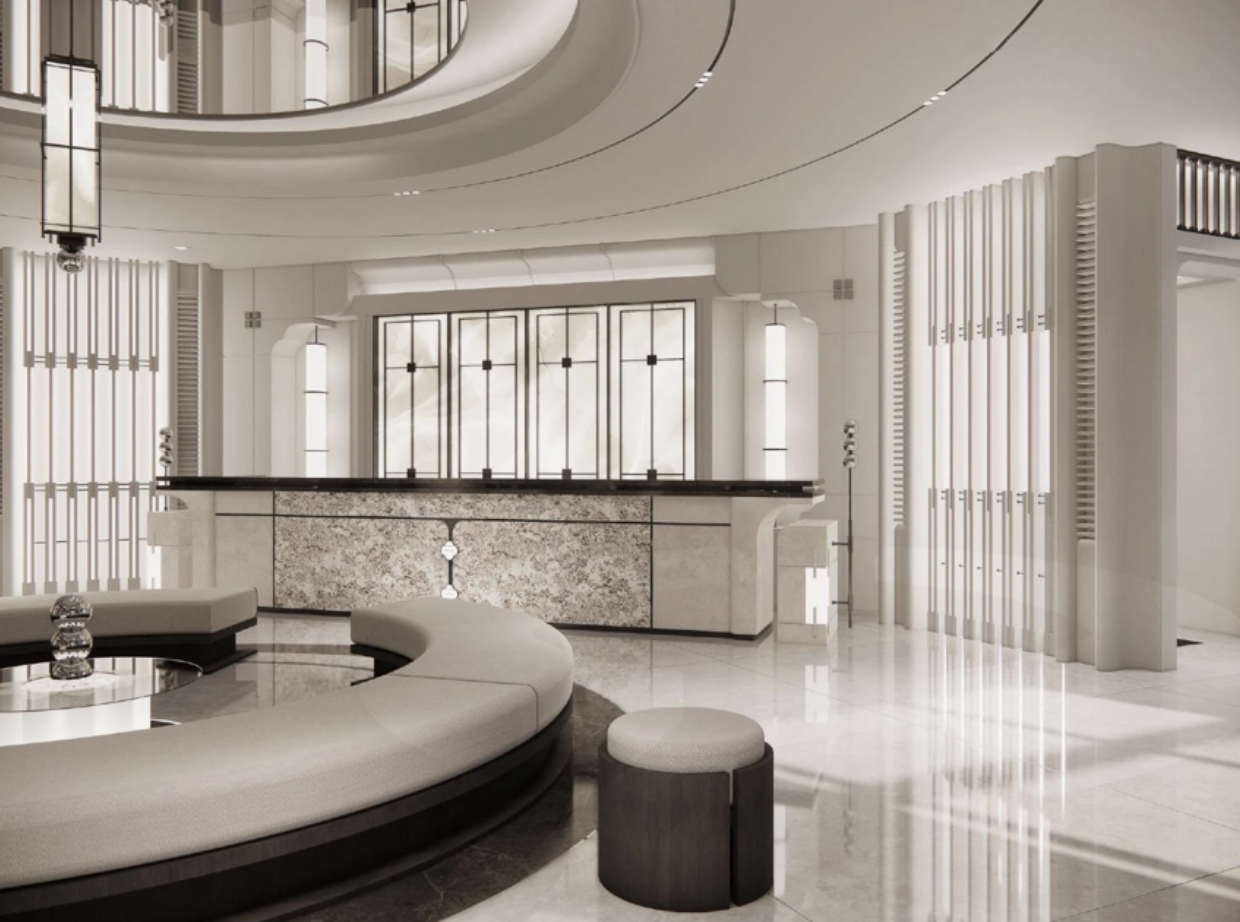
VandS Clinic Review Treatment: How Seoul Injectable and Laser Options Compare for US Patients
Categories
- Art
- Articles
- Business of Luxury
- Celebrities
- Culture
- Entertainment
- Events
- Faces of Summer 2026
- Fashion
- Fashion & Style
- Featured
- Finance
- Food, Spirits, Wine
- Hamptons
- Hamptons Celebrities
- Health
- Health & Beauty
- Lifestyle
- Luxury Lifestyle
- Press
- Profiles
- Real Estate
- Technology
- The Chronicles
- Travel
- Uncategorized
- Weddings