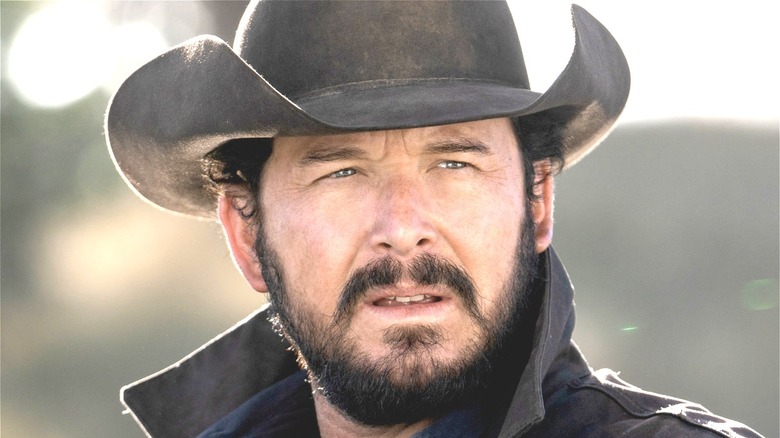
His mother started Warner Sisters in 1990 to retell the family story Hollywood had erased. The Cole Hauser net worth conversation begins in that act of corrective entrepreneurship, because his great-grandfather Harry Warner had co-founded Warner Bros. in 1923 alongside his three brothers, and the family’s ownership stake had been quietly diluted across the decades that followed. By the time Cass Warner Sperling Hauser launched her own production company at age 41 to document her family’s actual history, her son Cole was 15 years old and watching the operation from the inside.
The lesson he absorbed from his mother’s project would later shape every contract he negotiated. Hollywood would always tell the version of the story the studio wanted told. Anyone who wanted a different version would have to fund it themselves. That insight, internalized at 15, would later explain why a working actor with thirty supporting credits across three decades suddenly demanded $1.25 million per episode for the Yellowstone spinoff and walked away from the negotiating table when Paramount’s first offer came in below his number.
By early 2026, the Cole Hauser net worth had climbed to approximately $10 million per Celebrity Net Worth, anchored across a $5.4 million Stuart, Florida waterfront estate and a Yellowstone catalog that continues compounding through Paramount streaming distribution. He earned $700,000 per episode in Season 5, generating approximately $9.8 million from that single season alone. Math is the asset. Patience produced it. Architecture is what compounded.
The Santa Barbara Kid With Three Generations Of Hollywood DNA
Cole Kenneth Hauser was born March 22, 1975 in Santa Barbara, California. His parents were already separated by the time he turned three, and the financial architecture of his early childhood ran through the gap between his mother’s Warner family heritage and his father’s working-actor reality. The family ledger looked impressive on paper. The actual cash flow was inconsistent.
His father Wings Hauser worked as a journeyman character actor across television and film, earning Independent Spirit Award nominations without ever quite breaking into the leading-man tier. Grandfather Dwight Hauser had written radio dramas across the 1940s and 1950s before transitioning into television writing in the early 1960s. On the maternal side, Milton Sperling produced more than 50 films across his Warner Bros. career, earning two Academy Award nominations and managing significant production credits across the studio’s mid-century era. His great-grandfather Harry M. Warner had co-founded Warner Bros. with his three brothers in 1923.
The family architecture was three generations deep before Cole was born. The Cole Hauser net worth at age zero was nominally privileged through name recognition and structurally precarious through the diluted Warner ownership stakes that subsequent generations had inherited only fractionally. He grew up understanding, before he could read industry trade publications, that Hollywood lineage was a brand asset rather than a balance sheet position.
His parents divorced when he was three. His mother kept primary custody and raised him across Santa Barbara and Los Angeles through his adolescence. Wings Hauser remained present but inconsistent, the kind of paternal architecture that would later inform his most committed screen performances. The wound was structural rather than acute. What it produced was working knowledge that the family name opened doors but did not pay rent.
The High School Dropout Who Bet On Acting At 16
Hauser attended Santa Barbara Junior High and later transferred to schools in Los Angeles as his mother’s career took her closer to the studios. By 16 he had decided that formal education was not the path. He dropped out of high school. His mother supported the decision because she had watched her own father’s career and understood that conservatory training was not the only legitimate way to enter the profession.
The early auditioning years ran from 1991 through 1992. He took every reading he could secure. He read for soap operas, after-school specials, regional theater productions. The work paid scale wages when it paid at all. Hauser’s pre-acting financial profile during this period consisted of his mother’s intermittent production income plus occasional family lending from extended Warner relatives, a structure that should have produced a comfortable safety net but did not because the Warner family ownership had been so heavily diluted across three generations of subsequent distribution.
His first major audition came for Robert Mandel’s School Ties in 1992. The production cast Hauser as Jack Connors alongside Brendan Fraser, Matt Damon, Chris O’Donnell, Ben Affleck, and Anthony Rapp. A prep-school period drama set in 1955 New England, the film examined anti-Semitism among American boarding-school elite. The role required Hauser to play the entitled WASP foil to Fraser’s Jewish protagonist, and the performance established the screen presence that would later define his career.
Pat O’Connor’s School Ties grossed $14.7 million on a $14 million budget. The film performed modestly. The cast architecture would later compound. Damon and Affleck would build the Good Will Hunting screenplay across the subsequent four years and offer Hauser a supporting role in the 1997 production. The friendship was the asset.
Dazed And Confused, Good Will Hunting, And The Decade Of Steady Work
Cole Hauser Dazed & Confused
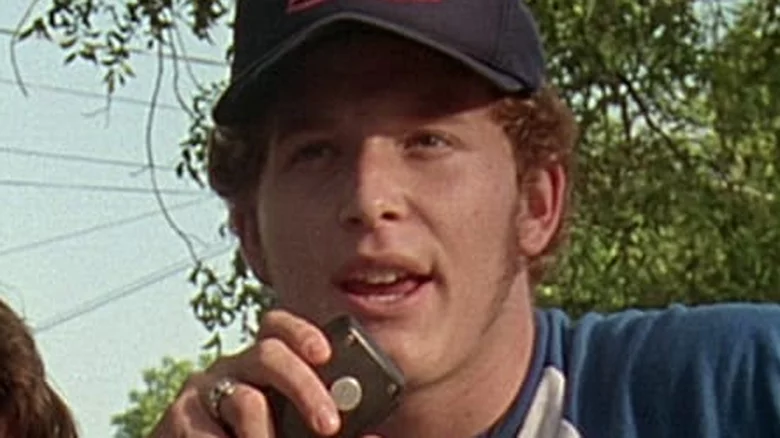
Richard Linklater cast Hauser in Dazed and Confused in 1993. The film was the writer-director’s second feature and marked his transition from Slacker indie territory toward the ensemble-driven coming-of-age work that would later define his career. Hauser played Benny O’Donnell, the high school football team senior whose hazing of incoming freshmen forms one of the film’s central comedic threads.
The production paid scale wages plus minor backend participation. The film grossed $8 million on a $7 million budget, modest commercial returns that did not capture the cultural impact. Dazed and Confused became the canonical 1990s nostalgia text for a generation that had grown up on 1970s American suburban summers, and Hauser’s performance has been studied across film schools for thirty years.
Damon and Affleck honored their commitment to him. Hauser appeared in Good Will Hunting in 1997 as Billy McBride, the supporting role that placed him in the same room as Robin Williams through the bar scenes that anchor the film’s first act. The film grossed $225 million worldwide on a $10 million budget and won two Academy Awards. Hauser’s compensation was approximately $50,000 for two weeks of principal photography, the kind of supporting-actor scale that defined his entire 1990s working pattern.
What the early career taught him was the lesson he would later apply with surgical precision to the Yellowstone negotiation. Supporting work for filmmakers he respected was the foundation. Loud commercial credits without artistic integrity were the trap. Hauser turned down multiple network television series across the late 1990s and early 2000s because the material did not match his ambitions, and the patience he displayed during that decade became the architecture that would eventually pay off when Taylor Sheridan called in 2017.
Tigerland, Pitch Black, And The 2 Fast 2 Furious Money
Joel Schumacher cast Hauser in Tigerland in 2000 as Sergeant Jim Paxton, the Vietnam War recruit whose narration anchors the entire production. The film was a Sundance Film Festival selection that earned Hauser an Independent Spirit Award nomination for Best Supporting Male, the first major industry recognition of his work. The role required Hauser to carry significant dramatic weight opposite Colin Farrell, who was making his American screen debut in the same picture.
David Twohy’s Pitch Black followed the same year. The film grossed $53 million on a $23 million budget and launched the Riddick franchise that would later compound across multiple sequels. Hauser played William J. Johns, the bounty hunter whose moral ambiguity provides the film’s central dramatic tension. His compensation reached approximately $200,000, the first six-figure principal role of his career.
Cole Hauser 2 fast 2 furious
John Singleton’s 2 Fast 2 Furious in 2003 represented the first commercial inflection point of the Cole Hauser net worth architecture. Hauser played Carter Verone, the Argentine drug lord whose criminal organization drives the film’s central plot. His fee reached approximately $1 million plus minor backend participation. The film grossed $236 million worldwide on a $76 million budget, generating his first significant residual income stream.
The 2 Fast 2 Furious paycheck did not transform his career. It funded the next decade of selective project choices. Hauser used the cash position to refuse network television series that did not interest him and to take supporting roles in independent productions that paid less than scale but built his reputation among the directors who would later cast him in the projects that defined his maturity.
The Lost Decade Between 2 Fast And Yellowstone
Between 2003 and 2017, Hauser worked steadily without ever recovering the commercial heat that 2 Fast 2 Furious had briefly produced. He took roles in Olympus Has Fallen, The Cave, and the FX television series Rogue, where he played Ethan Kelly across two seasons. The work paid mid-tier television and film fees. The Cole Hauser net worth across this period grew slowly but consistently, anchored by approximately $4 to $6 million in cumulative earnings by 2017.
His marriage to Cynthia Daniel anchored the personal architecture across this entire period. The two had married in 2006 after meeting through Hollywood social networks. Daniel had been a teen actress on the 1990s syndicated series Sweet Valley High alongside her identical twin Brittany before retiring from acting in 2002 to pursue photography full-time. The marriage produced three children: sons Ryland and Colt, and daughter Steely Rose.
The family relocated frequently across this period as Hauser’s project schedule required, and the financial structure remained conservative throughout. Daniel’s photography work generated additional household income that supplemented Hauser’s acting fees. Their decision to base the family in Stuart, Florida rather than Los Angeles or New York positioned them outside the conventional Hollywood social architecture, a deliberate choice that traced back to Hauser’s own family experience watching his parents’ marriage collapse under industry pressure.
What the lost decade prepared him for was the patience that would later define the Yellowstone negotiation. Hauser had spent fourteen years working at scale-tier compensation. He had absorbed the lesson that consistency mattered more than spectacle, and the lesson would later compound when Taylor Sheridan offered him the Rip Wheeler role at age 42.
Yellowstone And The Rip Wheeler Hair Dye
Cole Hauser Rip Wheeler
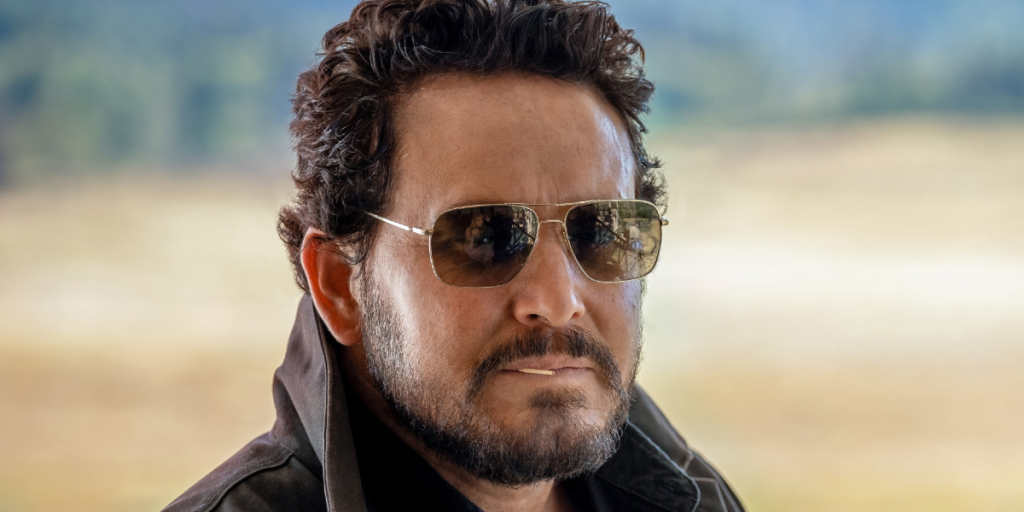
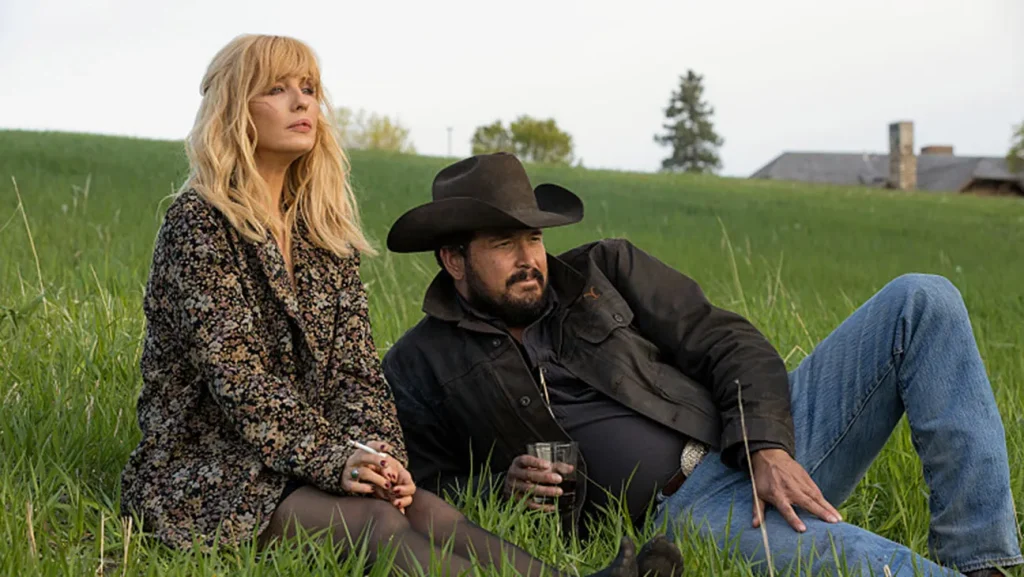
Sheridan pitched Hauser the role of Rip Wheeler in 2017. The audition required Hauser to dye his naturally red hair black before the screen test, because Sheridan had already cast Kelly Reilly as Beth Dutton and the production needed to differentiate the two redheads who would later become the show’s central romantic pairing. Hauser executed the hair-dye transformation immediately, a gesture that signaled to Sheridan the kind of professional flexibility that defined the rest of his Yellowstone tenure.
The series premiered on the Paramount Network in June 2018. Hauser earned approximately $200,000 per episode in Season 1, the standard ensemble rate that the entire Yellowstone cast received in the show’s debut season. Across five seasons of escalating popularity, his rate climbed steadily. By Season 2 the figure had reached approximately $300,000 per episode. Season 3 escalated to approximately $450,000. The Season 4 rate climbed to approximately $600,000. Season 5 closed at approximately $700,000 per episode across 14 episodes, generating roughly $9.8 million in upfront compensation from that single season alone.
The $1.25M Spinoff Demand
The 2024 negotiation for the planned Beth-and-Rip spinoff series became the most consequential financial decision of his career. Hauser, alongside Reilly, demanded approximately $1.25 million per episode from Paramount, citing the documented audience demand for their character pairing and the broader Yellowstone universe revenue the spinoff would generate. The negotiation produced a temporary impasse in early 2024 before resolving in May with terms not publicly disclosed, though industry estimates place his eventual rate at approximately $1 million per episode.
What the Yellowstone arc proved structurally was the same lesson Kelly Reilly’s career architecture demonstrated alongside him. Late-bloom television wealth compounds faster than salary plateaus when the character pairing generates standalone audience demand. Reilly was 41 when Yellowstone premiered. Hauser was 43. Their combined late-arrival to commercial visibility became the leverage that produced the Beth-and-Rip spinoff negotiation in 2024, and the structure they secured will define their respective net worth trajectories across the next decade.
Free Rein Coffee And The Bosque Ranch Lawsuit
Hauser launched Free Rein Coffee Company in October 2023. The brand emerged from his on-set Yellowstone routine, where he had begun roasting his own coffee across the production breaks at the Montana ranch locations. Its launch positioning emphasized connection to ranching culture, support for Special Operations Warrior Foundation (where Hauser serves as a board member), and differentiation from the celebrity-coffee category that had become saturated across the 2010s and 2020s.
The launch coincided with one of the most unusual celebrity-on-celebrity legal disputes in modern Hollywood. On November 21, 2023, Taylor Sheridan’s Bosque Ranch Headquarters LLC sued Free Rein Coffee Company for trademark infringement, alleging that the Free Rein logo design copied Bosque Ranch’s existing trademark elements. The lawsuit sought permanent damages under Texas law and the federal Lanham Act. Sheridan’s legal team requested dismissal of the case approximately one month later, and the dispute resolved without public terms or financial settlement disclosed.
The Free Rein revenue contribution to the Cole Hauser net worth has not been publicly disclosed, but industry estimates suggest the company generates approximately $1 to $2 million annually in additional household income. The brand expanded into Walmart distribution across 2024 and 2025, and its retail footprint has grown steadily as the Yellowstone audience has converted into Free Rein customers.
What the Free Rein launch demonstrated structurally was the kind of celebrity-brand architecture that George Clooney executed with Casamigos a decade earlier. Clooney built tequila ownership into a $1 billion exit through Diageo. Hauser is building coffee ownership into something significantly smaller in absolute dollar terms but similarly structured in equity-vs-salary architecture. The lesson is the same. Salary plateaus. Ownership compounds. Hauser internalized the lesson and acted on it before his Yellowstone leverage peaked.
The $5.4 Million Stuart Florida Estate
Hauser purchased his Stuart, Florida estate in July 2021. The property sits on St. Lucie River in Sewall’s Point, the exclusive enclave on Florida’s Treasure Coast approximately two hours north of Miami. A 6,942 square-foot residence built in 1996, the home features five bedrooms, six bathrooms, 20-foot ceilings, a wine cellar, two elevators, separate guest quarters, and 135 feet of waterfront with deep-water docking. Acquisition cost in 2021 reached approximately $5.4 million.
The Florida relocation reflected the same logic that had shaped the family’s earlier housing decisions across his marriage to Daniel. Stuart placed them outside the conventional Hollywood social orbit while remaining accessible to Atlanta, New Orleans, and Miami production hubs. Deep-water docking gave Hauser access to the boating culture that had become one of his defining personal interests across his Yellowstone era.
His Cole Hauser net worth real estate concentration in the Stuart property represents approximately 50% of his total estate at $10 million conservative valuation. The structure mirrors the patterns documented in Social Life Magazine’s analysis of celebrity wealth versus dynasty wealth, where mid-tier Hollywood actors typically concentrate 40 to 60% of their net worth in primary residence equity rather than diversified investment positions.
His decision to invest the post-Yellowstone proceeds primarily in real estate rather than in liquid investments traces back to the family architecture he had absorbed across three generations. Warner Bros. ancestors had concentrated their wealth in studio ownership stakes that had subsequently been diluted. His grandfather Milton Sperling had concentrated his wealth in real estate that had compounded across decades. That grandfather’s strategy was the one Hauser chose to replicate.
The Father He Lost In Early 2025
Wings Hauser died in early 2025. His relationship with Cole had been complicated across the entire life of his son, structured by the parental separation when Cole was three and the inconsistent paternal presence that followed. Wings had built a journeyman character actor career across the 1980s and 1990s that earned him professional respect without ever generating the leading-man status his more famous son would eventually achieve.
Multiple industry reports following Wings’s death suggested that Cole did not inherit significant assets from his father’s estate. The detail is structurally consequential for understanding the Cole Hauser net worth architecture. His financial position has been built almost entirely through his own earnings rather than through family inheritance, despite the impressive Hollywood lineage on both sides of his family tree. Wings’s father Dwight Hauser had similarly worked at journeyman compensation across his television-writing career, and the family wealth had concentrated across his maternal Warner-Sperling lineage rather than his paternal Hauser lineage.
The Persist Until You Succeed Lesson
Cole had honored his father publicly across the years preceding his death, and his interviews following Wings’s passing emphasized the persistence-in-the-business lessons Wings had imparted across his lifetime. “Persist until you succeed,” Wings had told him. “You’re gonna get knocked down in this business. You’re gonna be told no a lot, but just keep following your dreams.” The advice traced through every working-actor decade Hauser had executed before the Yellowstone breakthrough.
The structural comparison between Cole and his father runs through the entire Cole Hauser net worth conversation. Wings spent thirty years at journeyman compensation. Cole spent twenty-five years at journeyman compensation before Yellowstone tripled his rate. The breakthrough Wings never quite achieved became the breakthrough Cole did achieve. Patience to recognize the right project when it eventually arrived was the lesson the father taught the son.
The Real Cole Hauser Net Worth Math In 2026
Celebrity Net Worth lists the Cole Hauser net worth at $10 million as of early 2026. That figure reflects liquid plus moderately liquid assets and represents the most conservative public estimate available. Aggressive valuations including the Stuart estate equity, his Free Rein Coffee Company position, and his projected Beth-and-Rip spinoff compensation push the realistic 2026 figure closer to $12 to $15 million when accounting for asset appreciation and ongoing compensation events.
The compositional breakdown looks roughly like this. Real estate represents approximately $5 million in the Stuart property equity. Yellowstone cumulative compensation across five seasons reached approximately $20 to $25 million gross before agent fees, manager fees, and taxes, leaving retained capital of approximately $10 to $12 million from the show alone. Free Rein Coffee Company equity represents an additional $2 to $5 million depending on valuation methodology and recent capital structure.
Cole Hauser Kelly Reilly Yellowstone
The Beth-and-Rip spinoff will reshape the calculation entirely if the show proceeds at the negotiated rates. Industry estimates place his per-episode rate at approximately $1 million across the spinoff’s planned 30 episodes, which would generate approximately $30 million in additional gross compensation across the next two seasons. The August 2025 Netflix project with Matthew McConaughey adds another revenue stream that has not yet been quantified publicly.
His brand portfolio across Coors Banquet, Frye, and Free Rein generates additional household income that compounds outside the acting compensation. The Cole Hauser net worth structure in 2026 is, for the first time in his career, structurally diversified rather than dependent on any single acting paycheck. The patience that built it across three decades of supporting work has finally produced the leverage architecture that will define his next decade.
What He Built That Three Generations Of Hollywood Could Not Take Back
The Yellowstone catalog will outlast every spinoff negotiation, every Free Rein coffee bag, every Stuart, Florida hurricane season, and every studio regime change at Paramount. Rip Wheeler will play forever. Yellowstone will compound through streaming licensing for the next forty years. The Beth-and-Rip pairing has generated the kind of cultural permanence that Kelly Reilly’s career architecture proved possible at 41, and Hauser’s parallel late-bloom validates the same thesis at 43.
His willingness to play the supporting roles for filmmakers he respected, regardless of compensation, became the Hauser signature across two decades of pre-Yellowstone work. He took the School Ties scale fee. The Good Will Hunting friendship rate followed. Tigerland’s Independent Spirit nomination came over commercial heat. The cumulative consequence of those choices was a working-actor catalog that compounded slowly until Sheridan finally called in 2017 with the role that would justify the patience.
Most actors at 50 are managing decline. Hauser at 50 is leading a Yellowstone spinoff, executive-producing a Netflix project with Matthew McConaughey, running a coffee company that distributes through Walmart, and raising three children in a Florida waterfront estate his father never lived to see. The Cole Hauser net worth at $10 million on the public ledger and $12 to $15 million on the actual ledger represents only the first commercial inflection of a career architecture that has finally caught up with the family lineage. Three generations of Hollywood DNA. One actor who built it on his own terms.
Rip’s payday makes more sense in context. The full franchise fortune map shows what every Sheridan cast member banked.
The CassWorld Take
For Brands Reading Between The Lines
A fish does not notice the water. A reader does not notice the architecture. That is the entire point. Furthermore, it is the entire opportunity for the brand founder, fund manager, or fashion house creative director who has just read this far and is, without having fully realized it yet, about to scroll down and click one of the following links.
If you are a brand, a founder, a creative director, or an in-house marketing lead who has read this far and would like to be considered for an editorial feature in Social Life Magazine’s print or digital ecosystem, the editorial team reviews brand submissions year-round. Reach out via the Social Life editorial contact page.
Submit A Paid Feature
For Western luxury fashion houses, premium spirits portfolios, and the kind of ranch-luxury hospitality brands that recognize a Rip Wheeler aesthetic when they see one, the Submit A Paid Feature page is the fastest entry point. Our editors build the placement to fit your audience, not ours.
The 82,000-Reader Email List
Join the 82,000+ readers who receive the Social Life Magazine email digest weekly. The list reaches the affluent New York and Out East audience that drives luxury brand purchase decisions across beauty, spirits, hospitality, finance, and fashion. Sign up via the Social Life Magazine email signup form.
Polo Hamptons 2026
For brands ready to be present in front of the demographic that watches Yellowstone on Sunday nights and books a ranch retreat by Wednesday morning, Polo Hamptons 2026 is the marquee summer activation. Title sponsor BMW returns for its eighth consecutive year. Tickets, cabanas, and remaining sponsorship packages are available now.
Print Subscription
Subscribe to the print edition of Social Life Magazine and hold 23 years of Out East cultural authority in your hands. Five summer issues delivered Memorial Day through Labor Day, plus the Fall and Winter editions reaching Upper East Side doorman buildings. Print subscriptions are available at the Social Life subscription page.
Support Independent Journalism
If this article sharpened your thinking, consider supporting independent luxury journalism. Donate $5 and keep the signal clean. Buy us a coffee here.
The Cole Hauser net worth story is the rare three-generation Hollywood lineage document where the great-grandson of Warner Bros. co-founder Harry Warner built his $10 million estate without inheriting from the family fortune, took $200K per episode in Yellowstone Season 1 to prove himself, and walked into the Beth-and-Rip spinoff negotiation in 2024 demanding $1.25 million per episode because the patience had finally compounded into leverage. Print the architecture. Bookmark this page.
Written by CassWorld. Cass Almendral is Head of Business Development at Social Life Magazine and Co-Founder of Polo Hamptons. Reach editorial at [email protected].