
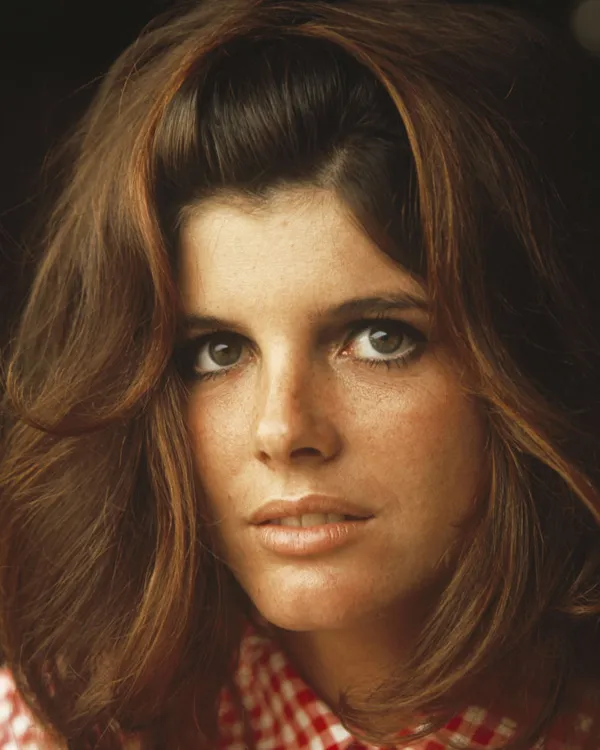
2026. Brentwood, California. Katharine Ross, 85, lives quietly in the home she has shared with husband Sam Elliott since 1996. The Katharine Ross net worth in 2026 sits at approximately $20 million. A figure built across two of the defining films of New Hollywood (The Graduate in 1967 and Butch Cassidy and the Sundance Kid in 1969). A long working-actor career that quieted in the 1980s, and a marriage to one of Hollywood’s most reliably bankable Western character actors. The fortune is real. The retreat from the industry was deliberate.
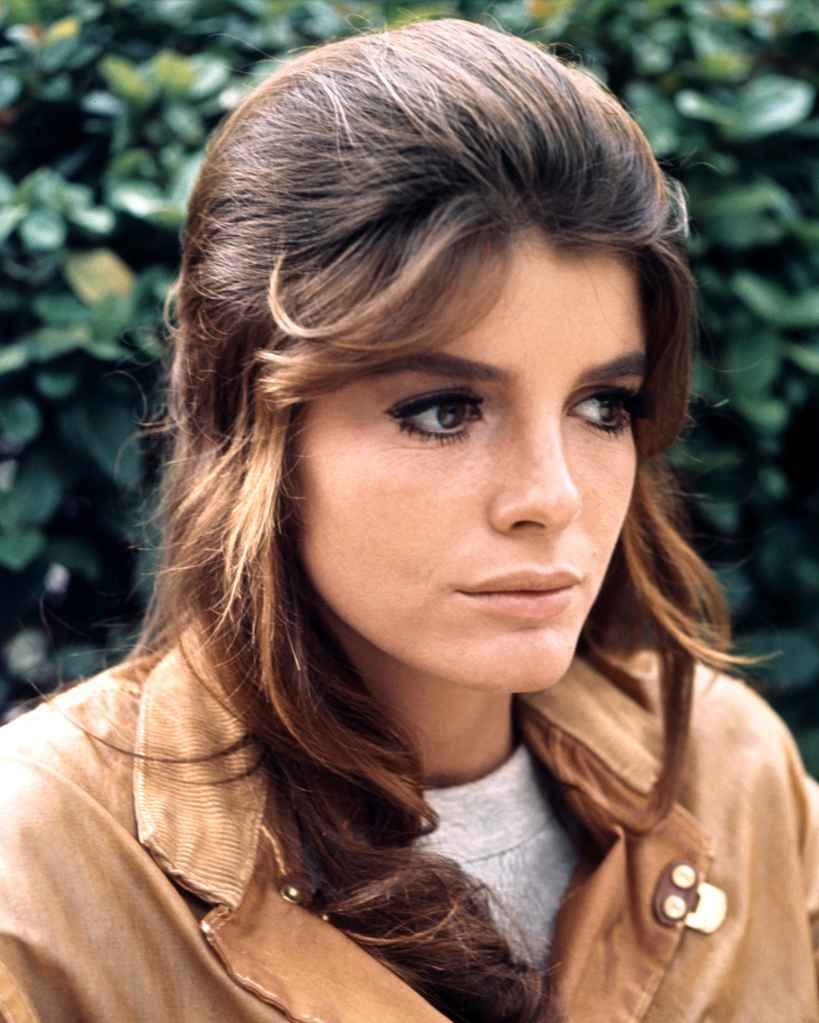
She was Elaine Robinson in The Graduate, the daughter Benjamin Braddock pursues across northern California in Mike Nichols’s 1967 generational masterpiece. Was Etta Place in Butch Cassidy and the Sundance Kid, the schoolteacher between Paul Newman‘s Butch and Robert Redford‘s Sundance, the woman who runs to Bolivia with them and leaves before the final sequence. She was Joanna Eberhart in The Stepford Wives, the Connecticut suburbanite whose paranoia turns out to be exactly correct.
The fortune was real. Retreat was the most interesting career decision of her generation.
The $20 Million Question
The headline number is $20 million. The texture is structurally specific to a certain kind of 1960s starlet trajectory.
Ross peaked financially across 1967 to 1976. The Graduate paid her $10,000, equivalent to roughly $90,000 in 2026 dollars. Butch Cassidy two years later paid her $25,000, also equivalent to approximately $200,000 in 2026 dollars. Tell Them Willie Boy Is Here in 1969, opposite Redford again, paid her $50,000. The Stepford Wives in 1975 paid her $75,000. Voyage of the Damned in 1976 paid her $100,000.
The 1980s shifted decisively away from leading roles. Ross had been outspoken in industry interviews about her dissatisfaction with the female roles available. By the time she met Sam Elliott on the set of The Legacy in 1978, she had structurally decided to quiet her career. She married Elliott in 1984. They have one daughter, Cleo Rose Elliott. The next 30 years of work was selective and small-scale.
The Brentwood property they bought in the 1990s is currently estimated at $5 million. Their Malibu beach home, sold in 2015, was at $4 million. The bulk of the Ross fortune compounded through the marriage rather than additional film income. Sam Elliott’s steady working career across the same 40 years generated household income at character-actor scale that compounded with prudent real estate management.
From Hollywood To The Graduate
Katharine Juliet Ross was born January 29, 1940, in Hollywood, California. The childhood was middle-class Catholic Los Angeles, school in San Francisco’s East Bay, a year at Santa Rosa Junior College, and an early start at the San Francisco Actor’s Workshop in the early 1960s. She moved to Los Angeles in 1962 and began booking television guest roles within two years.
The early work was in series like The Virginian, The Big Valley, and The Wild Wild West. Her first film, Shenandoah in 1965 with James Stewart, was a supporting role in a Civil War family drama. Mike Nichols cast her as Elaine in The Graduate in 1967 after she had auditioned three separate times. She was 27, playing 21. The film grossed $104 million on a $3 million budget and earned her a Best Supporting Actress Oscar nomination. She did not win. Estelle Parsons won that year for Bonnie and Clyde.
The Oscar nomination at 27 should have made her career a multi-decade leading-lady arc. The decision-making about which roles to accept across the next eight years did not produce that arc. Ross was selective in ways the industry did not always reward.
Butch Cassidy With Newman And Redford
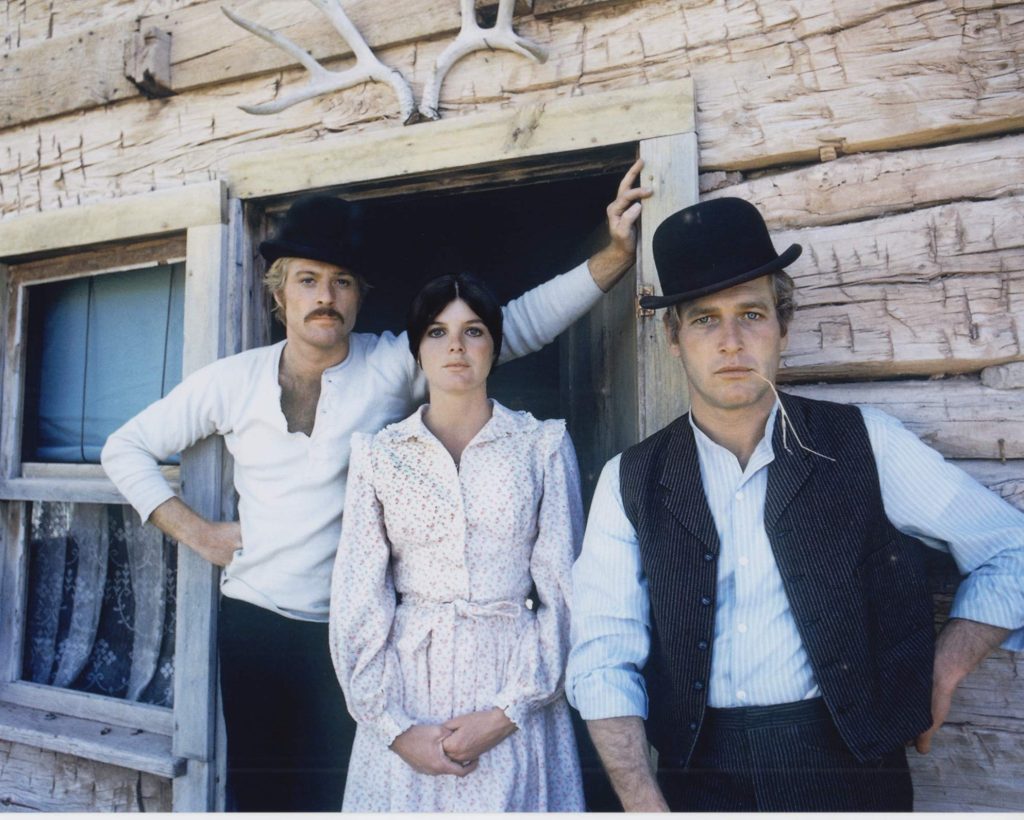
George Roy Hill cast Ross as Etta Place in Butch Cassidy and the Sundance Kid in 1969. The role was structurally specific. Etta is the schoolteacher between Butch and Sundance who runs to Bolivia with them, leaves before the final shootout, and returns to America without explanation. Ross played her with quiet intelligence that made the romantic geometry of the trio actually work.
The bicycle scene with Newman, set to Burt Bacharach’s “Raindrops Keep Fallin’ on My Head,” is the single most photographed sequence in the film. Hill shot it in one afternoon. Ross was 29. She had no riding experience but had spent a week on a Wyoming ranch before production with the trainer who taught her enough to fake the scene convincingly.
The film won four Oscars including Best Original Screenplay (William Goldman) and Best Original Song (Bacharach and Hal David). Ross did not earn a nomination. The next year she was cast as Hepburn opposite Redford again in Tell Them Willie Boy Is Here, a smaller film that paid her better but earned less critical attention. The full architecture of Redford’s six-decade career and how Butch Cassidy launched it lives in the Robert Redford net worth pillar.
The Stepford Wives And The Quiet Decision
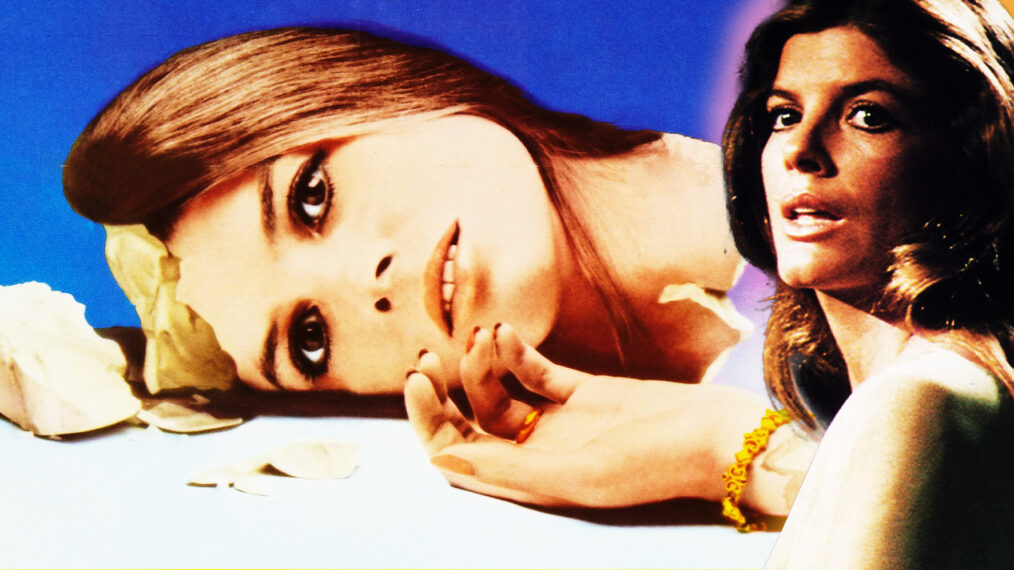
Ross’s second cultural-footprint role came in 1975 with The Stepford Wives. She played Joanna Eberhart, the Connecticut suburbanite who realizes the women in her town have been replaced with submissive robots. The film was modestly received on release but became a cultural reference point as the metaphor for second-wave-feminist anxieties about suburban conformity entered the mainstream lexicon.
The Voyage of the Damned ensemble in 1976 with Faye Dunaway, Max von Sydow, and James Mason kept her at A-list scale through the bicentennial year. After that the work narrowed. The Betsy with Tommy Lee Jones in 1978. Legacy with Sam Elliott in 1979. The Final Countdown with Kirk Douglas in 1980.
The decision to step back from leading roles came around 1984 when she married Elliott. Ross has spoken openly about it across decades of subsequent interviews. She had grown frustrated with the female roles offered. Was not interested in playing the wife or the mother in pictures where the work was structured around male leads. She and Elliott raised their daughter in Malibu and Brentwood and worked when they wanted to. The arrangement was, by her account, exactly what she had wanted.
Sam Elliott And The Brentwood Years
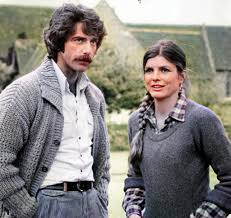
Katharine Ross met Sam Elliott on the set of The Legacy in 1978. The film was a British supernatural thriller in which Ross played the lead and Elliott played her American architect boyfriend. The shoot was in Maidenhead, England. Ross was 38. Elliott was 34. The relationship that began on set lasted approximately six years before they married in 1984 in a private ceremony in Malibu.
The marriage has held for 42 years. Their daughter Cleo Rose Elliott was born in 1984. The Brentwood property they bought in the 1990s is currently estimated at $5 million. Malibu beach home they held across the 1980s and 1990s sold in 2015 for approximately $4 million. The Western-themed Malibu compound that became the family base for their daughter’s childhood was a point of structural pride for both Ross and Elliott across decades of subsequent interviews.
Sam Elliott’s career across the same 40 years generated household income at character-actor scale that compounded with prudent real estate management. The Big Lebowski in 1998 paid Elliott approximately $300,000. We Were Soldiers in 2002 paid him similarly. Ghost Rider in 2007 paid him at A-list supporting scale around $1.5 million. A Star Is Born in 2018 paid him approximately $4 million plus back-end participation that, on a film grossing $436 million, generated an additional $5 to $7 million across release and home distribution. Elliott earned his first Oscar nomination at age 75 for the role.
Cleo Rose And Voyage Of The Damned
The Quick and the Dead in 1995 was the only film Ross and Elliott made together after their marriage. Sam Raimi directed. Sharon Stone starred. Elliott played Cort, a former gunslinger turned preacher. Ross played the elder townswoman Mary. The film was a modest commercial release that has appreciated as a Sam Raimi cult title across the years since. Ross had not done a major studio film since 1990. The Quick and the Dead was effectively her last leading studio appearance.
Their daughter Cleo Rose Elliott pursued a music career as a singer-songwriter. She released her debut album in 2008. She has spoken publicly about her struggles with mental health, including a 2019 hospitalization that became briefly tabloid-visible. The family has remained largely private throughout her career and theirs. Ross has done occasional retrospective interviews about The Graduate and Butch Cassidy across the past 20 years but has otherwise stayed out of the industry.
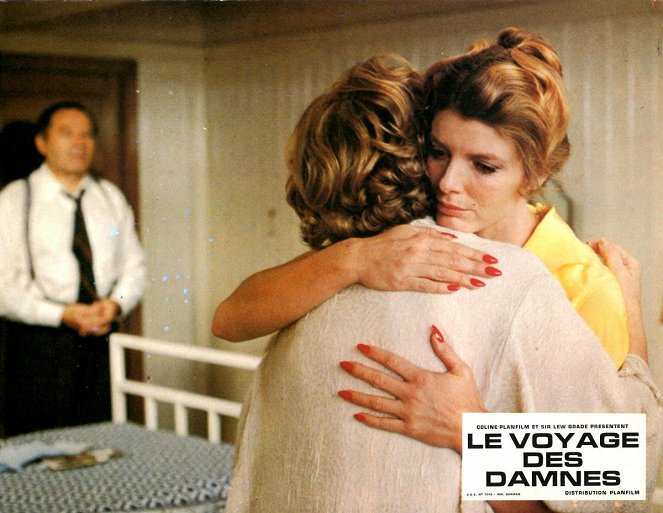
Voyage of the Damned in 1976 was the structural late peak of Ross’s leading-lady career. The ensemble film about the 1939 MS St. Louis voyage of Jewish refugees turned away from Cuba and the United States grossed approximately $30 million on a $14 million budget and earned Best Original Score and Best Adapted Screenplay nominations. Ross worked alongside Faye Dunaway, Max von Sydow, James Mason, Lee Grant, Orson Welles, and Oskar Werner. Her salary was approximately $100,000. The role was structurally large but the cast was so deep that her individual recognition was diluted. The 1976 bicentennial year remained, by her own account, the last year she actively pursued leading-lady film work in Hollywood.
The Last Quiet Retreat Of Her Generation
Category Ross occupies is structurally specific. The 1960s leading lady who demonstrated leading-lady range in the canonical New Hollywood films. Then declined to chase the leading-lady career, then married the most reliable Western character actor of her generation and quieted into a Brentwood marriage that produced one daughter and 40 years of selective work, is a Hollywood economic logic that the industry does not know how to score.
The Katharine Ross net worth ledger at $20 million reads small against the Etta Place and Elaine Robinson roles she made unforgettable. Read against the deliberate retreat that defined the second half of her life, the figure is exactly the size of a fortune built by someone who chose not to maximize it. She is still living in 2026.
Where The Conversation Continues
Social Life Magazine has been writing about luxury legacy since 2003. Polo Hamptons sponsorships for July 18 and 25 in Bridgehampton are filling now. The Ross-coded universe is heritage, restraint, deliberate retreat from spotlight, and the kind of symbolic capital that does not need to keep performing to compound.
If your brand belongs in that conversation, the entry point is [email protected]. The yacht has a finite manifest. Cabana sales are tracking ahead of last year. Categories already locked are auto (BMW), Hermès, and one real estate sponsor. The rest is open until it isn’t.
Author

Written by
Recent Posts

Powerful Strategies to Stay Ahead in a Fast-Moving Real Estate Market
How Latino Players Have Helped Shape Modern Basketball Culture
10 Best Designer iPhone 18 Pro Cases to Choose From

AI for personal finance: where PennyGuard fits
How to Pick a Homecoming Dress for Your Body Type (and Feel Amazing in It)
Categories
- Art
- Articles
- Business of Luxury
- Celebrities
- Culture
- Entertainment
- Events
- Faces of Summer 2026
- Fashion
- Fashion & Style
- Featured
- Finance
- Food, Spirits, Wine
- Hamptons
- Hamptons Celebrities
- Health
- Health & Beauty
- Lifestyle
- Luxury Lifestyle
- Press
- Profiles
- Real Estate
- Technology
- The Chronicles
- Travel
- Uncategorized
- Weddings