
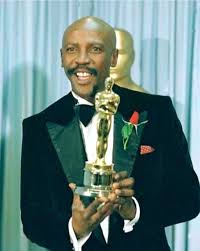
Louis Gossett Jr. net worth was $5 million at the time of his death on March 29, 2024. He was 87 years old. He was also the first African-American actor to win the Academy Award for Best Supporting Actor, a barrier-breaking achievement in a film that grossed $190 million. The gap between the historic weight of that Oscar and the modest fortune it produced tells a story the entertainment industry still hasn’t reckoned with.
| Full Name | Louis Cameron Gossett Jr. |
|---|---|
| Net Worth at Death | $5 Million |
| Primary Income Source | Film & Television Acting |
| Career Span | 1953 – 2024 (71 years) |
| Key Credits | An Officer and a Gentleman, Roots, Iron Eagle, A Raisin in the Sun, Watchmen |
| Notable Achievements | Academy Award, Emmy Award, 2 Golden Globes, Eracism Foundation |
| Born/Died | May 27, 1936 (Brooklyn, NY) – March 29, 2024 (Santa Monica, CA) |
Before the Money
Louis Cameron Gossett Jr. was born in Brooklyn in 1936 to a porter and a nurse. He grew up in Coney Island, in a neighborhood diverse enough to teach him that talent crosses every line the world tries to draw. He contracted polio as a child and beat it. A sports injury in high school pushed him toward acting. By 17, he was on Broadway.
His debut in Take a Giant Step (1953) won him the Donaldson Award for best newcomer of the year. The New York Times selected the play as one of the ten best Broadway shows of 1953. Gossett turned down an athletic scholarship to NYU to keep acting. The economics of that decision would play out over the next seven decades, rarely in his favor.
ERA 1: The Brooklyn Stage (1953-1976)
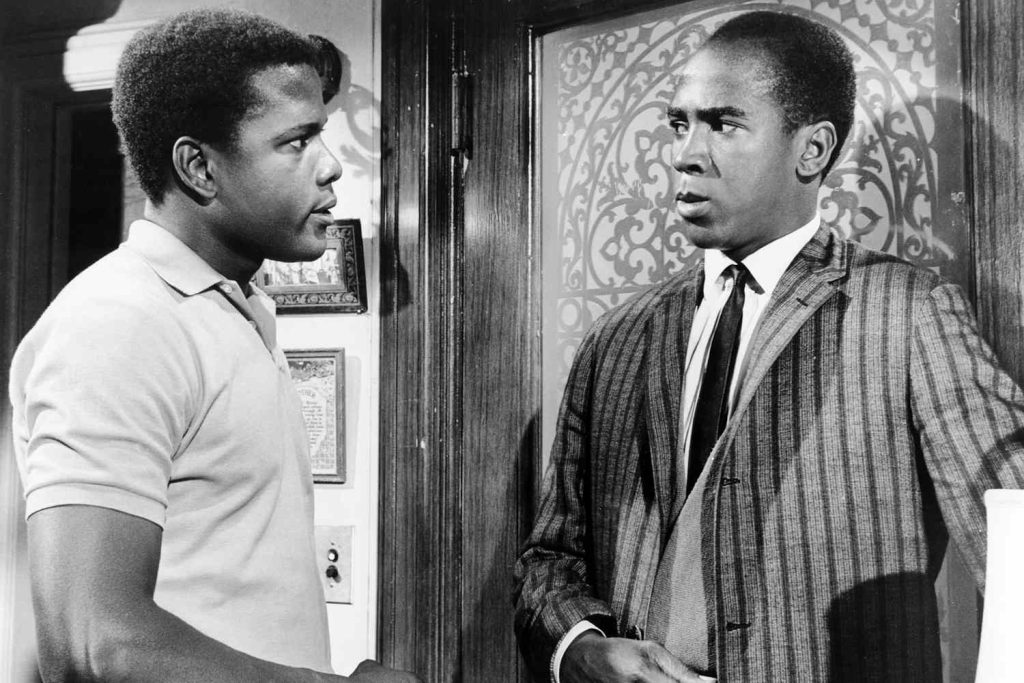
For more than twenty years, Gossett built a career that was respected everywhere and rewarded almost nowhere. He appeared in the original Broadway production of A Raisin in the Sun (1959) alongside Sidney Poitier and reprised his role in the 1961 film adaptation. The play was a cultural landmark. Gossett’s paycheck was not.
The Long Apprenticeship
Through the 1960s and early 1970s, Gossett worked steadily in theater, television, and film without ever reaching the salary bracket that white actors of comparable talent occupied. He appeared in The Landlord (1970), Skin Game (1971), and Travels with My Aunt (1972). Each role demonstrated range and discipline. None generated the kind of income that compounds into wealth.
In fact, the economic reality of being a Black actor in this era was structural. Leading roles were scarce. Supporting roles paid less. Franchise opportunities were nonexistent. Gossett was building a reputation that would eventually earn him the highest honor in his profession, but the financial infrastructure to monetize that reputation simply did not exist for actors who looked like him.
ERA 2: The Roots Explosion (1977-1982)
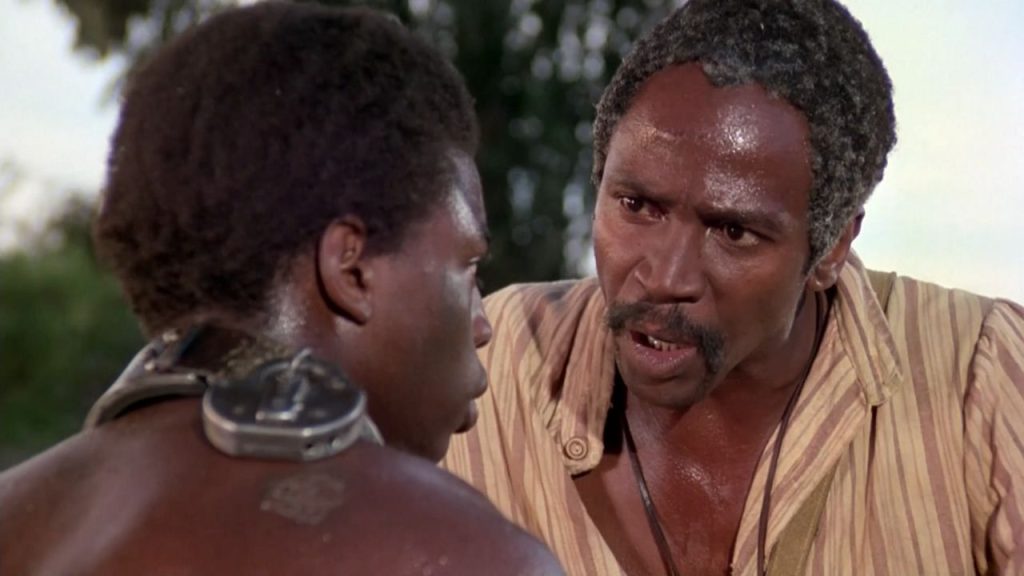
In 1977, Roots changed everything. The television miniseries drew 140 million viewers across eight consecutive nights, making it one of the most-watched programs in American broadcast history. Gossett played Fiddler, the enslaved man who teaches Kunta Kinte how to survive. The performance won him an Emmy Award.
The Oscar That Made History
Five years later, An Officer and a Gentleman (1982) grossed $190 million worldwide on a $7 million budget. Gossett played Gunnery Sergeant Emil Foley, the drill instructor who breaks down Richard Gere‘s character and rebuilds him. The performance won the Academy Award for Best Supporting Actor.
Gossett became the first African-American actor to win in that category. The moment was historic. However, the economics that followed were not proportional to the history. Gere parlayed the film into $10-15 million quotes. Debra Winger, who earned an Oscar nomination for the same film, commanded seven-figure salaries for the next decade. Gossett’s trajectory was different. The Oscar opened doors, but the rooms behind those doors offered smaller checks.
ERA 3: The Iron Eagle Economy (1983-1999)
After the Oscar, Gossett found consistent work but not the prestige-to-wealth conversion that the award typically enables. The roles that came were television movies, action sequels, and supporting parts that paid steady income without building toward a fortune.
Franchise Income Without Franchise Money
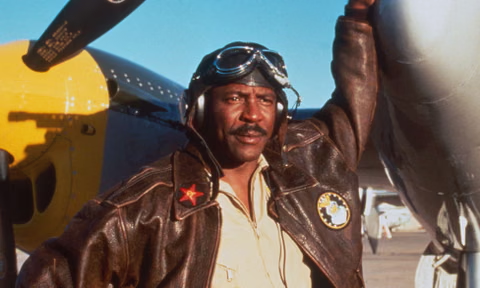
The Iron Eagle franchise (1986-1995) gave Gossett his most recognizable post-Oscar role as Colonel Chappy Sinclair across four films. It provided recurring paychecks, but Iron Eagle was no Top Gun. The budgets were modest, the box office returns were declining, and the backend participation, if any existed, would have been minimal.
Meanwhile, Gossett delivered acclaimed performances in television films like Sadat (1983), A Gathering of Old Men (1987), and The Josephine Baker Story (1991). Each earned Emmy nominations. None paid what a theatrical film would have paid a white actor with the same Oscar on his shelf. The television movie economy was, by design, a volume business: more projects, lower per-project pay, minimal residual upside.
The Structural Gap
The economics of Gossett’s post-Oscar career illustrate a pattern that transcends individual choices. Black actors of his generation rarely received the endorsement deals, producing opportunities, or franchise anchoring roles that convert acting income into generational wealth. Denzel Washington, who won his Supporting Actor Oscar six years after Gossett, eventually broke through that ceiling. Gossett never did. The barrier he broke on Oscar night did not break the economic barrier behind it.
ERA 4: The Elder Statesman (2000-2024)
In his final decades, Gossett continued working with a consistency that most actors half his age would envy. He appeared in over 200 film and television credits across his career, a number that reflects both his work ethic and the reality that no single project ever paid enough to let him stop.
Watchmen and the Final Act

In 2019, HBO’s Watchmen introduced Gossett to a new generation. He played Will Reeves, a centenarian with a devastating secret tied to the Tulsa Race Massacre. The performance earned an Emmy nomination and reminded the industry that Gossett at 83 could still command the screen. Notably, the role carried cultural weight that matched his career arc: a Black man whose heroism was erased by history, finally seen.
The Color Purple (2023) was among his final major roles. The musical adaptation earned praise, and critics singled out Gossett’s performance. His last screen credit was voicing Lewis in the 2024 film IF, which was dedicated to his memory.
Gossett died on March 29, 2024, from chronic obstructive pulmonary disease. He was 87. Behind him: the Eracism Foundation, a nonprofit he created to combat racism through education. He left behind an autobiography, An Actor and a Gentleman. And he left behind $5 million.
How Louis Gossett Jr.’s $5M Fortune Breaks Down
Gossett’s net worth at death reflects a career built on volume rather than leverage. Over 71 years, he appeared in more than 200 productions. Total career earnings likely fell between $10-20 million, spread across decades of work in film, television, and stage. Peak individual paydays were modest by Hollywood standards, likely in the low-to-mid six figures for most projects.
Real estate provided one notable asset. In 2018, Gossett sold a 2,800-square-foot house in Malibu for $3.25 million. He subsequently relocated to Atlanta, where living costs are significantly lower. The Malibu sale likely represented the single largest financial transaction of his career outside of acting.
Residuals from Roots, An Officer and a Gentleman, and the Iron Eagle franchise provide some ongoing income, though television residuals from the 1970s and 1980s operate under older, less favorable compensation structures than today’s streaming deals.
However, the absence column tells the real story. There are no endorsement portfolios, no production companies, no tech investments, no branded ventures. By comparison, his Officer and a Gentleman costar Richard Gere built $120 million through real estate and hospitality. The gap is not explained by talent or work ethic. It is explained by the economics of who Hollywood allows to build wealth and who it pays just enough to keep working.
Where the Money Stands Now
Gossett’s estate is valued at approximately $5 million, comprising residuals, personal property, and whatever remains from the Malibu sale. His Eracism Foundation continues to operate as a nonprofit dedicated to racial education and anti-violence training.
The legacy that matters is not financial. Gossett’s Oscar opened a door that Denzel Washington, Morgan Freeman, Mahershala Ali, and every Black supporting actor who followed walked through. The $5 million on his balance sheet at death measures what Hollywood paid him. It does not measure what he was worth.
Ultimately, Gossett’s net worth is the clearest proof in this cluster that talent and reward are not the same thing. The man who made history with a $190 million film died with less than a single year of his costar’s earnings in the bank. That barrier broke. The economics didn’t.
Where The Conversation Continues
Social Life Magazine covers the intersection of wealth, culture, and influence from the Hamptons to Manhattan. Our celebrity net worth coverage traces the economics, the leverage, and the decisions that built the fortune.
Our readers are family office principals, exit founders, fashion executives, and the advisors who serve them. For premium editorial placement and integrated advertising across print and digital, submit a paid feature or contact our business development team.
Want insider access to the events, launches, and gatherings that define the Hamptons social calendar? Sign up for Event Invites & Specials and never miss a moment.
Social Life Magazine. Twenty-three years of covering the people and places that define luxury in America.
Author

Written by
Recent Posts
Legal Options for Investment Fraud Claims

How Custom DTF Printing Adds Ease and Color to Your Boutique
How Often Should You Actually Replace Your Towels?
Apartment Pet Policies: What to Know as a Pet-Owning Tenant
Why Reliable Airport Transportation Matters for Modern Travelers
Categories
- Art
- Articles
- Business of Luxury
- Celebrities
- Culture
- Entertainment
- Events
- Faces of Summer 2026
- Fashion
- Fashion & Style
- Featured
- Finance
- Food, Spirits, Wine
- Hamptons
- Hamptons Celebrities
- Health
- Health & Beauty
- Lifestyle
- Luxury Lifestyle
- Press
- Profiles
- Real Estate
- Technology
- The Chronicles
- Travel
- Uncategorized
- Weddings