
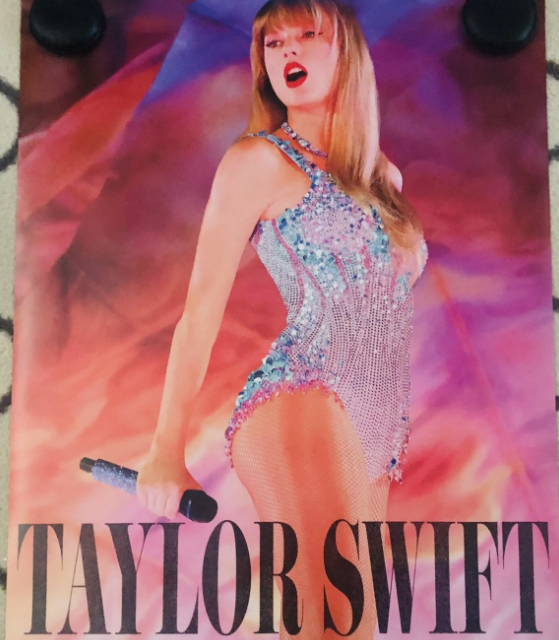
They paid $300 million for her masters. She made the purchase worthless.
Taylor Swift’s $1.6 billion net worth in 2026 represents the most aggressive IP reclamation strategy in entertainment history. While other artists accept unfavorable catalog ownership as industry standard, Swift systematically destroyed the value of her stolen masters by creating identical competing assets she owns outright. The re-recording campaign wasn’t artistic expression. It was financial warfare.
Understanding Taylor Swift’s wealth requires abandoning assumptions about how musicians accumulate money. Streaming pays fractions of pennies. Album sales generate modest returns. Even the record-breaking Eras Tour, while enormously profitable, represents cash flow rather than compounding assets. The real story is about catalog ownership, publishing rights, and the 30-year royalty streams those assets generate.
The Three Pillars of Taylor Swift’s Empire
Swift’s fortune rests on three strategic pillars that most coverage either ignores or misunderstands. Each pillar operates according to different financial logic, and together they explain how a country-music teenager became a business-school case study.
| Pillar | Asset/Revenue | Estimated Value | Strategic Insight |
|---|---|---|---|
| Catalog Ownership | Taylor’s Version re-recordings + owned originals | $400M+ in masters | Created competing asset to IP others purchased |
| Touring Infrastructure | Eras Tour (2023-2024) | $2B+ gross, $500M+ net estimated | Largest tour in history, high margin structure |
| Publishing/Songwriting | Self-written catalog of 200+ songs | $200M+ publishing value | 100% publishing ownership on self-written material |
The touring pillar generates cash. The catalog pillar appreciates like real estate. The publishing pillar produces recurring royalty income. Together, these three pillars explain why Taylor Swift’s business empire continues growing even during periods without new releases.
The Re-Recording Strategy: A Financial Breakdown
In 2019, Scooter Braun’s Ithaca Holdings acquired Big Machine Records for approximately $300 million. That transaction included master recordings for Swift’s first six albums, representing her entire output from 2006 to 2017. Swift was not offered the opportunity to acquire her own masters. She learned of the sale through public announcement.
Most artists in this situation accept the loss. Masters ownership historically concentrated with labels, and artists signed away those rights as standard contract terms. Fighting major label practices seemed futile.
Swift’s response was to make the masters worthless.
The Mechanics of Catalog Devaluation
Recording contracts grant labels ownership of specific recordings, not underlying compositions. Swift owns the publishing rights to her songs because she wrote them. This legal distinction created an opportunity: she could legally create new recordings of every song she wrote.
The “Taylor’s Version” re-recording campaign systematically targeted the most valuable catalog assets:
| Album | Original Release | Taylor’s Version Release | Impact on Original |
|---|---|---|---|
| Fearless | 2008 | April 2021 | Original streaming declined 30%+ |
| Red | 2012 | November 2021 | Original sync licensing requests dropped |
| Speak Now | 2010 | July 2023 | Market substitution accelerated |
| 1989 | 2014 | October 2023 | Highest-value catalog target addressed |
According to Billboard analysis of catalog valuations, the re-recording strategy achieved unprecedented results. Streaming numbers for original versions declined significantly. More importantly, sync licensing requests, which generate substantial revenue from film, television, and advertising placements, shifted overwhelmingly to Taylor’s Version recordings.
The financial logic is devastating. Why would any music supervisor license “Shake It Off” (original) when “Shake It Off (Taylor’s Version)” exists? The original masters retain technical ownership but diminishing commercial utility. Swift converted a $300 million loss into approximately $400 million in newly created catalog value she controls entirely.
The Eras Tour Economics
The Eras Tour grossed over $2 billion globally, making it the highest-grossing concert tour in history. Media coverage celebrated the gross figure. Financial analysis reveals more interesting details about Taylor Swift’s Eras Tour money and how it flows.
Revenue Structure
Ticket prices averaged $254 at face value, with secondary market transactions substantially higher. Each show generated approximately $15-20 million in gross ticket revenue across 150+ performances. Merchandise sales added significant additional revenue at each venue.
Unlike artists who tour under promoter arrangements, Swift structured the Eras Tour with substantial backend participation. Estimates suggest net margins of 35-50%, extraordinary for touring economics where 20-30% is typical. Applied to $2 billion gross, this implies $700 million to $1 billion in tour profit.
The No-Sponsorship Decision
Swift declined corporate sponsorship for the Eras Tour. No naming rights, no brand partners, no presenting sponsors. This decision sacrificed potential nine-figure sponsorship revenue in exchange for complete control and brand purity.
The reasoning reflects sophisticated understanding of brand equity. Corporate sponsors dilute artist positioning and create obligations that constrain creative and business decisions. Swift prioritized owning the entire experience over maximizing short-term revenue. The decision also eliminated any future disputes about sponsor representation or exclusivity conflicts.
Film Distribution as Asset Retention
The Eras Tour concert film released directly to theaters through an arrangement with AMC, bypassing traditional studio distribution. This structure allowed Swift to retain ownership of the footage, the masters used in the film, and the ongoing distribution rights.
Rather than selling film rights for an upfront fee, Swift created an appreciating asset. The theatrical release generated over $250 million in box office revenue. Streaming rights remain available for future licensing or direct release on terms she controls.
The Wound: Public Humiliation and IP Theft
Understanding how rich Taylor Swift is requires understanding the experiences that shaped her obsession with ownership and control.
In 2009, Kanye West interrupted Swift’s VMA acceptance speech, generating global media coverage of her public humiliation. The incident occurred at a moment of peak vulnerability, her first major award recognition at age 19. The wound was public, permanent, and transformative.
A decade later, the Big Machine sale inflicted a different kind of violation. Watching her life’s work sold without consent, to parties she had publicly opposed, created determination that no future exploitation would occur without consequence.
These experiences produced the strategic philosophy evident in every subsequent decision. Document everything. Own everything. Trust no business arrangement that doesn’t provide contractual protection. What critics describe as litigiousness or pettiness reflects this architecture of asset protection.
The Publishing Advantage
Swift writes her own songs. This seemingly obvious fact generates substantial financial consequences that casual observers underestimate.
Publishing rights, distinct from master recording ownership, cover the underlying musical composition. Every time a song is streamed, performed, or licensed, publishing royalties flow to the songwriter. Swift owns 100% of publishing on her self-written material, meaning she captures royalty streams that other artists split with co-writers or surrender to publishing companies.
According to Financial Times coverage of music IP valuations, publishing catalogs have sold at 15-25x annual royalty revenue. Swift’s 200+ song catalog, generating eight-figure annual royalties, represents a publishing asset worth potentially $200-300 million independent of master recording values.
This advantage explains why Swift protects songwriting credits aggressively. Every co-writer dilutes ownership. Every sample licensed creates royalty splits. Her insistence on writing alone or with minimal collaborators directly affects long-term wealth accumulation.
The Swiftie Moat
Swift’s relationship with her fanbase functions as a business moat that competitors cannot replicate. The Swifties don’t just consume content. They actively participate in Swift’s commercial strategies.
When Taylor’s Version albums release, fans deliberately choose the new recordings over originals. Swift asks fans to avoid specific products or platforms, and they comply. Limited merchandise sells at premium prices the moment it drops.This coordinated consumer behavior generates financial results unavailable to artists with less engaged audiences.
The economic value of this moat is difficult to quantify but clearly substantial. Swift can announce album releases with minimal traditional marketing because fan communication networks distribute information organically. She can price tickets and merchandise at premiums because demand consistently exceeds supply.
The 2024-2026 Wealth Acceleration
Swift’s net worth trajectory shows pronounced acceleration during the 2024-2026 period. Multiple wealth events converged to produce compounding effects:
| Year | Major Event | Estimated Wealth Impact |
|---|---|---|
| 2023 | Eras Tour launch (North America) | +$300M cash flow |
| 2023 | Eras Tour film theatrical release | +$100M+ (owned asset) |
| 2024 | Eras Tour international extension | +$200M cash flow |
| 2024 | 1989 (Taylor’s Version) catalog impact | +$50M catalog value |
| 2025 | Remaining re-recordings completion | +$100M catalog value |
| 2026 | Catalog appreciation (10-15% annual) | Ongoing compounding |
These figures suggest Taylor Swift’s net worth in 2026 continues growing through asset appreciation even without new touring or release activity. The catalog functions like real estate: generating income while appreciating in value.
The Single-Generation Question
Unlike the Knowles-Carter family with their combined $3.5 billion and multiple children, Swift’s wealth presents a succession question. As of 2026, she has no children and operates as an individual brand rather than family enterprise.
This structure raises interesting considerations about celebrity versus dynasty wealth. Swift’s fortune, while substantial, exists primarily in her personal name and brand. Estate planning for catalog IP without heirs requires different strategies than multigenerational family office structures.
Her real estate portfolio spanning Nashville, New York, Rhode Island, and Los Angeles (estimated $150 million+) provides non-entertainment assets. However, the brand equity component of her wealth, while currently appreciating, may depreciate without active maintenance in ways that Basquiat paintings or Hamptons compounds would not.
The Comparative Landscape
Among female artists, Swift operates in a peer group with Beyoncé ($1 billion) and Rihanna ($1.4 billion). Each achieved billionaire status through different models.
Beyoncé prioritized vertical integration and ownership stakes in brand partnerships. Rihanna achieved her fortune primarily through Fenty Beauty, demonstrating beauty industry exits exceed music industry accumulation. Swift focused on pure catalog ownership and touring revenue, with minimal brand partnership activity.
The music billionaire landscape reveals multiple viable paths. Swift’s model requires less capital partnership and maintains more independence, but also creates more concentration risk in personal brand performance.
Patterns for Sophisticated Observers
Swift’s wealth trajectory offers lessons for readers managing their own exits, IP disputes, or legacy planning:
Ownership obsession pays exponential returns. The difference between licensing and owning compounds dramatically over time. Swift’s insistence on catalog control, publishing retention, and film ownership creates appreciating assets rather than depreciating income streams.
Strategic patience enables exponential outcomes. The re-recording campaign required years of execution. Immediate gratification would have been a lawsuit. Patient asset creation proved more valuable than legal remedy.
Fan relationships function as distribution moats. Consumer loyalty that actively supports commercial strategy represents defensible competitive advantage. Swift’s Swiftie coordination is not replicable by competitors.
Declining short-term revenue can optimize long-term value. Rejecting tour sponsorship sacrificed immediate income to preserve brand equity. The decision recognized that brand dilution costs compound while sponsorship revenue is one-time.
The Bottom Line
Taylor Swift’s $1.6 billion fortune emerged from a strategy no other artist has successfully replicated: systematic destruction of stolen assets through competitive creation. They paid $300 million for her masters. She made the purchase worthless by creating identical assets she owns outright.
The Eras Tour grossed $2 billion. The re-recordings might be worth more over their lifetime. She doesn’t have equity partners. She is the equity.
For readers managing IP disputes, succession planning, or asset accumulation strategies, Swift’s model demonstrates that patience and ownership obsession outperform faster, more compromised approaches. The woman who sang about shaking off criticism structured her finances to shake off exploitation entirely.
The Eras weren’t just tour stages. They were chapters in a business-school textbook written in real time.
Related Articles
- Billboard to Billions: How Music’s Biggest Names Built Empires
- Beyoncé Net Worth 2026: The Renaissance Reckoning
- Jay-Z Net Worth 2026: The Empire Architect
- How Licensing Deals Create Long-Term Wealth
For features on IP strategy, catalog valuations, and entertainment business structures, contact Social Life Magazine. For luxury brand activation and event sponsorship opportunities, visit Polo Hamptons.
Subscribe to our print edition for exclusive coverage of how the wealthy protect and grow their assets. Support independent luxury journalism with a $5 contribution.
Author

Written by
Recent Posts
Licensing, Royalties, and Long-Tail Wealth: How Celebrity Portfolios Actually Work
Why the Investors Behind Celebrity Brands Prefer Rooms Like This
The Capital Structure Behind Celebrity Empires—and What It Reveals About Modern Wealth
How Fame Becomes Fortune: The Capital Mechanics Behind Celebrity Wealth

Polo Hamptons: The Behavioral Shift That Happens When Formality Disappears
Categories
- 2025 Social Life Events
- Access to Digital + Physical Magazine
- Art
- Articles
- Beauty & Skincare
- Beauty & Wellness
- Celebrities
- Chronicles
- Event Photos
- Events
- Family
- Fashion
- Fashion & Style
- Featured
- Food & Beverage
- Food, Spirits, Wine
- Hamptons Celebrities
- Health
- Health & Beauty
- Home & Design
- Home & Living
- Lifestyle
- Luxury Lifestyle
- Press
- Profiles
- Real Estate
- Technology
- The Chronicles
- Travel
- Trending
- Uncategorized
- Weddings
- Wellness