
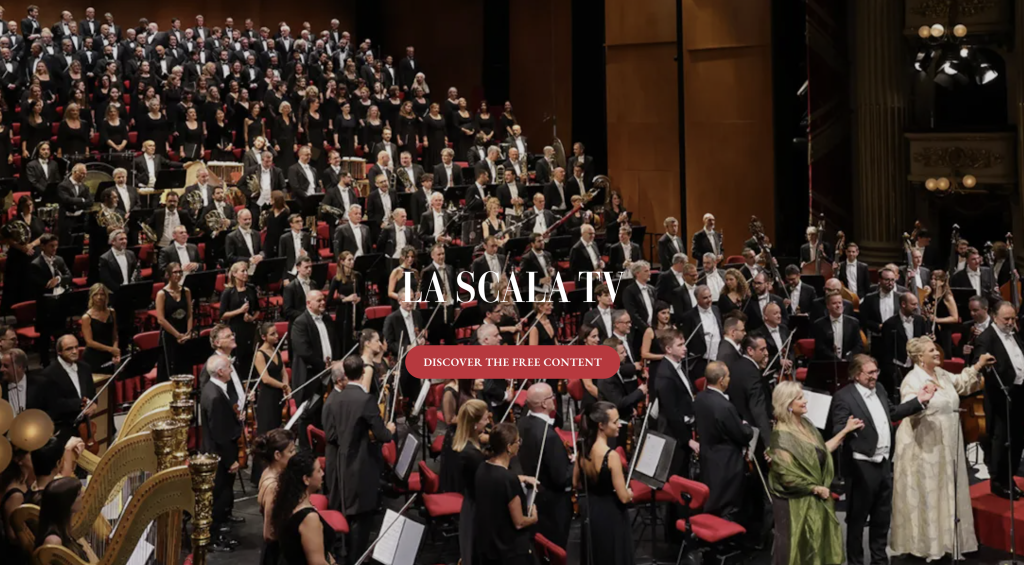
The Teatro alla Scala Association of America began three years ago. It started with a couple, a move to Milan, and a question about what it means to give. Last night, at its benefit on Central Park West, it was called The Next Act.
The New York Historical sits on Central Park West, facing the park. On Wednesday evening, October 7, it hosted the annual benefit of the Teatro alla Scala Association of America. That evening was called The Next Act. Its invitation asked for Milanese chic. The dress code leaves you to work out for yourself what Milan means to you.
Toscanini, from La Scala to New York
The program was a tribute to Arturo Toscanini. Music was sung by soprano Federica Lombardi and mezzo-soprano Samantha Hankey. Toscanini is a good name to say in that building. He was principal conductor at La Scala before he ever came here. In 1908 he arrived at the Metropolitan Opera and stayed seven seasons. Later he led the New York Philharmonic, from 1926 to 1936. Then NBC formed a symphony orchestra for him, and he conducted it on the radio until 1954. After the war he returned to Milan to reopen La Scala. He was 79. He died in New York in 1957. La Scala made his name. New York kept him.
I went because I wanted to know where the association came from. The answer is smaller, and more personal, than I expected.
A question, not a donation
Dr. Milena Adamian did not come to opera through the arts, though she admired them all her life. She spent over twenty-five years in healthcare, much of it in cardiology. Later she earned a master’s degree in clinical research and biostatistics at Columbia, and she worked in start-ups. Her husband, Kirill Sheynkman, was born into a family of professional musicians. When the two of them moved from New York to Milan, she later told La Scala’s own magazine, “our first thought was of La Scala.”
What came next was a question, not a donation. “How can we transform our deep love for this institution into a meaningful gift?” she asked. “How can we do something that goes beyond a monetary donation or a bequest after our passing?” They wanted to see the impact of their support. They also wanted to experience the difference it could make during their lifetimes.
Her answer drew on something New Yorkers know well: private fundraising. That is how American cultural institutions have always done it. She wanted it tied to a single purpose, though. The money would go to opera made by young people. It would also go to their training, and to the audiences who will one day fill the seats. She calls this “active philanthropy.” She took the idea to Dominique Meyer, then La Scala’s sovrintendente, and she says he was enthusiastic. Together with Francesca Agus, who leads the theater’s marketing and fundraising, she began to lay the foundations. As a result, the Teatro alla Scala Association of America was founded in June 2023.
“My goal,” she said, “was to create a real community.” That community would bring together different generations.
The only American charity La Scala recognizes
Today the association is the only 501(c)(3) recognized and supported by Teatro alla Scala. The link is built into its board. The theater’s sovrintendente sits on it ex officio. That is now Fortunato Ortombina, who is also La Scala’s artistic director. Alongside Dr. Adamian as president, the board includes Ivan Sacks, Adam Feinstein, Kirill Sheynkman, Julia Steyn, and Adam Sanderson. Martina Rimoldi is the executive director. The first honorary member was Giorgio Armani, who died in September 2025. “He believed in the project right away,” she said.
The work itself is specific. Every September the association supports an opera on the main stage of La Scala. Students of the Accademia Teatro alla Scala, the theater’s academy, perform it. In 2024 it was Nino Rota’s Il cappello di paglia di Firenze. In 2025 it was Rossini’s La Cenerentola. This year it was a double staging of L’elisir d’amore. One was a full production with 126 students and graduates of the Accademia. The other was a shortened version for children. As a result, it introduced more than 20,000 children to opera, many of them from underserved communities.
That shorter adaptation was made for children between five and fourteen. It was created in Milan but built to travel. Another two children’s operas were added to the season. In all, there were 10 performances. “They are created in Milan but can then be performed anywhere,” she said, “in Texas or Ohio.” Meanwhile, TASAA introduced the Arturo Toscanini Scholarship this year. It goes to a promising student musician of the Accademia. That student will return to New York to perform at the following year’s gala.
From five supporters to a room on Central Park West
The association started with five supporters. In two years there were eighty, and it continues to grow. At first the galas were held downtown, at Casa Cipriani. Then they moved uptown to the New York Historical. It is the oldest museum in the city, founded in 1804. La Scala had opened its doors in 1778, twenty-six years earlier. She also points out the importance of supporting yet another nonprofit by hosting the association’s events there.
When people talk about opera’s future, they usually talk about loss. Aging audiences, empty seats, a tradition fading out. La Scala tells a different story. About a third of its audience is now under thirty-five. Dr. Adamian has said she sees that number as a starting point. She compares the spirit of the project to Leonard Bernstein’s Young People’s Concerts with the New York Philharmonic. In her words: “Communicate, communicate, inspire, inspire.”
I have spent a good part of my working life around events that try to carry something old forward without embalming it. Still, the ones that last are rarely the loudest. They are the ones where someone has thought carefully about who comes next.
The Next Act
That was the idea behind The Next Act. The money raised goes to the association’s program of the same name. It supports emerging artists and cultivates new audiences, so that opera passes from one generation to the next. The scholarship is a small version of the same thing. One student is chosen this year. That student performs for this room the next.
In Milan, the new season opens on December 7. That is the feast of the city’s patron saint, Ambrose, as it has been since 1951. The opera is Verdi’s Otello, one of the works that premiered at La Scala. Myung-Whun Chung will conduct it as incoming music director. By then, a student from the Accademia will be preparing to cross the ocean. That student will take the stage in the building across from Central Park, where the evening of October 7 was given over to Toscanini.
Author
Written by
Recent Posts
Galina Breslav: From Pension Fund to Executive Presence
Hermès Fake Authenticator: A Monopoly Mistaken for Expertise
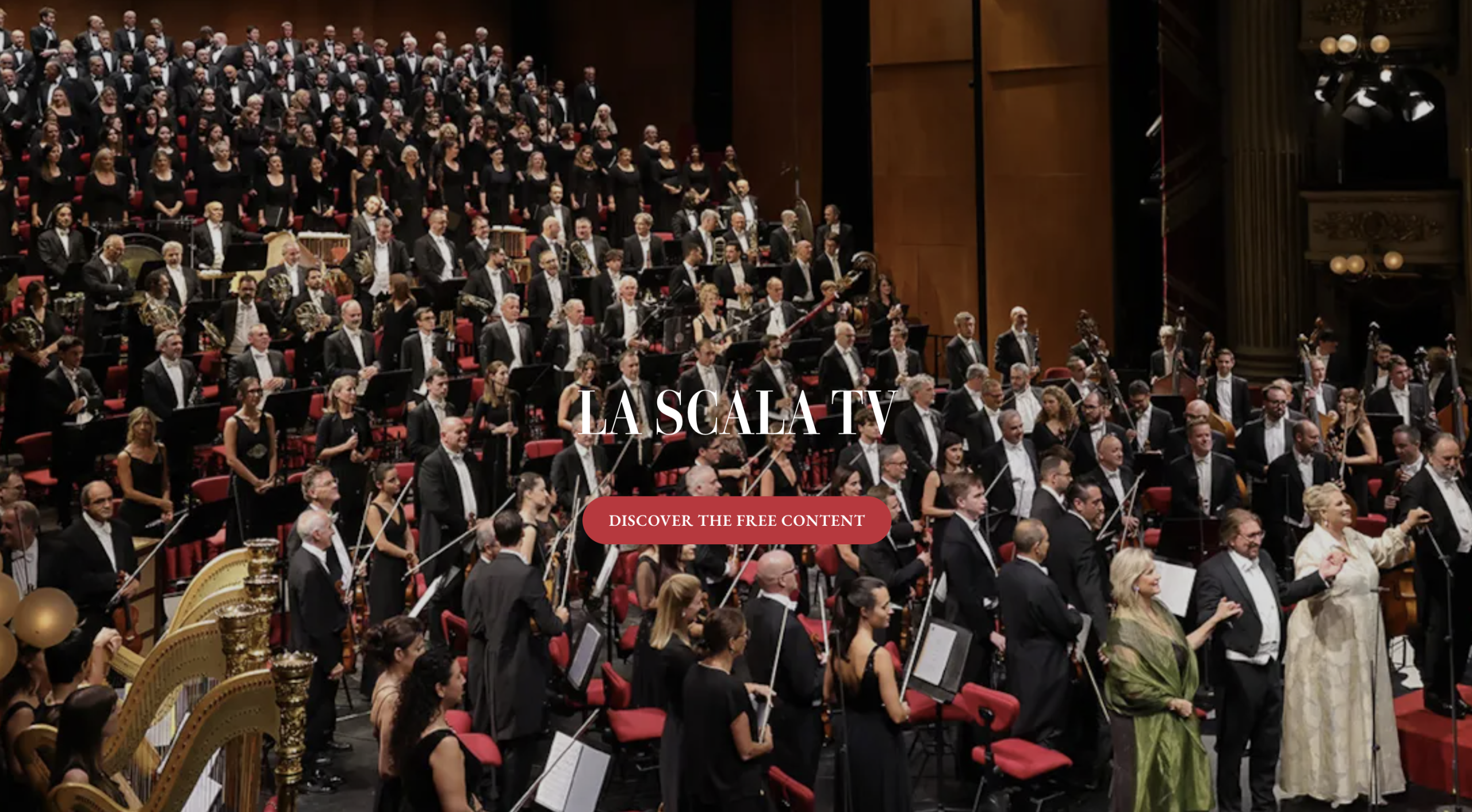
A Real Gift: How La Scala Found Its Community in New York Through the Teatro alla Scala Association of America (TASAA)

He Sold His Company, Got Everything He Wanted, but Lost His Purpose
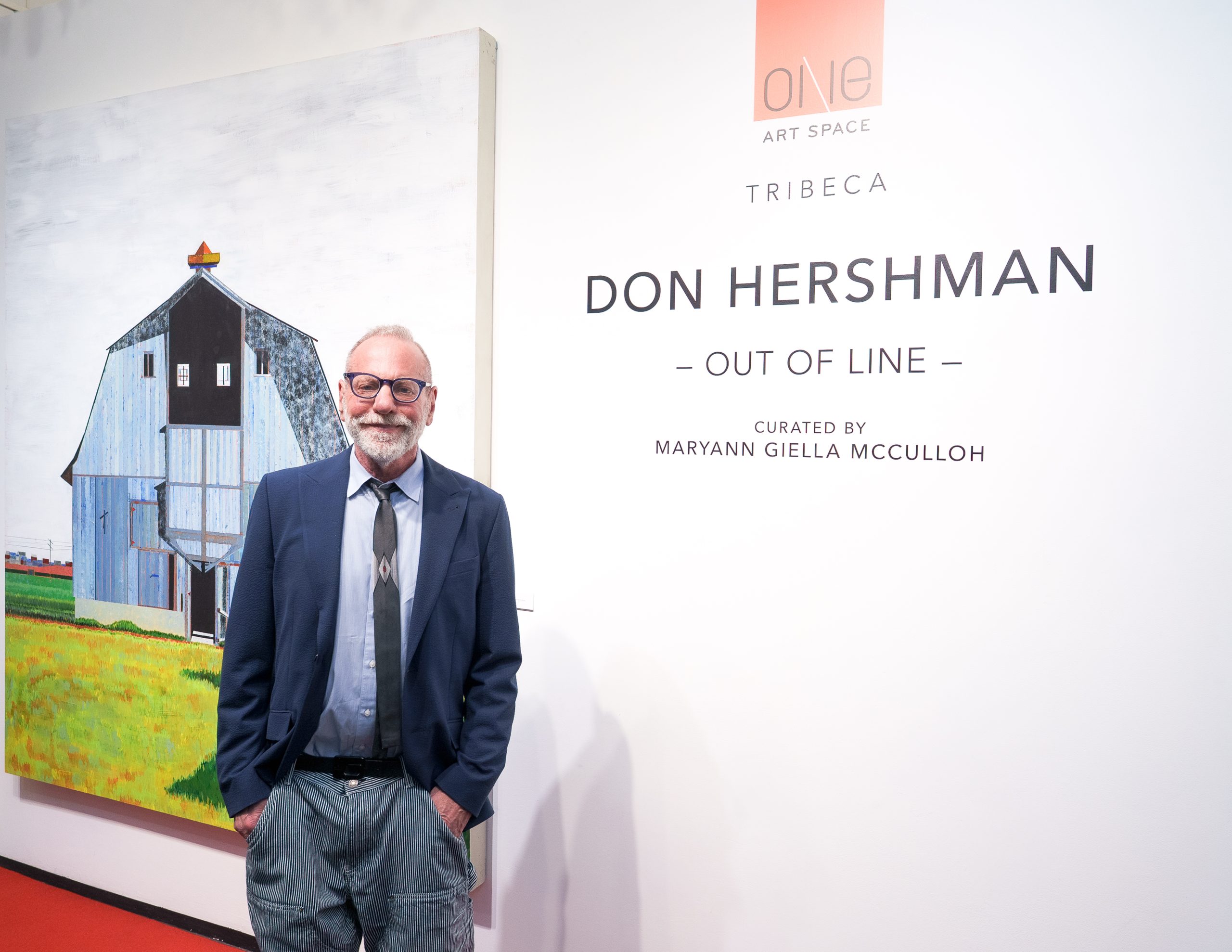
OUT OF LINE
Categories
- Art
- Articles
- Business of Luxury
- Celebrities
- Culture
- Entertainment
- Events
- Faces of Summer 2026
- Fashion
- Fashion & Style
- Featured
- Finance
- Food, Spirits, Wine
- Hamptons
- Hamptons Celebrities
- Health
- Health & Beauty
- Lifestyle
- Luxury Lifestyle
- Press
- Profiles
- Real Estate
- Technology
- The Chronicles
- Travel
- Uncategorized
- Weddings