
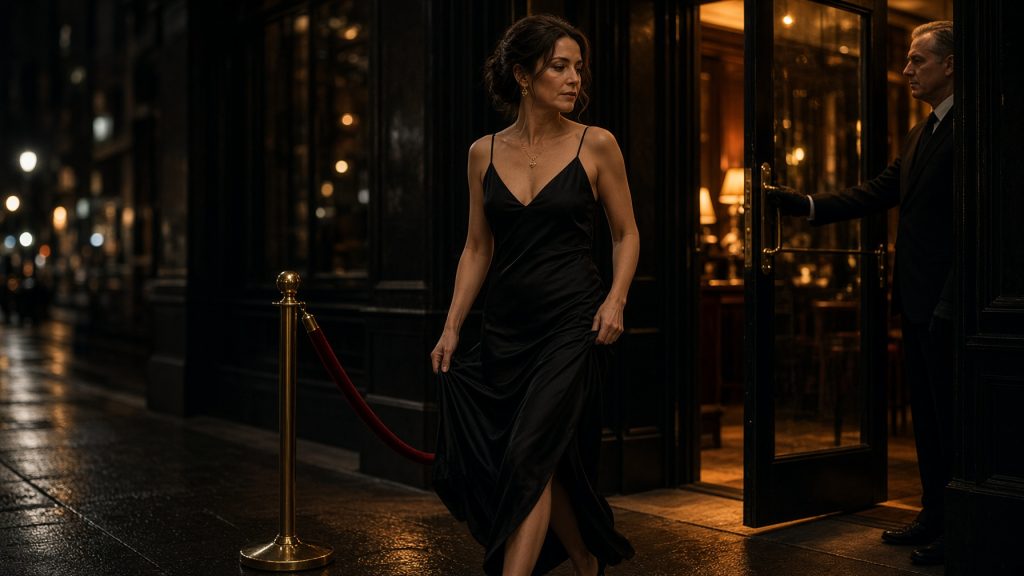
From a $750 door in NoHo to a $200,000 one on Fifth Avenue, New York’s private members clubs have become the city’s real social map. Here is who is building them, who gets in, and what the velvet rope is actually selling.
Manhattan’s members clubs at a glance
| Club | Neighborhood | Opened | Reported cost to join |
|---|---|---|---|
| Aman Club | Fifth Avenue at 57th Street (Crown Building) | 2022 | $200,000 initiation, $15,000 a year |
| Kith Ivy | West Village (120 Leroy Street) | 2025 | $36,000 initiation, $7,000 a year (reported) |
| ZZ’s Club | Hudson Yards | 2023 | $20,000 initiation, $10,000 a year (reported) |
| Maxime’s | Madison Avenue at East 69th Street | 2025 | Undisclosed |
| Chez Margaux | Meatpacking District (403 West 13th Street) | 2024 | Undisclosed |
| Zero Bond | NoHo (0 Bond Street) | 2020 | $750 to $5,000 initiation, $2,750 to $4,400 a year, priced by age |
| Casa Cipriani | Battery Maritime Building, Lower Manhattan | 2021 | $2,000 initiation, $2,500 to $3,900 a year (reported), plus 8.875% sales tax |
| The Twenty Two | Union Square (16 East 16th Street) | 2025 | $1,000 initiation, from $1,800 a year (reported) |
| Soho House New York | Meatpacking District (29-35 Ninth Avenue) | Before 2010 | From $666.75 a quarter |
| Crane Club | Chelsea (85 Tenth Avenue) | 2024 | No membership: a public restaurant |
At the Corner Bar inside Aman New York
Nobody takes pictures. The rule is part of what members bought, and what they bought, according to a club representative quoted by Business Insider, was a $200,000 initiation fee plus $15,000 a year in dues. A cab ride south, at 0 Bond Street in NoHo, a 29-year-old can join Zero Bond for a $750 initiation fee and $2,750 a year.
Same city. Same promise of a door most people cannot open. A price gap of more than 250 to one.
Everyone in Manhattan claims to hate the velvet rope. Everyone in Manhattan also knows exactly where it is.
New York has had private clubs since the Union Club opened in 1836, and the Colony Club became the city’s first women’s club in 1903, according to Dan’s Papers. What changed after 2020 is the volume and the business model. In six years Manhattan added Zero Bond, Casa Cipriani, the Aman Club, ZZ’s Club, Chez Margaux, The Twenty Two, Maxime’s and Kith Ivy, plus a Tao Group steakhouse that put the word “Club” on its sign without selling a single membership.
The clubs are not really selling rooms. Manhattan has plenty of rooms. They are selling the sorting: the promise that everyone on the other side of the door has already been checked. That is the velvet rope war. It is a fight over who gets to do the checking, and how much the checked will pay for it.
Why are New York’s private members clubs booming?
New York’s private members clubs are booming because the city’s best restaurants became nearly impossible to book and its public rooms became impossible to be private in. A membership solves both problems at once: a table you can count on, in a room where nobody is filming. Dues turn that convenience into a subscription.
When CNBC toured the new Core Club on Fifth Avenue in 2023, it described the post-pandemic wave as clubs built for the privacy-minded, highly mobile wealthy. That is a polite way of saying people with money got tired of competing with people who have phones.
Restaurant groups noticed first. Major Food Group, the company behind Carbone, turned its hardest reservation into a club at Hudson Yards and named it ZZ’s after co-founder Jeff Zalaznick’s nickname. Jean-Georges Vongerichten did the same in the Meatpacking District with Chez Margaux. The logic is simple. If 500 people want a table that seats 80, you can either keep saying no, or charge the 500 an annual fee for the right to be told yes. In other words: if you can’t get a table, they will happily sell you a membership instead.
The clearest proof that “club” now sells is a restaurant that is not one. Crane Club, opened by Tao Group Hospitality and chef Melissa Rodriguez inside a 1913 Nabisco building on Tenth Avenue, takes reservations from anyone. The name borrows the mood of exclusivity without the paperwork, and the dining room, with its red velvet drapes and curved booths, does the rest.
What does it cost to join a private club in Manhattan?
Joining a private club in Manhattan costs anywhere from under $3,000 a year downtown to a $200,000 initiation fee at the Aman Club on Fifth Avenue. Most clubs do not publish their prices, so the figures in circulation come from news reports and the clubs’ own application pages, and they change often.
The price list says more about strategy than about luxury. Zero Bond charges members over 45 a $5,000 initiation fee and $4,400 a year, while members 30 and under pay $750 and $2,750, according to the tiers on its application reported by Luxe Digital. Casa Cipriani also prices by age, and its bylaws add New York’s 8.875% sales tax to both fees and dues. Think of it as ladies’ night, except the discount is for being young. Younger members get in cheap so the room feels lively, and older members pay extra to sit in a lively room.
At the top, the numbers stop being about the room at all. Kith Ivy, the West Village padel and wellness club from Kith founder Ronnie Fieg, was reported by 6sqft to charge $36,000 to join and $7,000 a year. The Aman Club’s $200,000 buys a three-floor, 25,000-square-foot spa, a jazz club and a cigar terrace. The terrace is reportedly lovely. For $200,000, it had better be. Mostly, the fee buys a number large enough that most of Manhattan will never test it. The price is the filter. For a full ranking of the clubs by cost and difficulty, see our guide to the best private members clubs in NYC.
The four kinds of club fighting for Manhattan
Manhattan’s new clubs fall into four camps: the supper club, the London import, the downtown social club and the brand club. Each one makes a different bet about what wealthy New Yorkers are short of, whether that is tables, manners, friends or identity. Think of them like boarding groups at the airport: everyone is on the same plane, but each group is sure it got on first.
The supper club. ZZ’s Club and Chez Margaux are restaurant empires that put their best tables behind dues. Chez Margaux took over the old Spice Market space at 403 West 13th Street and stacked a French dining room, a Japanese-inspired lounge and a caviar bar that turns into a nightclub called Gaux Gaux as the evening goes on, according to Jean-Georges. The bet: what the rich lack is a reliable dinner.
The London import. The Twenty Two arrived from Grosvenor Square in February 2025 and moved into the Margaret Louisa Home, an 1891 building on East 16th Street founded by Margaret Louisa Vanderbilt Shepard, according to Hospitality Design. A month later Robin Birley, owner of London’s 5 Hertford Street and Oswald’s and son of Annabel’s founder Mark Birley, opened Maxime’s on the old Westbury Hotel site on Madison Avenue. The bet: what the rich lack is a room with rules.
The downtown social club. Zero Bond, Casa Cipriani and Soho House sell community more than cuisine. Scott Sartiano, who founded Zero Bond, told the Robb Report in 2021 that more than 5,000 people were on his waiting list. The bet: what the rich lack is a group of friends who are not employees.
The brand club. A hotel company and a streetwear label now run two of the most expensive doors in the city. Kith Ivy has three rooftop padel courts above Leroy Street, a spa designed with Giorgio Armani and the first Erewhon tonic bar outside Los Angeles, according to Fashionista. When a sneaker company opens a club, membership has become a product category. The bet: what the rich lack is an identity they can wear.
Who decides who gets in?
At most Manhattan clubs, a membership committee decides who gets in, usually after an existing member vouches for the applicant. Money buys an application, not an answer. The criteria are rarely published, and when they are, they describe character rather than net worth, which leaves the committee all the room it needs.
Zero Bond told Artnet News it accepts members who show integrity and can contribute to its community. Nobody can audit that standard, and that is exactly why it works. A vague rule lets a committee turn down a billionaire without explaining itself. In practice, it works a lot like a Manhattan co-op board, except it also looks at your shoes.
Consider a composite familiar to anyone who has watched a Manhattan door for long enough: the Fund Guy. You can usually find him at the bar around 8 p.m., ordering without looking at the menu so everyone knows he has been here before. He has the right watch, and he applied to three clubs this year. Two said no, and nobody told him why: every club already has plenty of men exactly like him. He is the most common person in the room, which is exactly the problem. The rope is not sorting rich from poor. It is sorting rich from rich. Our hub on how to get into a private club in NYC breaks down the committees, sponsors and waitlists.
Who will you actually meet inside?
Inside a Manhattan members club you will mostly meet people in finance, fashion, media, art and tech, plus their guests, which is why the guest list often matters more than the member list. The clubs curate a mix on purpose: too many of any one type and the room stops being interesting to everyone else.
Every club ends up with a cast. There is the heir who has never needed an application, the founder who sold a company and needs somewhere to be on a Tuesday, the art adviser who knows everyone’s walls, and the plus-one who arrived as a guest and is quietly collecting sponsors. These are composites, not portraits, but anyone who has spent an evening in one of these rooms will recognize them. Our field guide to the characters inside NYC’s private clubs introduces each one.
The no-photos rule tells you who the clubs are built for. In a city where every restaurant doubles as a backdrop, the most valuable thing a club can promise is that nothing that happens inside will be posted. That promise is worth the most to the people whose faces are already public.
Is a members club the new place to date in New York?
For a certain slice of Manhattan, yes. A membership tells a date where you spend your evenings and that someone has already vouched for you, two things an app profile cannot prove. Clubs also give single members a reason to meet in person that is not a blind date. Anyone can write “successful” on a dating profile. A membership card means someone actually checked.
The playing field has changed, too. A first date at Kith Ivy can be a padel match with dinner after. A second date at Maxime’s means you passed a London-style dress code. Love in these rooms runs on the same currency as everything else in them, which is access. Our hub on dating behind the velvet rope covers the rules nobody writes down.
Who makes money from the velvet rope?
The clubs’ owners make the money, because dues arrive before a single drink is poured. A members club is a subscription business wearing a dinner jacket: predictable annual revenue, paid up front, from customers who then spend more on food and drink once they are inside. It is like a gym membership, except the members actually show up.
The economics explain the prices at the top. Aman’s chairman, Vlad Doronin, told Bloomberg that the budget for Aman New York grew from $300 million to almost $1.45 billion because of the pandemic and supply-chain problems, as reported by Lifestyle Asia. Owners of residences in the building are invited to become founders of the Aman Club. At that cost, a $200,000 initiation fee is less a luxury than a financing plan.
Scale works the other way. Soho House reported a waitlist of more than 79,000 people at a time when its parent company was still losing money, according to The Points Guy. Demand and profit are different things. Our money hub follows the dollars, and our story on the club where VCs close $100 million deals shows what members get back.
The catch: exclusivity eats itself
Every club runs into the same arithmetic, and it is the Birkin bag problem: the long wait is part of what people are paying for. Grow, and you lose the scarcity members paid for. Stay small, and you cap the revenue that keeps the lights on. The clubs that last are the ones willing to keep saying no to people who can afford to join.
That sometimes means saying no to people who already joined. Page Six reported in 2024 that Casa Cipriani was declining to renew some memberships as it reshaped its crowd, a story picked up by Esquire Australia. It sounds harsh until you remember what the product is. A club that never removes anyone eventually becomes a restaurant with a membership fee.
Soho House shows the opposite risk. A brand that started as a home for creatives who did not fit into the old clubs now operates around the world, and some members feel the room has become too easy to enter. The velvet rope only has value if it occasionally stays closed.
The rope that money can’t buy
Go back to the Corner Bar at Aman, where the phones stay in pockets. Strip away the marble, the spa and the $200,000, and what every club on this list is really selling is a vouch: someone already inside who is willing to put their name next to yours.
That is the one thing in this whole market without a price tag. Think of a sponsor as a co-signer on a loan, except you pay it back in favors and dinners. The member who sponsors you usually does it because of something you did for them years earlier: a favor, an introduction, a dinner where you listened more than you talked. Committees can be lobbied and initiation fees can be paid, but a relationship has to be built.
Which is the good news hidden behind every velvet rope in Manhattan. The clubs will keep opening, the fees will keep climbing, and the doormen will keep checking lists. But the list is only a record of who someone was willing to stand next to. Anyone can start building that list tonight, with or without a membership card. At Social Life, we have been putting the right people in the same room for more than two decades. The rooms change. That rule does not.
Frequently asked questions
What is the most expensive private members club in New York?
The Aman Club at Aman New York is the most expensive private club in Manhattan by initiation fee. A club representative told Business Insider it charges $200,000 to join and $15,000 a year in dues. Members get the club lounge, a cigar terrace, a jazz club and a 25,000-square-foot spa inside the Crown Building on Fifth Avenue.
How much does Zero Bond membership cost?
Zero Bond prices membership by age. As of mid-2026, members 30 and under pay a $750 initiation fee and $2,750 a year, members 30 to 45 pay $1,000 and $3,850, and members over 45 pay $5,000 and $4,400, according to the tiers on its application reported by Luxe Digital.
What is a “clubstaurant”?
A clubstaurant is a restaurant that sells access through membership instead of reservations. Members pay an initiation fee and annual dues for guaranteed tables, private rooms and late-night spaces. ZZ’s Club from Major Food Group and Chez Margaux from Jean-Georges Vongerichten are the best-known examples in Manhattan.
How do you get into a private members club in NYC?
Most Manhattan clubs require an online application, a referral or sponsorship from an existing member, and approval by a membership committee. Few publish their criteria. Many keep waitlists: Zero Bond’s founder said in 2021 that more than 5,000 people were waiting. Applying through someone already inside is the most reliable route.
Which private members clubs opened in New York in 2025?
Three major clubs opened in Manhattan in 2025. The Twenty Two, from London, opened in February near Union Square. Robin Birley’s Maxime’s opened in March on Madison Avenue at East 69th Street. Kith Ivy, a padel and wellness club from Kith founder Ronnie Fieg, opened that fall on Leroy Street in the West Village.
Sources
- South China Morning Post: Inside the Aman Club, NYC’s most expensive private members’ club
- Luxe Digital: Zero Bond membership cost
- Luxe Digital: Casa Cipriani membership
- The Pricer: How much does Casa Cipriani membership cost?
- Dan’s Papers: New York City’s most prestigious private clubs
- Spear’s: The best private members’ clubs in New York
- CNBC: Inside Core Club
- Tao Group Hospitality: Crane Club
- Hospitality Design: Step inside Crane Club
- 6sqft: Erewhon is coming to NYC
- Fashionista: Kith Ivy
- Jean-Georges: Chez Margaux
- Hospitality Design: The Twenty Two brings its subtle luxury to New York
- Haute Living: The most exclusive private members’ clubs in New York in 2026
- Robb Report: Inside Zero Bond
- Artnet News: Zero Bond
- Lifestyle Asia: Aman New York
- The Points Guy: Soho House in expansion mode
- Soho House: Soho House New York
- Esquire Australia: Why a club is banning uncool members
Author
Written by
Recent Posts
Citymeals Hamptons Bash: Inside Lizzie and Jonathan Tisch’s Bridgehampton Soirée
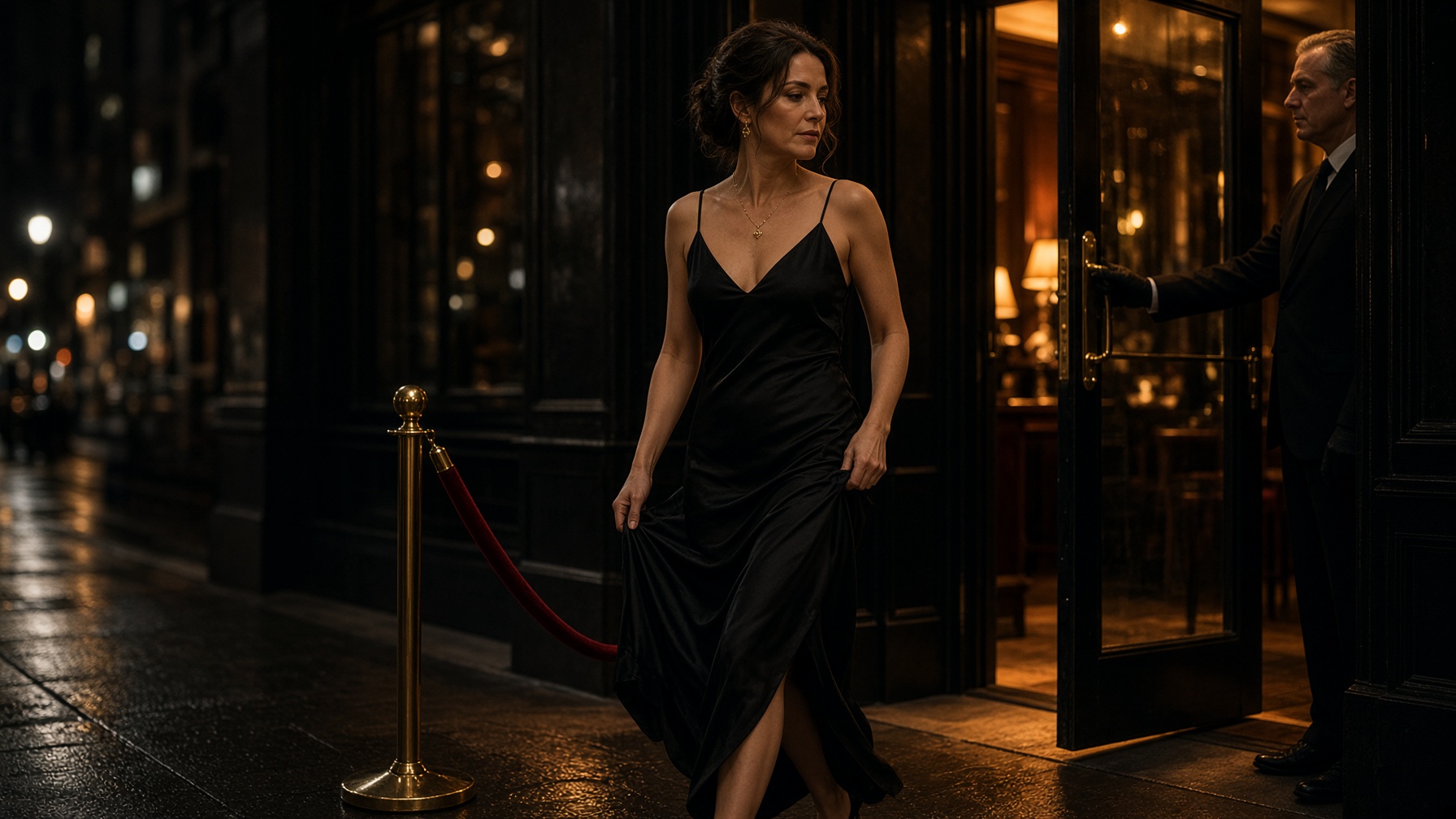
Velvet Rope Wars: Inside Manhattan’s Billionaire Battle for the City’s Most Exclusive Members-Only Clubs
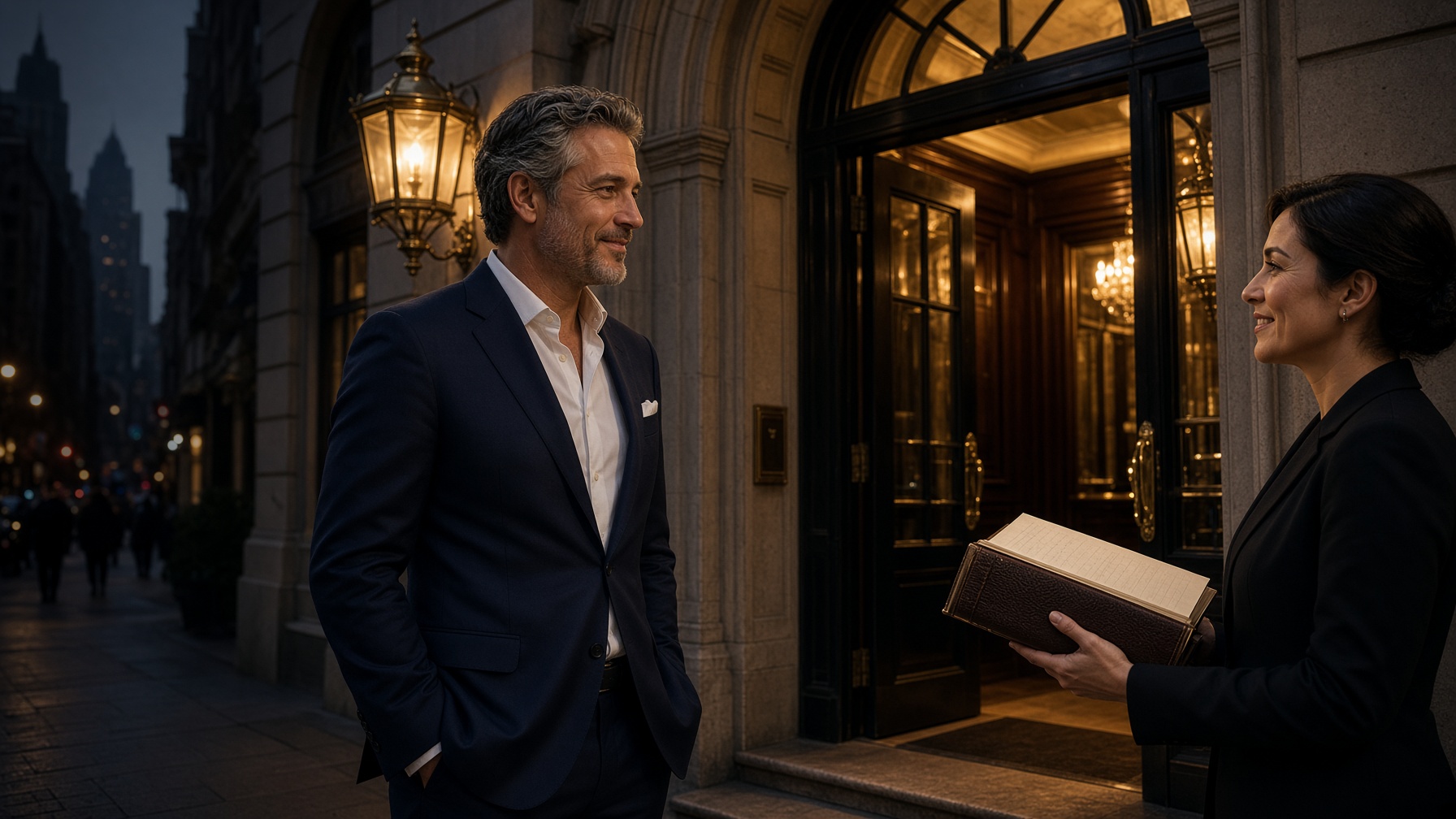
[REPLACES LIVE POST 15775] The Best Private Clubs in NYC, Ranked by How Hard It Is to Get In

Rejected: The Secret Committees Deciding Who Gets Into Manhattan’s Private Clubs

Hedge Funders, Heiresses and Hangers-On: A Field Guide to the People Inside Manhattan’s Private Clubs
Categories
- Art
- Articles
- Business of Luxury
- Celebrities
- Culture
- Entertainment
- Events
- Faces of Summer 2026
- Fashion
- Fashion & Style
- Featured
- Finance
- Food, Spirits, Wine
- Hamptons
- Hamptons Celebrities
- Health
- Health & Beauty
- Lifestyle
- Luxury Lifestyle
- Press
- Profiles
- Real Estate
- Technology
- The Chronicles
- Travel
- Uncategorized
- Weddings