
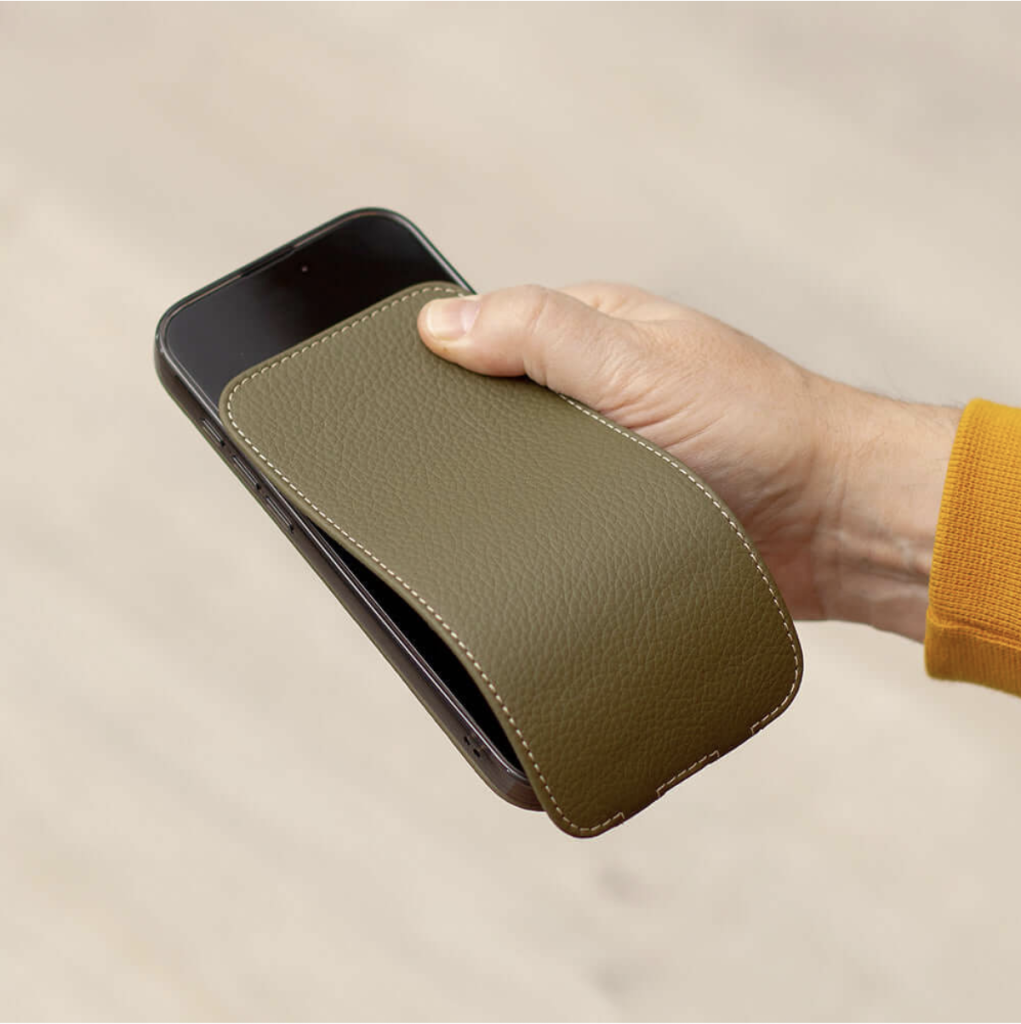
Personal style is rarely defined by a single statement piece. More often, it emerges through the details: the texture of a leather bag, the proportions of a watch, the way a jacket fits, or the choice of accessories that accompany someone through the day. A phone case belongs to this quieter language of dressing. It is carried everywhere, handled constantly, and seen in settings that range from professional meetings to relaxed evenings out.
Yet appearance is only part of the decision. An attractive case can quickly become an inconvenience if it feels slippery, adds unnecessary weight, or makes charging awkward. The most satisfying choice is one that fits naturally into everyday routines while complementing the objects and clothing already in regular use. It should feel considered without appearing overly precious.
For someone who appreciates understated accessories, a handcrafted leather iPhone cases design offers one way to bring a more tactile quality to an otherwise familiar device. Leather introduces warmth, subtle texture, and a sense of individuality, while its finish can sit comfortably alongside both casual and tailored wardrobes. The appeal is not simply decorative. It comes from finding a material and construction that remain pleasant and useful long after the initial impression.
The silhouette that speaks before you do
A phone has its own carefully considered shape, and a case inevitably changes it. Some designs preserve the original outline, adding little more than a protective layer. Others introduce stronger edges, pronounced corners, or a more substantial profile. The difference is similar to choosing between a finely tailored jacket and a structured coat: each has its place, but the proportions need to feel right.
A good fit is the starting point. The case should sit securely around the device without loose edges or awkward gaps. Camera openings need to align properly, while buttons should remain easy to reach. Even small inconsistencies can make an accessory feel poorly considered.
Protection without the bulk tax
Everyday protection is about anticipating ordinary mishaps rather than preparing for an unlikely extreme. Phones are placed on café tables, slipped into bags, carried through busy streets, and occasionally dropped. A case should account for these habits without making the device unnecessarily difficult to handle.
Raised edges around the screen and camera can help prevent direct contact with flat surfaces. Reinforced corners provide another useful detail, since these areas are often exposed when a phone falls. The quality of the construction matters just as much as the choice of material. A secure fit and well-finished edges are more meaningful than exaggerated promises about durability.
There is no need to confuse protection with bulk. A thoughtfully designed case can provide everyday defense while preserving a relatively slim profile. The right balance depends on how often the phone travels, where it is carried, and how much additional protection its owner actually needs.
Material stories: leather, metal, and everything in between
Materials give an accessory much of its personality. Full-grain leather has a natural surface that may show subtle variations in texture and color. With use, it can develop a patina, gradually reflecting the way it is handled. This changing appearance is part of its appeal, although leather also requires reasonable care and may respond differently to moisture, sunlight, and friction.
A leather case can complement a wardrobe built around natural fabrics, wool, denim, and carefully chosen accessories. It brings a softer counterpoint to the glass and metal of a modern phone. For those who prefer a different aesthetic, brushed metal offers a more architectural character, woven fabrics introduce texture, and contemporary composites provide additional options for lightweight construction.
The hand-feel factor
A case is experienced through touch as much as sight. Its surface determines how confidently the phone rests in the palm, while its weight and edges influence comfort during longer periods of use.
An overly smooth finish may feel less secure, particularly when handling the phone with one hand. Deep textures can improve grip, but they should not feel abrasive. Soft-touch surfaces, carefully finished leather, and matte materials each offer a different tactile experience.
Button response is another detail worth testing. Buttons should be easy to locate and press without excessive force. The case should not make ordinary actions feel awkward or require the user to adjust a familiar grip. These details rarely stand out in a product photograph, but they become apparent almost immediately in daily use.
Pocket-deep: thinness as a daily luxury
The convenience of a phone case is often measured in small moments. Does the phone slide easily into a coat pocket? Does it fit comfortably beside a wallet in a compact bag? Can it be picked up without catching on fabric or feeling unusually heavy?
A slim case makes these routines easier, particularly for people who carry only a few essentials. However, thinness should not come at the expense of a secure fit or useful protection. The goal is a balanced profile, not the smallest possible amount of material.
It is also worth considering how the case changes the phone’s overall dimensions. A design that looks minimal on its own may still add noticeable width around the corners. Good proportions matter more than a specification considered in isolation.
Style that earns its keep
The most versatile accessories rarely belong to just one occasion. A dark brown or black case can work with business clothing, weekend layers, and travel essentials. Muted shades offer similar flexibility, while a more distinctive color or texture can provide a personal accent without overwhelming an outfit.
The style of a phone case should feel consistent with the way its owner dresses and moves through the day. Someone who favors minimal tailoring may prefer clean lines and a discreet finish. A more expressive wardrobe can accommodate stronger colors or unusual materials. Neither approach needs to follow a fixed set of rules.
Author

Written by
Recent Posts
Best family cars and SUVs for Chicago winters
Beyond Rental Income: How to Protect the Long-Term Value of an Apartment Building
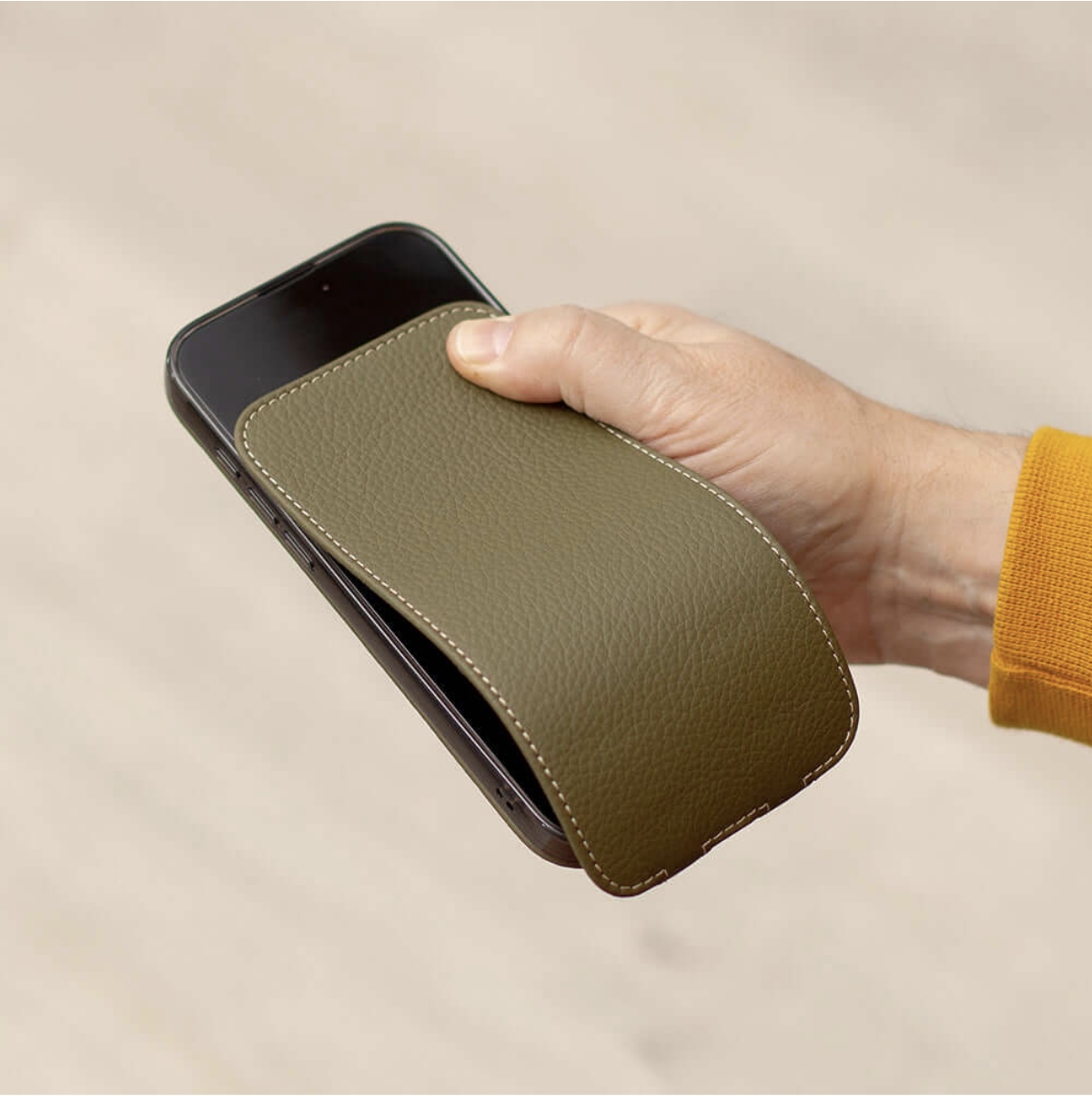
The art of everyday carry: choosing a phone case that balances personal style and practicality
Wild Tomorrow Raises Over $815,000 at Historic Final Gala at The Plaza Hotel Before Landmark’s Four-Year Restoration

Is Your Social Calendar Draining You?
Categories
- Art
- Articles
- Business of Luxury
- Celebrities
- Culture
- Entertainment
- Events
- Faces of Summer 2026
- Fashion
- Fashion & Style
- Featured
- Finance
- Food, Spirits, Wine
- Hamptons
- Hamptons Celebrities
- Health
- Health & Beauty
- Lifestyle
- Luxury Lifestyle
- Press
- Profiles
- Real Estate
- Technology
- The Chronicles
- Travel
- Uncategorized
- Weddings