

The question comes up at every Hamptons dinner party where caviar appears. Someone leans over and whispers: “How much does this stuff actually cost?” The answer varies more dramatically than most people realize, from $30 per ounce to over $300, depending on factors that aren’t always obvious.
Understanding caviar pricing separates savvy buyers from those who overpay for mediocrity or miss genuine value. Moreover, knowing what drives cost helps you evaluate whether a particular tin justifies its price tag. This guide breaks down exactly how much caviar costs across varieties, what influences pricing, and how to find quality without overspending.
Caviar Price Ranges: What You’ll Actually Pay
Caviar prices span an enormous range. At the entry level, you’ll find products around $30-50 per ounce. Meanwhile, rare Beluga from established producers can exceed $300 per ounce. Most quality sturgeon caviar falls somewhere between $80-150 per ounce, which is where serious buyers typically focus their attention.
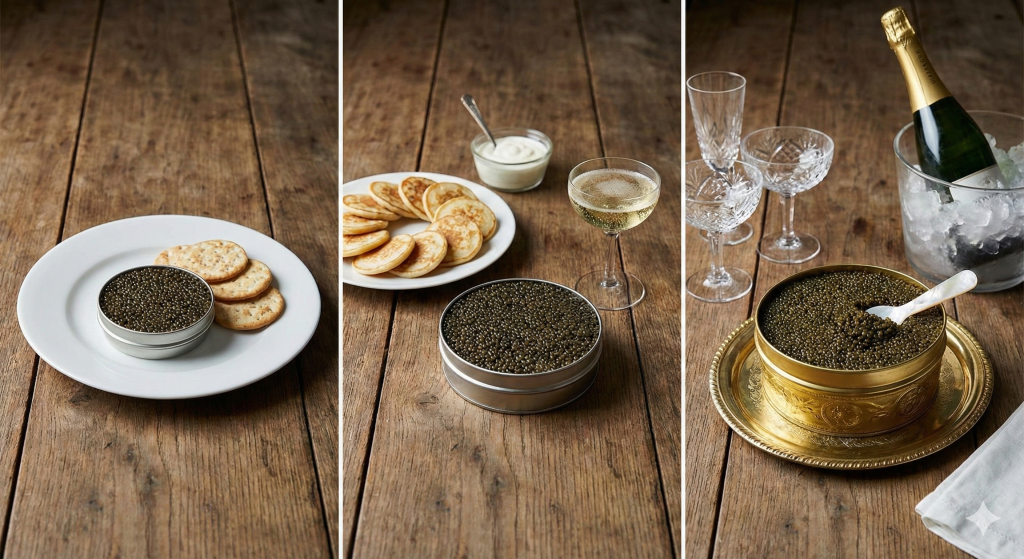
Entry-Level Options ($30-60 per ounce)
American paddlefish and hackleback caviar occupy this price tier. These domestic alternatives provide genuine sturgeon-family roe at accessible price points. Additionally, some imported varieties like Siberian sturgeon fall into this range when sourced from efficient farms.
At this level, expect smaller eggs with less complexity than premium varieties. Nevertheless, entry-level caviar works well for cooking applications, larger gatherings, and developing your palate without significant financial commitment. Quality varies considerably within this tier, so sourcing matters enormously.
Mid-Range Excellence ($80-150 per ounce)
This sweet spot includes most Osetra, Kaluga, and White Sturgeon caviar from reputable producers. Here you’ll find the best balance of quality and value. Furthermore, competition among producers at this level tends to keep quality high relative to price.
Specifically, expect medium to large eggs with developed flavor profiles, proper texture, and the characteristics that built caviar’s reputation. Many connoisseurs argue this tier delivers 90% of the premium experience at half the price. For regular consumption and entertaining, mid-range caviar makes practical sense.
Premium Territory ($150-250 per ounce)
Top-tier Osetra, Imperial selections, and specialty farm productions occupy this range. These products feature the largest eggs, most refined processing, and careful curation that justifies elevated pricing. Additionally, limited production from specific farms or particularly old sturgeons commands premium positioning.
At this level, you’re paying for exceptional rather than merely good. The difference from mid-range becomes subtle but perceptible to experienced palates. Special occasions, impressive guests, and personal indulgence warrant premium purchases.
Rare and Exceptional ($250+ per ounce)
True Beluga, when available, commands the highest prices. Almas caviar (from albino Beluga sturgeon) represents the absolute peak, occasionally exceeding $1,000 per ounce. However, these ultra-premium products remain rare due to conservation restrictions and limited supply.
Frankly, most buyers will never need to shop at this level. The premium tier delivers exceptional experiences for all but the most discerning collectors. Unless provenance and rarity matter specifically to your goals, saving money at lower tiers makes sense.
Price differences reflect real factors in production, not arbitrary positioning. Understanding these drivers helps evaluate whether specific products justify their asking prices.
Sturgeon Species
Different sturgeon species produce different caviar, and rarity directly affects price. Beluga sturgeon take 15-25 years to mature, creating natural scarcity. Conversely, Siberian sturgeon mature in 5-7 years, enabling more efficient production and lower prices.
Species also determines egg characteristics. Beluga produces the largest eggs with distinctive buttery flavor. Osetra offers medium eggs with nutty complexity. Sevruga yields smaller, more intensely flavored pearls. Each commands different market positions based on supply, demand, and perceived prestige.
Age and Size of the Fish
Older, larger sturgeons generally produce superior caviar. The eggs develop more complexity and larger size as the fish matures. Consequently, caviar from 15-year-old sturgeon costs more than identical species at 8 years.
Some producers specifically market caviar from exceptionally old fish. “Imperial” or “Royal” designations often indicate larger eggs from mature sturgeons rather than different species. These premiums reflect genuine quality differences, though the magnitude of improvement varies.
Processing Method
How caviar is processed significantly affects both quality and price. Malossol (low-salt) processing requires fresher eggs and more careful handling but produces superior flavor. Higher-salt processing extends shelf life at the cost of taste refinement.
Additionally, some producers pasteurize caviar to extend shelf life dramatically. While pasteurization enables broader distribution, it alters texture and mutes flavor. Fresh, unpasteurized malossol caviar commands premium prices because it requires more sophisticated supply chains.
Farming Conditions
Sturgeon farming quality varies enormously worldwide. Premium farms maintain optimal water conditions, careful feeding programs, and stress-free environments that produce better eggs. Meanwhile, cost-focused operations prioritize efficiency over quality.
Geographic factors matter too. Labor costs, regulatory requirements, and operational expenses differ significantly between producing countries. Italian and French farms often charge more than Chinese operations, though quality differences don’t always align with price differences.
Brand and Reputation
Established caviar houses with proven track records command premium pricing. Their brands represent quality assurance and consistency that newer producers haven’t yet established. Furthermore, prestigious names carry social signaling value at events and gifts.
However, brand premiums don’t always reflect product superiority. Some smaller producers deliver excellent quality without the marketing overhead that established names carry. Savvy buyers evaluate product quality independently rather than relying solely on brand reputation.
Caviar Price Comparison by Type
Comparing prices across varieties helps establish realistic expectations for your budget.
Beluga Caviar Price
Genuine Beluga remains the most expensive variety, typically ranging from $200-400 per ounce when available. Import restrictions in some countries (including historical US bans) affect availability and price. Hybrid Beluga varieties cost somewhat less while offering similar characteristics.
The Beluga premium reflects both quality factors and scarcity. Long maturation periods limit supply regardless of demand. If Beluga specifically matters to you, expect significant investment. Otherwise, excellent alternatives exist at lower price points.
Osetra Caviar Price
Osetra typically ranges from $80-180 per ounce depending on grade and source. Golden Osetra (from older fish with lighter-colored eggs) commands the highest prices within this variety. Standard Osetra offers exceptional value for most applications.
Many experts consider Osetra the best overall value in quality caviar. The flavor complexity rivals Beluga while prices remain significantly more accessible. For regular entertaining and personal consumption, Osetra represents the smart choice.
Sevruga Caviar Price
Sevruga generally costs $70-150 per ounce, falling slightly below Osetra in most markets. The smaller eggs and bolder flavor profile appeal to specific preferences rather than commanding universal premium positioning.
Interestingly, Sevruga’s intense flavor makes it particularly suitable for dishes where caviar must stand up to other ingredients. Consequently, it offers good value for culinary applications beyond pure tasting.
Kaluga Caviar Price
Kaluga hybrid caviar ranges from $80-140 per ounce, positioning as a Beluga alternative. The large eggs and buttery flavor profile approximate Beluga characteristics at substantially lower prices. For those who prefer larger eggs without Beluga’s premium, Kaluga delivers excellent value.
American Caviar Prices
Domestic options provide budget-friendly entry points. Hackleback caviar typically costs $40-60 per ounce. Paddlefish runs $30-50 per ounce. American White Sturgeon caviar falls in the $70-120 range, competing directly with imported mid-range options.
Supporting American aquaculture has additional appeal for some buyers. These domestic operations face strict regulatory oversight while contributing to local economies. Quality has improved dramatically as the industry matures.
How to Buy Caviar Without Overpaying
Smart purchasing strategies help maximize value without sacrificing quality.
Buy from Reputable Suppliers
Source caviar from established specialists rather than general retailers. Dedicated caviar suppliers maintain proper storage, rotate inventory appropriately, and stake their reputations on quality. Conversely, grocery stores often mishandle product and sell aging inventory.
Online specialists have expanded access to quality caviar nationwide. Look for suppliers who provide detailed sourcing information, maintain cold shipping capabilities, and offer satisfaction guarantees. Reviews from serious caviar buyers provide useful guidance.
Consider Timing
Caviar prices fluctuate seasonally and with harvest cycles. Some suppliers offer better pricing during production peaks when supply exceeds demand. Additionally, holiday seasons often bring promotional pricing as suppliers compete for gift purchases.
Subscribing to supplier newsletters alerts you to sales and special offerings. The same caviar that costs full price in summer might be discounted during slower periods.
Buy Appropriate Quantities
Larger tins typically cost less per ounce than smaller containers. If you’ll consume caviar within the refrigerated shelf life, buying larger quantities saves money. However, purchasing more than you’ll use before degradation wastes the savings.
For most households, 1-2 ounce tins make practical sense for regular consumption. Larger tins suit entertaining or households with multiple caviar enthusiasts. Calculate your consumption patterns before buying bulk.
Match Quality to Application
Reserve premium caviar for pure tasting experiences where quality differences register fully. For cooking applications, caviar-topped dishes, or large parties where individual attention to each bite diminishes, mid-range options deliver appropriate quality.
This strategic approach stretches budgets effectively. Splurge when splurging matters; economize when it doesn’t. There’s no virtue in serving $200 caviar to guests who won’t notice the difference from $80 alternatives.
How Much Caviar Do You Actually Need?
Understanding portion sizes helps budget accurately for events and regular consumption.
Per Person Serving Sizes
As an appetizer or tasting portion, plan for roughly 1 ounce (28 grams) per person. This provides a generous taste without overwhelming courses that follow. For caviar-focused experiences or serious enthusiasts, 1.5-2 ounces per person ensures satisfaction.
First-time tasters often need less because the experience is novel. Experienced enthusiasts may desire more. Reading your guest list helps calibrate quantities appropriately.
Event Planning Math
A small dinner party of 6 requires 6-8 ounces minimum, potentially 10-12 for generous service. Larger gatherings of 20+ people might need a full kilo (about 35 ounces) for proper hospitality. These quantities affect budget significantly.
For large events, consider offering caviar at a dedicated station where interested guests can help themselves. This prevents waste from guests who take obligatory portions but don’t actually want caviar. Self-service also lets enthusiasts enjoy seconds.
Cost Per Serving Examples
At mid-range Osetra prices ($100/oz), a proper 1-ounce serving costs roughly $100 per person. A table of 8 runs $800 for caviar alone. This contextualizes why caviar remains special-occasion food for most households.
However, smaller portions work for many contexts. A half-ounce taste ($50) still provides meaningful experience. Mixing premium and mid-range offerings across an event stretches budgets while maintaining quality perception.
Is Expensive Caviar Worth It?
The value question depends entirely on context, experience level, and priorities.
When Premium Makes Sense
Significant occasions warrant premium purchases. Deal closings, milestone celebrations, impressive important guests—these moments justify exceptional quality. Additionally, experienced tasters who can perceive subtle differences derive more value from premium products.
Gift-giving represents another premium-appropriate context. The recipient’s perception of quality and the impression you create matter beyond personal taste preferences. Premium brands signal care and sophistication that lesser products cannot match.
When Mid-Range Delivers
Regular entertainment, developing your palate, and feeding groups all favor mid-range selections. The quality difference from premium doesn’t justify cost multiples for these applications. Furthermore, most guests won’t perceive differences that matter primarily to experts.
Personal consumption also typically favors mid-range. Unless comparing directly to premium alternatives, quality mid-range caviar satisfies completely. Saving the premium budget for special moments makes financial sense.
The Diminishing Returns Reality
Beyond certain quality thresholds, additional spending yields decreasing marginal improvement. The jump from $30 caviar to $80 caviar is dramatic and obvious. The difference between $150 and $250 requires careful attention to perceive. Premium pricing often reflects scarcity and prestige as much as taste improvement.
Understanding this curve helps allocate spending rationally. Invest enough to reach quality levels you’ll actually appreciate. Spending beyond that point satisfies status concerns more than palate preferences.
Building a Caviar Budget
For those incorporating caviar into regular entertaining or consumption, systematic budgeting helps.
Occasional Indulgence
Monthly or quarterly caviar purchases might run $200-400 for mid-range options. This supports several tasting experiences or a single entertaining occasion. Treating caviar as an occasional luxury keeps spending manageable while maintaining quality.
Regular Consumption
Weekly caviar consumption, as discussed in our guide to caviar’s superfood properties, might run $400-600 monthly at mid-range prices. This reflects health-focused consumption patterns where the omega-3 benefits justify regular investment.
Entertaining Budget
Hosting several caviar-featuring events annually might require $2,000-5,000 depending on guest counts and quality levels. Many Hamptons households allocate specific entertaining budgets that include caviar as a regular component rather than extraordinary expense.
Those exploring caviar for fertility optimization should factor ongoing costs into health spending rather than entertainment budgets. The framing affects how you evaluate the investment.
Where Prices Are Heading
Market dynamics affect future caviar pricing in several directions.
Aquaculture Improvements
Farming efficiency continues improving, gradually reducing production costs. Chinese farms have dramatically increased global supply over the past two decades. As farming technology advances, quality-adjusted prices may continue moderating.
Sustainability Pressures
Conversely, sustainability concerns and regulatory changes could restrict supply. Wild sturgeon populations remain under pressure. Stricter aquaculture regulations might increase production costs. Premium positioning for demonstrably sustainable products may command growing premiums.
Demand Growth
Growing affluence in emerging markets increases global caviar demand. Chinese domestic consumption now absorbs significant production that previously exported. Supply-demand dynamics could push prices upward even as production expands.
For buyers, current pricing may represent reasonable value relative to future markets. Locking in relationships with preferred suppliers and understanding quality markers positions you well regardless of price movements.
The Bottom Line on Caviar Costs
Quality caviar costs real money, ranging from $30 per ounce for entry-level domestic options to $300+ for rare Beluga. Most buyers find optimal value in the $80-150 range where Osetra and similar varieties deliver excellent quality without extreme premiums.
Understanding what drives price—species, age, processing, farming, brand—helps evaluate whether specific products justify their cost. Strategic purchasing, appropriate quantity planning, and matching quality to application maximize value from your caviar budget.
Ultimately, caviar pricing reflects the extraordinary time and resources required to produce it. Sturgeon take years or decades to mature. Processing requires expertise and careful handling. Cold chain logistics add cost. The premium you pay reflects genuine value creation, not arbitrary markup.
For those who appreciate what quality caviar actually tastes like and understand its anti-inflammatory health benefits, the cost becomes an investment in experiences and wellbeing rather than mere expense. That reframe makes all the difference.
For questions about caviar or to place a special order, contact contributor Lisa Singer at lisachristinesinger@gmail.com or message her on Instagram @laboutiqueducaviar
Experience the Hamptons Lifestyle
Social Life Magazine has covered Hamptons culture, cuisine, and celebration for over two decades. For exclusive access to the events, people, and lifestyle that define East End sophistication, subscribe to our print edition or join our email list for weekly insider updates.
Join us at Polo Hamptons this summer. Where quality is never questioned and value is always delivered.
Related Reading: Is Caviar the Ultimate Superfood? | The Insider’s Guide to Hamptons Fine Dining
Support independent Hamptons journalism. Contribute $5 to keep our coverage free.
Author

Written by
Recent Posts

Cynthia Erivo Net Worth: The Voice That Was Always There

Inside Out 2, Wicked, and the Emotional Blockbuster That Ate 2024
7 Mindful Meal Prep Tips for Stop Food Waste Day

Rebecca Ferguson Net Worth: The Advantage of Not Being the Lead
What Makes a Dinner Party Truly Unforgettable (Hint: It’s Not the Food)
Categories
- Art
- Articles
- Beauty & Skincare
- Celebrities
- Celebrities|Entertainment
- Celebrities|Television
- Celebrities|The Chronicles
- celebrities|the-archive
- Chronicles
- Entertainment|Culture
- Event Photos
- Events
- Fashion
- Fashion & Style
- Featured
- Food & Beverage
- Food, Spirits, Wine
- Hamptons
- Hamptons Celebrities
- Hamptons Celebrities|Celebrities|The Chronicles
- Health
- Health & Beauty
- Lifestyle
- Luxury Lifestyle
- Movies
- Press
- Profiles
- Real Estate
- Technology
- The Chronicles
- Travel
- Uncategorized
- Weddings