
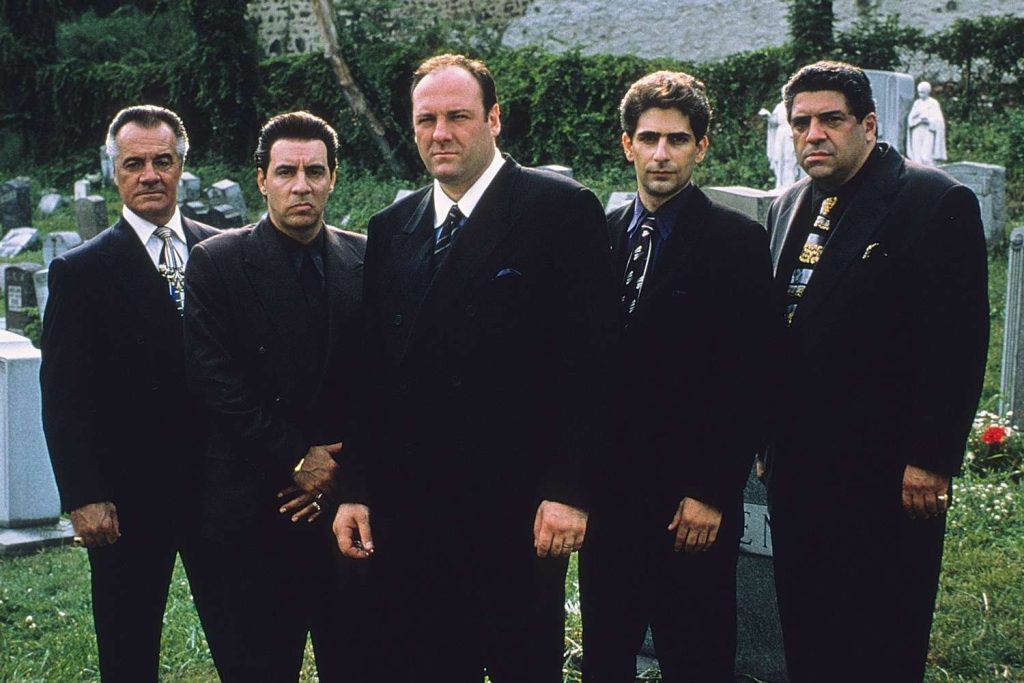
The prestige TV antihero cast net worth story is not about money. It is about what we paid, collectively, as a culture, for the privilege of spending a decade watching terrible men do terrible things and calling it entertainment. Then calling it art. Then calling it a lifestyle.
Three shows built this architecture of moral confusion. The Sopranos. Breaking Bad. Mad Men. All three premiered on cable television. All three centered a white man behaving badly. Everyone was understood by its creators as a cautionary tale about the consequences of unchecked ambition, violence, and self-deception. And each was received by its audience as something closer to an instruction manual.
The Thesis Nobody Intended
David Chase created Tony Soprano to expose the banality of evil. Vince Gilligan created Walter White to chart the moral disintegration of an ordinary man. Matthew Weiner created Don Draper to dissect the hollow glamour of American aspiration. All three creators have said, publicly and repeatedly, that their protagonists are not heroes. They are warnings.
Of course, the audience did not get the memo.
The Wall Street Problem
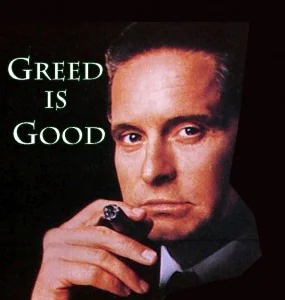
This is not a new phenomenon. Oliver Stone made Wall Street in 1987 as a critique of financial greed. Gordon Gekko’s “greed is good” speech was written as satire. Within a year, Wall Street recruiters reported a surge in applications from young men who cited the film as their inspiration for entering finance. In other words, Stone had made a film about the corruption of the American soul. The American soul watched it, took notes, and asked where to apply.
Inevitably, the same pattern repeated. Boiler Room in 2000 depicted securities fraud as the logical endpoint of masculine ambition. Naturally, aspiring traders memorized the speeches. Likewise, Wolf of Wall Street in 2013 showed Jordan Belfort’s life as a catastrophe of addiction, fraud, and institutional destruction. The audience saw Leonardo DiCaprio throwing money from a yacht and decided the catastrophe looked fun.
Cautionary tale became aspirational blueprint. That conversion, that alchemical transformation of warning into instruction, is the central cultural event of the past thirty years. Television did not invent it. But television perfected it, because television had something film did not: time. A two-hour movie can show you a villain’s downfall. A six-season television series lets you live inside the villain’s worldview long enough to adopt it.
The Sopranos — Where the Infection Began
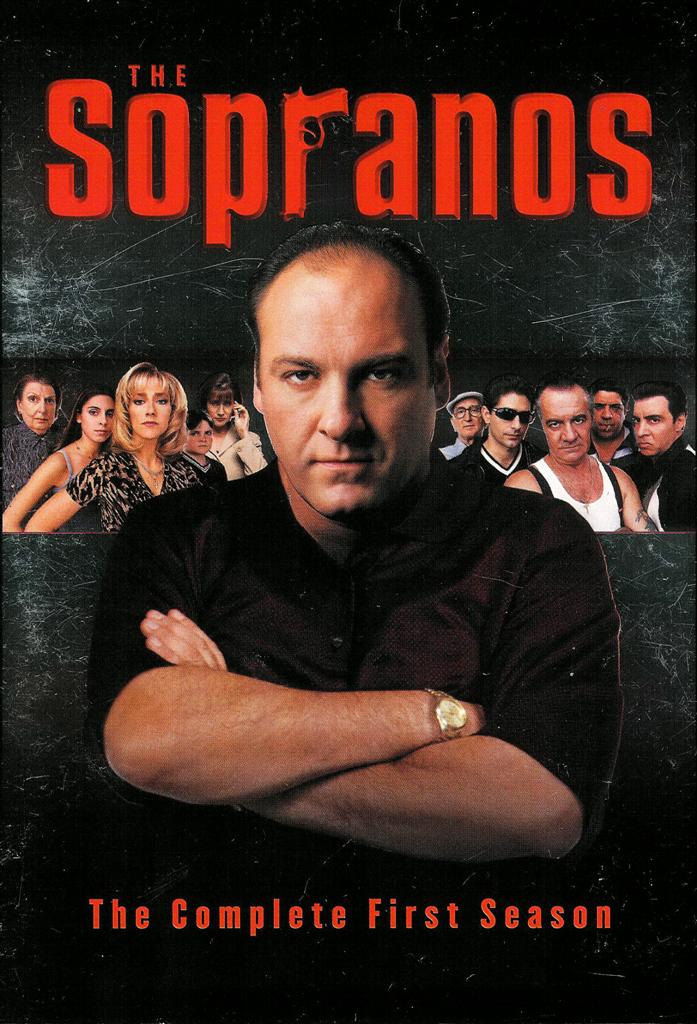
The Sopranos premiered on HBO in January 1999 and ran for six seasons. James Gandolfini earned approximately $50 million from the series across its run. The show generated an estimated $2.5 billion in total revenue for HBO when you account for subscriptions, syndication, and the cultural credibility that positioned HBO as the prestige television destination for the next two decades. The combined cast net worth exceeds $200 million.
In fact, those numbers matter because they quantify something that is usually discussed in qualitative terms: the market value of moral ambiguity. As a result, HBO discovered that audiences would pay premium subscription rates to watch a murderer attend therapy, kiss his children goodnight, and feed the ducks in his swimming pool. The ducks are doing the work of moral laundering. Consequently, they make Tony Soprano feel human. After all, human means relatable. Obviously, relatable means likable. Ultimately, likable means profitable.
What Tony Soprano Taught Us
Tony Soprano taught American audiences three things that changed how they think about power, morality, and success. First, that violence is a management tool. Specifically, Tony runs his organization the way a CEO runs a corporation, with strategic thinking, personnel management, and the occasional termination that is more literal than metaphorical. The business vocabulary that the show overlays onto mob activity normalizes violence by translating it into a language that corporate professionals already speak.
Second, that therapy is a luxury good. For instance, Tony’s sessions with Dr. Melfi became cultural shorthand for the idea that self-awareness is a form of sophistication rather than a path to behavioral change. Clearly, he understands his problems. Articulates them eloquently. Never stops committing them. Naturally, viewers absorbed this model: insight without accountability, self-knowledge as performance rather than catalyst.
Third, that New Jersey is the unconscious of New York. Geographically, the show positioned the suburbs as the place where the appetites that Manhattan’s professional class suppresses are acted out without pretense. In contrast, your hedge fund manager neighbor drives a Mercedes and follows the law. Tony Soprano drives a Cadillac and follows his instincts. The hedge fund manager watches Tony and feels, perhaps without admitting it, envy.
For the full cast breakdown, read our Sopranos Cast Net Worth hub.
Breaking Bad — The Chemistry of Moral Collapse
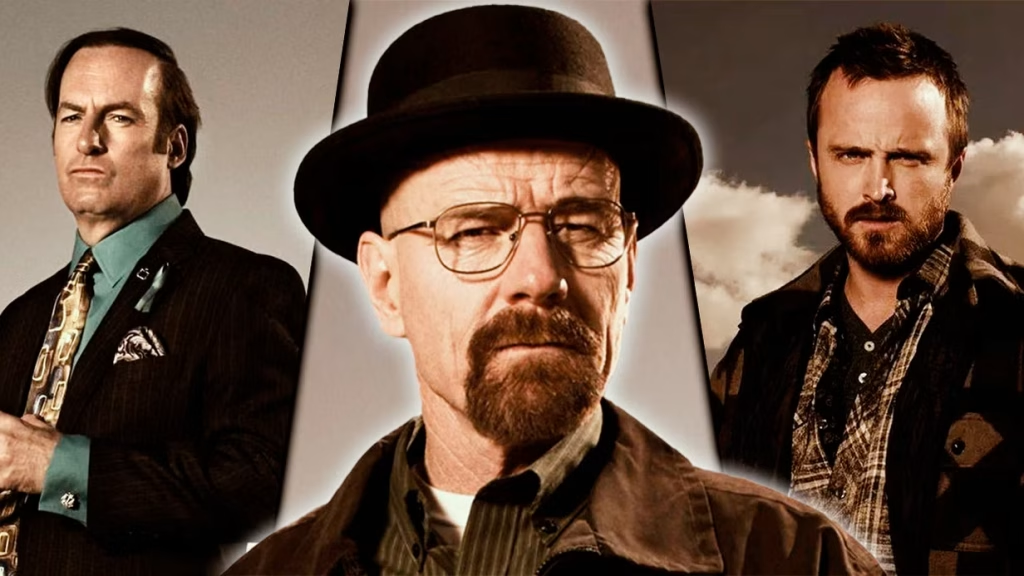
Breaking Bad premiered on AMC in January 2008 and ran for five seasons plus one sequel film. By the final season, Bryan Cranston earned approximately $225,000 per episode by the final season. The combined cast net worth exceeds $130 million. The show’s cultural impact is measured not in ratings, which were modest until the final season, but in the vocabulary it introduced to the American conversation: “I am the one who knocks.” “Say my name.” “I am the danger.”
Each of those lines is delivered by a man in the process of destroying everything he claims to be protecting. Nobody heard warnings. They heard power affirmations.
The Heisenberg Paradox
Walter White’s transformation from high school chemistry teacher to methamphetamine manufacturer is presented by Vince Gilligan as a tragedy. Specifically, a man with a terminal diagnosis chooses to secure his family’s financial future through crime and discovers that the crime is not the means to an end. It is the end. Power, danger, the identity of Heisenberg: these are what Walter actually wants. Family is the excuse. Cancer is the permission structure.
The audience was supposed to recognize this as horrifying. Indeed, many did. Many others recognized it as liberating. Instead, Walter White gave a generation of frustrated middle-class men a fantasy framework for reinterpreting their dissatisfaction as potential energy. You are not stuck. Certainly not mediocre. Simply a genius whose circumstances have not yet forced you to reveal your capabilities. The fantasy is seductive because it reframes every form of failure as untapped potential.
The Dos Hombres mezcal brand that Cranston and Aaron Paul co-founded is the final irony. In other words, two actors who played a meth cook and his junkie partner now sell artisanal liquor together. A cautionary tale about the drug trade became a brand equity platform for a luxury spirits company. The show warned against the glamorization of illegal substances. Yet its stars monetized the glamour into a legal one.
For the full cast breakdown, read our Breaking Bad Cast Net Worth hub.
Mad Men — The Beautiful Lie That Told the Truth
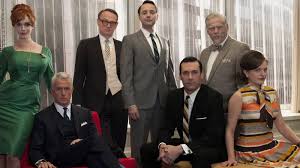
Mad Men premiered on AMC in July 2007 and ran for seven seasons. The show’s genius, which is also its danger, is that it made the 1960s advertising industry look so gorgeous that audiences forgot the point was to show them how the gorgeousness concealed misogyny, alcoholism, fraud, and the systematic dehumanization of everyone who was not a white man in a good suit.
Above all, Don Draper’s fundamental identity is a lie. He is not Don Draper. He stole a dead man’s name and built an empire on the theft. Weiner presents this as both his original sin and his defining talent: the ability to construct a compelling fiction and sell it so convincingly that even he believes it. In essence, that is advertising. That is also the American Dream. Mad Men argues that they are the same thing.
The Style Trap
The show’s visual design is so precise and so seductive that it functions as a counter-argument to its own thesis. Simply put, you cannot watch Mad Men without wanting the suits, the cocktails, the offices, the confidence. Visually, the aesthetic is doing the same work that Tony Soprano’s ducks do. It makes something dangerous look desirable. It converts criticism into aspiration.
For example, Brooks Brothers reported a measurable increase in sales of slim-cut suits during Mad Men’s run. Similarly, cocktail culture experienced a revival that industry analysts attributed directly to the show. Meanwhile, mid-century modern furniture prices spiked. A show about the emptiness of consumer culture stimulated consumer spending. Matthew Weiner made a show about how advertising manipulates desire. The show itself manipulated desire. The snake ate its tail and looked great doing it.
For the full cast breakdown, read our existing Mad Men Cast Net Worth hub.
The Unintended Consequences
What these three shows collectively taught their audience is a belief system that operates beneath conscious awareness and that influences decisions about money, power, relationships, and morality in ways the audience does not recognize as taught. The belief system has several components.
The Competence Defense
If you are good enough at what you do, moral rules become optional. Tony runs an efficient organization. Walter produces chemically pure methamphetamine. Don creates campaigns that move product. As a result, competence becomes its own justification. The audience absorbs this framework and applies it to their own lives. A trader who generates returns. An entrepreneur who disrupts industries. Some executive who delivers quarterly numbers. Therefore, excellence excuses everything. Or so the shows suggest, before showing the consequences, which the audience fast-forwards through to get to the next display of excellence.
The Family Shield
All three protagonists justify their worst behavior by invoking family. First, Tony kills for his family. Second, Walter cooks for his family. Don lies to protect his family. Every invocation is fraudulent. In reality, Tony kills because he enjoys power. Walter cooks because he enjoys the identity of Heisenberg. Don lies because lying is the only skill he trusts. But the family justification provides moral cover that the audience accepts because the audience also uses family to justify compromises they would rather not examine closely.
The Aestheticization of Violence
Each show makes violence beautiful. The Sopranos shoots mob hits with the compositional care of Renaissance paintings. Similarly, Breaking Bad uses the New Mexico desert as a canvas for moral disintegration. Mad Men’s violence is psychological, delivered in conference rooms and bedrooms with a cruelty that is all the more devastating for being dressed in mid-century elegance. Beauty makes the violence consumable. Consumable violence is entertainment. Entertainment generates revenue. Revenue funds more beautiful violence.
How It Changed What We Feel About the World
The generation that grew up on prestige TV antiheroes is now running companies, managing portfolios, and raising children. They absorbed Tony Soprano’s therapy-as-performance model. Furthermore, they internalized Walter White’s competence-as-morality framework. Adopted Don Draper’s style-as-substance aesthetic. These absorbed frameworks do not announce themselves as influences. They operate as assumptions, as the background radiation of a worldview that was shaped by six hundred hours of television consumed between the ages of twenty and forty.
The Wealth Connection
For the Hamptons audience specifically, the antihero model has a particular resonance because the Hamptons are where the competence defense, the family shield, and the aestheticization of power converge in physical space. Consider the hedge fund manager who summers in Bridgehampton and winters in Palm Beach has constructed a life that could be a prestige television episode. His house is beautiful. His family is photogenic. Money arrives through mechanisms that most people do not examine closely. The antihero taught him that this is fine. That competence justifies everything. That the aesthetics of success are indistinguishable from the ethics of success.
The combined net worth of every actor profiled in this pillar exceeds $400 million. Those actors earned that money by playing characters who believed that money could substitute for meaning. The irony is structural and it is permanent: the actors got rich teaching audiences that getting rich is not the point, and the audiences watched and decided that getting rich is absolutely the point, and then they got rich and moved to the Hamptons and watched the shows again on their home theaters and wondered why the endings felt so unsatisfying.
Those endings felt unsatisfying because the shows were trying to tell them something they had already decided not to hear.
The Next Chapter
Explore our Sopranos Cast Net Worth hub for Tony Soprano’s empire of therapy and violence. Read our Breaking Bad Cast Net Worth hub for Walter White’s chemistry of moral collapse. And revisit our Mad Men Cast Net Worth hub for Don Draper’s beautiful lie that told the truth.
The Financial Theology of the Antihero
Each show constructed a specific relationship between money and meaning that its audience internalized without recognizing the internalization was happening. Tony Soprano treats money as territory. It is conquered, defended, and redistributed according to power dynamics that have no relationship to merit. Walter White treats money as proof of competence. In fact, his buried barrels in the desert are not savings. They are trophies. Don Draper treats money as insulation. The more he earns, the thicker the buffer between his false identity and the world’s ability to penetrate it.
These three financial theologies, money as territory, money as trophy, money as insulation, map onto the three dominant wealth philosophies of the American professional class. A real estate developer who accumulates properties is playing Tony’s game. Some tech founder who tracks his net worth daily is playing Walter’s game. That private equity partner who maintains homes in four cities is playing Don’s game. Of course, none of them would admit the connection. Yet all of them are running the same software.
The Therapy Industrial Complex
Before The Sopranos, however, therapy carried a stigma among successful men. After The Sopranos, therapy became a status marker. As a result, Tony Soprano made it acceptable for powerful men to sit in a room and talk about their feelings, provided the feelings were discussed with clinical detachment and no intention of changing the behaviors that produced them. The show did not normalize therapy. It normalized performative therapy, the version where insight substitutes for accountability.
Consequently, this distinction matters financially. The Hamptons therapist charging $800 per session is selling something different from what a community mental health clinic provides. Rather, the product is not treatment. It is the performance of self-awareness, which functions in affluent social circles the way a luxury watch functions: as a signal that the wearer can afford to examine themselves without the examination threatening anything.
The Succession Connection
The direct descendant of all three shows is Succession, which took the antihero model and stripped away the last pretense of sympathy. The Roy family is not likable. Not relatable. Not performing competence the audience can admire. Simply rich and cruel, and the show dares its audience to keep watching without the comfort of a protagonist worth rooting for. Succession is what happens when the antihero model matures past the need for moral laundering. No therapy sessions. No family shields. Not a single duck in the swimming pool. Just power, exercised badly, by people who have enough money to never face consequences.
Moreover, Social Life Magazine covered the Succession cast net worth in a previous cluster. Naturally, that coverage connects directly to this pillar because Succession is the logical conclusion of the cultural process that The Sopranos initiated. After all, Tony Soprano was a murderer who loved his family. Walter White was a teacher who became a monster. Don Draper was a fraud who made beautiful things. Logan Roy is none of these. He is simply powerful. The progression from Tony to Logan tracks the audience’s own evolution: from needing moral complexity to justify their attention, to no longer needing justification at all.
What Comes Next
The prestige TV antihero era ended, roughly, with the final episodes of Breaking Bad and Mad Men. However, what replaced it is still being defined. The Bear centers a man whose ambition is destroying him, but the show frames the destruction as artistic rather than moral. Meanwhile, Severance divides its protagonist literally in half, externalizing the split that Tony, Walter, and Don maintained internally. Similarly, Industry shows young financiers whose moral compromises are so casual they do not register as compromises at all.
Above all, the common thread is acceleration. Each generation of prestige television requires less time to normalize what the previous generation spent seasons building toward. Tony Soprano needed six seasons to reveal his monstrousness. Walter White needed five. Characters on Industry reveal theirs in the pilot. Audiences have been trained. That training is complete. What remains is the question of what the training produced, and whether the produced thing, a culture that aestheticizes power and forgives competence and treats self-awareness as a substitute for change, is something we chose or something that was sold to us by the same advertising industry that Don Draper would have recognized as his own.
The answer is both. It always is.
The Mirror Economy
Social Life Magazine operates in the same economy these shows depicted and critiqued. Our readers are the people who understood Tony Soprano’s management style because they practice a version of it. Meanwhile, our advertisers are the luxury brands that Don Draper would have pitched. Similarly, our events attract the Hamptons households where Breaking Bad was binged on Sunday nights between charity galas and Monday morning trading sessions.
That is not a criticism. It is a description. These shows succeeded because they described their audience accurately, and their audience rewarded the accuracy with attention, subscription fees, and the kind of cultural engagement that generates billions in downstream economic activity. Social Life succeeds for the same reason. Likewise, we describe our audience accurately. We hold the mirror at the angle that reveals the most interesting reflection. And the reflection, for better or worse, includes everything these shows taught us about power, competence, and the aesthetics of a life well-funded if not always well-lived.
You are reading this because you already understand something most people scroll right past. The intersection of culture, money, and taste is not a Venn diagram. It is a mirror. Social Life Magazine has spent 23 years holding that mirror up to the people who shape the Hamptons, Manhattan, and the corridors between them. If you see yourself in these pages, we should talk. Reach out at sociallifemagazine.com/contact.
If your brand, your launch, or your personal story belongs in front of 82,000 affluent readers and a digital audience that keeps growing, our editorial features are built for exactly that moment. Learn more at Submit a Paid Feature.
Our email list reaches 82,000 subscribers who actually open, read, and act. If your audience is high-net-worth, culturally engaged, and based between Park Avenue and Montauk, you are already in the right place. Join the list.
Polo Hamptons returns to Bridgehampton this July with 1,200 guests, Getty Images coverage, and seven years of BMW title sponsorship behind it. If your brand belongs in that conversation, visit polohamptons.com.
A print subscription to Social Life Magazine puts 25,000 copies per issue into the boutiques, lobbies, and living rooms where decisions get made, from Westhampton to Montauk every summer and Upper East Side doorman buildings for Fall and Winter. Subscribe at sociallifemagazine.com/subscription.
If this publication has added value to your world and you want to support independent luxury journalism, you can contribute directly at our donation page.
Author

Written by
Recent Posts
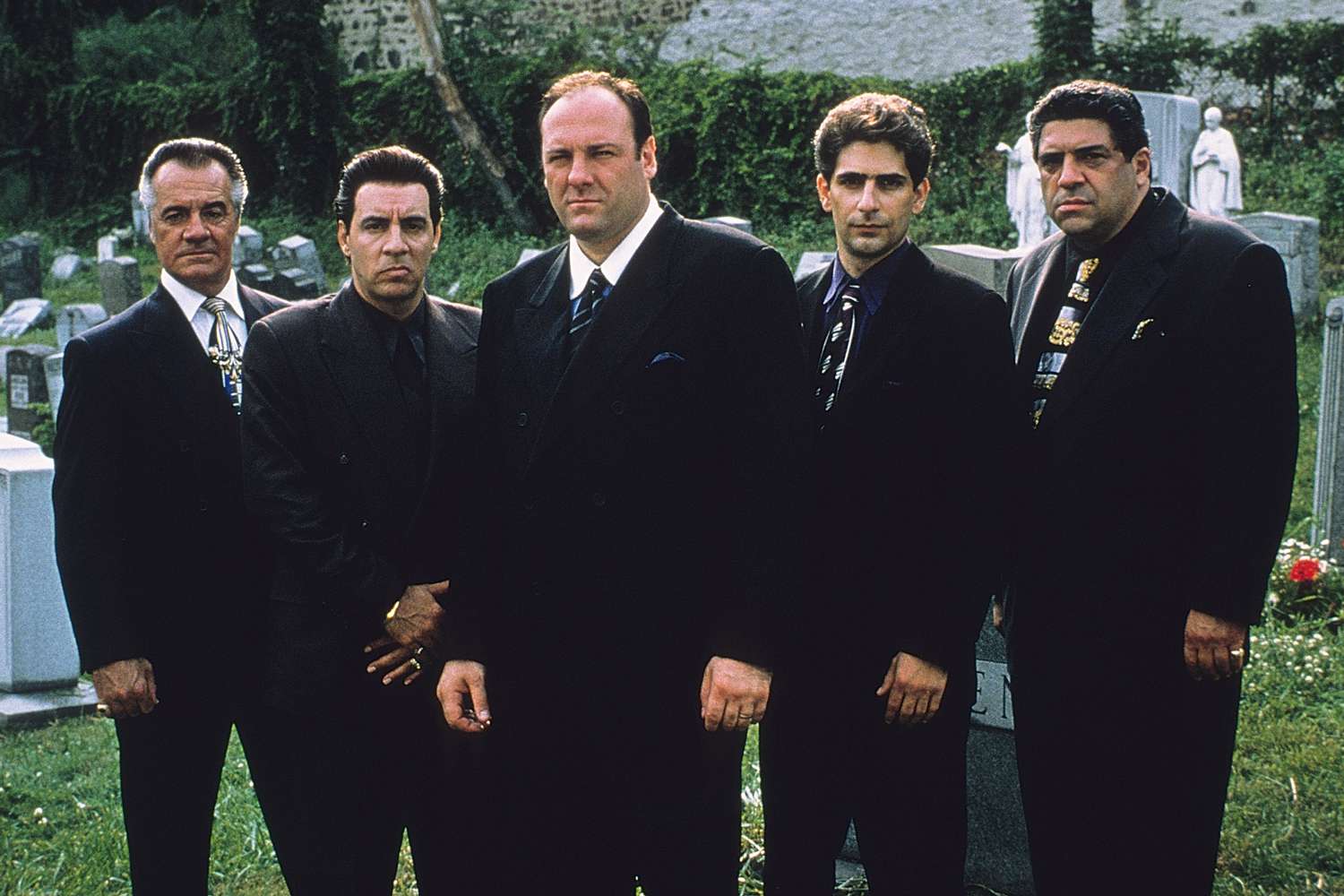
Prestige TV Antihero Cast Net Worth — How Television Taught America Villain Worship
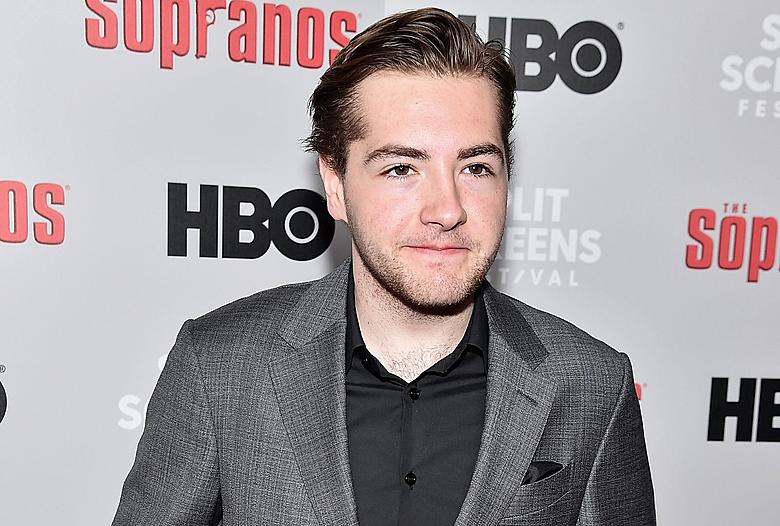
Michael Gandolfini Net Worth — He Found His Father on an HBO Set. That Discovery Is Worth $15 Million.
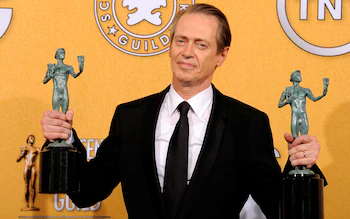
Steve Buscemi Net Worth. A Firefighter on 9/11. Worth $35 Million. That Explains Everything.
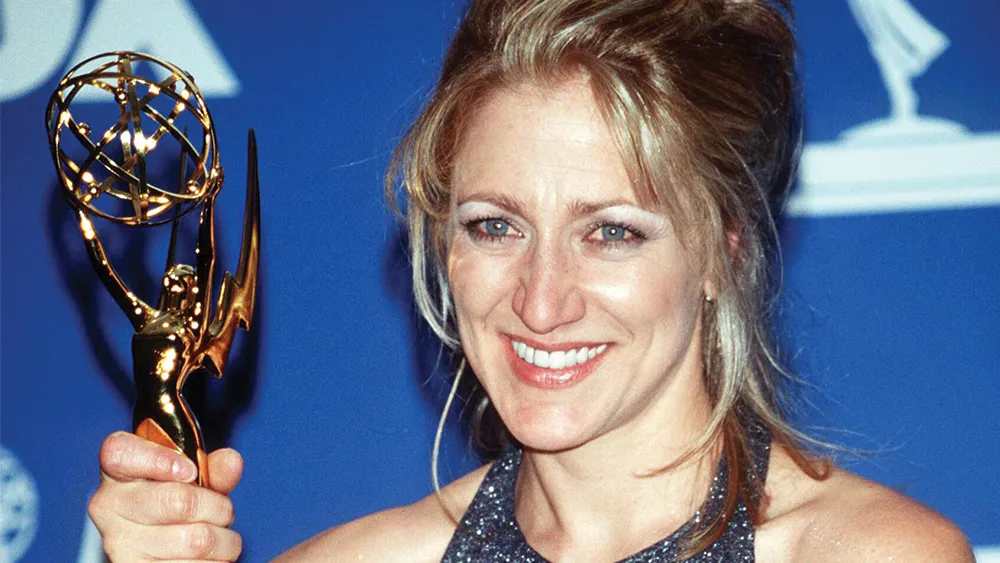
Edie Falco Net Worth — The Mob Wife. The Addicted Nurse. Both Made Her $40 Million.
Michael Imperioli Net Worth. He Got Fired. Then He Made $20 Million.
Categories
- Art
- Articles
- Beauty & Skincare
- Celebrities
- Celebrities|Movies
- Celebrities|The Chronicles
- Chronicles
- Entertainment|Culture
- Event Photos
- Events
- Fashion
- Fashion & Style
- Featured
- Food & Beverage
- Food, Spirits, Wine
- Hamptons
- Hamptons Celebrities
- Hamptons Celebrities|Celebrities|The Chronicles
- Health
- Health & Beauty
- Lifestyle
- Luxury Lifestyle
- Movies
- Movies|Culture
- Movies|Hamptons Lifestyle
- Press
- Profiles
- Real Estate
- Technology
- The Chronicles
- Travel
- TV
- Uncategorized
- Weddings