
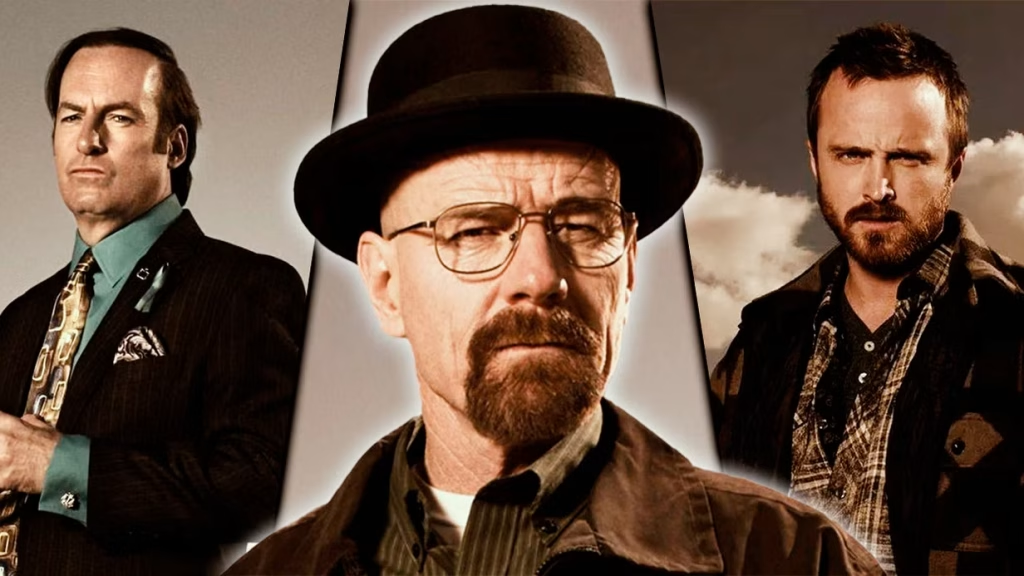
The Breaking Bad cast net worth story is the sequel to The Sopranos in the same way that methamphetamine is the sequel to gambling: different product, same addiction, same inability to stop once you start. Bryan Cranston, Aaron Paul, Bob Odenkirk, Giancarlo Esposito, and Anna Gunn built a combined fortune exceeding $130 million from a show that AMC almost did not greenlight because the premise sounded insane.
A high school chemistry teacher gets lung cancer and starts cooking meth. That pitch, delivered by Vince Gilligan to every major network, generated rejections from HBO, Showtime, and FX before AMC said yes. The network that said yes earned billions. The networks that said no earned a lesson in what happens when you evaluate art by its premise rather than its execution.
The AMC Gamble
AMC invested approximately $3 million per episode across sixty-two episodes. Total production costs landed around $186 million. In return, the show generated syndication deals, streaming licenses, and merchandise revenue that transformed AMC from a classic movie channel into a prestige television brand. However, the financial success was not immediate. Breaking Bad’s ratings were modest for its first three seasons. The show became a phenomenon only after Netflix began streaming earlier seasons, creating a binge-watching flywheel that drove new viewers to the live broadcast of each new episode.
The Netflix Multiplier
Netflix’s role in Breaking Bad’s success illustrates a principle that applies to every show in this pillar. Streaming does not just distribute television. It multiplies its audience by removing the appointment-viewing constraint that limited broadcast and cable audiences for decades. Specifically, viewers who missed season one could catch up on Netflix and join the live audience for season four. That catch-up mechanism drove ratings from 1.9 million viewers in season one to 10.3 million for the finale. Cast compensation, negotiated on early-season ratings, lagged dramatically behind the show’s actual cultural value.
Bryan Cranston. The $40 Million Reinvention
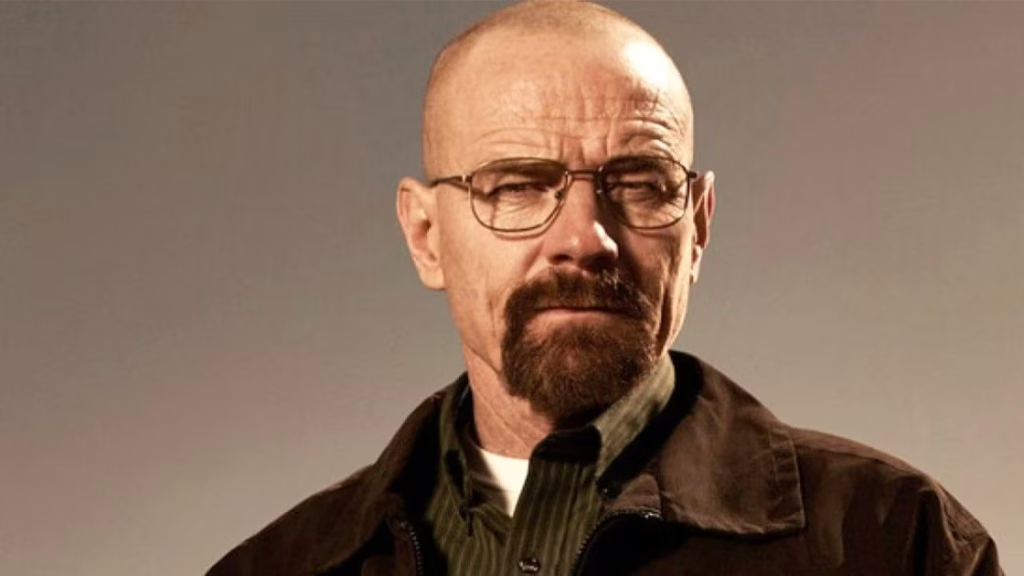
Bryan Cranston’s net worth sits at an estimated $40 million. He earned $225,000 per episode by the final season, a figure that sounds substantial until you compare it to the $1 million per episode that James Gandolfini earned on The Sopranos. The gap reflects the difference between HBO economics and AMC economics: both produce prestige television, but HBO pays more because its subscription model generates more revenue per viewer.
Before Breaking Bad, Cranston was Hal on Malcolm in the Middle. After Breaking Bad, he was Walter White. The distance between those two identities is the distance between a comfortable career and a $40 million fortune. Consequently, four consecutive Emmy wins, a Tony Award. the Dos Hombres mezcal brand with Aaron Paul created income streams that extend well beyond acting.
For the full origin story of television’s most dramatic career reinvention, read our Bryan Cranston net worth deep dive.
Aaron Paul. The $30 Million Career That Almost Died in Season One
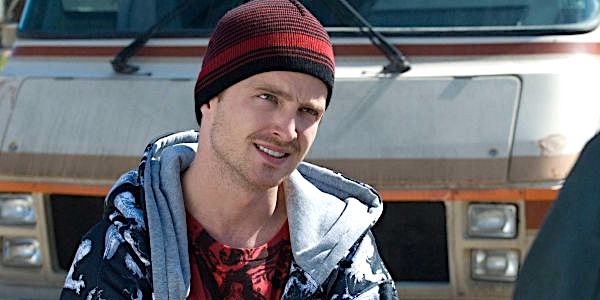
Aaron Paul’s net worth sits at an estimated $30 million. Jesse Pinkman was originally written to die in season one. Vince Gilligan changed his mind after seeing the chemistry between Paul and Cranston, a decision that generated thirty million dollars in career value for Paul and billions in cultural value for AMC. Three Emmy wins for Supporting Actor. The Dos Hombres mezcal partnership. An acting career that includes Need for Speed, Westworld. the El Camino sequel film.
For the full story of the Idaho preacher’s son who survived his own character’s death sentence, read our Aaron Paul net worth deep dive.
Bob Odenkirk. The $16 Million Comedy Writer Who Became a Dramatic Star
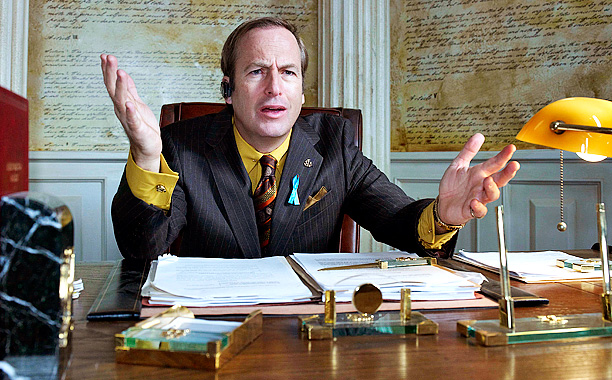
Bob Odenkirk’s net worth sits at an estimated $16 million. Saul Goodman was a guest character in season two. By the show’s end, the character had generated his own spinoff, Better Call Saul, which ran for six seasons and established Odenkirk as a dramatic actor of the first order. Before Breaking Bad, he was a comedy writer for Saturday Night Live and co-creator of Mr. Show. After Breaking Bad, he was an action star in Nobody and the lead of one of television’s most critically acclaimed dramas.
For the full origin story of the funniest man who ever made you cry, read our Bob Odenkirk net worth deep dive.
Giancarlo Esposito. The $12 Million Villain Renaissance
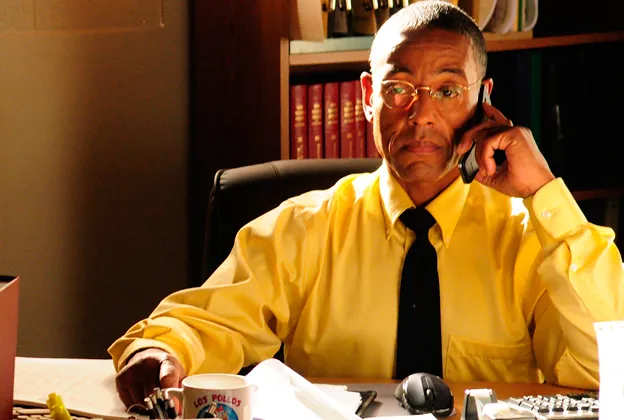
Giancarlo Esposito’s net worth sits at an estimated $12 million. Gus Fring is arguably the most terrifying villain in television history because his terror operates through politeness rather than violence. Esposito played him with a stillness so complete that every micro-expression felt like a threat assessment. After Breaking Bad, the Gus Fring credential opened doors to The Mandalorian, The Boys. a franchise-villain career that generates income at a rate his pre-Breaking Bad filmography never approached.
For the full origin story of the character actor who became television’s most in-demand villain, read our Giancarlo Esposito net worth deep dive.
Anna Gunn. The $6 Million Actress Who Was Hated for Being Right
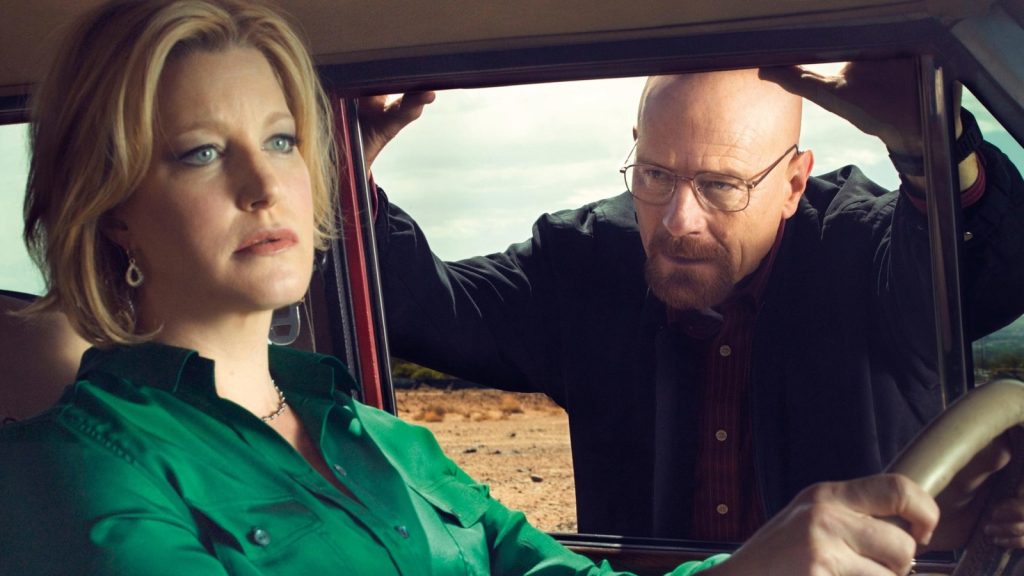
Anna Gunn’s net worth sits at an estimated $6 million. She played Skyler White, Walter’s wife, and received two Emmy Awards for the role. She also received death threats from viewers who despised her character for opposing Walter’s criminal enterprise. The hatred is the most revealing data point in this entire pillar. Audiences rooted so completely for the meth-cooking murderer that they hated the woman who tried to stop him. Gunn wrote a New York Times op-ed about the experience. the piece remains the clearest articulation of the antihero problem that this pillar examines.
For the full story of the actress who won two Emmys and was punished for playing the only moral character, read our Anna Gunn net worth deep dive.
What Breaking Bad Built Beyond Its Own Revenue
Breaking Bad’s most commercially significant legacy is Better Call Saul, which ran for six additional seasons and generated hundreds of millions in additional AMC revenue. The franchise also produced El Camino, a sequel film on Netflix. the Dos Hombres mezcal brand. It generates revenue that has nothing to do with television and everything to do with the cultural cachet that two beloved characters accumulated over five seasons of perfect television.
The Antihero Inheritance
Breaking Bad inherited the antihero model from The Sopranos and refined it into something more precise. Tony Soprano was born bad. Walter White chose bad. That distinction matters because choice implies that anyone could make the same choice. It means the audience watches Breaking Bad not as an observation of someone else’s moral failure but as a rehearsal of their own potential moral failure. The show asks: what would you do? And the uncomfortable answer, for millions of viewers, was that they would do exactly what Walter did.
For the Hamptons audience, that question has specific resonance. The financial professionals who summer in Bridgehampton make choices every day about how far to push ethical boundaries in pursuit of returns. They do not cook methamphetamine. They do, however, understand the Heisenberg principle at a cellular level: that competence justifies risk, that risk generates reward. that reward validates the competence that took the risk in the first place. The loop is the same. Only the product differs.
Explore our full Prestige TV Antihero Cast Net Worth pillar, or read our Sopranos Cast Net Worth and Mad Men Cast Net Worth hubs for the shows that share Breaking Bad’s DNA.
The Dos Hombres Paradox
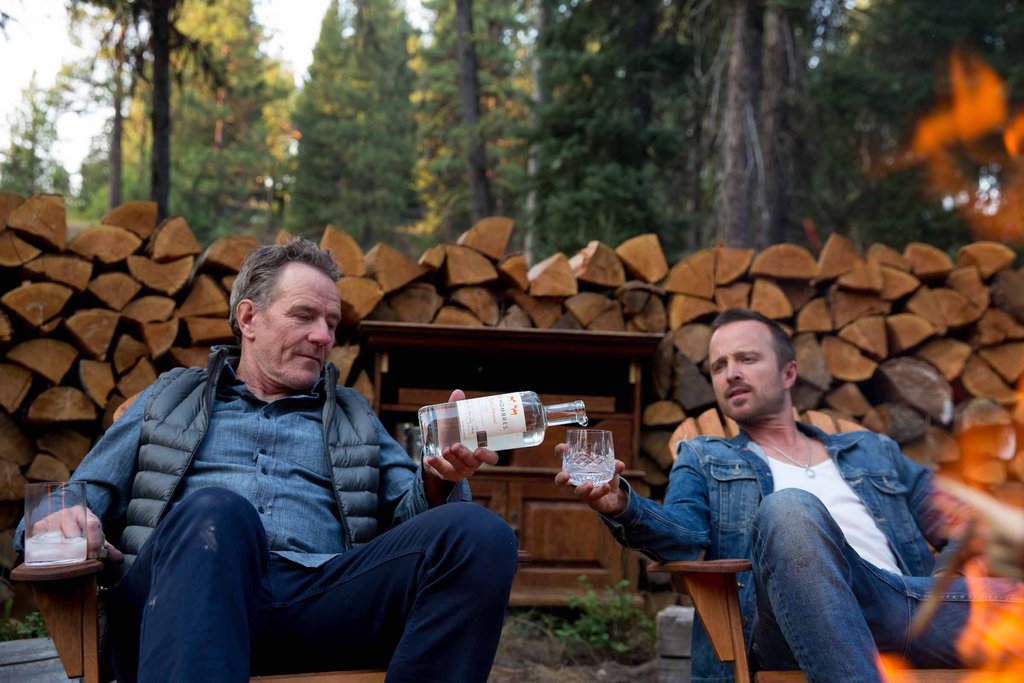
The most commercially ironic outcome of Breaking Bad is Dos Hombres, the mezcal brand Cranston and Paul co-founded in 2019. Two actors who spent five seasons portraying drug manufacturers now sell artisanal spirits together. The brand leverages Breaking Bad nostalgia without requiring either actor to cook anything illegal. It generates revenue while they sleep. The cautionary tale about the drug trade became a brand equity platform for a luxury spirits company.
For the Hamptons audience, this conversion is not ironic at all. It is familiar. The hedge fund manager who built his first fortune through aggressive trading now sits on nonprofit boards. The real estate developer who cut corners on his first project now endows architecture programs. This mechanism is identical: early-career risk generates the capital and credibility that fund later-career respectability. Cranston and Paul took the risk on screen. Dos Hombres is the respectability.
The Skyler Problem
Anna Gunn’s experience as Skyler White deserves separate attention because it reveals the gendered economics of the antihero era. Gunn won two Emmy Awards. She also received death threats from viewers who hated her character for opposing Walter’s criminal enterprise. The hatred is the most diagnostic data point in this entire pillar.
Audiences rooted so completely for the meth-cooking murderer that they despised the woman who tried to stop him. That emotional alignment, villain over moral opposition, is exactly the cultural phenomenon this pillar examines. Consequently, Gunn’s $6 million net worth, the lowest in the hub, quantifies the financial penalty for playing the right character in a culture that has been trained to root for the wrong one.
The Streaming Afterlife
Breaking Bad’s financial legacy extends well beyond its original run through streaming economics that the show’s creators could not have anticipated. Netflix’s early acquisition of Breaking Bad created the binge-watching phenomenon that drives the modern streaming economy. Every show that benefits from binge-watching owes a structural debt to Breaking Bad. Every streaming platform that generates revenue from catalog content owes one too. Breaking Bad proved audiences would consume entire seasons in single sittings.
The Real Returns
Furthermore, the cast continues earning residuals from every distribution window: the original AMC broadcast, syndication on various networks, Netflix streaming, and eventually whatever platform acquires the rights next. These residual payments, arriving quarterly for work completed years ago, represent passive income that compounds the cast’s net worth without requiring any additional labor. Bryan Cranston earns money from Breaking Bad while sleeping, while making mezcal, while rehearsing for his next Broadway show. That simultaneous multi-source income is the financial architecture that separates wealthy actors from merely well-paid ones.
The Better Call Saul spinoff deserves attention as a financial case study in franchise extension. Six additional seasons generated hundreds of millions in AMC revenue. More importantly, the spinoff proved that Breaking Bad’s universe could sustain multiple narratives simultaneously. El Camino extended Jesse’s story on Netflix. Better Call Saul extended Saul’s story on AMC. Each extension generated new revenue while increasing the value of the original series through renewed cultural attention.
The combined franchise, Breaking Bad plus Better Call Saul plus El Camino, spans thirteen seasons and one film across fifteen years of production. Total franchise revenue likely exceeds $2 billion. That figure makes the original premise, a chemistry teacher cooks meth, one of the most commercially successful pitches in entertainment history. The networks that rejected it presumably still wince when the subject comes up.
You are reading this because you already understand something most people scroll right past. The intersection of culture, money, and taste is not a Venn diagram. It is a mirror. Social Life Magazine has spent 23 years holding that mirror up to the people who shape the Hamptons, Manhattan, and the corridors between them. If you see yourself in these pages, we should talk. Reach out at sociallifemagazine.com/contact.
Your Brand, Your Launch
Your personal story belongs in front of 82,000 affluent readers and a digital audience that keeps growing, our editorial features are built for exactly that moment. Learn more at Submit a Paid Feature.
Our email list reaches 82,000 subscribers who actually open, read, and act. If your audience is high-net-worth, culturally engaged, and based between Park Avenue and Montauk, you are already in the right place. Join the list.
Polo Hamptons returns to Bridgehampton this July with 1,200 guests, Getty Images coverage, and seven years of BMW title sponsorship behind it. If your brand belongs in that conversation, visit polohamptons.com.
A print subscription to Social Life Magazine puts 25,000 copies per issue into the boutiques, lobbies, and living rooms where decisions get made, from Westhampton to Montauk every summer and Upper East Side doorman buildings for Fall and Winter. Subscribe at sociallifemagazine.com/subscription.
If this publication has added value to your world and you want to support independent luxury journalism, you can contribute directly at our donation page.
Author

Written by
Recent Posts

How to Choose Useful Tech Gifts for Employees and Clients in 2026
The Garage Question: Which Car Goes South for the Season?

VandS Clinic Review Treatment: How Seoul Injectable and Laser Options Compare for US Patients
Before Buying a View Home: What a Sloped Lot Means for the Purchase

Powerful Strategies to Stay Ahead in a Fast-Moving Real Estate Market
Categories
- Art
- Articles
- Business of Luxury
- Celebrities
- Culture
- Entertainment
- Events
- Faces of Summer 2026
- Fashion
- Fashion & Style
- Featured
- Finance
- Food, Spirits, Wine
- Hamptons
- Hamptons Celebrities
- Health
- Health & Beauty
- Lifestyle
- Luxury Lifestyle
- Press
- Profiles
- Real Estate
- Technology
- The Chronicles
- Travel
- Uncategorized
- Weddings