
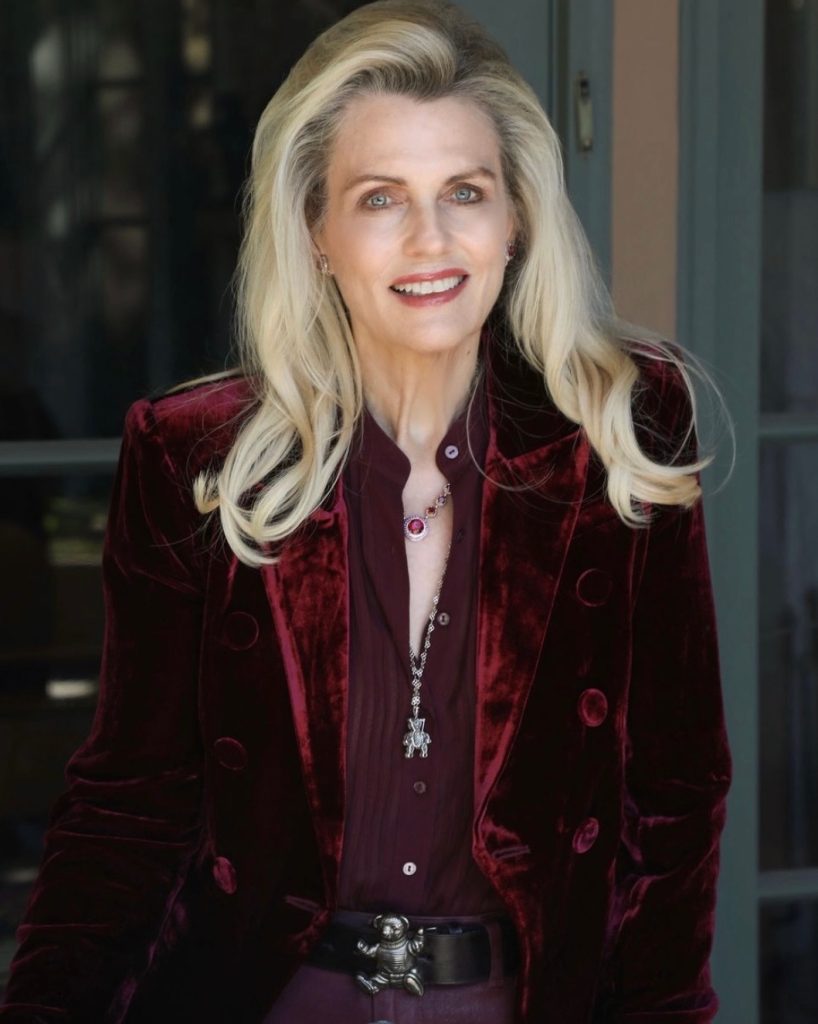
Through Race to Erase MS and Cure Addiction Now, the philanthropist is funding medical research, challenging conventional thinking and working to remove the stigma surrounding chronic disease. For more than three decades, philanthropist Nancy Davis has dedicated her life to advancing medical research, first in the fight to cure multiple sclerosis and now in the search for better treatments for addiction.
Diagnosed with multiple sclerosis in 1993, Davis founded Race to Erase MS that same year, determined to change the outlook for patients facing a disease with few treatment options. Since 1994, the organization has raised nearly $60 million, supporting research through its Center Without Walls, a collaborative network of leading scientists and medical institutions.
Today, Davis also leads Cure Addiction Now, an organization she established with her son Jason, who struggled with addiction and, in 2020, soon after relapsing after 9 months of sobriety, passed away from a double pulmonary embolism. Together, the two organizations represent a deeply personal mission to transform medical research and give patients and families hope.
Changing the Future of Multiple Sclerosis
When Davis received her MS diagnosis, she was a young mother of three facing a frightening prognosis. “They told me I should just go home and go to bed, and that I would basically never walk again,” she recalls.
Rather than accept that prediction, Davis began assembling leading researchers to investigate treatments for the disease. Her approach was unconventional: bring competing medical institutions together, encourage collaboration and eliminate duplicated research.
“We put a lot of the best of the best doctors together in the country, to work as a team, to never duplicate research, but to constantly communicate,” she explains. The results have been significant.
When Davis was diagnosed, treatment options were extremely limited. Today, approximately 25 FDA-approved medications are available for MS, including therapies that can substantially reduce disease activity. Research supported by Race to Erase MS contributed to scientific discoveries behind Ocrevus, an important B-cell therapy approved in 2017. Dr. Stephen Hauser of the University of California, San Francisco, has credited the foundation’s support of research that helped make the treatment possible.
The organization’s annual fundraising gala, scheduled for June 2027 at Los Angeles’ Fairmont Century Plaza, continues attracting prominent supporters from entertainment, fashion and business. But Davis insists the work remains unfinished. “We’re still not there,” she says. “We’re going to always keep doing this until we do it.”
A Mother’s Mission Against Addiction
Davis’s second organization grew from another devastating personal experience. She and Jason founded Cure Addiction Now to advance scientific research into substance use disorders, particularly treatments addressing cravings, withdrawal and relapse. Following Jason’s death, Davis became even more determined to fulfill their shared vision. “This was his dream, though, to start this charity together,” she says. “We’re really doing it, and things are changing quickly.”
Davis believes addiction research has historically received insufficient attention, leaving patients dependent on treatment approaches that do not work for everyone. “We are the only charity that’s funding basic science research as it relates to addiction,” she says, emphasizing the organization’s focus on developing medical therapies.
Among the areas Cure Addiction Now is investigating are medications targeting cravings, GLP-1 therapies and treatments that could make withdrawal more manageable. Davis is particularly enthusiastic about emerging research involving medications traditionally prescribed for other conditions. The organization is also exploring approaches to helping newborns exposed to substances during pregnancy. While these avenues remain under investigation and their effectiveness requires further clinical validation, Davis sees enormous potential.
“My son Jason, he says, ‘Mom, it’s all about cravings,’” she recalls. “How do we stop cravings and how do we make it easy for people to detox? How do we make it easy for people not to relapse?”
Equally important is changing public attitudes. “You’re not a bad person. You have a bad disease,” Davis says. “Nobody chooses any disease.” She also stresses that addiction treatment must address mental health alongside physical dependency. “Let’s figure out how to cure the whole person.”
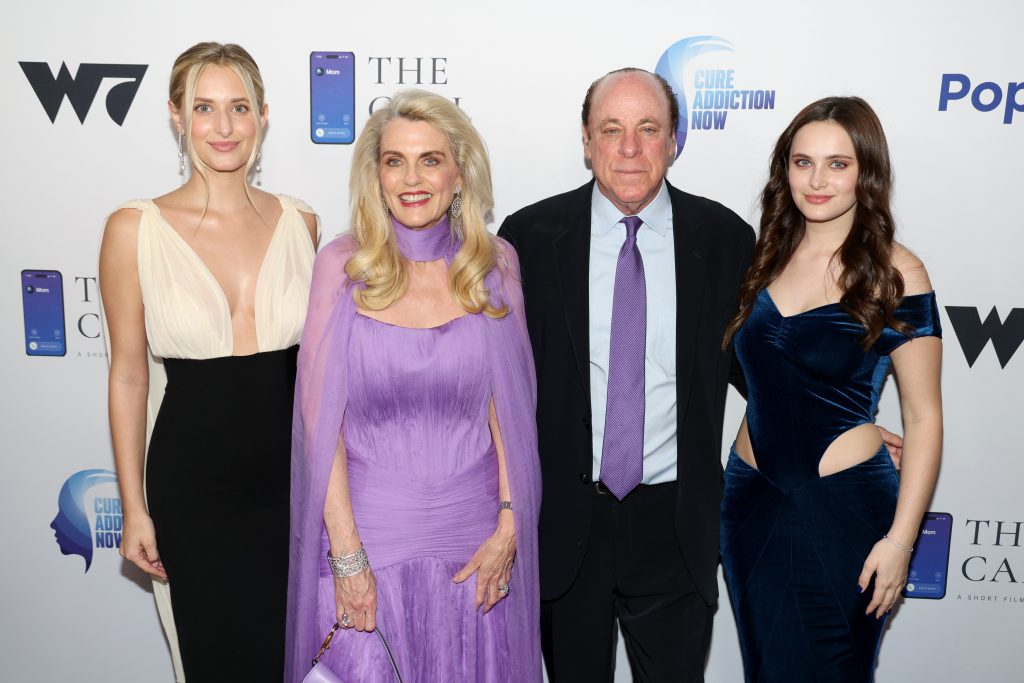
Turning Grief Into Purpose
Davis is extending her advocacy beyond medical research through two deeply personal creative projects. Her short film, The Call, scheduled for January, stars Frances Fisher, Ava Phillippe, Jessica Belkin and Kai Caster.
The drama explores addiction, family relationships and the devastating moment when a parent receives unimaginable news. Its inspiration comes from Davis’s own experience. While skiing in Aspen with one of her daughters, she received a telephone call from her husband informing her that Jason had died. “It’s the worst possible thing that ever happens,” she says.
Davis has also written Just One More Day, scheduled for publication May 18, examining grief, addiction and finding the strength to continue after loss.
Both projects reflect her determination to help other families navigate experiences that profoundly changed her life. Despite overseeing two organizations, preparing major fundraising events and launching creative projects, Davis remains focused on the same objective that inspired her original foundation. “I really think it’s going to help save lives,” she says.
For Davis, scientific progress and personal advocacy are inseparable. Her work is about ensuring that families confronting MS or addiction have more options, greater understanding and, ultimately, a better chance at recovery.
Author

Written by
Recent Posts
Nancy Davis Is Turning Personal Tragedy Into a Mission to Save Lives

When ChatGPT Picks the Bottle

Once You Taste Sicily, You Don’t Go Back

The Night the Restaurants Closed, Wine Moved Into Your Living Room

Why Wine Rivals Market Together Like Dairy Farmers
Categories
- Art
- Articles
- Business of Luxury
- Celebrities
- Culture
- Entertainment
- Events
- Faces of Summer 2026
- Fashion
- Fashion & Style
- Featured
- Finance
- Food, Spirits, Wine
- Hamptons
- Hamptons Celebrities
- Health
- Health & Beauty
- Lifestyle
- Luxury Lifestyle
- Press
- Profiles
- Real Estate
- Technology
- The Chronicles
- Travel
- Uncategorized
- Weddings