

The fire broke out over Labor Day weekend in 2013. A light fixture in the basement sparked, sending smoke and water damage through the oceanfront East Hampton estate that Ann Tenenbaum and her husband Thomas H. Lee had rebuilt just years earlier. They had to take the house down to the studs. Again. “Nobody was hurt,” Tenenbaum told friends, but the symbolism lingered. The house that once belonged to Lee Radziwill, Jackie Kennedy’s sister, kept demanding to be remade.
A decade later, Thomas H. Lee died at seventy-eight in February 2023, leaving behind a private equity fortune and a wife who never quite loved the Hamptons the way he did. In June 2024, Ann Tenenbaum listed the rebuilt estate at 43 East Dune Lane for $120 million. After seven weeks without a buyer, she cut the price to $95 million. “I’m done with the Hamptons,” she told friends. “Maybe I want to be a gypsy.” Ann Tenenbaum net worth 2025 reflects decades of venture capital success and philanthropic leadership, but the Hamptons chapter is closing. Understanding why requires understanding the wound beneath the wealth.
Ann Tenenbaum Net Worth 2025: The Woman Behind the Private Equity Pioneer
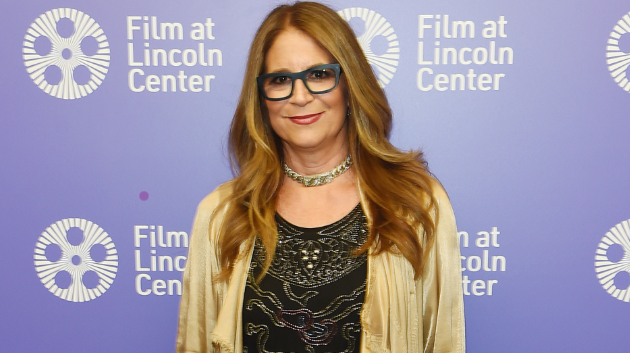
Ann Tenenbaum built her career in venture capital, investing in early-stage companies while her husband Thomas H. Lee revolutionized leveraged buyouts. She served on numerous boards and became a significant philanthropist in her own right. Yet her public identity remained intertwined with Tom’s towering presence in finance. He founded Thomas H. Lee Partners in 1974, pioneering the leveraged buyout industry before it had a name. His firm acquired Snapple for $135 million in 1992 and sold it two years later for $1.7 billion, one of the most celebrated private equity returns in history.
The Partnership and the Shadow
The couple married and became fixtures of New York and Hamptons society, hosting fundraisers and supporting institutions from Lincoln Center to the Whitney Museum. Ann chaired the board of the Whitney from 2008 to 2015. She served on the boards of the Metropolitan Museum of Art, New York-Presbyterian Hospital, and numerous other institutions. Yet she often deferred to Tom’s larger-than-life personality. He was the billionaire. She was the billionaire’s wife. The distinction mattered more to observers than to her.
Tom Lee’s fortune peaked around $2 billion before various setbacks, including the 2008 financial crisis and subsequent investment losses. By the time of his death in 2023, his net worth had declined significantly from its peak. Ann Tenenbaum net worth derives from her own investments, their shared assets, and the estate Tom left behind. The exact figure remains private, but the $120 million asking price for just one property suggests substantial remaining wealth.
43 East Dune Lane: A Property Built Twice
In 2001, Thomas and Ann Lee purchased the East Dune Lane property from Lee Radziwill for $16.2 million. The location was spectacular: oceanfront acreage in East Hampton’s most desirable stretch, where dunes protect estates from erosion and neighbors include hedge fund billionaires and entertainment royalty. But the existing structure didn’t suit their vision. They demolished and rebuilt, creating a modern compound worthy of their station.
The Fire and the Rebuild
Then came Labor Day 2013. The basement fire damaged the house extensively enough that another rebuild was required. The Lees took down the structure and built again, this time creating the 7,000-square-foot residence that would eventually hit the market. The main house features six bedrooms, a great room with fireplace, chef’s kitchen, and walls of glass facing the Atlantic. A heated pool sits between the house and the dunes. A two-bedroom pool house provides guest quarters or staff housing.
The property encompasses approximately three acres of oceanfront land with 300 feet of private beach access. Marketing materials emphasize the estate’s “resort-like amenities” and “unparalleled ocean views.” The grounds include landscaped gardens, outdoor entertaining areas, and the kind of privacy that Hamptons buyers pay premiums to secure. On paper, everything about 43 East Dune Lane screams trophy property.
The Wound: “It Was Very Much His Place”
But Ann Tenenbaum never fell in love with it. “It was very much his place,” she has told friends about the Hamptons estate. Tom loved the ocean, loved the social scene, loved hosting on Further Lane. Ann participated because wives participate. She decorated the rebuilt house, planned the parties, welcomed the guests. Yet something about the Hamptons never quite fit her spirit.
Grief and Release
When Thomas H. Lee died in February 2023, leaving Ann widowed after decades of partnership, the Hamptons property transformed from marital compromise into unnecessary burden. Without Tom to enjoy it, without Tom to host the parties, without Tom’s enthusiasm for oceanfront living, the $120 million estate became an anchor rather than an asset. The decision to sell represented less financial calculation than emotional liberation.
“I just didn’t love the Hamptons,” Tenenbaum admitted. The confession would scandalize true East End believers, those who consider Further Lane proximity a measure of worth and Labor Day parties essential social infrastructure. But widowhood clarifies priorities. The woman who chaired the Whitney, who sat on the Met board, who built her own career in venture capital, no longer needed to pretend she loved the beach house. She could finally leave.
The Price Cut: From $120 Million to $95 Million
In June 2024, Tenenbaum listed 43 East Dune Lane for $120 million, a price that would rank among the highest Hamptons sales ever if achieved. The listing arrived during a soft luxury real estate market, with high interest rates cooling the trophy home segment. Seven weeks passed without acceptable offers. In August, she reduced the asking price to $95 million, a $25 million haircut that signaled motivation to sell.
Comparable Sales and Market Context
The $95 million price still represents extraordinary appreciation from the $16.2 million 2001 purchase, even accounting for two complete rebuilds. Comparable recent sales include Len Blavatnik’s $115 million purchase of Terry Semel’s Further Lane estate, which set the single-parcel Hamptons record. The Tenenbaum property offers similar oceanfront exposure but slightly less acreage. Whether a buyer will pay $95 million remains uncertain.
The marketing emphasizes Lee Radziwill’s former ownership, connecting the property to Kennedy-era glamour. Real estate agents note the twice-rebuilt structure means virtually everything is new, eliminating renovation concerns that plague older estates. The pool house provides flexible space for staff, guests, or a home office. Every selling point has been deployed. Yet the property lingers on the market, waiting for a buyer who loves the Hamptons more than its current owner.
The Tell: Philanthropy and the Whitney Years
Ann Tenenbaum’s legacy extends far beyond real estate. Her seven-year tenure as Whitney Museum board chair coincided with the institution’s transformative relocation from the Upper East Side to the Meatpacking District. The Renzo Piano-designed building opened in 2015, revolutionizing the museum’s relationship with downtown Manhattan and contemporary art. Tenenbaum helped navigate the capital campaign, the construction challenges, and the strategic repositioning that made the Whitney newly relevant.
Institutional Leadership Beyond the Whitney
Her board service at the Metropolitan Museum of Art, New York-Presbyterian Hospital, and Lincoln Center demonstrates philanthropic range uncommon even among the wealthy. She has supported education initiatives, medical research, and cultural preservation. The work continues regardless of Hamptons residence status. Indeed, selling the beach house might free resources for additional giving, converting an underutilized second home into institutional support.
The venture capital investments that built her personal fortune remain largely private. She backed early-stage companies while Tom pursued leveraged buyouts of established firms, complementary strategies that diversified family risk. The marriage combined two financial minds approaching wealth creation from different angles. Now widowed, Ann controls investment decisions without partnership compromise. The freedom is new, possibly unwelcome, certainly significant.
The Hamptons Exit: What Leaving Means
When Ann Tenenbaum says “maybe I want to be a gypsy,” she signals something deeper than real estate strategy. The Hamptons represent a particular vision of wealth: oceanfront display, society parties, summers defined by geography. Leaving the Hamptons means rejecting that vision, choosing mobility over monument, experience over address. At her stage of life, with her resources, she can summer anywhere. Why stay where she never quite belonged?
The Properties That Remain
The Tenenbaums maintained residences beyond East Hampton, including a Manhattan apartment befitting their institutional board memberships. Ann will presumably retain city presence while abandoning the beach. Whether she buys elsewhere, perhaps Europe where “gypsy” wandering could mean Italian summers or French countryside, remains speculation. The $95 million from 43 East Dune Lane would fund considerable wandering.
Ann Tenenbaum net worth 2025 reflects not just accumulated wealth but accumulated freedom. The private equity fortune that Tom built, the venture investments Ann made, the philanthropic giving that continues, all of it enables choices unavailable to most. She can sell the beach house her husband loved without financial consequence. She can chase whatever life calls to her next. The wound of widowhood becomes, paradoxically, permission to finally be herself.

The Legacy of Letting Go
The Hamptons collect people who need to be seen. The summer social calendar exists so that wealth can display itself to other wealth, so that status can be confirmed through invitation lists and party photographs. Ann Tenenbaum participated for decades because partnership required participation. Now she’s choosing disappearance, or at least relocation. The choice speaks louder than any asking price.
What Comes Next
At some point, 43 East Dune Lane will sell. Perhaps at $95 million, perhaps lower, perhaps to a buyer who will demolish and rebuild for the third time. The new owner will host parties where guests admire ocean views that Ann Tenenbaum found insufficient compensation for Hamptons social obligations. The cycle continues. Wealth flows through properties like water through sand, leaving temporary impressions that fade with the next tide.
Ann Tenenbaum will watch from wherever gypsies go. The woman who chaired the Whitney, who supported the Met, who built a venture capital career while her husband revolutionized private equity, will find new purpose in new places. The Hamptons will barely notice her absence. They never quite noticed her presence either, seeing instead Mrs. Thomas H. Lee, the billionaire’s wife, the hostess at the oceanfront estate. Maybe that’s why she’s leaving. Maybe she was never really there.
Related Articles:
- Len Blavatnik Net Worth 2025: The Billionaire Behind the Hamptons’ Biggest Deal
- Terry Semel Net Worth 2025: Yahoo’s Peak Power, Hollywood Money, and Hamptons Legacy
- John Foley Net Worth 2025: Peloton, the Boom-Bust Cycle, and Hamptons Real Estate
For features, advertising, or partnership inquiries, visit sociallifemagazine.com/contact. Experience the Hamptons at Polo Hamptons. Subscribe to our print edition or support independent Hamptons journalism with a $5 donation.
Author

Written by
Recent Posts
Where Can You Find the Best Made-to-Measure Bespoke Suits in NYC
The Financial Habits Every Successful Entrepreneur Swears By
What Happens If You Delay Hemorrhoid Treatment in New York City

James Franco Net Worth — A $30 Million Career Interrupted

Selena Gomez Net Worth — How a Disney Kid Built a $1.3 Billion Empire
Categories
- Art
- Articles
- Beauty & Skincare
- Celebrities
- Celebrities|Movies
- Celebrities|The Chronicles
- Chronicles
- Culture|Television
- Entertainment|Culture
- Event Photos
- Events
- Fashion
- Fashion & Style
- Featured
- Food & Beverage
- Food, Spirits, Wine
- Hamptons
- Hamptons Celebrities
- Hamptons Celebrities|Celebrities|The Chronicles
- Health
- Health & Beauty
- Lifestyle
- Luxury Lifestyle
- Movies
- Movies|Culture
- Movies|Hamptons Lifestyle
- Press
- Profiles
- Real Estate
- Technology
- The Chronicles
- Travel
- Uncategorized
- Weddings