
Atmosphere is the thing guests describe when they can’t explain why an event felt different from others they’ve attended. The food was good, and nothing went obviously wrong, but something about the room made the whole experience land differently than a similar event at a different space six months earlier. That quality isn’t accidental, and it isn’t primarily about budget. It’s about a handful of specific variables that interact in ways most planners underweight during the site selection and design phase, usually because they’re harder to quantify than catering costs or AV line items.
Lighting Does More Work Than Any Other Single Element
A room’s ambient lighting condition at the time of the event determines almost everything about how the space reads emotionally, and most venues are toured during the day under conditions that have nothing to do with how the room will look at 7pm with a crowd in it. Warm light at low intensity makes people comfortable and encourages conversation in ways that cool overhead fluorescents actively work against. A space with good bones and mediocre lighting will underperform a less distinguished room where someone has thought carefully about fixture placement, color temperature, and how light behaves once bodies are filling the space.
Production lighting layered over a venue’s existing infrastructure adds control but also adds cost and setup time, and not every event budget accommodates that. Knowing what the venue’s baseline lighting looks like under event conditions, not sales tour conditions, is a question worth asking directly and following up on with photos from actual events rather than promotional images shot on an empty afternoon.
Sound Bleed and Acoustic Separation
Events that involve a program element, a speaker, a panel, or a live performance are vulnerable to acoustic interference in ways that planners don’t always account for until they’re standing in the room during the event and realizing the bar conversation on the other side of a partial wall is competing with the presenter. Venues that host multiple simultaneous events in adjacent spaces create sound bleed problems that affect guest experience in ways no amount of décor compensates for.
The acoustic character of a room also determines how sound from within it behaves. Hard surfaces reflect and amplify in ways that raise ambient noise floors and make speech intelligibility worse as crowd density increases. A room that sounds fine during a site visit with two people in it can become genuinely difficult to speak in once 150 people are generating conversation simultaneously, and that transition happens faster in rooms with minimal acoustic treatment than most clients anticipate.
Arrival Experience Before Anyone Reaches the Main Room
The way guests move from arrival to the event space shapes their initial orientation in ways that carry into how they experience the first hour. A confusing entrance, a poorly marked path from parking, or a lobby that feels disconnected from the event’s tone creates a low-grade friction that guests bring with them into the room. It doesn’t ruin an event, but it sets a starting point that the rest of the experience then has to recover from rather than build on.
Tampa event venues vary enough in how they handle arrival that it’s worth walking the guest path specifically during a site visit rather than just evaluating the main event space. The transition from outside to inside, how check-in is positioned relative to the entrance, whether there’s a natural gathering space that allows guests to orient before the program begins, these details either support or work against the atmosphere being built in the primary room.
Temperature and Air Circulation
A room that runs warm once it fills up creates physical discomfort that guests register before they register almost anything else, and the problem compounds over the course of an event as body heat accumulates and HVAC systems struggle to compensate. Venues with older climate infrastructure or with systems that weren’t designed for the density a particular event configuration creates are a known risk, especially in markets where outdoor temperature swings between load-in and event time are significant.
How Crowding Density Reads in the Room
A room at 60 percent capacity feels different from the same room at 90 percent. Neither condition is universally better. An intimate dinner in a space that’s slightly too large reads as sparse, or a networking reception in a room filled to its practical limit generates energy that a half-empty space never produces. Matching guest count to room size with the specific event format in mind is the variable that ties the other four together. This is because the atmosphere is ultimately a product of how people feel in a space relative to each other.
Author

Written by
Recent Posts
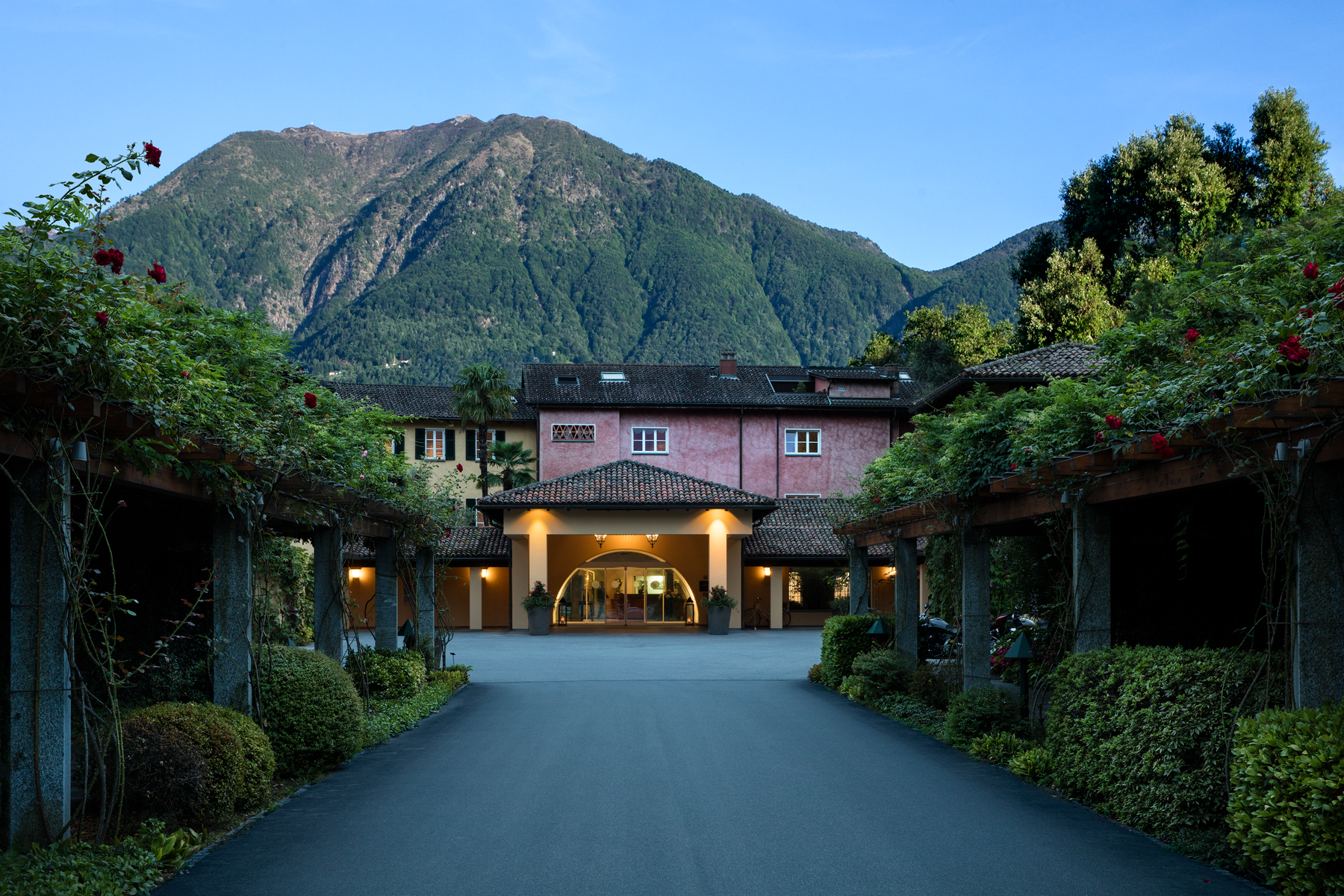
Jetsetter Style: Castello del Sole
The First Decision After a Collision Can Be the Most Important One
Two Weeks in Rome and Beyond: Turkish Airlines Itineraries from Boston, Chicago and Onward to India
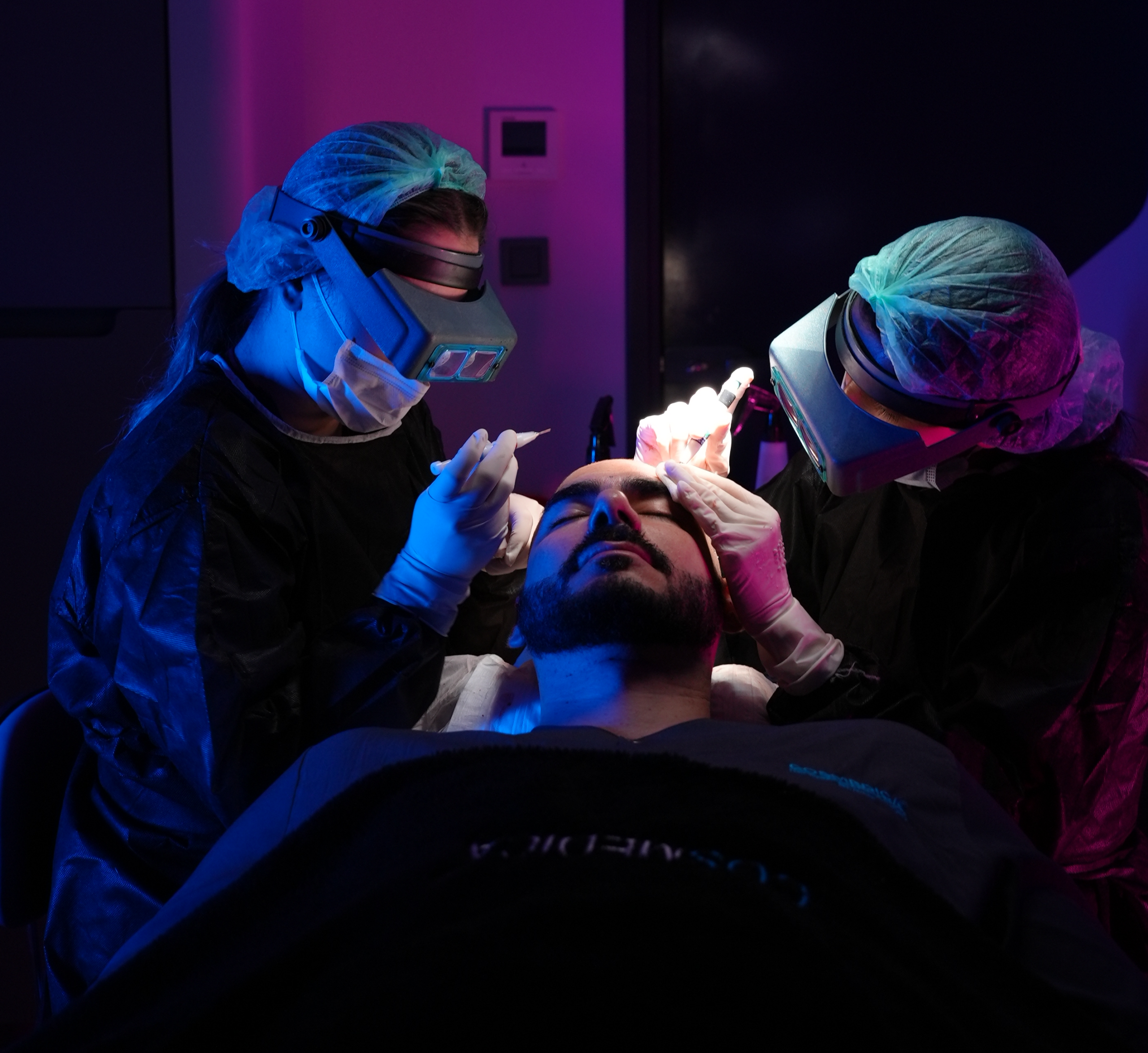
Top 10 Hair Transplant Clinics in Turkey 2026

Artist Alley to Online Store: How Convention Artists Can Keep Selling After the Event
Categories
- Art
- Articles
- Business of Luxury
- Celebrities
- Culture
- Entertainment
- Events
- Faces of Summer 2026
- Fashion
- Fashion & Style
- Featured
- Finance
- Food, Spirits, Wine
- Hamptons
- Hamptons Celebrities
- Health
- Health & Beauty
- Lifestyle
- Luxury Lifestyle
- Press
- Profiles
- Real Estate
- Technology
- The Chronicles
- Travel
- Uncategorized
- Weddings