
The Cruelest Math in Entertainment: Death as a Wealth Event
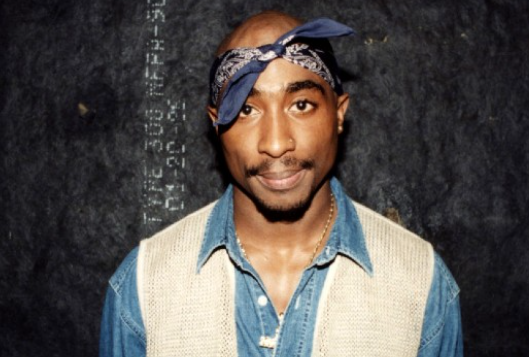
Tupac Shakur died in 1996 with approximately $200,000 to his name. His estate is now worth an estimated $40 million and climbing. Kurt Cobain’s music publishing catalog, the very first acquisition that launched Primary Wave in 2006, has generated hundreds of millions in revenue over two decades. Michael Jackson’s estate has earned over $2 billion since his death in 2009, more than he earned in any comparable period while alive.
The pattern is brutal, consistent, and deeply instructive for anyone thinking about generational wealth. In the 90s music economy, dying was frequently the most profitable career move an artist could make.
Why Posthumous Estates Outperform Living Artists
Three structural forces drive posthumous wealth accumulation. First, death eliminates the single largest expense in any artist’s financial life: the artist’s lifestyle. No more entourages, no more mansions, no more legal fees from personal conflicts. An estate operates as a holding company with near-zero operating costs and perpetual revenue streams.
Second, scarcity increases value. A living artist can oversaturate their market with mediocre releases, bad press, or personal scandals. A deceased artist’s catalog is frozen in time, permanently associated with their peak cultural impact. There’s no risk of a bad album, a regrettable interview, or a social media meltdown. The brand becomes immutable.
Third, copyright law creates decades-long revenue windows. In the United States, copyright on musical works extends 70 years past the author’s death. For Tupac, that means his estate collects royalties until 2066 at minimum. For Cobain, until 2064. These are timelines that dwarf most investment horizons and make music catalogs function more like perpetual endowments than entertainment assets.
The Tupac Case Study: From $200K to $40M and Rising
When Tupac Shakur was killed at age 25, he had released four studio albums and was in the middle of a bitter feud that defined 90s hip-hop. He left behind no will, no estate plan, and roughly $200,000 in assets against significant debts. His mother, Afeni Shakur, inherited the estate and spent years in legal battles to secure control.
What Afeni built was extraordinary. She licensed Tupac’s unreleased recordings into seven posthumous albums, each generating millions in sales and streams. She negotiated merchandising deals, documentary rights, and eventually a hologram technology partnership that famously projected Tupac’s image at Coachella in 2012. By the time of her own death in 2016, the Tupac estate was a sophisticated entertainment enterprise worth tens of millions.
Today, Tupac’s music generates consistent streaming revenue, his image commands licensing premiums, and a biopic featuring the estate’s cooperation remains in the cultural conversation. The estate that started with nothing is worth more than most living 90s artists’ entire portfolios.
The Cobain Connection: Where Primary Wave Began
Primary Wave, the company that just acquired Britney Spears’ catalog for approximately $200 million, was founded in 2006 with a single deal: 50 percent of Kurt Cobain’s music publishing. That acquisition wasn’t just a business decision. It was a thesis. Founder Larry Mestel believed that iconic catalogs, especially those attached to deceased cultural figures, were the most undervalued asset class in entertainment.
Twenty years later, that thesis has been validated beyond anyone’s projections. Cobain’s catalog has generated returns that dwarf the original investment many times over. Nirvana’s “Smells Like Teen Spirit” alone streams hundreds of millions of times annually. The Cobain deal taught the industry that posthumous music rights weren’t morbid speculation. They were the safest bet in entertainment finance.
When Primary Wave acquired Britney’s catalog, they applied the same framework. The Spears acquisition bookends a two-decade strategy that started with one dead icon and expanded to encompass the entire 90s music economy.
Estate Planning Lessons From the 90s Music Graveyard
The divergence between well-managed and poorly-managed posthumous estates offers lessons that apply far beyond music. The Michael Jackson estate, managed by executors John Branca and John McClure, has been described by Harvard Business Review as one of the most successfully administered estates in entertainment history. Their decisions to license the catalog to Sony, produce the Cirque du Soleil shows, and manage the brand’s image created a multi-billion dollar enterprise.
Contrast that with artists who died without estate plans. Left Eye Lopes of TLC died in 2002 with her financial affairs in disarray after the group’s bankruptcy. Several 90s rock icons left estates tangled in litigation for years, with heirs receiving pennies while lawyers and labels collected the revenue.
The lesson for anyone with appreciating assets, and that includes every business owner reading this: your estate plan is either a wealth-creation vehicle or a wealth-destruction event. There is no neutral option. The 90s music economy proved this in the most dramatic way possible. The icons who planned, or whose families stepped up to plan for them, built dynasties that outlast fame. The ones who didn’t became cautionary tales whispered at industry conferences.
The Uncomfortable Truth About Legacy Wealth
There’s something fundamentally unsettling about an industry where the dead outperform the living. But the economics don’t lie. Posthumous estates benefit from every structural advantage the music industry offers: compounding royalties, zero lifestyle burn, brand protection through scarcity, and copyright durations that span generations.
For the 90s icons still alive and active, the calculus is clear. The decisions they make today about catalog ownership, estate planning, and brand management will determine whether their wealth survives them or dies with them. Britney sold her catalog for $200 million. Tupac’s mother turned $200,000 into a multi-generational asset. Both strategies work. The only one that doesn’t is no strategy at all.
Related: 90s Music Icons Net Worth 2026 | The Price of Fame: Icons Who Made Billions for Everyone Else
Want to feature your brand alongside stories like this? Contact Social Life Magazine about partnership opportunities. Join us at Polo Hamptons this summer. Subscribe to the print edition or join our email list for exclusive content. Support independent luxury journalism with a $5 contribution.
Author

Written by
Recent Posts
7 Mindful Meal Prep Tips for Stop Food Waste Day

Rebecca Ferguson Net Worth: The Advantage of Not Being the Lead
What Makes a Dinner Party Truly Unforgettable (Hint: It’s Not the Food)
Tips for Managing Grease and Oil in Everyday Dishwashing
Austin Butler Net Worth: The Method Actor in a Post-Method World
Categories
- Art
- Articles
- Beauty & Skincare
- Celebrities
- Celebrities|Entertainment
- Celebrities|Television
- Celebrities|The Chronicles
- celebrities|the-archive
- Chronicles
- Entertainment|Culture
- Event Photos
- Events
- Fashion
- Fashion & Style
- Featured
- Food & Beverage
- Food, Spirits, Wine
- Hamptons
- Hamptons Celebrities
- Hamptons Celebrities|Celebrities|The Chronicles
- Health
- Health & Beauty
- Lifestyle
- Luxury Lifestyle
- Movies
- Press
- Profiles
- Real Estate
- Technology
- The Chronicles
- Travel
- Uncategorized
- Weddings