
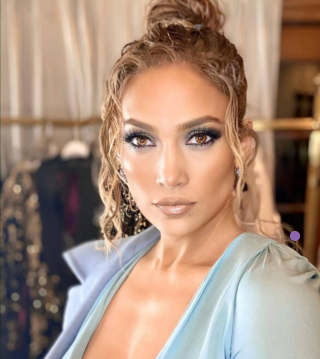
Here’s a fact that should reframe everything you think you know about celebrity wealth: the biggest 90s music icons are richer today than they were at the absolute height of their fame. Not slightly richer. Dramatically richer. Jennifer Lopez’s net worth has tripled since her late-90s commercial peak. Jay-Z went from millionaire rapper to billionaire mogul. Justin Timberlake’s catalog sale alone was worth more than NSYNC’s entire combined earnings. The decade that built these artists didn’t pay them. The decades after did.
This isn’t a coincidence, and it isn’t nostalgia talking. It’s a structural economic shift that turned 90s fame into a compounding asset class. Understanding how it works is worth your time if you have wealth that compounds too, or if you want it to.
The Streaming Royalty Revolution
When 90s artists were selling CDs, they earned a fraction of the retail price. A typical 90s record deal paid artists 12 to 15 cents per dollar of album revenue, after recoupment of recording costs, marketing expenses, and label overhead. Selling a million albums might net the artist $500,000 to $1 million. Selling ten million albums made you a millionaire, barely.
Streaming changed the math permanently. According to McKinsey’s analysis of the streaming economy, a hit song from the 90s that still gets regular play generates revenue indefinitely, with zero additional production cost. Mariah Carey’s “All I Want for Christmas Is You” earns an estimated $3 million per year in streaming and licensing revenue alone. No Doubt’s “Don’t Speak” and Britney Spears’ “…Baby One More Time” generate passive income every day of the year for the rest of their copyright terms.
For artists who retained their publishing rights or who recaptured them through renegotiation, streaming didn’t just add an income stream. It created an annuity. A permanently flowing, low-maintenance revenue source that appreciates as streaming adoption grows globally.
The Catalog Gold Rush
The most dramatic wealth event for 90s artists hasn’t been a tour, an album, or a movie. It’s been the sale of their music catalogs to investment funds hungry for predictable cash flows. Timberlake sold to Hipgnosis for an estimated $100 million. Britney Spears sold her entire catalog to Primary Wave for approximately $200 million in February 2026. Dr. Dre’s Beats deal with Apple for $3 billion included significant intellectual property value.

According to Bain’s Global Media Report, music catalogs now trade at 15 to 30 times their annual net publisher share, driven by institutional investors, private equity firms, and sovereign wealth funds who view them as inflation-protected assets with predictable yields. For 90s artists with deep catalogs and evergreen appeal, the math is staggering: songs written during the Clinton administration are now valued like bonds.
Brand Equity Compounding
There’s a reason Jennifer Lopez’s fragrance empire generates $2 billion while most celebrity perfume lines die within three years. It’s the same reason Gwen Stefani’s L.A.M.B. survived while thousands of celebrity fashion lines didn’t. Brand equity, when maintained and managed correctly, compounds like interest.
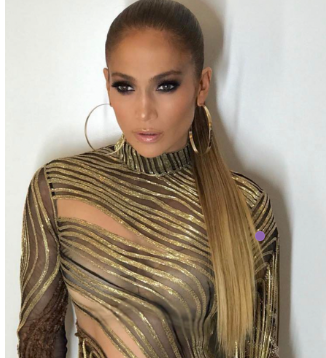
The 90s created brands with genuine cultural resonance. These weren’t flash-in-the-pan viral moments. They were artists who dominated global culture for years, creating deep emotional connections with audiences who are now 35 to 55 years old, the demographic with the highest disposable income and the strongest brand loyalty. When Lopez launches a new beauty product, she’s marketing to people who have known her name for 30 years. That’s not advertising. That’s compounding.
The Ownership Revolution
The 90s record deal was designed to make labels rich. The 2020s have shifted power back to artists, and the smart 90s veterans have positioned themselves to benefit. Jay-Z understood this first: he co-founded Roc-A-Fella Records to own his masters, then built Roc Nation into a full-service entertainment conglomerate. Beyonce fired her father-manager and took direct control of her business operations. Will Smith co-founded Westbrook Inc. Lopez runs Nuyorican Productions.
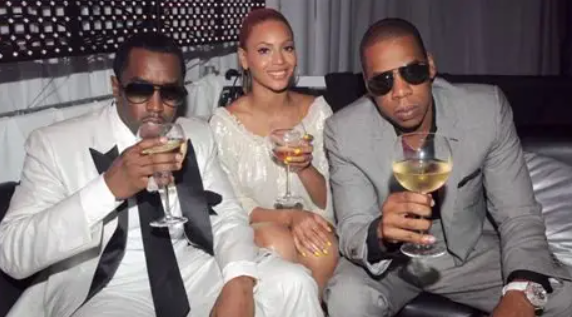
According to Harvard Business Review’s research on creative industry economics, artists who own their masters earn three to five times more per stream than those who signed traditional deals. The 90s artists who renegotiated, recaptured, or strategically sold their catalogs have transformed their creative output into investable assets.
Why This Matters to You
If you’re reading Social Life Magazine, you probably aren’t a 90s pop star. But you might be someone who built a business in the 90s or 2000s that’s now worth more than when you were running it. You might be an heir managing legacy assets that compound when managed correctly and decay when neglected. You might be an investor looking at alternative assets like music royalties, which now compete with real estate and fixed income for institutional capital allocation.
The second act economy isn’t a celebrity phenomenon. It’s a wealth phenomenon. The same forces that made Lopez richer at 56 than at 30 are available to anyone who understands that the first fortune buys freedom and the second fortune buys legacy. Streaming royalties are just the celebrity version of recurring revenue. Catalog sales are just the celebrity version of an exit. Brand equity compounding is just the celebrity version of customer lifetime value.
The Compounding Clock
Every 90s hit that still streams is earning money right now. Catalogs that changed hands are generating returns for new owners and former creators alike. Brands built on 90s cultural capital are leveraging 30 years of emotional resonance.The artists who understood this early are the ones worth hundreds of millions. The ones who didn’t are playing state fairs.
The second act economy rewards patience, ownership, and diversification. It punishes artists who sold too early, signed too much away, or failed to build beyond a single revenue stream. For anyone managing significant wealth, the lesson is the same whether you made your money in music, technology, real estate, or private equity: the asset you build is worth less than the asset you keep, and the asset you keep is worth less than the asset that compounds.
Explore the full series: 90s Music Icons Net Worth 2026 | The Reinvention Artists
Want to feature your brand alongside stories like this? Contact Social Life Magazine about partnership opportunities. Join us at Polo Hamptons this summer. Subscribe to the print edition or join our email list for exclusive content. Support independent luxury journalism with a $5 contribution.
Author

Written by
Recent Posts

Unlocking the Berkshires

Dalia Forman Design
Alberto Luzzi
How to Pick a Homecoming Dress for Your Body Type and Feel Amazing in It
How to Prepare a Home for Sale When Major Repairs Are Not Affordable
Categories
- Art
- Articles
- Business of Luxury
- Celebrities
- Culture
- Entertainment
- Events
- Faces of Summer 2026
- Fashion
- Fashion & Style
- Featured
- Finance
- Food, Spirits, Wine
- Hamptons
- Hamptons Celebrities
- Health
- Health & Beauty
- Lifestyle
- Luxury Lifestyle
- Press
- Profiles
- Real Estate
- Technology
- The Chronicles
- Travel
- Uncategorized
- Weddings