
In most markets, luxury means better materials, more prestigious branding, higher craftsmanship. Luxury is typically the thing that makes a product nicer but whose absence remains tolerable.
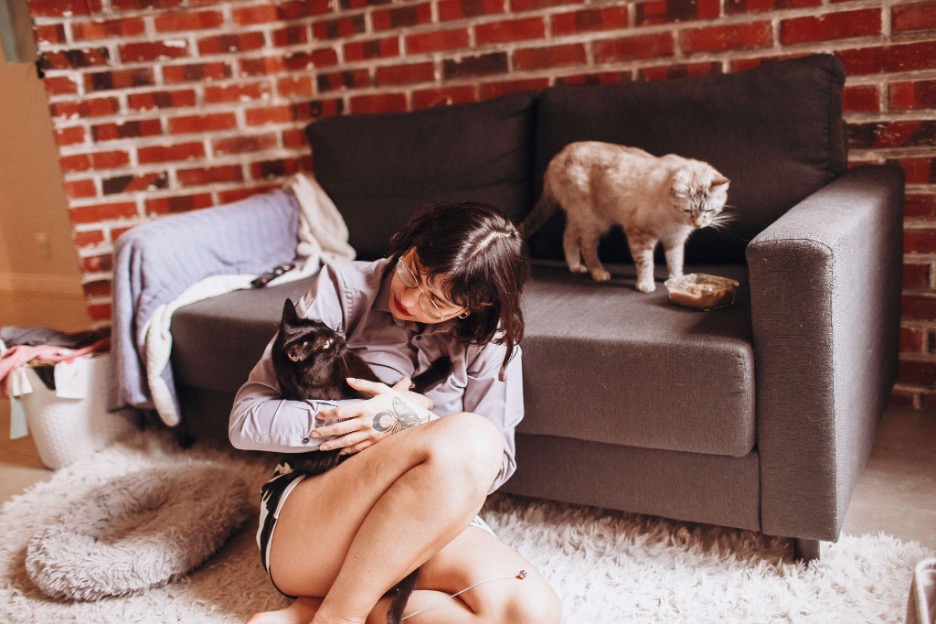
In pet care, the word means something categorically different. It means the elimination of a specific and acutely felt anxiety about the safety and wellbeing of a living creature you are responsible for and deeply attached to.
The particular texture of leaving for a work trip or a weekend away and not being certain whether your dog was actually walked, whether the update photo was taken yesterday or last week, whether the person who seemed great in their profile is actually reliable when no one is checking is a quality of life issue that the premium pet care market has only partially solved.
Most of what gets sold as premium pet care is simply more expensive unreliability dressed in a nicer interface. The gig economy model that dominates the pet care market creates a structural accountability gap. The platforms connect supply and demand efficiently but their financial relationship is with the sitter rather than the pet, and when something goes wrong the resolution process reflects that priority. The anxiety pet owners feel is rational, not precious.
Research from animal behavior specialists shows that separation anxiety affects many pet owners who experience problem behavior concerns when leaving their dogs at home, including destruction of household items or excessive barking that create genuine distress.
What Genuine Guarantee Design Actually Requires
A real guarantee in pet care covers not a refund if the service fails, but a commitment to the service not failing. That requires GPS-verified visit completion, real-time accountability rather than after-the-fact complaint resolution, the ability to replace a caregiver in real time rather than simply log the failure, and a business model in which the platform’s financial interest is aligned with care quality rather than booking volume. Pet care providers who have built their model around guaranteed outcomes rather than facilitated transactions operate under a different structural logic entirely.
Consider what pet day care specifically looks like when it is built around this accountability model versus when it is simply a physical space with a gate and a liability waiver.
The difference lies between a pet day care environment where someone is genuinely responsible for what happens to your dog and one where responsibility is diffused across a staff rota and a terms-of-service document.
This distinction creates real value for pet owners who have learned through experience that not all service guarantees carry equal weight.
Yourgi gives an example – They have structured their pet care service around a guarantee that covers care outcomes rather than simply booking completion, offering pet day care and other services with a money-back commitment that reflects accountability for what actually happens to your pet rather than just whether the appointment was kept on paper.
The guarantee model changes the nature of the relationship from a marketplace transaction to a service commitment. When a platform puts its own financial liability behind the quality of care rather than merely facilitating introductions between parties, the structural incentives shift completely.
The business can no longer profit from volume alone. It must ensure reliability at the individual transaction level, which in turn requires vetting processes that genuinely assess competence rather than simply verifying identity, monitoring systems that track care delivery in real time, and replacement protocols that function as operational necessities rather than customer service gestures.
The Value Calculation
The math looks different when you factor in the hidden costs of unreliable care. There is the last-minute alternative scramble when a sitter cancels or simply does not show. There is the trip anxiety that degrades the actual experience of being away, the checking of your phone every three hours because you are never fully confident the person is doing what they said they would do.
The U.S. pet insurance market was estimated at over $5 billion in 2024 and is projected to reach $25.21 billion by 2033, which tells you something about how a specific segment of pet owners has recalibrated their willingness to pay for genuine rather than nominal quality in animal care.
Occasionally there are veterinary costs that follow inadequate supervision. More commonly there is simply the accumulated stress of a care relationship you are never fully confident in. When you calculate the premium for guaranteed pet care relative to standard platform pricing, those hidden costs become visible. The difference between paying thirty dollars for a walk that may or may not happen on schedule and paying forty-five dollars for a walk that is GPS-tracked and financially guaranteed is not fifteen dollars. It is the difference between a service you trust and one you merely hope will work out.
The Broader Luxury Pet Care Market
The global pet boarding services market was estimated at $8.62 billion in 2024 and is anticipated to reach $14.02 billion by 2030, with growth attributed to rising pet ownership rates, increasing disposable income, and growing demand for premium pet care services. The emergence of pet health insurance as a mainstream product, the veterinary telemedicine category, and
premium luxury pet boarding growing at a compound annual growth rate of 10.6% globally
collectively say something about how a specific segment of pet owners views spending on animal care.
This is not discretionary spending in the traditional sense. Luxury lifestyle trends increasingly reflect a shift toward experiences and services that deliver genuine peace of mind rather than status signaling. For pet owners who treat their animals as family members, premium care is not an indulgence. It is a category of spending that sits somewhere between necessity and insurance, closer in emotional weight to childcare than to consumer goods.
According to industry reports, 95 million U.S. households own a pet in 2026, accounting for 71.6% of all households. Within that population sits a segment for whom the question is not whether to pay for quality care but whether the care being sold actually delivers the quality being promised.
Trust-Building and What It Takes
Reaching the point where you leave for a two-week trip without checking your phone every three hours requires specific elements of a care relationship. It requires consistency of personnel so that your dog is not being introduced to a new stranger each visit. It requires transparency of process so that you can verify rather than simply trust that the walk happened or the medication was administered. It requires financial commitment from the provider so that their incentive is to solve problems before they reach you rather than after.
These elements do not merely simulate trust. They produce it through structural accountability. The distinction matters because the pet care market is full of services that optimize for the appearance of reliability without building the architecture that produces it. Friendly bios and positive reviews can coexist with a business model that makes genuine accountability structurally impossible.
What Good Pet Day Care Does for the Animal
Studies suggest that playtime reduces cortisol levels and increases dopamine and serotonin, with socialization being critical to a dog’s overall well-being, influencing behavior, health, and happiness. The socialization dimension matters. So does the physical activity and mental stimulation that a genuine day care environment provides versus a home visit that lasts twenty minutes.
For dogs who are alone for working hours, the quality of day care is a daily quality-of-life question rather than an occasional convenience.
Recent studies reveal that over 87% of dog owners see improvement in their pets’ behavior because of regular daycare visits. A well-run facility offers structured play, supervised interaction with other dogs, and environmental enrichment that a solitary animal in an empty house simply cannot access.
The distinction between warehousing a dog for eight hours and providing an environment where the animal is mentally engaged and physically exercised is the difference between a service that keeps your dog alive and one that contributes to their wellbeing. That difference is worth considerably more than most pet owners realize until they see the behavioral change that follows consistent quality care.
When Luxury Earns the Designation
In a category where the stakes are emotional and living, the premium is not for better branding or nicer aesthetics. It is for the specific and rare thing of knowing that someone else is genuinely accountable for something you love.
That accountability cannot be retrofitted onto a marketplace model. It must be built into the business structure from the beginning, which is why genuinely guaranteed pet care remains uncommon despite the obvious demand.
The luxury designation applies not because the service costs more but because it delivers the thing that wealth is supposed to buy and rarely does: genuine certainty about something that matters.
For the pet owner who has experienced unreliable care, who has returned home to discover that visits were skipped or that the person entrusted with their animal was careless or inattentive, the value of a structurally accountable alternative is not incremental. It is categorical. It is the difference between a service you use because you have no better option and one you use because you trust it completely, and that trust is worth considerably more than most of the things the word luxury is applied to.
Author

Written by
Recent Posts

Unlocking the Berkshires
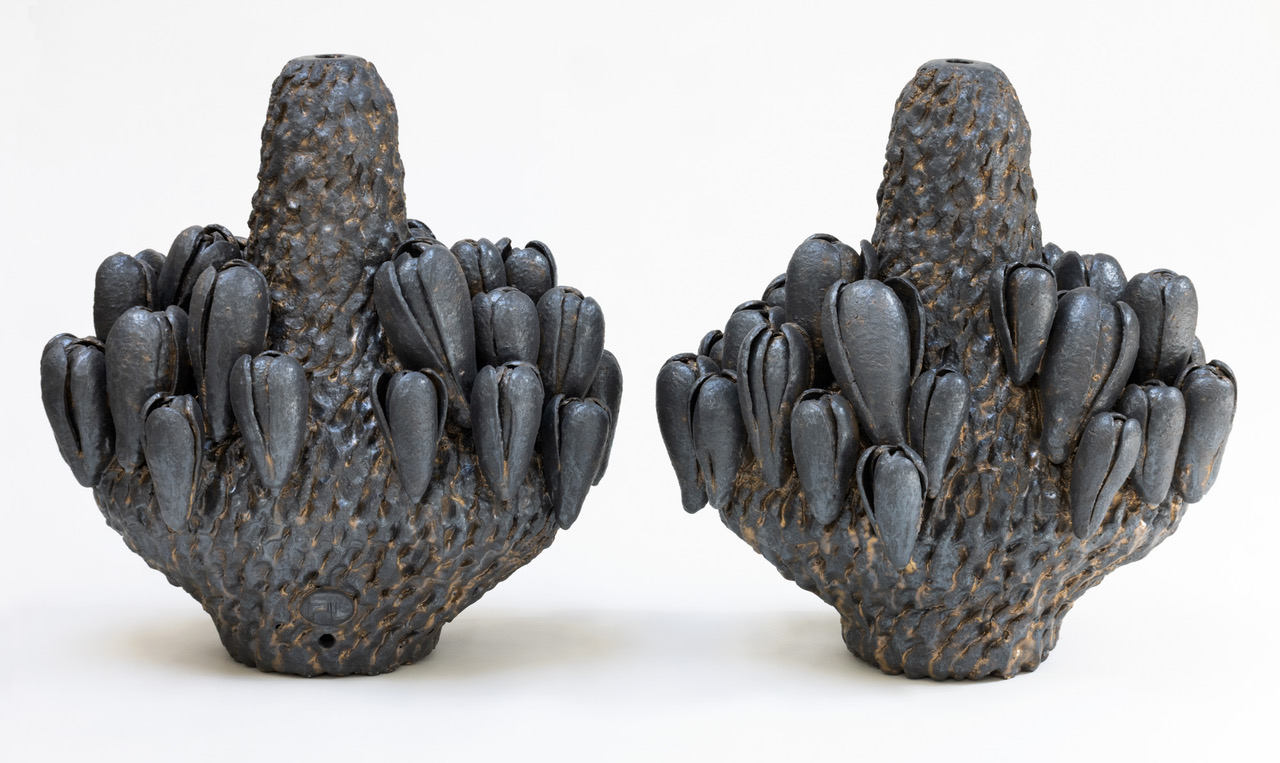
Dalia Forman Design
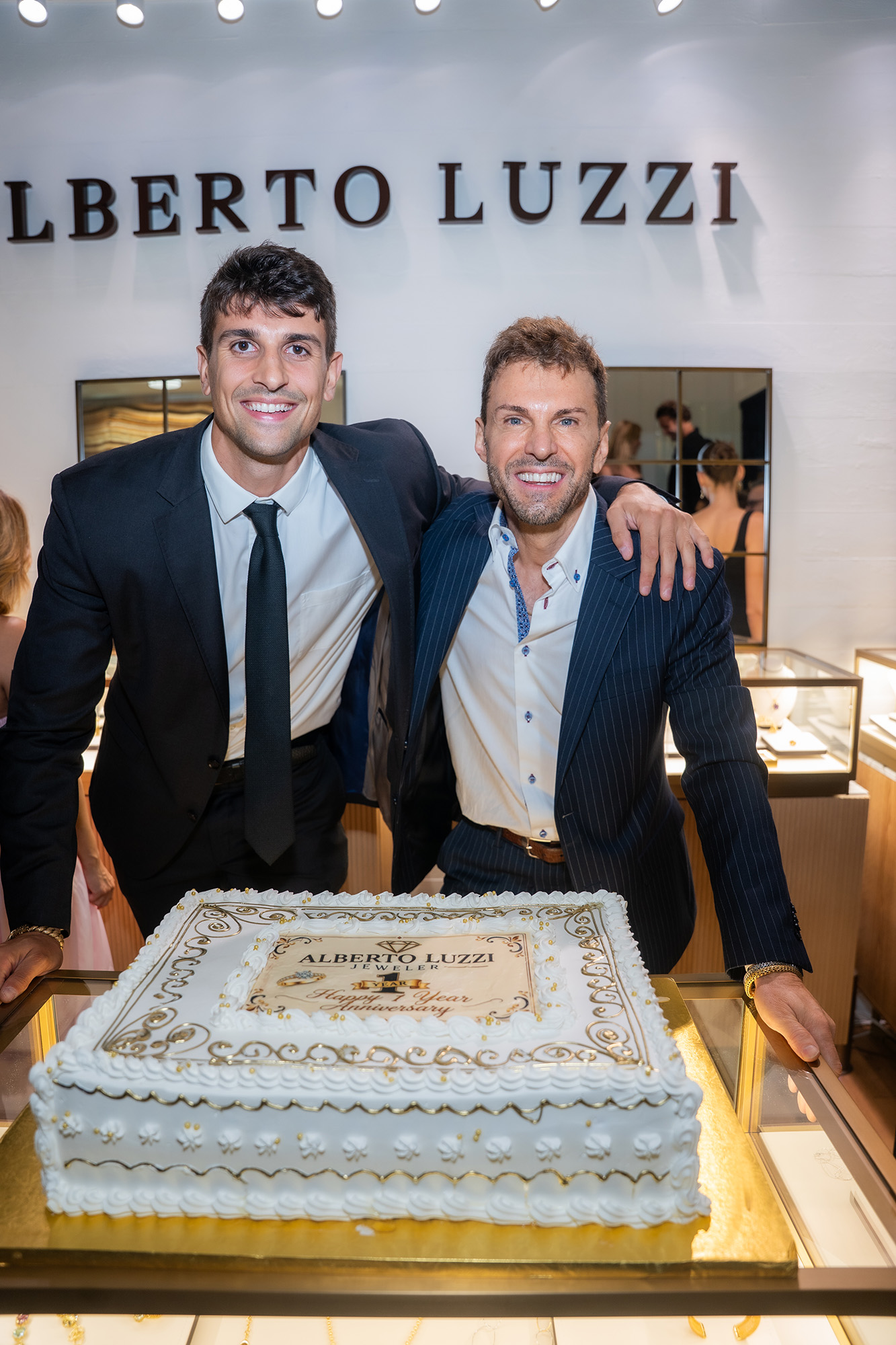
Alberto Luzzi
How to Pick a Homecoming Dress for Your Body Type and Feel Amazing in It
How to Prepare a Home for Sale When Major Repairs Are Not Affordable
Categories
- Art
- Articles
- Business of Luxury
- Celebrities
- Culture
- Entertainment
- Events
- Faces of Summer 2026
- Fashion
- Fashion & Style
- Featured
- Finance
- Food, Spirits, Wine
- Hamptons
- Hamptons Celebrities
- Health
- Health & Beauty
- Lifestyle
- Luxury Lifestyle
- Press
- Profiles
- Real Estate
- Technology
- The Chronicles
- Travel
- Uncategorized
- Weddings