
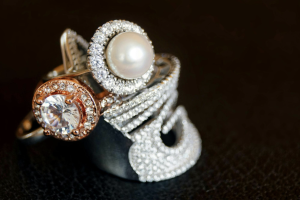
Jewelry design stands at the confluence of age-old craftsmanship and contemporary flair. As designers push the boundaries, they create treasures that are not only beautiful but also statements of personal taste and values. This blend of traditional techniques with modern design principles serves as a testament to human creativity, reflecting both individual and societal progress.
Cultural Significance
Jewelry has always been an intrinsic part of human history, symbolizing status, love, and identity across cultures. From ancient Egyptian scarabs to intricate Victorian lace collars, jewelry has delineated epochs and civilizations. Most modern designers, while inspired by traditional motifs, offer contemporary interpretations. Furthermore, today’s pieces often reflect a person’s social consciousness, from using recycled materials to embracing ethically sourced gemstones, signaling a shift in societal values.
One of the intriguing aspects of this cultural evolution is the way designers are now integrating elements from a diverse array of global influences. Incorporating tribal patterns, Asiatic symbolism, or indigenous Australian art into their work, designers craft pieces that tell stories of cross-cultural integration. This harmonious blend of styles adds depth and richness to each piece, turning jewelry into narrative artifacts that encapsulate our interconnectedness.
From Craft to Art
The surprise renaissance in jewelry lies in its transition from merely adorning the body to becoming a form of wearable art. With artists drawing inspiration from a variety of disciplines such as architecture, sculpture, and even biology, jewelry today captures the imagination like never before. These designs, which challenge traditional concepts of symmetry and beauty, often spark discussions about art and aesthetics, fostering an appreciation of craftsmanship and vision in everyday life.
With exhibitions dedicated exclusively to jewelry taking place in renowned art galleries, the line between craft and high art is blurring. Collectors and enthusiasts see value not just in the materials used, but in the conceptual design that goes behind each creation. This recognition has, in turn, inspired designers to pursue bold and avant-garde projects, knowing their work can find a home in places that showcase the best of the artistic world.
For individuals seeking a unique and personal expression through jewelry, the big box stores won’t do. By working with established jewellers in Melbourne the discerning customer can find pieces that truly represent themselves and obtain custom jewelry melding rich tradition and modern innovation in each meticulously crafted piece.
The Role of Technology
The increasing integration of technology in the jewelry industry has been transformative. Computer-aided design and 3D printing have liberated designers from the constraints of manual processes, enabling intricate designs that defy conventional methods. New materials, once thought impractical, are now feasible. Metals, resins, and even hybrid materials crafted through technological innovations are paving the way for unique textures and forms. This technological synergy allows for an unprecedented expression of creativity, where designers realize visions with precision and detail.
Virtual reality (VR) and augmented reality (AR) are further pushing the boundaries of design and personalization in the jewelry sector. These technologies allow consumers to “try on” jewelry virtually, providing a highly interactive and engaging buying experience. This fusion of tech and design not only elevates consumer interaction but also expands the creative playground for designers, who can visualize and fine-tune their pieces in a dynamic digital realm before production.
Innovative Techniques
Beyond the materials and methods, many modern designers are innovators in technique. From hand-carved molds to laser cutting, the multitude of approaches enriches the visual language of jewelry. These processes not only boost creativity but also increase accessibility, enabling more personalized and tailor-made creations that speak directly to the wearer’s individuality and style.
Artisan jewelry makers have also rejuvenated age-old techniques such as enameling and filigree, marrying them with contemporary styles for a fresh perspective. By honoring these methods, designers pay homage to the past while simultaneously redefining what jewelry can be.
Sustainability and Ethical Considerations
Sustainable practices in jewelry design have seen a considerable rise, spurred by consumer awareness and demand. Designers are increasingly transparent about sourcing, opting for conflict-free diamonds and lab-grown stones. Moreover, the use of recycled metals reflects an industry shift toward responsible production, showcasing that beauty need not come at the cost of ecological harm or moral compromise.
Emphasis on sustainability is also leading to innovative designs that creatively use leftover materials, known as “zero waste” jewelry. By optimizing resources, designers transform remnants into intricate designs without waste, marking a shift towards a more planet-friendly ethos. These practices have brought not only a refreshed aesthetic but also a powerful message—showcasing that style can be both conscientious and impactful.
Conclusion
Modern jewelry design stands as a testament to human ingenuity, merging tradition with innovation to create a visual narrative that continues to evolve. With technology providing new avenues for creativity and sustainability redefining industry standards, today’s jewelry is a reflection of contemporary values both personal and collective. These modern masterpieces do not just accessorize. Stories are woven directly into each unique piece.
Author

Written by
Recent Posts
Unlocking the Berkshires
Dalia Forman Design
Alberto Luzzi
How to Pick a Homecoming Dress for Your Body Type and Feel Amazing in It
How to Prepare a Home for Sale When Major Repairs Are Not Affordable
Categories
- Art
- Articles
- Business of Luxury
- Celebrities
- Culture
- Entertainment
- Events
- Faces of Summer 2026
- Fashion
- Fashion & Style
- Featured
- Finance
- Food, Spirits, Wine
- Hamptons
- Hamptons Celebrities
- Health
- Health & Beauty
- Lifestyle
- Luxury Lifestyle
- Press
- Profiles
- Real Estate
- Technology
- The Chronicles
- Travel
- Uncategorized
- Weddings