
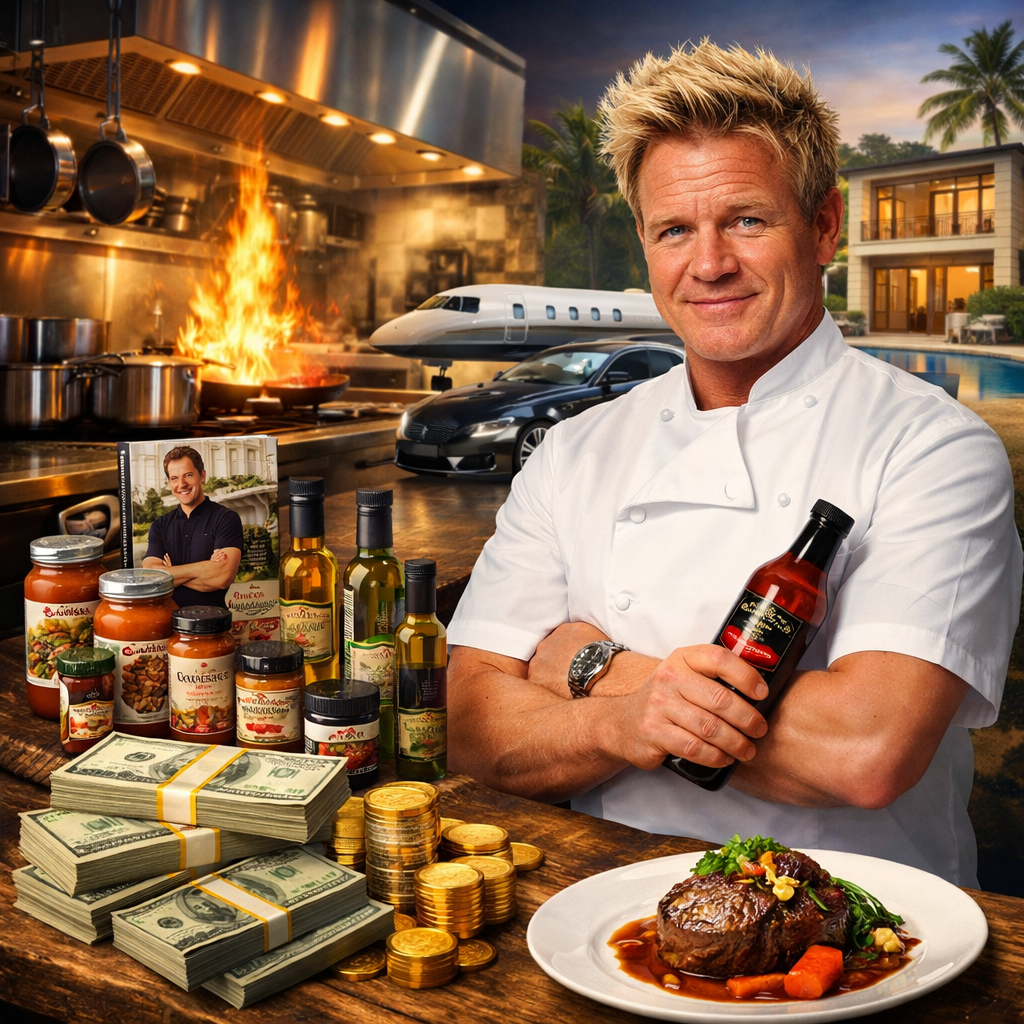
Gordon Ramsay owns 80+ restaurants worldwide. Collectively, they contribute less to his $220M fortune than his television persona. Every 44-minute episode of Hell’s Kitchen or Kitchen Nightmares functions as a commercial for his licensing deals, cookware lines, and branded restaurant concepts. The restaurants are the product. The yelling is the marketing.
This is the attention arbitrage that separates celebrities who stay rich from celebrities who go broke. Screen time is a depreciating asset. The face ages, the relevance fades, the audience moves on. However, the celebrities who build generational wealth understand that every minute of camera exposure is not revenue—it is marketing spend for businesses they own. They treat attention as raw material, not finished product. According to McKinsey’s creator economy research, creators who convert attention into owned assets generate 4–7x more lifetime value than those who monetize attention directly through appearance fees and sponsorships.
What follows is a breakdown of how the attention arbitrage works, who executes it best, and how it applies at every wealth level. Five case studies. Four wealth tiers. One structural insight that determines whether fame becomes fortune or fades into financial anxiety.
How the Smartest Celebrities Convert Screen Time Into Permanent Revenue
Gordon Ramsay: $220M and the TV-as-Advertising Model
Gordon Ramsay’s business model inverts the traditional celebrity restaurant playbook. Most celebrity chefs open restaurants to monetize their fame directly. Ramsay does the opposite. His TV appearances generate the attention. The attention drives licensing revenue, cookbook sales, and branded restaurant concepts that operate with or without his physical presence.
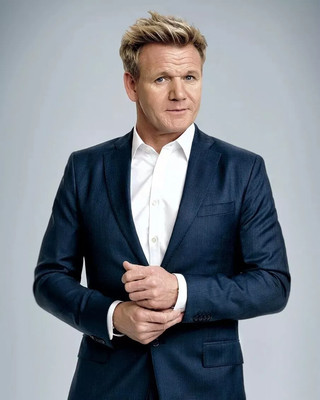
The math reveals the arbitrage clearly. Ramsay’s TV deals generate an estimated $60M+ annually. His restaurant portfolio, despite its scale, generates lower margins after accounting for operational costs, real estate, and labor. Furthermore, the TV exposure continuously refreshes the brand equity that makes the licensing deals valuable. Each season of programming is a marketing campaign that would cost tens of millions to replicate through paid advertising. Ramsay understood early that the camera was not the cash register. It was the billboard pointing customers toward the cash register.
Lisa Vanderpump: $90M Through Bravo as Free Marketing
Lisa Vanderpump executed the attention arbitrage before most people had language for it. Every scene filmed at SUR, PUMP, or TomTom was free marketing for her restaurant empire. Every season of Vanderpump Rules was brand awareness that competitors would need to spend millions to match.
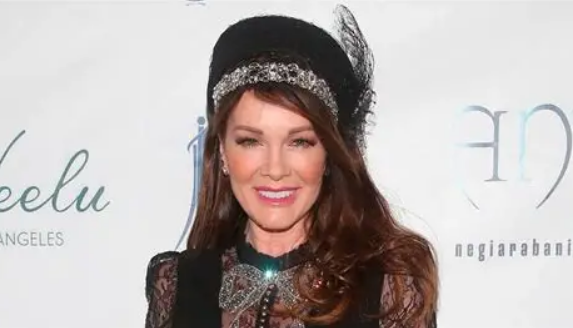
The structural genius was in the deal construction. Vanderpump retained ownership of her restaurants while Bravo paid for production. The show generated drama, which generated viewership, which generated foot traffic from fans who wanted to dine where the cast dined. According to Harvard Business Review’s analysis of attention economics, businesses that receive organic media exposure through entertainment programming see 3–5x improvement in customer acquisition efficiency compared to equivalent paid media spend. Vanderpump captured that efficiency while her restaurants captured the revenue. In contrast, cast members who monetized their TV salary directly without building owned assets found themselves financially vulnerable when the show ended or their storylines faded.
Ariana Madix: The Scandal-to-Brand-Deal Conversion
Ariana Madix’s trajectory demonstrates that attention arbitrage can begin with negative events. Her public breakup scandal in 2023 generated more media coverage than most celebrities achieve in a decade of strategic publicity. Rather than retreating, Madix converted the attention spike into brand deals, a Broadway debut in Chicago, and co-ownership of a sandwich shop concept.
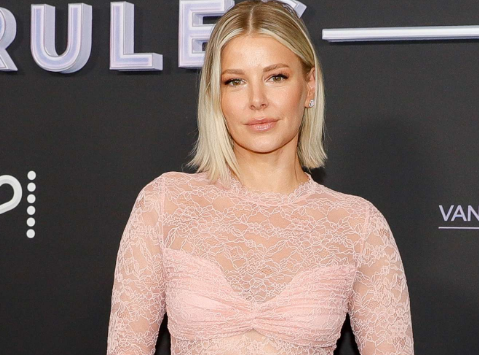
The arbitrage principle remained constant even as the attention source changed. Madix treated the scandal coverage as marketing spend, not as the story itself. Every tabloid headline was distribution for her subsequent ventures. Every interview was a customer acquisition opportunity. The celebrities who collapse under scandal treat the attention as damage to be minimized. The ones who emerge wealthier treat it as inventory to be deployed. Consequently, Madix’s net worth more than doubled in the eighteen months following the scandal because she understood that attention has no moral quality. It only has conversion potential.
Molly-Mae Hague: $14M+ in Five Years via the Love Island Pipeline
The Love Island millionaire pipeline demonstrates attention arbitrage at accelerated scale. Molly-Mae Hague appeared on the show in 2019. Within five years, her fortune exceeded $14M through brand deals, her PrettyLittleThing creative director role, and her own brand Maebe.
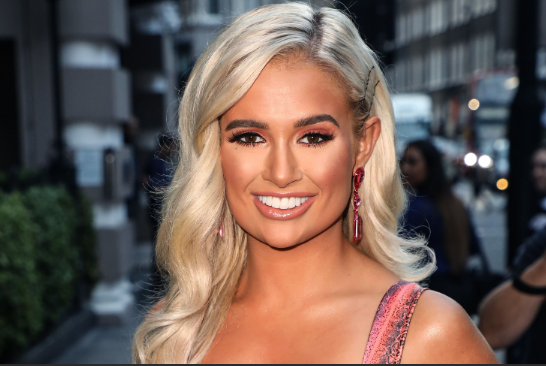
The structural insight: Hague never treated Love Island as the opportunity. She treated it as the launchpad. The villa generated attention, which generated Instagram followers, which generated brand deal leverage, which generated capital. That capital funded Maebe, an owned asset that generates revenue independent of her continued media exposure. Similarly, the Love Island contestants who treated the show itself as the payday—collecting appearance fees and quick sponsorships—saw their earning power collapse within 2–3 years as audience attention moved to the next season’s cast. Hague climbed the brand extension ladder while her competitors stayed on the first rung.
Jay Leno: $450M by Never Spending the Attention Revenue
Jay Leno’s wealth strategy represents the most conservative form of attention arbitrage. Throughout his decades hosting The Tonight Show, Leno famously never spent his NBC salary. He lived entirely on his standup income, banking every dollar from the show.
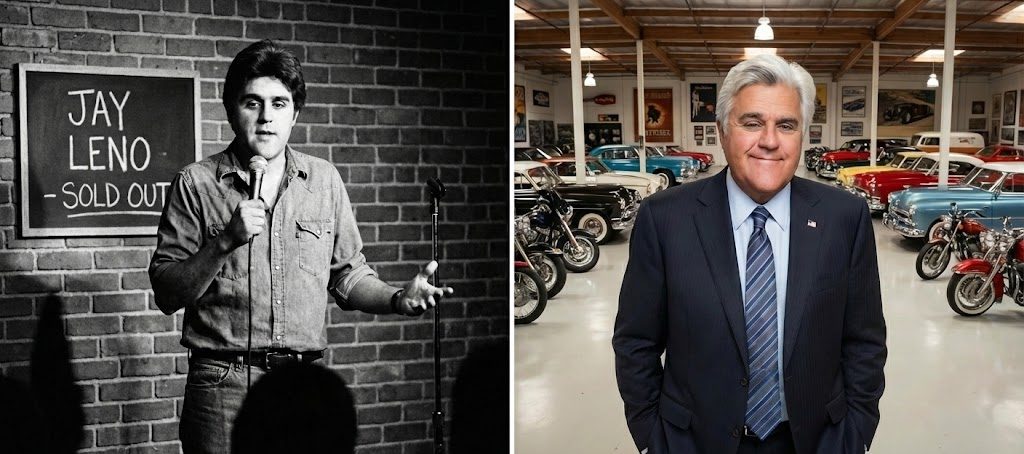
The arbitrage was temporal rather than categorical. Leno understood that Tonight Show attention was a depreciating asset with a known expiration date. Rather than converting that attention into owned businesses during his hosting tenure, he simply preserved the capital for deployment after the attention faded. His $450M fortune now funds a car collection that itself generates media attention through his CNBC show Jay Leno’s Garage, which markets his personal brand without requiring him to work a traditional television schedule. The attention arbitrage closed the loop: TV attention funded preserved capital, which funded passion assets, which generated new attention, which maintains brand relevance. Unlike Ramsay or Vanderpump, Leno did not build businesses to absorb his attention. He built a capital reserve that purchased optionality.
How Attention Arbitrage Applies at Every Wealth Level
The attention arbitrage operates at every scale. The difference is which conversion mechanism matches your current attention volume and what type of owned asset you are building to absorb it. Meanwhile, the mistake most creators make is monetizing attention directly when they should be investing it in assets that compound.
Tier 1: Emerging ($1M–$10M)
Every social media post, podcast appearance, and press mention should funnel to one owned asset. At this tier, specifically, the owned asset might be an email list, a course, a small product line, or a community membership. Chappell Roan’s $10M came from controlled touring and merch ownership—not from scattering her attention across dozens of brand deals that would dilute her positioning. The discipline is saying no to attention monetization that does not build toward ownership. Every sponsored post that pays $10K but does not drive traffic to your owned asset is attention arbitrage executed in reverse.
Tier 2: Established ($10M–$100M)
Negotiate production deals where your appearances market your businesses. Vanderpump’s restaurants became tourist destinations because Bravo filmed there. The production company paid for the content, which paid for the marketing, which drove customers to assets Vanderpump owned. At this tier, furthermore, the goal is structuring media appearances so the attention flows to owned businesses rather than simply generating appearance fees. A $50K speaking fee is income. A speaking engagement that drives $500K in sales to your business is attention arbitrage.
Tier 3: Mogul ($100M–$500M)
Build media properties you own. LeBron James’s SpringHill Company produces content that markets his other investments. He is simultaneously the billboard and the product being advertised. At this tier, the attention arbitrage becomes self-reinforcing: owned media generates attention, attention drives revenue to owned businesses, revenue funds more owned media. According to Bain & Company’s media analysis, celebrity-owned production companies that control both content creation and distribution capture 3–4x more value than celebrities who license their participation to third-party producers.
Tier 4: Dynasty ($500M–$5B+)
The media empire becomes self-funding and perpetual. Oprah’s OWN network markets Oprah’s investments. Those investments generate returns that fund more content on OWN. The content generates attention that drives more investment opportunities. At this tier, meanwhile, attention arbitrage has evolved into an attention engine that runs without requiring the founder’s direct participation. The ownership inflection point that started the climb is now embedded in infrastructure that compounds attention into wealth automatically.
Why Attention Is Depreciating Faster Than Ever
Three forces are accelerating attention depreciation, making the arbitrage more urgent for anyone building wealth through fame.
First, platform algorithms increasingly favor novelty over consistency. TikTok’s discovery mechanics reward new creators over established ones. Instagram’s reach has declined 30–50% for most accounts since 2020. According to McKinsey’s marketing research, the half-life of social media influence has compressed from years to months. Celebrities who do not convert attention into owned assets during their relevance window find themselves with declining reach and no fallback revenue.
Second, audience fragmentation means attention is worth less per unit than before. A million followers in 2015 translated to more economic value than a million followers in 2025 because there were fewer accounts competing for the same attention pool. The denominator keeps growing. As a result, the arbitrage must execute faster: convert attention while the per-unit value remains high enough to fund meaningful asset acquisition.
Third, the PE premium on celebrity-attached brands means the assets you build with attention are worth more at exit than ever. The window is narrowing on the attention side while the exit multiples expand on the asset side. This asymmetry creates urgency: celebrities who convert attention to owned assets now will capture PE premiums that may not exist at the same multiples in five years.
What This Means for Your Next Move
Every minute of attention you receive is either being invested or being spent. There is no holding pattern. The attention either flows toward an owned asset that compounds, or it dissipates into appearance fees that fund lifestyle rather than legacy.
Consider the people who operate in the Hamptons ecosystem, who read Social Life Magazine and attend Polo Hamptons. They understand attention arbitrage intuitively because they have watched it operate for decades. A Further Lane dinner party is attention; the deal discussed at that dinner is the owned asset. A connection made at Polo Hamptons is attention; the investment that follows is the conversion. In contrast, the people who attend these events for the social content alone—the photo op without the follow-through—are executing the arbitrage in reverse.
Up next in The Chronicles: the asset class that makes attention arbitrage permanent. The catalog multiplier reveals why owning your intellectual property is the only retirement plan that actually works, and why the celebrities with the largest fortunes all made the same structural decision about IP ownership.
Continue Reading The Chronicles
→ Gordon Ramsay Net Worth: How TV Generates More Than 80+ Restaurants
→ The Catalog Multiplier: Why Owning Your IP Is the Only Retirement Plan
The brands featured in Social Life Magazine understand attention arbitrage. They convert media presence into owned positioning. For features, advertising, and strategic collaborations: sociallifemagazine.com/contact
Polo Hamptons is where attention converts to deal flow. The event is the exposure. The conversations are the conversion. Tickets and sponsorships: polohamptons.com
The best deals in the Hamptons happen before they are announced. Our list hears first. Subscribe to the Social Life insider briefing.
25,000 copies per summer issue reach every boutique from Westhampton to Montauk. 15,000 fall/winter editions land in Upper East Side doorman buildings. Print subscription →
Independent media tracking attention arbitrage, celebrity wealth, and the economics of fame. Support The Chronicles — $5 keeps it free for everyone.
Author

Written by
Recent Posts
Breaking Bad Cast Net Worth. $130 Million Cooked in Five Seasons of Perfect Television

Cailee Spaeny Net Worth — From Springfield, Missouri to A24 and Alien in Three Years Flat
Wagner Moura Net Worth — He Learned Spanish to Play Escobar. Then He Learned English to Take Hollywood.
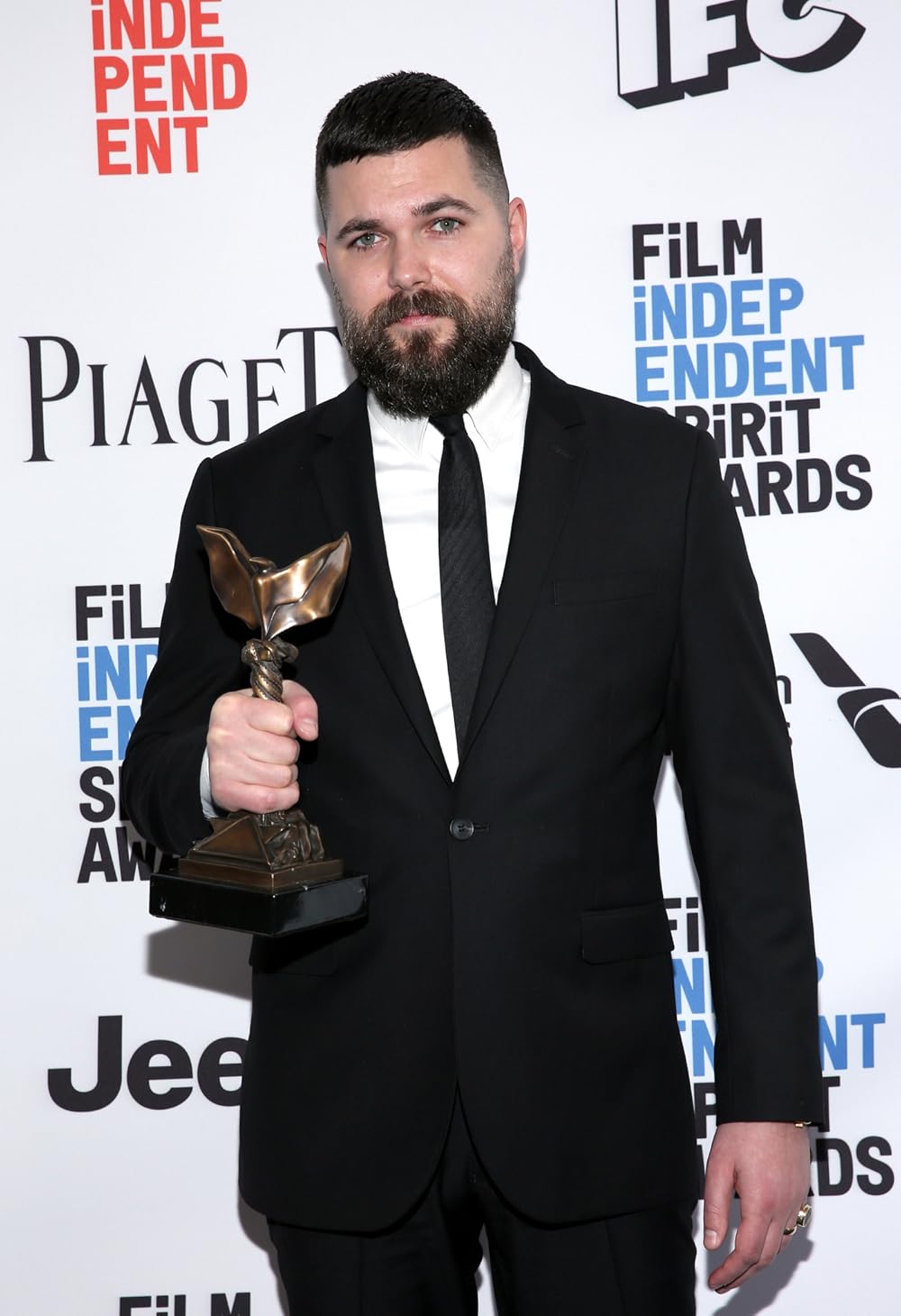
Robert Eggers Net Worth — He Made a $3.5 Million Film in Puritan English and Hollywood Listened
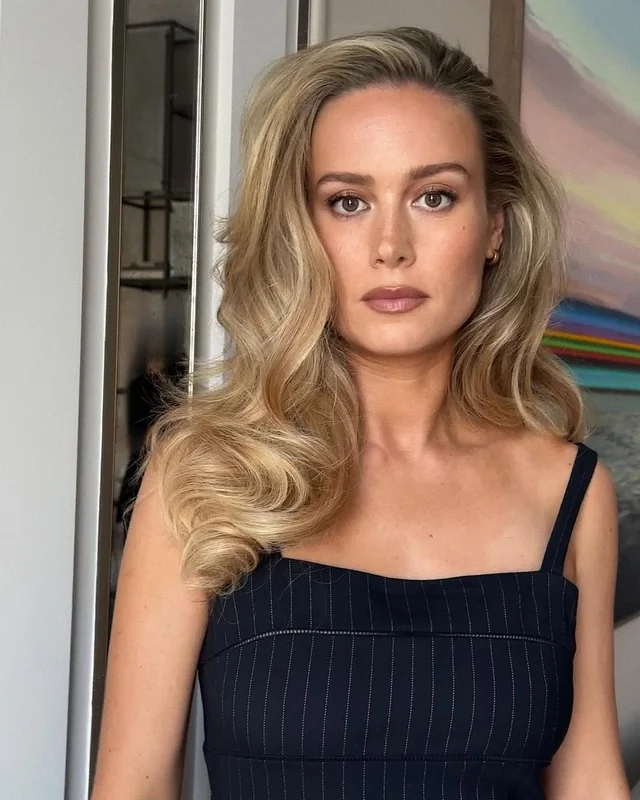
Brie Larson Net Worth — A $6 Million Indie Film Won Her an Oscar. Marvel Paid Her the Rest.
Categories
- Art
- Articles
- Beauty & Skincare
- Celebrities
- Celebrities|Movies
- Celebrities|The Chronicles
- Chronicles
- Entertainment|Culture
- Event Photos
- Events
- Fashion
- Fashion & Style
- Featured
- Food & Beverage
- Food, Spirits, Wine
- Hamptons
- Hamptons Celebrities
- Hamptons Celebrities|Celebrities|The Chronicles
- Health
- Health & Beauty
- Lifestyle
- Luxury Lifestyle
- Movies|Culture
- Movies|Hamptons Lifestyle
- Press
- Profiles
- Real Estate
- Technology
- The Chronicles
- Travel
- TV
- Uncategorized
- Weddings