
By David Hornung, Co-Founder & Principal Designer, D&J Concepts

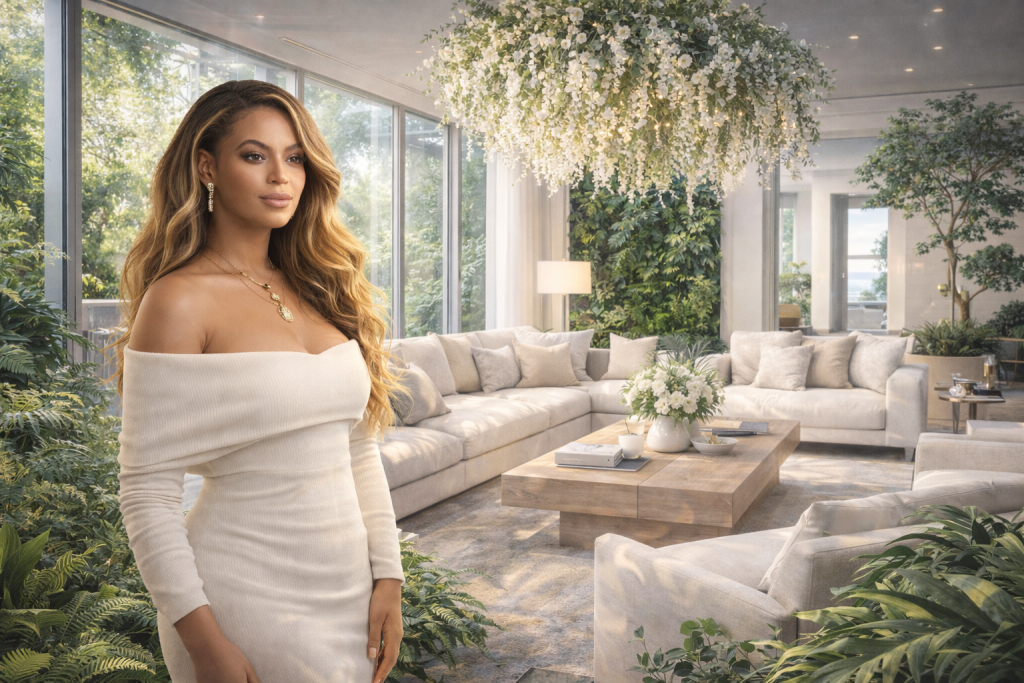
The most expensive design decision on Georgica Pond cost nothing. It was the decision to let the pond win. When the designers working on one of the area’s most prominent estates positioned the primary living spaces, they oriented every major window toward water rather than road. No imported marble, no custom metalwork, no six-figure light fixture can replicate what that single choice accomplishes every morning at sunrise. Biophilic design in luxury homes begins with this understanding: nature is not decoration. It is the senior partner.
Across the Hamptons and in luxury markets from Palm Beach to the Pacific Coast, biophilic design luxury has moved from architectural theory to standard practice at the highest price points. The shift is not aesthetic. It is neurological. Research published by Harvard Business Review demonstrates that environments incorporating natural elements measurably reduce cortisol levels and improve cognitive function. For homeowners spending $15 million or more on a residence, the question is no longer whether to integrate nature. It is how deeply.
What Biophilic Design Actually Means at the $15M Level
The term gets misused constantly. Placing a fiddle-leaf fig next to a sectional sofa is not biophilic design. Installing a green wall in a powder room is closer but still insufficient. Genuine biophilic design luxury involves the systematic integration of natural systems, materials, light patterns, and spatial relationships into the architectural framework of a home. It begins at the site plan and extends through every finish selection.
At D&J Concepts, David Hornung approaches biophilic integration through three principles. First, natural light must be the primary illumination source during daylight hours. This means window placement is a design decision, not an architectural default. Second, material selections must include genuine natural surfaces that age and develop patina rather than synthetic alternatives that degrade. Third, sight lines must connect interior spaces to exterior landscapes at regular intervals, so inhabitants are never more than one room away from a view of something alive.
These principles directly echo what Steve Chase practiced in Palm Springs decades ago. Chase’s interiors were defined by wood, granite, leather, and stone, all materials that breathe and change over time. His lighting design treated natural daylight as the baseline and artificial illumination as supplementary. The vocabulary has changed. The instinct has not.
The Georgica Pond Approach: Landscape as Floor Plan
Georgica Pond properties occupy some of the most valuable residential land in North America. The design challenge is specific: how do you build a home worthy of the price per acre without diminishing the natural asset that created the value in the first place? The answer, practiced by the best designers working in the area, is to treat the landscape as the floor plan’s organizing principle.
This means the pond, the ocean beyond it, the mature specimen trees, and the seasonal wildflower meadows all precede any interior design decision. Window walls face water. Living rooms orient toward sunset. Bedrooms open to garden views that change with the season. In contrast, service spaces, utility areas, and circulation corridors occupy the portions of the footprint with the least landscape value. Nothing about this arrangement is accidental.
Furthermore, the material palette on Georgica properties tends to reference the surrounding environment directly. Bleached oak flooring mirrors driftwood. Blue-gray stone countertops echo the pond at dusk. Linen upholstery in sand tones disappears into the light rather than competing with it. These choices require a designer who has spent years observing how East End light behaves across seasons, something that cannot be learned from a material library in Manhattan.
Natural Materials: The Biophilic Foundation
Material selection is where biophilic design luxury separates from conventional interior decoration. Engineered stone looks like marble for approximately three years. After that, it looks like engineered stone. Genuine Calacatta, by comparison, develops character. Micro-scratches become part of the surface narrative. Color shifts subtly with changing light. The stone tells time.
D&J Concepts specifies natural materials not because they are more expensive, though they often are, but because they are more honest. Rift-cut white oak, hand-troweled lime plaster, unlacquered brass hardware, book-matched marble slabs. Each of these materials participates in the life of the house rather than merely surviving it. Over a 25-year period, a natural material palette actually appreciates in character while synthetic alternatives depreciate.
Bain & Company’s annual luxury market report confirms that material authenticity is now a primary purchase driver among ultra-high-net-worth buyers. The research indicates a measurable shift away from brand-driven material choices toward provenance-driven ones. Clients increasingly want to know where the stone was quarried, who milled the wood, and how the finish will evolve. Biophilic design luxury depends on satisfying these questions at every surface.
Light as Living System
Natural light is the most undervalued material in luxury residential design. A $200-per-square-foot window wall delivers more biophilic impact than a $50,000 custom fixture. The reason is physiological: human circadian rhythms are calibrated to respond to changing natural light, shifting from cool morning tones through warm afternoon gold to the blue-violet of dusk. Spaces that track these changes promote better sleep, sharper cognition, and lower stress.
In the Hamptons, the quality of light shifts dramatically between seasons and even between the North Fork and South Fork. East End designers who understand these variations can calibrate window treatments, glass specifications, and room orientations to harvest the specific light qualities that define each location. A Bridgehampton kitchen faces different light than a Montauk bedroom. Biophilic design at the luxury level accounts for these differences at the specification stage, not as an afterthought.
Steve Chase treated lighting as architecture. D&J Concepts continues that tradition, using the Visual Clarity Method to show clients precisely how their rooms will feel at different times of day before construction begins. When a presentation renders morning light falling across a limestone floor, the client is not imagining. They are seeing their future daily experience. That specificity is what elevates biophilic design luxury from trend to practice.
Beyond Trend: Biophilic as Investment
Biophilic design luxury is not a style that will be replaced next season. It is a framework rooted in human biology and supported by decades of environmental psychology research. Homes designed around natural systems retain relevance because the human response to nature does not change with fashion cycles. A room that frames a view, uses genuine materials, and follows natural light patterns will feel correct in 2026 and in 2046.
For Hamptons homeowners, this permanence translates to both quality of life and property value. Christie’s International Real Estate data consistently shows that properties with strong indoor-outdoor integration and natural material palettes command premiums at resale. The investment in biophilic design is not aesthetic. It is structural, emotional, and financial.
Beyoncé’s designers understood this when they let the pond win. The most powerful design decision you can make is the one that costs nothing and changes everything. Start with what is already there.
Bring Nature Into Your Next Project
D&J Concepts integrates biophilic design principles into every Hamptons residential project through the Method of Visual Clarity. To explore how natural materials, light, and landscape can transform your home, contact us. For luxury event sponsorship and Polo Hamptons tickets, visit polohamptons.com.
Subscribe to Social Life Magazine for exclusive Hamptons design and lifestyle content. Join our email list. Print subscriptions available. Support independent luxury journalism with a $5 contribution. Continue reading with The Technology Tom Ford’s $52M Estate Hides and Luxury Home Design Trends: What’s Next.
Author

Written by
Recent Posts
Sectional Sofa vs. Regular Sofa: Which One is Best for You?

Sober and Injured: How to Manage Pain Treatment After a Massachusetts Slip and Fall
Flexible Liquidity Options Are Reshaping How Modern Professionals Handle Unexpected Expenses
5 Best At-Home Teeth Whitening Kits for a Brighter Smile in 2026

From Spa Retreats to Aesthetic Care, the Luxury Travel Itinerary Is Changing
Categories
- Art
- Articles
- Business of Luxury
- Celebrities
- Culture
- Entertainment
- Events
- Faces of Summer 2026
- Fashion
- Fashion & Style
- Featured
- Finance
- Food, Spirits, Wine
- Hamptons
- Hamptons Celebrities
- Health
- Health & Beauty
- Lifestyle
- Luxury Lifestyle
- Press
- Profiles
- Real Estate
- Technology
- The Chronicles
- Travel
- Uncategorized
- Weddings