
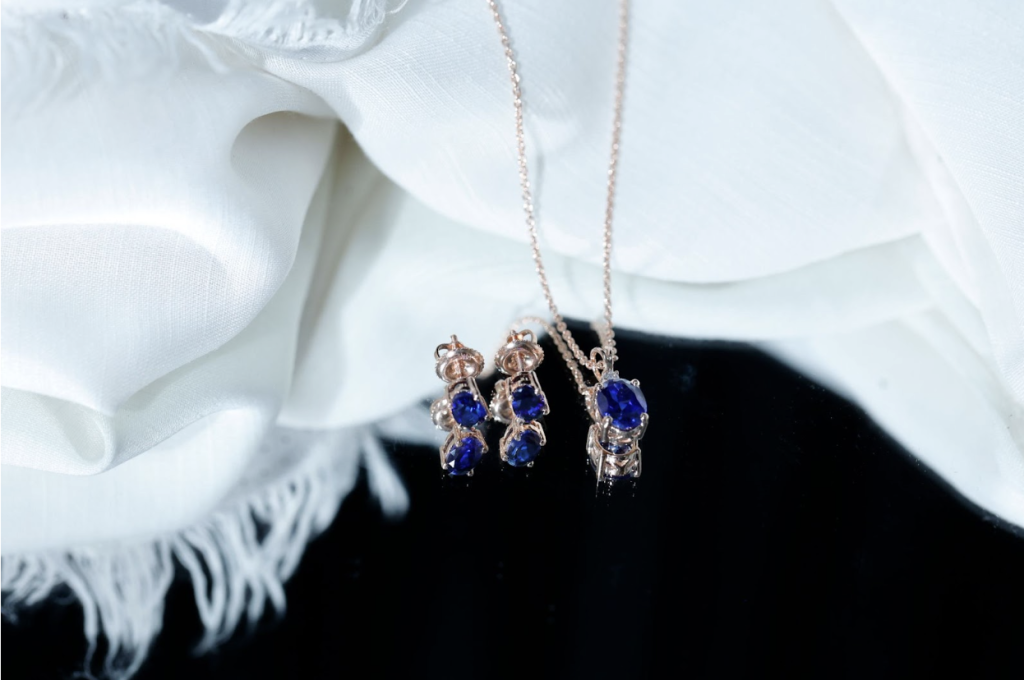
Blue sapphire jewelry never seems to be an aged item. Trends are all over the place, metals are in and out of style, but a sapphire whirls the stuffy navy blues? It’s been adorning the fingers of queens, famous faces, and those of us more regular folk for centuries — and it looks just as relevant today as it did then.
Why is that so, and why does it stand the time so well? And perhaps most importantly, do you need to buy one?
Let’s get into it.
Why Sapphire Has Never Gone Out of Style
Sapphires have been rated as gemstones for centuries. People in ancient Persia thought the sky was blue due to the reflection of the sapphire. Medieval clergy wore them as symbols of heaven. Princess Diana wore one. Kate Middleton wears it now. That ring has been photographed more times than most people can count — and it still stops people in their tracks.
That’s not luck. That’s a stone with staying power. Here are some more reasons why people are considering blue sapphire jewelry:
- The rich blue color has something timeless about it.
- The color doesn’t date itself to a decade. It just looks timeless, always
- Unlike trendy gemstones, sapphire has never had a “that was so 2005” moment
What Makes a Sapphire Actually Worth Buying
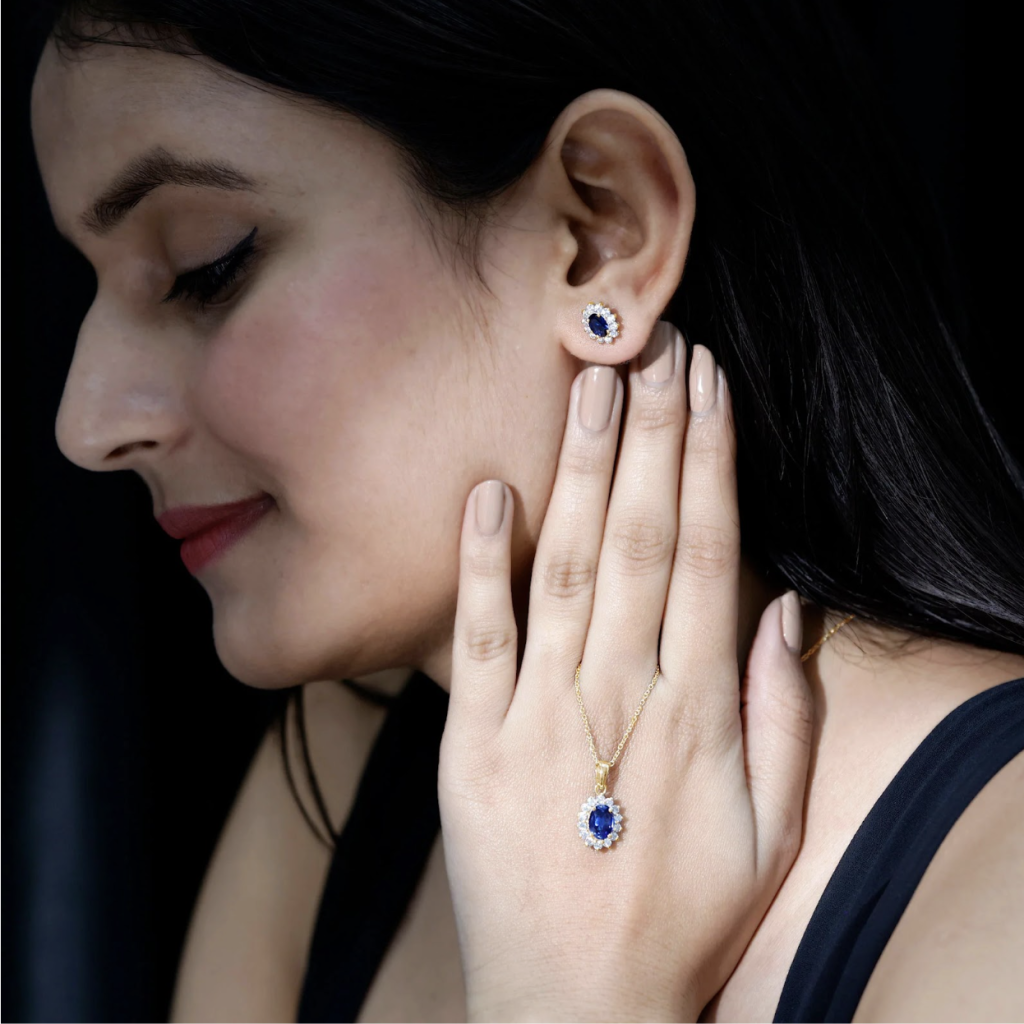
Color is everything here. Here’s what to look for:
- Best shade: something soft and velvety, medium to dark blue — avoid blackish blue here so that it’s not so dark it looks black inside, and avoid light blue that looks washed out
- Origin: Kashmir (cornflower blue, legendary), Burma (dark, enriched), Ceylon/Sri Lanka (lighter, cheaper)
- Clarity: Sapphires are masters at hiding inclusions, so small inclusions are not a concern. They polish the trade of the “silk,” and they hardly disrespect the loveliness.
- Combating Origin vs Look: While the average consumer may care about the origin, how it looks is more important to most buyers. A marvelous Ceylon stone is preferable over a dreary Kashmir any day
Is a blue sapphire engagement ring impractical?
Yes. More useful — and used — than most people think.
- On the Mohs scale, sapphires are a 9, just below diamonds.
- They handle real daily life — gym bags, dishes, everything
- No fragile maintenance routines
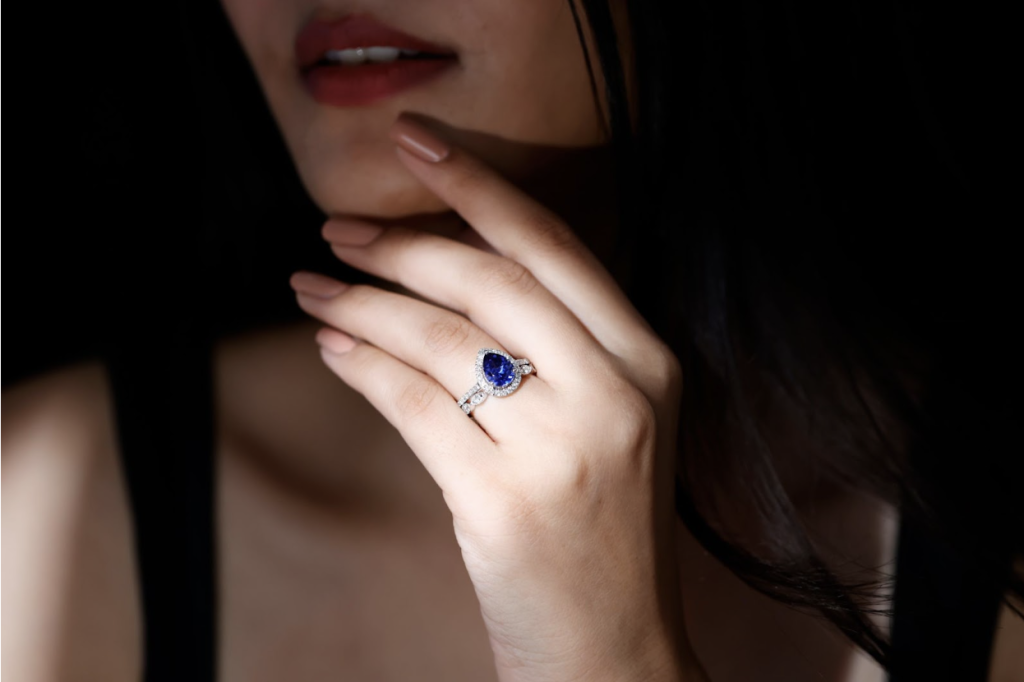
- That classic oval blue + diamond halo combo? It’s a modern staple for a reason
- A blue sapphire engagement ring gives you color, durability, and that timeless look — all at once
For anyone wanting something beyond a white diamond without sacrificing wearability, this is honestly one of the smartest picks.
Natural vs Lab-Grown Sapphire — Know the Difference
| Factors | Natural | Lab-Grown |
| Chemical structure | Corundum | Identical corundum |
| Hardness | 9 Mohs | 9 Mohs |
| Clarity | Varies, inclusions common | Consistent, cleaner |
| Price | High, especially premium origins | Fraction of natural cost |
| Origin story | Yes — Kashmir, Burma, Ceylon | No geological origin |
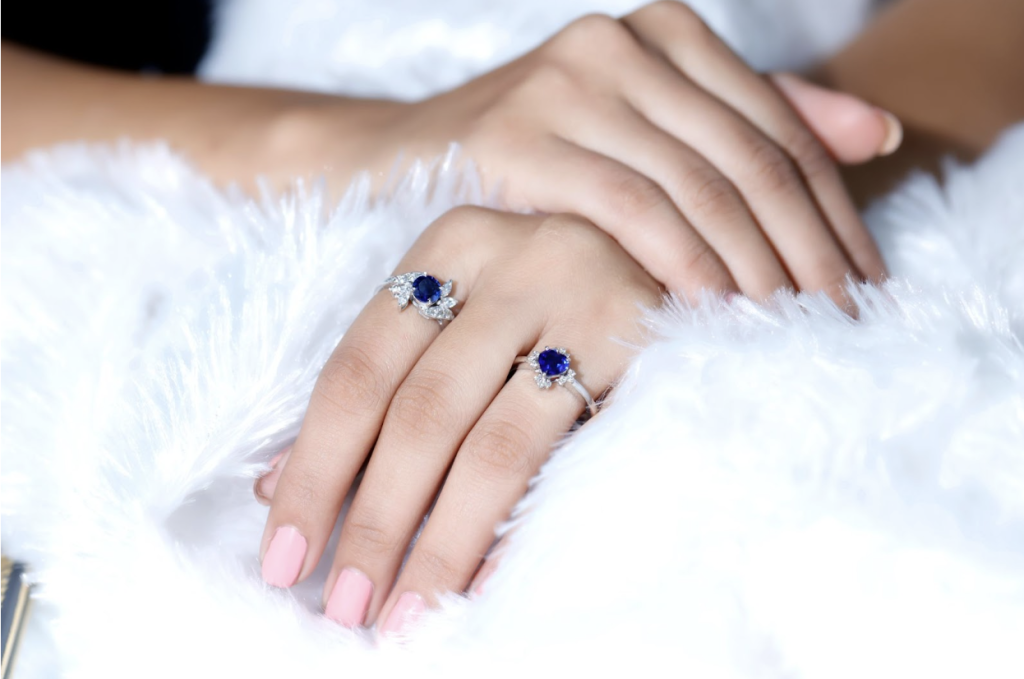
A lab created blue sapphire ring is an excellent option for buyers who want the same durability and visual appeal at a more accessible price point, without compromising on beauty.
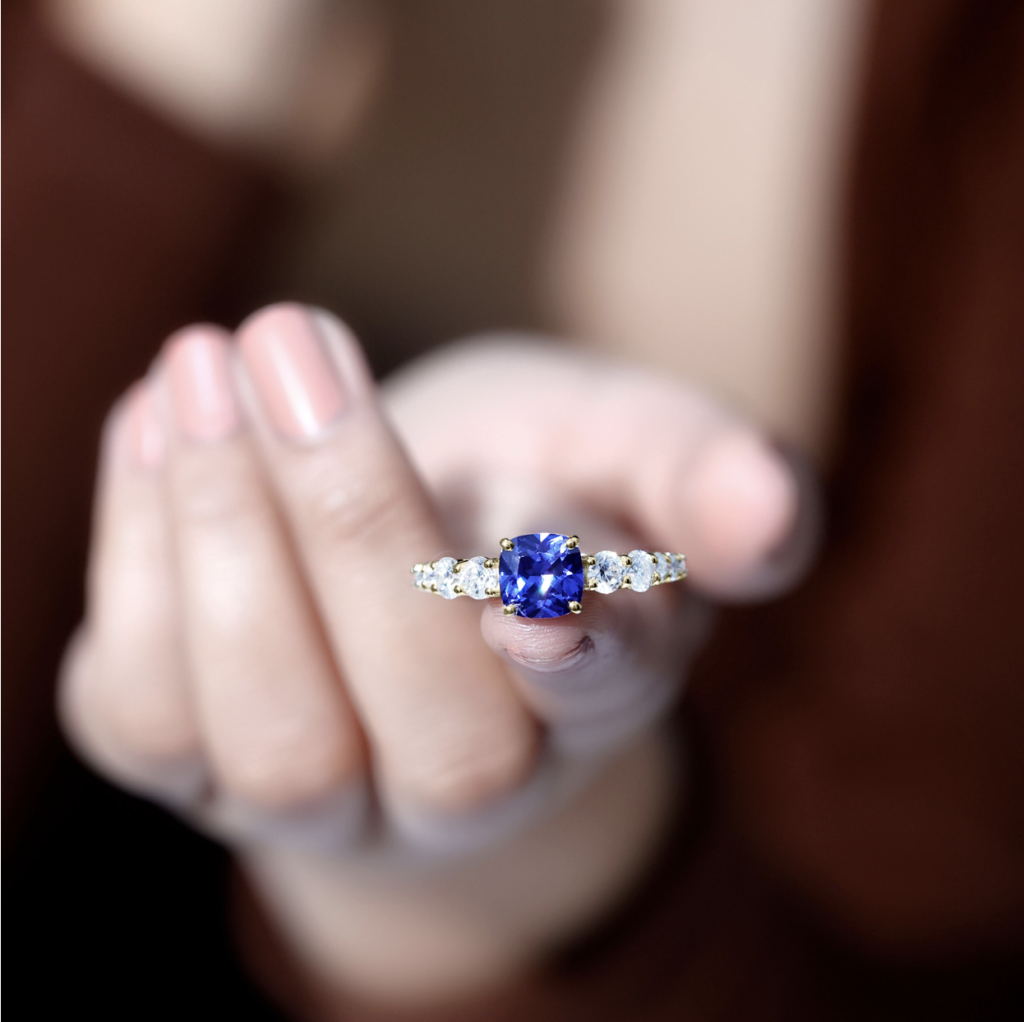
Why a Sapphire Ring for Women Works Across Every Style
This is where sapphire separates itself from other colored stones — it adapts.
- Works in vintage settings with milgrain edges just as well as sleek modern bezels
- Looks stunning in yellow gold, white gold, and rose gold equally
- A sapphire ring for women fits whether the style is minimal, maximalist, classic, or contemporary
- Stack it, solitaire it, halo it — it doesn’t fight the setting, it elevates it
Very few colored stones pull that off. Sapphire just does.
Things to Check Before You Actually Buy
Treatments are common in the Sapphire world. Heat treatment is standard — almost every sapphire on the market has been heat-treated to improve color and clarity. That’s accepted and fine. What you want to watch out for is beryllium treatment or fracture filling, which are more aggressive and can significantly affect value.
Always ask for disclosure. Any reputable seller will tell you exactly what treatments the stone has undergone. If they get vague about it, that’s your cue to move on.
Certification matters too. It confirms origin, quality, and treatment history — and it protects you if you ever decide to resell.
Conclusion
Blue sapphire bows to no trends — it stands aloft from all of that. Sturdy enough for everyday, flexible enough for any aesthetic, and gorgeous enough to cause people to lose their train of thought. Be it natural or lab-grown, simple or ornate — this stone is available for every buyer. That is one of the few cases in the jewelry world where the reputation is completely deserved. Buy it because you love it. Everything else will follow.
Author

Written by
Recent Posts

Unlocking the Berkshires
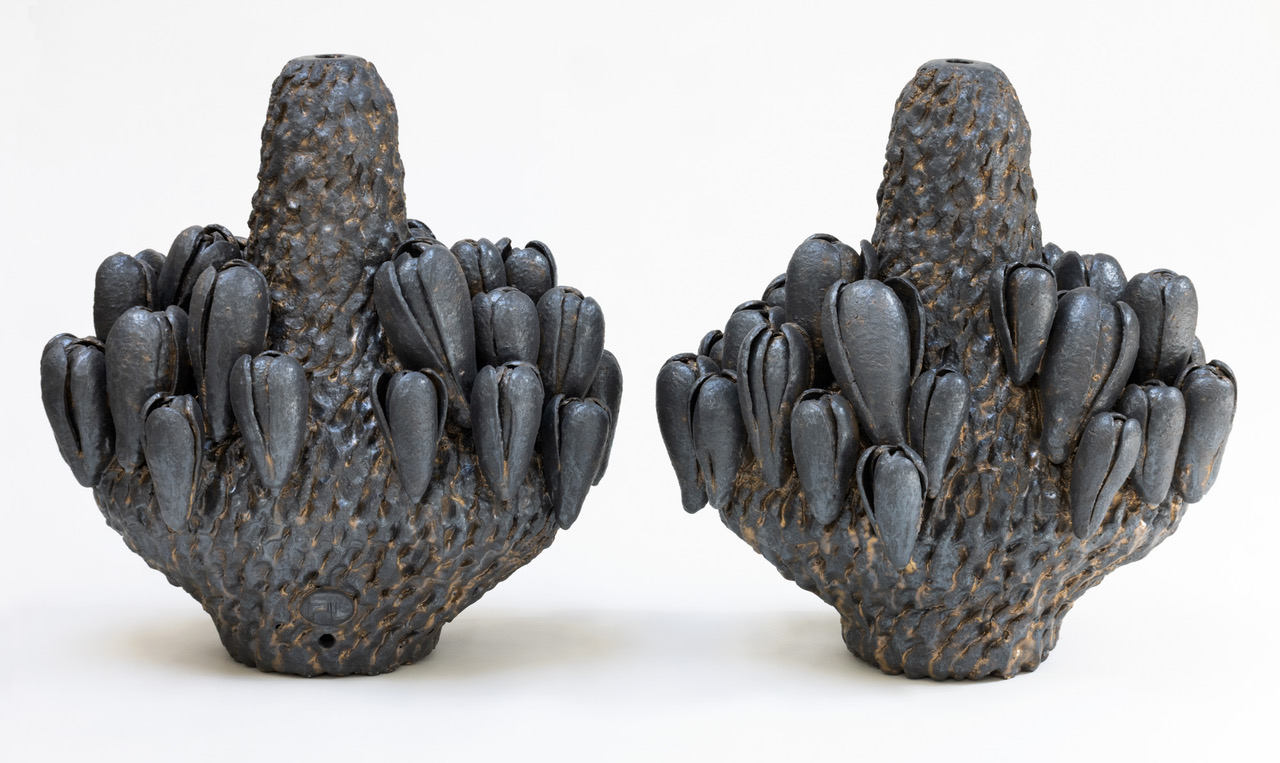
Dalia Forman Design

Alberto Luzzi
How to Pick a Homecoming Dress for Your Body Type and Feel Amazing in It
How to Prepare a Home for Sale When Major Repairs Are Not Affordable
Categories
- Art
- Articles
- Business of Luxury
- Celebrities
- Culture
- Entertainment
- Events
- Faces of Summer 2026
- Fashion
- Fashion & Style
- Featured
- Finance
- Food, Spirits, Wine
- Hamptons
- Hamptons Celebrities
- Health
- Health & Beauty
- Lifestyle
- Luxury Lifestyle
- Press
- Profiles
- Real Estate
- Technology
- The Chronicles
- Travel
- Uncategorized
- Weddings