
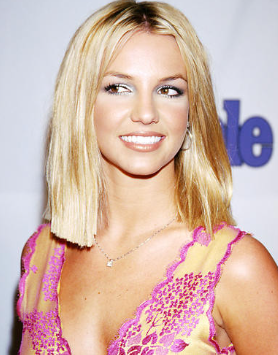
$200 Million in Catalog Rights. A Biopic From the Director of Wicked. A Memoir That Outsold Every Music Book in a Decade. And She’s Still Not Done.
In the span of three years, Britney Spears has generated more financial activity than most Fortune 500 CEOs manage in a career. Her memoir The Woman in Me sold 2.5 million copies and became the fastest-selling audiobook in Simon & Schuster history. Her music catalog sold to Primary Wave for an estimated $200 million. Universal Pictures secured the rights to adapt her life story with Jon M. Chu directing. And her influence on current pop stars, from Sabrina Carpenter to Addison Rae to Tate McRae, has never been more visible.
Britney Spears hasn’t released an album since 2016 or performed live since 2018. She doesn’t need to. She’s built something more valuable than a discography. She’s built an economy.

The Catalog Sale: Cashing Out at the Peak
The December 30, 2025 deal with Primary Wave transferred Spears’ ownership share of her music catalog to the independent publisher. TMZ, which broke the story using legal documents, described it as a “landmark deal” comparable to Justin Bieber’s $200 million sale to Hipgnosis. NBC News confirmed the approximate price point. The deal was reportedly signed while Spears was “celebrating by spending time with her kids.”
What makes the sale strategically interesting is its timing relative to the biopic. Music biopics consistently drive catalog value increases of 100 to 300 percent in streaming revenue during their theatrical and streaming windows. Bohemian Rhapsody added an estimated $200 million to Queen’s catalog valuation. Straight Outta Compton drove NWA streams up 300 percent. By selling before the biopic’s release, Spears captured present value but left the biopic premium on the table for Primary Wave.
Whether that was intentional is debatable. What’s clear is that Primary Wave acquired the catalog knowing the biopic was in development. They’re buying the pre-movie price and will collect the post-movie upside. It’s textbook event-driven investing, applied to pop music.
The Biopic: A Content Event With a Revenue Multiplier
Jon M. Chu’s involvement elevates this from a standard music biopic to a prestige project. His Wicked adaptation grossed over $700 million worldwide. Crazy Rich Asians broke cultural barriers and box office records simultaneously. He told Esquire that Spears “deserves a story that honors” her survival, and posed the question, “What does freedom actually cost?”
A Chu-directed Britney biopic with Universal’s marketing muscle could realistically target $300 million to $500 million at the global box office, based on comparables. The downstream revenue, streaming rights, merchandise, soundtrack sales, and the inevitable streaming spike for every Britney song featured, could double that figure over the film’s first five years.
For Primary Wave, the biopic isn’t just a cultural event. It’s a catalyst that could make their $200 million investment look like a bargain within 24 months of the film’s release.
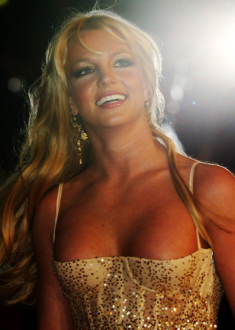
The Memoir Machine: 2.5 Million Copies and Counting
The Woman in Me didn’t just sell well. It reframed the entire Britney narrative. Before the memoir, the public perception was a collage of tabloid images: the shaved head, the umbrella, the custody battles, the conservatorship. After the memoir, the story became about institutional abuse, financial exploitation, and one woman’s fight to reclaim autonomy over her own life and fortune.
That reframing has commercial value that extends far beyond book sales. It transformed Spears from a nostalgia act into a cultural symbol. The #FreeBritney movement was already powerful. The memoir gave it intellectual credibility. And that credibility is what makes the biopic viable, the catalog valuable, and the Britney brand resilient in ways that pure nostalgia never could sustain.
The Influence Economy: Why Current Pop Stars Can’t Stop Channeling Her
In 2025, Sabrina Carpenter, Tate McRae, and Addison Rae all publicly channeled Britney’s early-2000s aesthetic in their fashion, performance style, and vocal approach. Harper’s Bazaar noted that “the sultry, hush-hush whisper tones that have taken over the airwaves and TikTok” are “directly derivative of Spears’ own famous tone.”
This isn’t coincidence. It’s market validation. When today’s biggest pop stars model themselves after a specific predecessor, they’re confirming that predecessor’s cultural equity. For Primary Wave, every Carpenter or McRae performance that evokes Britney drives awareness of the original catalog. The influence economy creates a flywheel: current stars reference Britney, which drives Britney streams, which increases catalog value, which justifies the $200 million acquisition price.
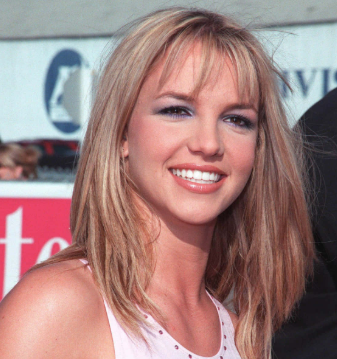
Adding It All Up: The Total Britney Economy
The numbers, when aggregated, tell a story that transcends any single deal. Catalog sale: approximately $200 million. Memoir sales and licensing: estimated $15 million to $20 million. Biopic potential (box office, streaming, licensing): $300 million to $500 million in total revenue. Annual streaming revenue from catalog (pre-biopic): estimated $5 million to $8 million. Conservatorship-era earnings still generating passive income: unknown but substantial.
The total Britney economy, meaning all commercial activity generated by her name, music, story, and image, likely exceeds $1 billion over the next decade. And she accomplished this without performing a single concert, releasing a single song, or leaving her Los Angeles home.
That’s not a career. That’s an asset class. And it proves what the smartest observers of the 90s music economy have always known: the artists who generate the most lasting value aren’t always the ones who make the most music. They’re the ones whose stories become impossible to look away from.
Related: Britney Sells Catalog for $200M | The Conservatorship Money Trail: Where Britney’s $300M Went
Want to feature your brand alongside stories like this? Contact Social Life Magazine about partnership opportunities. Join us at Polo Hamptons this summer. Subscribe to the print edition or join our email list for exclusive content. Support independent luxury journalism with a $5 contribution.
Author

Written by
Recent Posts
7 Mindful Meal Prep Tips for Stop Food Waste Day
Rebecca Ferguson Net Worth: The Advantage of Not Being the Lead
What Makes a Dinner Party Truly Unforgettable (Hint: It’s Not the Food)
Tips for Managing Grease and Oil in Everyday Dishwashing
Austin Butler Net Worth: The Method Actor in a Post-Method World
Categories
- Art
- Articles
- Beauty & Skincare
- Celebrities
- Celebrities|Entertainment
- Celebrities|Television
- Celebrities|The Chronicles
- celebrities|the-archive
- Chronicles
- Entertainment|Culture
- Event Photos
- Events
- Fashion
- Fashion & Style
- Featured
- Food & Beverage
- Food, Spirits, Wine
- Hamptons
- Hamptons Celebrities
- Hamptons Celebrities|Celebrities|The Chronicles
- Health
- Health & Beauty
- Lifestyle
- Luxury Lifestyle
- Movies
- Press
- Profiles
- Real Estate
- Technology
- The Chronicles
- Travel
- Uncategorized
- Weddings