
Over the last few years, many of us have experienced significant changes to the way we live, work and socialise. For some, this has also meant living with the consequences of increased alcohol use, including dependence and addiction.
As awareness of these issues grows, more people are reconsidering their relationship with alcohol and looking for ways to enjoy social occasions without relying on a drink, even seeking alcohol advice where necessary. One of the most visible changes is the rise of mocktails and alcohol-free entertainment, which could be helping to reshape how we socialise.
Why Are Mocktails Becoming So Popular?
Mocktails are no longer simply a substitute for a traditional cocktail. Restaurants, bars and events are increasingly offering sophisticated alcohol-free drinks designed to be enjoyed in their own right.
For people who are sober, sober curious or simply trying to drink less, having an interesting drink in their hand can make social situations feel more inclusive. Instead of being offered a fizzy drink or water while everyone else enjoys cocktails, people can choose something that feels equally special.
This can make an important psychological difference. Socialising is often about the experience, not simply what is in the glass.
Moving Away From Alcohol-Centred Socialising
For generations, alcohol has been closely connected with socialising in Britain. Meeting friends at the pub, having drinks after work or opening a bottle of wine at dinner can all feel like normal parts of social life.
However, that does not mean alcohol needs to be at the centre of every occasion.
Alcohol-free events are creating alternative opportunities to meet people and have fun. From sober nights and alcohol-free cocktail bars to brunches, creative workshops and wellness events, entertainment is increasingly being designed around activities rather than drinking.
This could be particularly valuable for anyone who has struggled with addiction. Removing alcohol from the environment can make socialising feel less pressured and reduce the temptation to drink.
Can Alcohol-Free Drinks Make People Feel Included?
One of the biggest challenges for people who are cutting down or stopping drinking can be feeling different from their friends.
A well-made mocktail can help remove some of that feeling. It provides a social ritual without the alcohol, allowing people to take part in a toast, order a drink at the bar or enjoy an evening out without having to explain their choices.
For friends and family members, offering alcohol-free alternatives can also be a simple way of showing support. It sends the message that someone does not have to drink to be part of the occasion.
Entertainment Beyond the Bar
The growth of alcohol-free socialising is also encouraging people to think differently about entertainment.
A night out does not have to mean drinking until late. People can go for coffee, attend a fitness class, try a new restaurant, visit an exhibition, enjoy live music or organise a games night at home.
These alternatives can create opportunities to connect without alcohol influencing the atmosphere. They may also allow people to remember the evening more clearly and avoid the disruption that excessive drinking can cause.
A Healthier Social Culture?
Mocktails alone will not solve alcohol addiction, but they can contribute to a wider cultural shift in how we think about drinking.
For someone experiencing alcohol dependence, professional support may be necessary, particularly if stopping suddenly could lead to withdrawal. However, for people who simply want to reduce their consumption, having enjoyable alcohol-free options can make that decision much easier.
Ultimately, the rise of mocktails is about more than replacing one drink with another. It reflects a growing willingness to separate having fun from having alcohol.
As alcohol-free entertainment becomes more creative, accessible and socially accepted, the idea that every celebration needs a drink could gradually become a thing of the past. Socialising is about connection, enjoyment and shared experiences and none of those require alcohol.
Author

Written by
Recent Posts
How to Plan a Luxury City Break Around Boutique Hotels and Fine Dining
Can Mocktails Change the Way We Socialise? The Rise of Alcohol-Free Entertainment
Rebuilding Confidence After Addiction: The Role of Self-Care
How Stress Can Affect Your Skin – And What You Can Do About It
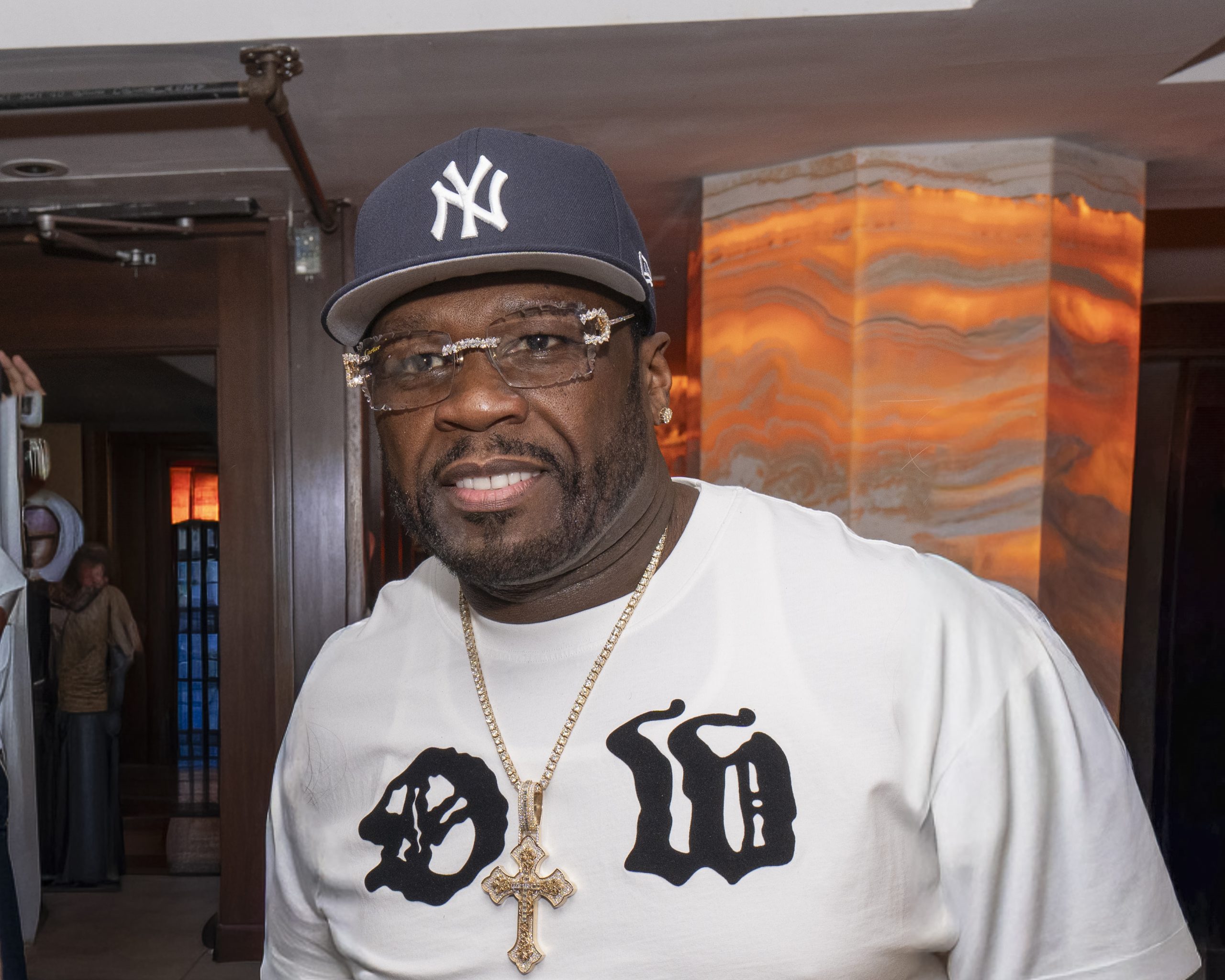
50 Cent X ZOI NoMad
Categories
- Art
- Articles
- Business of Luxury
- Celebrities
- Culture
- Entertainment
- Events
- Faces of Summer 2026
- Fashion
- Fashion & Style
- Featured
- Finance
- Food, Spirits, Wine
- Hamptons
- Hamptons Celebrities
- Health
- Health & Beauty
- Lifestyle
- Luxury Lifestyle
- Press
- Profiles
- Real Estate
- Technology
- The Chronicles
- Travel
- Uncategorized
- Weddings