
Seven countries in eight days sounds thrilling on paper. In reality, it is exhausting. You spend half your waking hours checking out of hotels, dragging rolling suitcases over uneven cobblestones, and squinting at departure boards in crowded train terminals. Sights become a blur of museum queues, hurried meals, and hasty selfies taken just to prove you stood in front of a famous monument. By day four, monument fatigue sets in, turning what should have been a dream journey into an endurance test.
Surveys suggest that nearly 68 percent of travelers return from fast-paced multi-city holidays feeling they need another vacation just to recover. Rushing through the continent robs you of the very reason you left home: to step out of your everyday routine and actually unwind. When you slow down and choose to anchor yourself in one region, the entire tone of your journey shifts from frantic collection to quiet discovery.
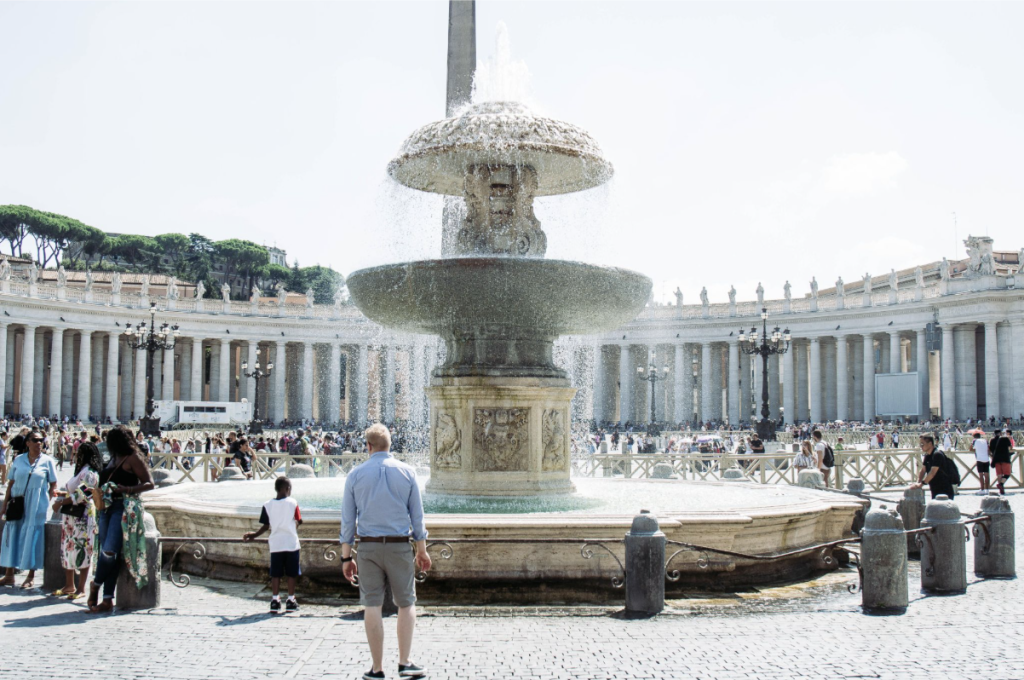
Becoming a Temporary Local Instead of a Passing Ghost
You could read ten books in ten days—following a set schedule, perhaps—or you could spend that same amount of time reading just one book, taking it slowly. Given the vast selection novel read online, this is easily done. However, reading for speed or against a deadline often means sacrificing depth. The same principle applies to travel.
Unpacking your bag once changes everything. Suddenly, you have a neighborhood, not just a hotel room. You visit the same bakery on the corner three mornings in a row, and by Wednesday, the baker nods at you before you even place your order. You figure out which alleyway avoids the midday crowds and which market stall sells the sweetest summer plums.
Staying in one place allows you to see the natural rhythm of everyday life. You observe grandmothers gossiping on shaded park benches, school children running home in the late afternoon, and shopkeepers sweeping their steps as dusk settles. These small, unscripted human moments rarely happen when you are running to catch an afternoon tour bus. They require stillness. They need you to sit on a quiet bench for an hour with nowhere urgent to be.
Slashing Your Environmental Footprint Along the Way
Moving less is undeniably kinder to the earth. Transportation accounts for the largest chunk of a trip’s environmental toll, especially when travelers book multiple domestic flights to jump between distant capitals. According to data from the European Environment Agency, rail travel produces roughly 75 to 80 percent fewer greenhouse gas emissions per passenger compared to short-distance flights. Staying grounded in a single region naturally cuts out the high-carbon hopping that plagues modern tourism.
Once settled, your legs and public transit do the heavy lifting. You ride regional buses into nearby hills, rent a bicycle to tour riverside paths, or simply walk miles across residential quarters. When you choose to explore within a sixty-mile radius of a single base, your trip stops feeding the urgent logistics of mass transit. The planet gets a break, and your lungs get cleaner air.
Keeping More Money in Your Wallet
Fast travel is surprisingly expensive. Daily train tickets bought at the last minute, airport taxi fares, luggage storage fees, and constant restaurant meals eat through savings at an alarming rate. Long-stay travelers, on the other hand, unlock substantial discounts. Booking an apartment for seven or more days often yields weekly rate cuts of 15 to 30 percent compared to single-night bookings.
Having access to a small kitchen also rewrites your daily food budget. You do not need to cook elaborate five-course dinners, but brewing your morning coffee and assembling a fresh picnic lunch of local bread, cheese, and fruit saves real money. In fact, studies on travel spending show that food and transit swallow over 50 percent of an average vacation budget. Taming those two expenses frees up cash for things that genuinely matter, like a special guided workshop or a memorable concert in an old stone church.
Breaking Away from the Overtourism Nightmare
The world has an overcrowding problem. Recent international tourism reports reveal that roughly 80 percent of global visitors concentrate in just 10 percent of all available destinations. In Europe, this creates unbearable friction in headline spots, driving up housing costs for residents and transforming historic districts into noisy outdoor theme parks. Visitors end up waiting two hours in the heat just to look at a ceiling or walk down a congested bridge.
Slow travel acts as a natural pressure valve. When you have two weeks in a quiet valley enjoying the scenery and reading Fiction Me novels online free or a secondary coastal town, you do not feel forced to stand in tourist lines all day. Instead, you can take a twenty-minute commuter train out to quiet villages that welcome visitors with open arms. You support small family-owned shops that desperately need business, steering revenue away from giant corporate chains and straight into real communities.
True Cultural Connection Over Superficial Sightseeing
Surface-level travel is like reading only the chapter titles of a brilliant novel. You know what happens, but you miss all the nuance, emotion, and character depth. When you stay longer, you gain the time to engage in real conversations with the people who actually live there. A quick question to an olive oil producer or a potter can turn into an hour-long chat about regional history and changing weather patterns.
Language barriers even begin to soften. You pick up everyday pleasantries, learn the customary way to ask for the bill, and understand local etiquette through careful observation rather than an anxious guidebook search. You stop viewing the destination as an amusement backdrop designed for your entertainment and start respecting it as someone else’s beloved home. That shift makes all the difference between consuming a place and truly appreciating it.
Cultivating Mental Clarity and Genuine Rest
We live in an age of chronic screen fatigue and endless notifications. Many people book holidays hoping for peace, only to turn their journey into another checklist of tasks to complete before bedtime. Wake up at seven. Tour at eight. Museum at ten. Lunch at twelve. Next train at two. It feels remarkably like the office life you tried to leave behind.
Lingering in one town gives you permission to do absolutely nothing. You can spend an entire afternoon reading a book beside a stone fountain, watching sparrows splash in the water. No alarms. No rush. Psychology research shows that periods of unstructured leisure stimulate creativity and reduce stress hormones far more effectively than hyper-scheduled vacations. Slow travel gives your brain the spaciousness it has been begging for all year long.
Practical Ways to Build Your First Slow Itinerary
How do you actually put this into practice? Start by picking one geographic hub and drawing a small circle around it on a map. Look for towns with strong regional rail links, good pedestrian streets, and lively daily markets. Instead of choosing three separate countries for your two-week break, choose one scenic district, whether that means a quiet corner of northern England, the rolling farmland of central Portugal, or a lakeside valley in Austria.
Resist the urge to pre-book every single hour. Leave at least two full days completely blank on your calendar. Let the weather, personal energy, or a casual tip from a neighbor dictate what you do next. Travel should never be a race where the person with the most passport stamps wins. When you finally slow down and give one spot your full, undivided attention, you discover that the deepest memories hide in the spaces where nothing was planned at all.
Author

Written by
Recent Posts

Dr. Elena Alvarez-Henry Celebrated at Star-Studded Miami Gala

Kelly Bensimon Joins New York Kitchen & Bath for an Exclusive Evening At Their Flatiron Showroom
Slow Travel in Europe: Why Spending More Time in One Destination Can Make a Trip More Rewarding
The Basic Stretch Top From SHEIN Built A Global Fashion Empire
Health Insurance Premium vs Coverage: How to Find the Right Balance
Categories
- Art
- Articles
- Business of Luxury
- Celebrities
- Culture
- Entertainment
- Events
- Faces of Summer 2026
- Fashion
- Fashion & Style
- Featured
- Finance
- Food, Spirits, Wine
- Hamptons
- Hamptons Celebrities
- Health
- Health & Beauty
- Lifestyle
- Luxury Lifestyle
- Press
- Profiles
- Real Estate
- Technology
- The Chronicles
- Travel
- Uncategorized
- Weddings