Why the Medium of Fame Determines the Math of Fortune
Music royalties alone cap at approximately $200M for even the biggest artists. Reality TV salaries cap around $25M for the highest-paid personalities. Film acting caps between $400–600M for the most bankable stars in history. These are not soft ceilings. They are structural limits built into each platform’s economics. The celebrities who break through do not work harder within their platform. They migrate to higher-ceiling platforms before the first one expires.
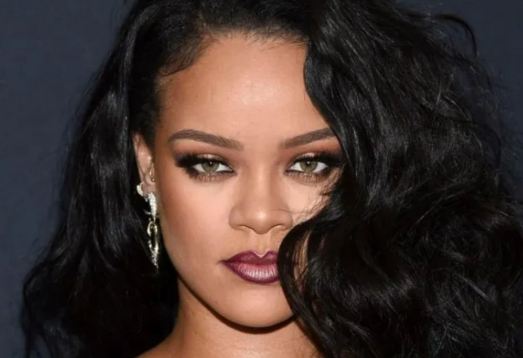
The data across every net worth ranking in The Chronicles reveals these platform-specific wealth ceilings that the entertainment press rarely discusses. Taylor Swift broke the music ceiling by owning her masters. Rihanna broke it by building Fenty Beauty. The Kardashians broke the reality TV ceiling by converting screen time to owned businesses. Tom Cruise broke the film ceiling by negotiating backend participation. According to McKinsey’s creator economy research, platform-dependent income streams follow predictable decay curves, while platform-migrated celebrities who convert attention into owned assets show wealth trajectories that compound indefinitely.
What follows is a breakdown of how platform ceilings actually work, who has migrated most effectively, and how to identify and execute the migration play at every wealth level—from the emerging creator approaching their first ceiling to the dynasty that owns the platforms themselves.
The Platform Ceiling Data Across Fame Categories
Music Industry: The $200M Streaming Ceiling
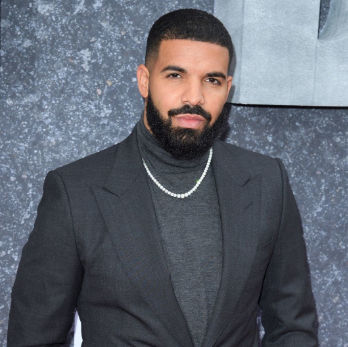
The music industry net worth data reveals a stark ceiling for streaming-dependent artists. Drake, one of the most commercially successful artists of his generation, has accumulated approximately $250M—and that required historic streaming numbers sustained across a decade-plus career. Artists below his tier face an even harder ceiling: streaming royalties pay fractions of a cent per play, and even billions of streams translate to tens of millions rather than hundreds.
The artists who broke through did not stream more. They migrated. Taylor Swift owns her re-recorded masters, converting streaming revenue into catalog ownership that commands premium valuations. Rihanna built Fenty Beauty, using music fame as customer acquisition for a beauty empire worth more than her entire music catalog. Jay-Z migrated to spirits (Armand de Brignac), streaming ownership (Tidal), and sports management (Roc Nation). According to Harvard Business Review’s analysis of music economics, artists who remain platform-dependent see earning power decline 15–25% per year after peak relevance, while those who migrate to ownership models see wealth compound regardless of chart position.
Reality TV: The $25M Attention Trap
The TV personality net worth rankings show an even more severe ceiling. Even the highest-paid reality TV stars rarely exceed $25M from show income alone. While the format generates massive attention, it converts poorly to direct compensation—networks capture most of the advertising value while talent receives fixed episode fees.

Breakthrough cases all follow the same pattern: convert the attention into owned businesses before the show ends or relevance fades. Lisa Vanderpump used Real Housewives and Vanderpump Rules as free marketing for restaurants she owned. The Kardashians converted Keeping Up viewership into brand deal leverage, then converted brand deal income into equity ownership of Skims, KKW Beauty, and Kylie Cosmetics. Furthermore, the reality stars who treated their shows as the destination rather than the launchpad found themselves financially vulnerable within 2–3 years of their final episode. The attention arbitrage only works if you convert before the attention expires.
Film Acting: The $400–600M Backend Barrier
The Hollywood actor net worth rankings reveal that even the most bankable stars hit a ceiling around $400–600M from acting income alone. Tom Hanks, Leonardo DiCaprio, and Denzel Washington all cluster in this range despite decades of A-list careers. The math is structural: even at $20–25M per film, the number of leading roles available per year limits total accumulation.
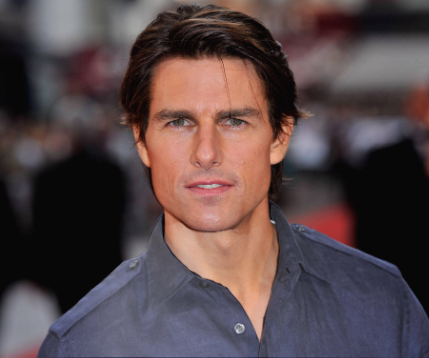
The actors who broke through migrated in different directions. Tom Cruise negotiated backend participation deals that give him percentage ownership of film revenue rather than flat fees. Arnold Schwarzenegger invested early in Google and real estate, using acting income as capital for platform-independent assets. George Clooney built Casamigos and captured the PE premium on celebrity-attached brands. The pattern is consistent: the salary model caps. The ownership model compounds. Migration from the first to the second is the only path through the ceiling.
Tom Brady: $300M Through Three Platform Migrations
Tom Brady’s wealth trajectory demonstrates deliberate platform migration executed across a career. His first platform was NFL salary, which accumulated approximately $300M over 23 seasons—exceptional by football standards but still platform-limited. His second platform: a $375M Fox Sports broadcasting deal that converts athletic fame into media compensation at a higher ceiling than playing salary.
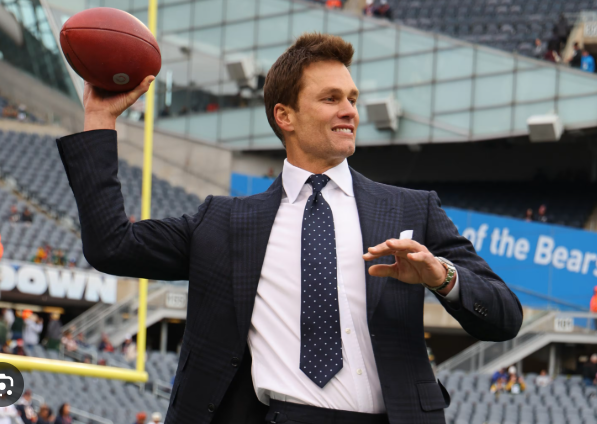
The third platform is the migration that matters most: ownership stakes. Brady has positioned for equity in the Las Vegas Raiders, converting broadcast visibility into sports ownership access. Each platform multiplied the value of the previous one. NFL fame made the Fox deal possible. Fox visibility makes ownership positioning possible. Consequently, Brady’s terminal wealth will be determined not by his playing career or his broadcasting contract but by the ownership stakes he accumulates using both as leverage. The platform is always the launchpad. The ownership stake is always the destination.
LeBron James: $1.2B Through Systematic Migration
LeBron James executed the most comprehensive platform migration in sports history. Platform one: NBA salary, which has generated approximately $500M over his career—historic by basketball standards. Platform two: Nike equity, not just endorsement fees. James negotiated a lifetime deal with Nike that reportedly includes equity participation, converting endorsement attention into ownership.
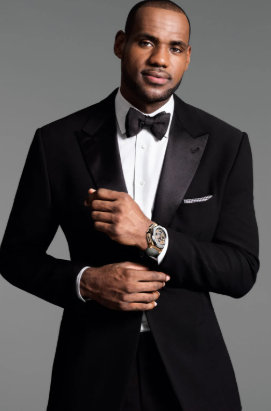
Platform three: SpringHill Company, his production and entertainment business that creates content marketing his other investments. Platform four: Fenway Sports Group ownership, giving him equity in the Boston Red Sox, Liverpool FC, and the Pittsburgh Penguins. According to Bain & Company’s sports investment analysis, sports franchise ownership has generated 12–15% annual returns over the past two decades, outperforming most alternative asset classes. James’s $1.2B fortune is not the result of exceptional basketball earnings. It is the result of systematic migration from platform-dependent income to platform-independent ownership across four distinct categories.
How Platform Migration Applies at Every Wealth Level
Platform ceilings operate at every scale. The difference is which ceiling you are approaching and what migration pathway offers the highest return on accumulated attention. Meanwhile, the critical insight is identifying your ceiling before you hit it, not after your platform relevance has already begun declining.
Tier 1: Emerging ($1M–$10M)
Identify your platform’s ceiling before you hit it. At this tier, specifically, most creators are platform-dependent: TikTok views, Instagram sponsorships, streaming royalties, or appearance fees. Chappell Roan’s $10M is approaching the streaming-only ceiling. Her next move must be brand licensing or equity ownership to break through. The strategic discipline is recognizing that platform success is not the goal. It is the launchpad for migration into ownership categories where wealth compounds rather than caps.
Tier 2: Established ($10M–$100M)
Execute migration deliberately. Molly-Mae Hague went from Love Island (approximately $50K in direct earnings) to PrettyLittleThing creative director (seven figures annually) to Maebe (equity ownership). Each platform multiplied the value created by the previous one. At this tier, furthermore, the migration should be planned before the current platform peaks. Attention from your current platform is finite, but the ownership you build using that attention can be permanent. The brand extension ladder provides the framework: talent revenue to brand licensing to equity ownership to portfolio company.
Tier 3: Mogul ($100M–$500M)
Build your own platform rather than depending on others. Dwayne Johnson’s Seven Bucks Productions produces content across Netflix, Amazon, theatrical releases, and broadcast television. This makes Johnson distribution-agnostic: he is not dependent on any single platform’s economics because he controls the content that platforms compete to acquire. At this tier, the migration is from platform participant to platform creator. You stop renting attention on other people’s platforms and start owning the infrastructure that generates attention.
Tier 4: Dynasty ($500M–$5B+)
Own platforms, not just content. Oprah’s OWN network is a distribution platform she controls. Jay-Z’s Roc Nation is a talent management and content platform. Spielberg’s Amblin Partners is a production and financing platform. At this tier, consequently, the dynasty does not migrate between platforms. It owns the platforms that other celebrities migrate through. The ownership inflection point that started the climb is now embedded in infrastructure that captures value from every celebrity who uses the platform to migrate.
Why Platform Migration Is Accelerating
Three forces are compressing platform lifecycles and making migration more urgent than ever before.
First, platform attention spans are shrinking. TikTok creators see relevance half-lives measured in months rather than years. Instagram reach has declined 30–50% for most accounts since 2020. According to McKinsey’s social commerce research, the average creator’s peak earning window on any single platform has compressed from 3–5 years to 12–18 months. Migration must happen faster because the launchpad expires sooner.
Second, platform economics increasingly favor the platform over the creator. Streaming royalty rates continue declining. Social media organic reach continues declining. Network television budgets continue declining. The platforms capture more value while distributing less to talent. This economic shift makes migration from platform-dependent to ownership-based income not just advantageous but necessary for wealth preservation.
Third, the migration pathways are better documented than ever. When Clooney sold Casamigos for $1B in 2017, it was an anomaly. By 2026, the celebrity-to-brand-owner pipeline has standardized templates, established PE interest, and proven exit multiples. As a result, creators who identify migration opportunities early can execute with lower risk and higher confidence than any previous generation.
What This Means for Your Next Move
You are currently on a platform with a ceiling. The question is not whether the ceiling exists but whether you will migrate before or after you hit it. Migration while your platform relevance is rising captures maximum value from the attention you have built. Migration after relevance declines means converting depreciated attention into ownership—possible, but at worse terms.
Consider the conversations that happen at Polo Hamptons and in the pages of Social Life Magazine. They are not about platform performance. They are about platform migration. The Further Lane dinner parties discuss who is converting attention to ownership, which PE firms are acquiring celebrity brands, and which platforms are compressing fast enough to create migration urgency. In contrast, the celebrities who discuss their platform metrics rather than their migration strategy are the ones approaching ceilings without exit plans.
Up next in The Chronicles: the partnership structures that accelerate wealth accumulation. The power couple premium reveals why strategic marriages function as joint ventures, combining audiences, deal flow access, and risk tolerance in ways that generate returns neither partner could achieve independently.
Continue Reading The Chronicles
→ LeBron James Net Worth: How Four Platform Migrations Built $1.2 Billion
→ The Power Couple Premium: Why Strategic Marriages Function as Joint Ventures
The brands featured in Social Life Magazine understand platform migration. They convert attention into ownership before ceilings hit. For features, advertising, and strategic collaborations: sociallifemagazine.com/contact
Polo Hamptons is where platform migration conversations happen. The deals that convert fame to ownership begin in these rooms. Tickets and sponsorships: polohamptons.com
The best deals in the Hamptons happen before they are announced. Our list hears first. Subscribe to the Social Life insider briefing.
25,000 copies per summer issue reach every boutique from Westhampton to Montauk. 15,000 fall/winter editions land in Upper East Side doorman buildings. Print subscription →
Independent media tracking platform migration, wealth ceilings, and the economics of fame. Support The Chronicles — $5 keeps it free for everyone.