
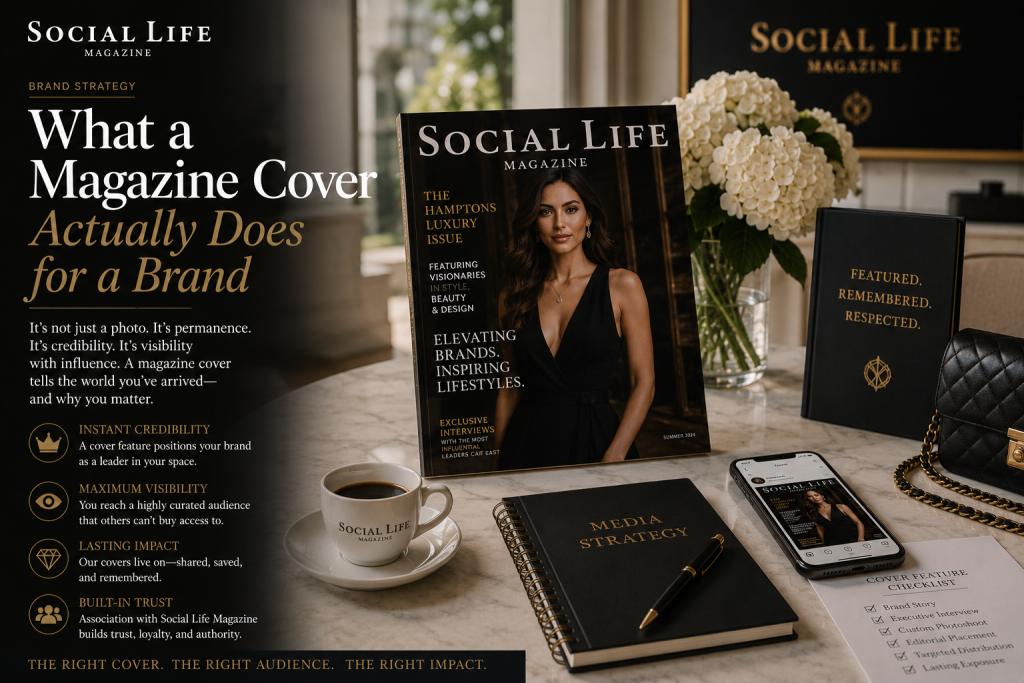
One brand bought the biggest ad in the issue last summer. It ran a full spread, beautiful and expensive, and the room turned the page. Another brand earned the magazine cover, and the room stopped. By Labor Day only one of those brands was the name everyone assumed was having the season, and it was not the one that paid for the most pages.
This is the part most owners never understand. A magazine cover is not a bigger ad. It is not even a bigger feature. The cover is the room deciding, in public, that you are the one that matters this season.
So the front does something no amount of inside pages can do. It does not say you are worth reading about. It says you are the reason to pick up the issue at all.
The question, then, is not whether a cover is worth it. The question is what it actually does, and whether your brand is ready to carry the front. Get that right and you own the season. Get it wrong and you were never going to be the cover anyway.
Read this as a buyer’s guide to the highest rung there is. The front is the rarest thing the magazine sells. What it confers is rarer still.
So treat the cover as the apex, not an upgrade. It is not the same purchase as a page, only larger. It is a different thing entirely, since one is bought and the other is bestowed.
A Cover Is Not a Bigger Ad. It Is a Verdict.
An ad, even a huge one, is something you bought. Everyone knows it. So even the biggest spread carries the weight of a thing that was paid for, which the room quietly discounts.
The cover reads as the opposite. It is the magazine putting its own face on the line for yours. Because the title chose you for the front, its whole authority stands behind the choice.
So the front is not louder than an ad. It is more believed than an ad. And belief is the only thing that turns attention into standing.
So stop thinking in pages. Start thinking in verdicts. A page says you showed up. The front says the room ruled in your favor.
This is the same logic that runs every curated room out here. The full case for why being chosen beats being seen gets made in the guest list is the product. The cover is that idea at its purest.
There Is Only One Front, and That Is the Point
An issue has many pages and only one cover. So the front is the scarcest thing in the whole magazine. That scarcity is not a limit. It is the entire source of the value.
Inside, a brand is one of many. On the front, a brand is the only one. Because the room knows only one name gets the cover, the name that gets it reads as the choice above all the others.
So the front does what no inside page can. It does not put you in the conversation. It makes you the conversation, since everyone who picks up the issue starts with your face.
This is why the front cannot be a volume play. There is no scaling it, no buying ten of them. The whole power of the cover is that almost no one ever gets it.
So the front is the one placement you cannot negotiate up to. You either are the cover or you are not. And that hard line is exactly what makes it worth wanting.
The Cover Makes You the Main Character
Every season has a main character out here. One name the room treats as the story, while everyone else is the supporting cast. The cover is how a brand becomes that name.
So the front does more than promote you. It casts you. Because the magazine framed you as the face of the moment, the room starts treating you as exactly that.
This changes how every other room reads you. The buyer, the partner, the client all met you as the cover, not as a pitch. And a brand the room already cast as the lead does not have to audition.
So you are not buying a placement. You are buying the role the whole season organizes itself around. That is a different purchase entirely, and almost nothing else can deliver it.
So the rest of the season plays out around you. People come to you instead. And coming to you is a very different position than chasing them.
The Halo Lifts Everything Else
The cover does not just lift the brand on it. It lifts everything attached to that brand. The inside feature reads bigger, the events feel more important, the whole season tilts your way.
So the front works like a halo. Whatever it touches looks more significant, since the room already decided you matter. Because that decision colors everything, your ordinary moves start reading as the moves of the brand of the moment.
This is why a cover is never just one placement. It is the thing that makes all your other placements hit harder. And the lift lasts the whole season, not the week the issue is out.
This is also how the ladder of placement works. The way a brand climbs to the top rung gets taken apart at the hub, the feature is the flex, and the cover is the rung above them all.
Why You Cannot Fake the Front
Here is the catch that protects the whole thing. The cover only works because it cannot be faked. The room can tell the difference between a brand that earned the front and one that was simply placed there.
So the cover demands a real story behind it. A moment, a reason, a brand actually worth the front, since the room reads a hollow cover as a brand reaching past itself. Because a forced cover backfires, the front has to be earned to land.
This is what keeps the cover valuable. If anyone could buy it with no story, it would mean nothing to anyone. So the brands that win the front are the ones that brought a season worth putting a face on.
So the front rewards the brand that did the work. The shortcut shows, and the room reads it. By contrast, the earned cover reads as inevitable, since the story was already there.
The on-ramp that builds your story toward the front starts at a paid feature. The cover is where the strongest stories end up, not where they begin.
The Cover Is the Credential You Keep Forever
A cover does not end when the issue does. It becomes a permanent line in your story. You were on the cover, and that sentence works for the rest of the brand’s life.
The smart brands use it everywhere. On the wall, in the deck, in the first sentence of every introduction. Because being a cover is a fact and not a claim, it ends arguments that an ad could never even start.
So the front keeps paying for years. The biggest ad is forgotten by fall. The cover is referenced for as long as the brand exists, since nothing about it ever expires.
So the cover is less a moment than a title you keep. A campaign is an expense the books forget. The front is a line on the brand forever.
How a Brand Earns the Cover
Earning the cover is not about spending the most. It is about being the brand worth the front. The magazine puts forward the name that makes the issue matter, so the work is to be that name. Bring the season, not just the budget.
The brands that reach the front tend to do three things. First, they build a real story before they ask for the cover. Second, they earn the inside pages first and let the standing accrue. Third, they return, because the magazine puts familiar names on the front the way a host seats the regulars best.
So treat the road to the cover as a climb, not a purchase. The inside feature is the deposit. The cover is what the standing buys once it has compounded across a season or two.
This whole grammar of rank sits inside the broader map of the region. The full read on how status gets sorted lives in luxury status codes, where the cover is the single loudest signal.
The same climb runs for the brands beside you. A medspa earns its standing the same way. A wellness studio earns its trust the same way. The front is simply the top of the same ladder.
What the Cover Returns
Here is the part the numbers will like. The cover does not pay off the week it runs. It pays off for years, since the brand carries the front into every room it enters next.
So the return is not measured in impressions. It is the standing, the doors, the way every conversation now starts a step ahead. Because the room already cast you as the lead, you negotiate from the front instead of the back.
The cover also resets what people expect of you. Once you have been the face of a season, the room files you with the brands that matter. So the next move is judged against a higher bar, which is exactly where you want to be judged.
This is the math that separates the brand of the moment from the brand that bought the most pages. The pages are spent by fall. The cover keeps anointing you long after the issue is gone.
So run the comparison honestly. A stack of pages, gone by fall, against one front the room never forgets. Framed that way, the cover is the only line item that appreciates.
Reading the 2026 Season
The summer runs on a clock. Five issues land between Memorial Day and Labor Day, and there is exactly one front for each.
So the timing is now, and earlier than the rest. A cover is a decision the magazine makes well ahead, since the front is built around a story it has watched develop. By the time a brand asks in July, the season’s covers are long settled.
The same room that holds the issue fills the field at Polo Hamptons on July 18 and 25 in Bridgehampton. So the cover and the field work together, since the face of the season and the face in the crowd are the same.
Last season the covers were decided by spring. So the brands that win the front are the ones building the story now, not the ones asking in July.
Where the Conversation Continues
A fish does not notice the water, and the brand that bought the biggest ad never notices the room already turned the page. The brand on the front crossed that water and stopped paying to be skipped. Reading the difference is the whole game, and it is the one we play for a living.
If you think your brand is ready to carry the front, start with the contact page. We build the brands the room reads first.
The road to the front starts with the page itself, at a paid feature. Because it is editorial, it earns the standing a cover is built on.
Want the front before it is decided? Get on the insider list. So far it is the earliest read on the season we share.
For the field where the season gathers, there is Polo Hamptons on July 18 and 25 in Bridgehampton. Since the cover and the field work together, the early brand wins both.
Readers who want the season decoded all year can take a subscription. After all, the room is easier to read once someone hands you the map.
And if you have ever bought the biggest ad and still felt skipped, you can support the work. Of course the room still decides. We just help the right brand reach the front.
Author

Written by
Recent Posts

Powerful Strategies to Stay Ahead in a Fast-Moving Real Estate Market
How Latino Players Have Helped Shape Modern Basketball Culture
10 Best Designer iPhone 18 Pro Cases to Choose From

AI for personal finance: where PennyGuard fits
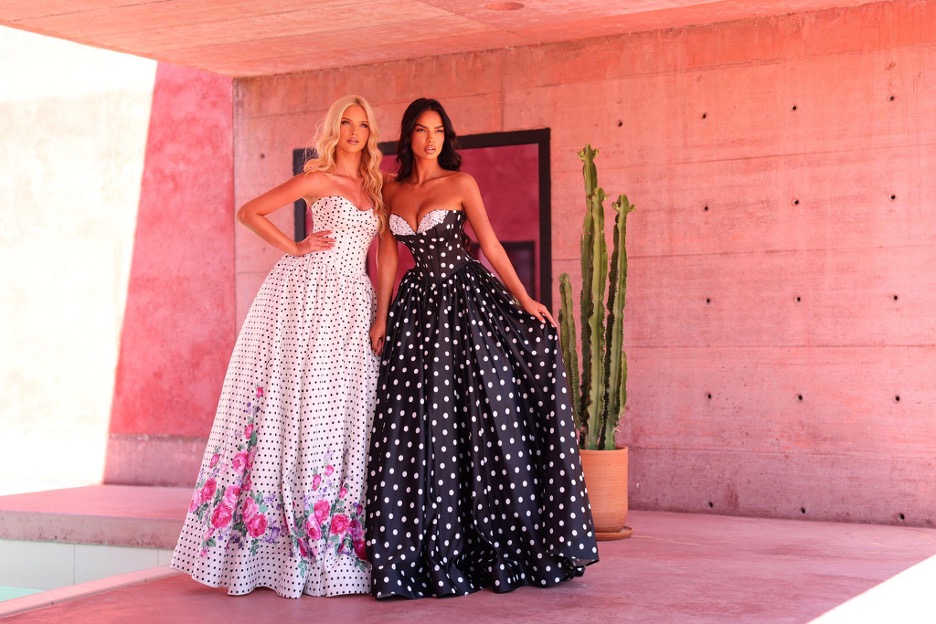
How to Pick a Homecoming Dress for Your Body Type (and Feel Amazing in It)
Categories
- Art
- Articles
- Business of Luxury
- Celebrities
- Culture
- Entertainment
- Events
- Faces of Summer 2026
- Fashion
- Fashion & Style
- Featured
- Finance
- Food, Spirits, Wine
- Hamptons
- Hamptons Celebrities
- Health
- Health & Beauty
- Lifestyle
- Luxury Lifestyle
- Press
- Profiles
- Real Estate
- Technology
- The Chronicles
- Travel
- Uncategorized
- Weddings