
Hearing connects people during a quiet dinner or a meeting. When sound gets fuzzy, life feels different. You might miss a quick joke or a safety warning. Keeping track of your hearing keeps you in the loop.
Sound shapes how you feel about the world. Every interaction relies on the ability to process what others say. Clear sound helps you feel confident in any room.

The Invisible Connection Between Sound And Socializing
Background noise can make a simple lunch feel like a heavy workout. Your brain works extra hard to pick out voices from the clatter of plates. If you struggle to hear, you might start staying home more often.
Hearing allows you to catch the subtle tones in a person’s voice. Those tones tell you how they really feel. Missing those cues can cause misunderstandings or hurt feelings. Humans are social creatures who need sound to bond. When you miss the punchline of a joke, you feel left out.
Finding New Ways To Improve Hearing
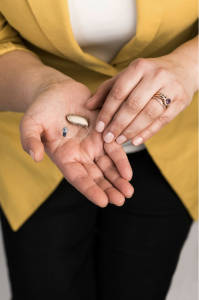
Small habits maintain your connection to others. To improve hearing health, take a hearing test and invest in the right hearing aids so you can engage more fully with your friends. You will notice the difference in every conversation you have. Clearer sound leads to deeper bonds.
People wait too long to check their ears. Regular checkups protect your social life, and you can start by wearing protection at loud concerts or games. Give your ears a break from constant noise.
Auditory Fatigue In Professional Settings
Meetings are tough and stressful when you cannot catch every single word. 91% of workers feel that stress from hearing fatigue hurts their job performance. Processing sound in a loud office requires a great deal of mental energy.
It can be frustrating for you and your coworkers to keep asking them to repeat themselves. Finding a quiet space for calls can lower your stress levels. Taking short breaks in a silent area can reset your brain.
Long-Term Wellness And Cognitive Function
Your brain and your ears work together as a team. Keeping the signal strong helps the mind stay sharp as you get older. Hearing loss is the primary modifiable risk factor for dementia.
Addressing sound issues early might protect your memory. The brain needs constant input to stay healthy and active. When the input drops, the brain has to work harder to fill in the gaps. That extra work can take a toll over several years.
The Global Impact Of Sound Sensitivity
Modern life is louder than ever before. Global health projections suggest that 2.5 billion people will have some hearing loss by 2050. Many of those individuals will need support to stay active in their communities. Preparing for this change starts with personal awareness.
Noise pollution is a growing concern in big cities and small towns, and traffic and construction add to the daily decibel levels. Protecting your ears today helps you avoid problems in the future. We must take care of them in this loud environment.
Navigating Noisy Environments Successfully
Restaurants and parties present the biggest hurdles for many people. Use a few tricks to make things easier.
- Sit with your back to the loudest wall
- Look directly at the person speaking to you
- Ask for a table in a well-lit area
- Take breaks in a quiet hallway if needed
- Choose dining times when the crowd is smaller
- Use soft surfaces to help dampen echoing sounds
Reducing the load on your ears helps you stay in the moment. You do not have to miss out on the party just to stay comfortable.
Creating A Better Home Environment
The home should be a place of rest and clear sound. Make small changes to the layout of your living room. Carpets and curtains soak up extra noise that bounces off hard floors. It’s easier to hear the television or a family member in the next room.
Turn off background noise like fans or the radio when you are talking. Focusing on one sound at a time is much easier for the brain. Your family will appreciate the better flow of conversation. It makes dinner time much more enjoyable for everyone involved.
Sound is the thread that ties your daily life together. From the morning alarm to a late-night chat, paying attention to your ears is a gift to yourself and your loved ones. Hear every laugh and every secret shared.
Taking care of your senses keeps your world wide and inviting. Stay curious and keep listening to the stories around you. Your quality of life depends on how well you can connect with others. Keep your ears healthy, and your heart will follow.
Author

Written by
Recent Posts

Unlocking the Berkshires

Dalia Forman Design

Alberto Luzzi
How to Pick a Homecoming Dress for Your Body Type and Feel Amazing in It
How to Prepare a Home for Sale When Major Repairs Are Not Affordable
Categories
- Art
- Articles
- Business of Luxury
- Celebrities
- Culture
- Entertainment
- Events
- Faces of Summer 2026
- Fashion
- Fashion & Style
- Featured
- Finance
- Food, Spirits, Wine
- Hamptons
- Hamptons Celebrities
- Health
- Health & Beauty
- Lifestyle
- Luxury Lifestyle
- Press
- Profiles
- Real Estate
- Technology
- The Chronicles
- Travel
- Uncategorized
- Weddings