
Modern homes do many things well. They let in light, keep sightlines open, and give daily life room to unfold. But a room can have beautiful proportions and still feel as though nobody has claimed it. The difference often lies in the small decisions, such as the finish on a door handle, a chair with history, a lamp that makes guests linger after dinner.
Adding character doesn’t mean sacrificing the comforts that made the space appealing in the first place. It means choosing details that earn their place, then letting them work together. The most inviting rooms look considered but never too precious to use.
Let the Architecture Set the Tone
Before buying anything, look at what your home already offers. High ceilings might suit a generously scaled pendant; wide windows could frame a low, sculptural sofa. Even an ordinary doorway gives you a chance to introduce a richer finish or more interesting trim.
Choose one architectural feature to emphasize rather than treating every surface as an opportunity for decoration. If your living room has an attractive fireplace, arrange the seating so it becomes part of the conversation. If it opens onto a garden or terrace, keep the furniture low enough to preserve the view. Character should draw attention to a room’s strengths, not compete with them.
Paint can help, but don’t assume that personality requires bold color. Warm white, soft beige, and muted olive can highlight texture and shape. Test samples on several walls and look at them in morning and evening light before committing. What looks creamy at midday may turn noticeably cooler after sunset.
Pay attention to the spaces between furniture, too. Leave a clear path from the entrance to the seating area and enough room to pull out a dining chair comfortably. A dramatic side table has little appeal if guests must squeeze around it. The aim is an interior that handles a full house as gracefully as a quiet weekend.
Give Practical Fixtures a Design Role
Small fixtures can affect the atmosphere more than another decorative purchase. Consider swapping generic cabinet pulls for aged brass, or choosing wall lights with shades that cast a gentle pool of light. Repeating a finish in a few places helps the space feel connected without making it overly coordinated.
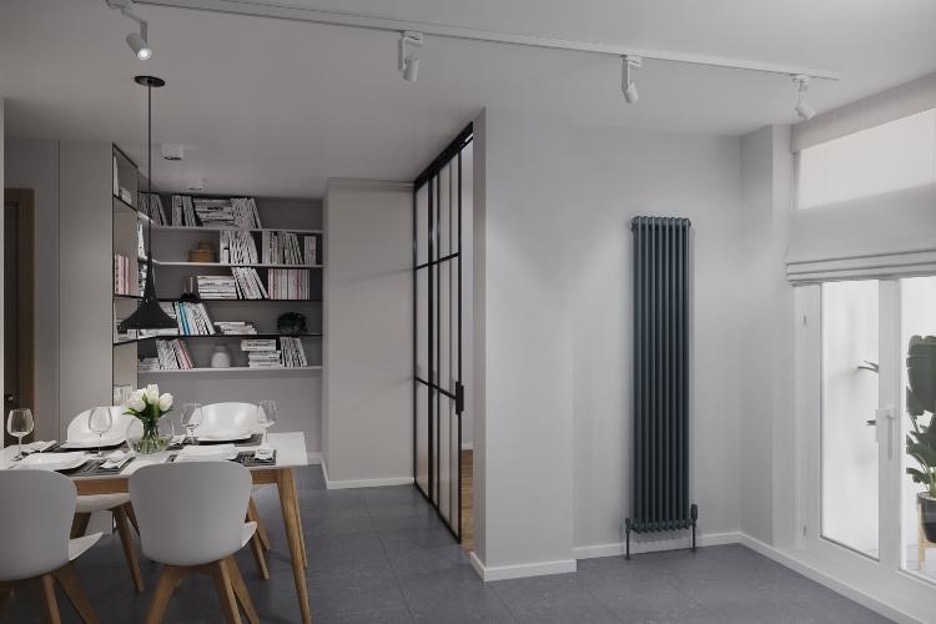
Heating deserves the same consideration. For instance, column-style radiators with repeated lines can sit comfortably beside both contemporary furniture and older architectural details. Rather than hiding every radiator behind a cover, consider how its proportions and finish could contribute to the room.
The choice still needs to work as heating. Check the space available, the required heat output, and the type of heating system before selecting a model. Keep furniture from blocking airflow, and consult a qualified installer about placement and compatibility.
The column rads show how a traditional profile can look at home in a modern setting. A vertical option might suit a narrow wall, while a horizontal model could sit beneath a window. Choose the dimensions for the room first; let the finish complement your wider color palette.
Mix Furniture With Different Histories
A room furnished entirely from one collection can look polished but impersonal. One older piece introduces a different shape, material, or story.
Try an antique console beneath a contemporary photograph, or pull vintage dining chairs up to a simple wooden table. Don’t worry about matching eras. Look instead for a connection in scale or color: walnut beside dark-stained oak, for example, or a curved chair beside a rounded lamp.
Buy with everyday use in mind. Sit in a vintage armchair before taking it home, check that drawers run smoothly and inspect upholstery for wear. If the piece needs restoration, factor that into the decision. A chair that looks beautiful but feels uncomfortable will soon become somewhere to pile coats.
Build Warmth With Texture and Lighting
Large panes of glass and smooth stone surfaces can make a modern room feel visually cool. Soft textiles offer a counterweight. Lay a generous rug beneath the main seating group, hang linen curtains that move easily, and choose upholstery you actually enjoy touching.
Think about maintenance as well as appearance. A washable slipcover may suit a busy family room better than delicate fabric, while a tightly woven rug can make sense near an entrance. Comfort often comes from choosing materials that don’t demand constant attention.
Then address lighting. Use a reading lamp beside an armchair, a pendant with a compatible dimmer over the dining table, and small lamps where overhead light feels harsh. Light at different heights makes a room inviting after dark, especially when friends stay long past dinner.
Make Personal Objects Part of the Room
Art and collected objects tell a more interesting story than a shelf full of newly purchased accessories. Hang a photograph from a favorite trip, display a ceramic bowl you use regularly, or give inherited books a place in the living room.
Restraint matters. Group a few objects on a console and leave part of the surface clear. Edit shelves seasonally instead of filling every gap. If a piece has a strong color, repeat that shade discreetly in a nearby cushion or artwork.
Above all, make room for life. A beautiful coffee table still needs space for a cup of tea. Open shelves should hold the books you reach for, not just attractive spines. Those practical choices give a home its most convincing personality.
Final Thoughts
A comfortable home doesn’t need to look anonymous, and a distinctive one doesn’t need to feel formal. Start by noticing what already works. Keep the light, the easy circulation, and the pieces that support your daily routines. Then introduce character through one carefully chosen fixture, a textured fabric, or an object with a personal history.
Make changes gradually. Live with a new arrangement before buying more, and notice where people naturally gather. Over time, the best choices will reveal themselves: the chair everyone wants, the lamp you turn on each evening, the room that welcomes guests without making anyone feel they have to be careful. That’s the kind of character worth keeping.
Author

Written by
Recent Posts
What a Professional Phone Line Really Signals About a Growing Business
How to Add Character to a Modern Home Without Sacrificing Comfort
When a Serious Injury Creates Problems Beyond Physical Pain
Keratin Smoothing Treatments, Explained: What They Do, How Long They Last And Who Should Skip Them

Hamptons Towns Explained: An Old Money History of the East End
Categories
- Art
- Articles
- Business of Luxury
- Celebrities
- Culture
- Entertainment
- Events
- Faces of Summer 2026
- Fashion
- Fashion & Style
- Featured
- Finance
- Food, Spirits, Wine
- Hamptons
- Hamptons Celebrities
- Health
- Health & Beauty
- Lifestyle
- Luxury Lifestyle
- Press
- Profiles
- Real Estate
- Technology
- The Chronicles
- Travel
- Uncategorized
- Weddings