
Speed and accuracy in racquetball rest on efficient movement, stable mechanics, and clear visual judgment. Skilled players do not appear hurried because they recognize patterns early and arrive balanced at contact. Precise hitters also resist forcing low-percentage shots. They manage spacing, strike with a quiet racquet face, and recover without wasted steps. Once those habits become reliable, rallies feel more manageable, even as the ball continues travel at a demanding pace.
Read the Court
The court reading starts before the swing. Ball height, side-wall angle, and rebound depth tell players how much time the body has to organize. In active club settings, such as playing Racquetball in St. Louis, that visual skill often separates composed competitors from rushed shot-makers. Better anticipation trims reaction delay, improves contact quality, and leaves more control for the next exchange.
Start With Feet
Footwork shapes both pace and placement. Small adjustment steps create proper distance, which lets players swing without reaching or drifting. Balanced legs keep the trunk steady and the hitting path cleaner. An explosive first move matters, but the recovery step after impact deserves equal attention. Players with organized lower-body mechanics usually contact earlier, cover the center court faster, and protect shot accuracy under pressure.
Tighten Swing Path
A long backswing can cost valuable milliseconds. Compact preparation helps the racquet travel on a direct line, which supports cleaner timing. At impact, a firm wrist and stable forearm reduce face wobble. Power should come from hip rotation and shoulder drive, not from extra hand action. Repeatable mechanics also protect precision late in rallies, when fatigue can disrupt coordination and degrade ball striking.
Train the Eyes
Visual training matters as much as hitting practice. Strong readers track the ball off the front wall, judge its rise, then pick up depth before the side-wall rebound. That sequence gives the nervous system earlier information. Opponent cues also help. Shoulder position, contact height, and body alignment often hint at direction, allowing quicker movement before the ball fully declares its path.
Build Repeatable Serves
A dependable serve creates pressure without reckless risk. Most players benefit from one firm drive, one wider variation, and one softer change of tempo. Each option should begin from the same setup, so returners receive fewer clues. Reliability carries more value than surprise alone. A deep serve that lands with regularity can shape the rally early and reduce the opponent’s comfort on return.
Use Smart Targets
Accurate play depends on sensible targets. Elite competitors rarely aim at tiny openings during full-speed exchanges. They favor broader zones, such as deep corners or lanes that die near a side wall. Larger targets lower error rates while still applying strain. Cross-court attempts need safe clearance above the tin. Down-the-line shots should hug the wall yet remain within the player’s balanced striking range.
Practice Under Time
Time pressure teaches the body to organize faster. One useful drill is ghosting, with repeated movement to six court points while posture stays controlled at every stop. Another option uses rapid feeds into alternating back corners. Short rounds usually produce better quality than extended, sloppy work. Twenty focused seconds can sharpen pace, posture, and recovery more effectively than several tired minutes of unfocused hitting.
Add Decision Drills
Decision speed improves when practice removes excess choice. A partner can call “cross,” “line,” or “ceiling” just before the bounce, forcing instant recognition and committed movement. Another drill begins with a serve return and requires the next ball to travel deep. Those constraints teach players to process cues faster. They also reduce hesitation, which often harms both movement quality and shot placement.
Strength and Recovery
Physical preparation supports precision late in matches. Legs need strength for repeated starts, abrupt stops, and low-contact positions. Core stability helps transfer force while preserving trunk control. Recovery deserves equal respect. Sleep, fluid intake, and mobility work help maintain sharp reaction times throughout the week. Athletes who recover well often feel quicker because their first step remains crisp instead of heavy and delayed.
Track Useful Numbers
Progress becomes clearer when players record a few meaningful numbers. Serve percentage, return depth, unforced errors, and rally wins after center-court recovery can reveal true patterns. Notes should remain brief and consistent. Too many metrics create noise and weaken focus. One page per session is often enough. Over several weeks, those records show whether training is improving movement speed and dependable placement.
Blend Tempo With Patience
Many players mistake speed for rushing. Effective racquetball depends on early setup, efficient footwork, and calm choices under pressure. An athlete can move aggressively while still waiting for a higher-value ball. Patience improves placement by limiting reckless attempts due to poor spacing. Tempo improves when transitions stay smooth. High-level point construction blends those qualities, allowing pressure to build through control rather than panic.
Conclusion
Building speed and accuracy in racquetball requires training with clear solutions. Better outcomes usually follow sharper footwork, shorter swings, earlier reading, and smarter target selection. Players who practice under timed pressure, recover well, and track honest numbers tend to improve more steadily than those chasing spectacular winners. With consistent habits, movement becomes cleaner, contact grows more reliable, and performance holds together when match tension rises.
Author

Written by
Recent Posts

Jetsetter Style: Castello del Sole
The First Decision After a Collision Can Be the Most Important One
Two Weeks in Rome and Beyond: Turkish Airlines Itineraries from Boston, Chicago and Onward to India

Top 10 Hair Transplant Clinics in Turkey 2026
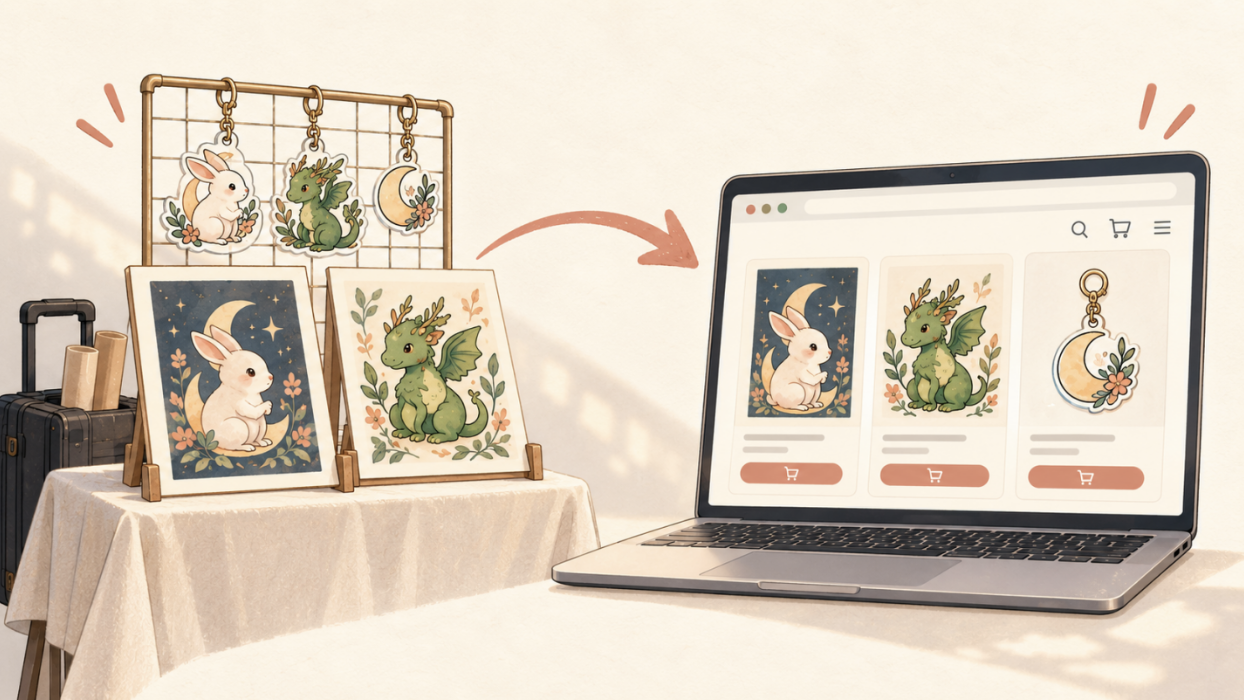
Artist Alley to Online Store: How Convention Artists Can Keep Selling After the Event
Categories
- Art
- Articles
- Business of Luxury
- Celebrities
- Culture
- Entertainment
- Events
- Faces of Summer 2026
- Fashion
- Fashion & Style
- Featured
- Finance
- Food, Spirits, Wine
- Hamptons
- Hamptons Celebrities
- Health
- Health & Beauty
- Lifestyle
- Luxury Lifestyle
- Press
- Profiles
- Real Estate
- Technology
- The Chronicles
- Travel
- Uncategorized
- Weddings