
Accidents occur- particularly when children are running, playing, and exploring the surrounding world. A knock-out tooth may sometimes be caused by a blow or bump in the playground or during sporting activities, and the resultant injury can be extremely terrifying both to the child and the parent. It might appear serious, but it can be checked by knowing how to react to it swiftly, coolly, and with the help of an emergency dentist for children
This article will explain what to do for a dental emergency child’s tooth, and what will be done to help their mouth in the future.
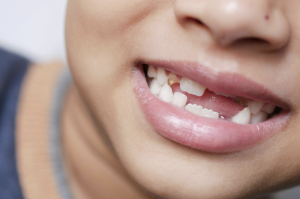
Is It a Baby Tooth or a Permanent Tooth? Why It Matters
The initial and most crucial option is to ascertain if the knocked-out tooth is a baby (primary) tooth or a permanent one.
The most important differences to consider are:
- Age of your child
- Tooth size and shape
- Location
Do not replace the teeth removed by pushing the baby teeth back in the socket, which are being replaced as a permanent tooth forms underneath. In case of uncertainty, assume that this is an emergency and make an appointment with a dentist.
Immediate Steps to Take After a Baby Tooth Is Knocked Out
Calming down and speeding up will make you reassure your child that he/she is safe and minimize the risks.
Do the following:
- Wipe the mouth of the child with some water.
- Cover with a light gauze or clean cloth to prevent bleeding.
- To avoid swelling, a cold compress applied to the outer part of the mouth will be beneficial.
Get your child to believe you, and make him or her quiet down.
What NOT to do:
- Do not attempt to re-insert the baby tooth in the socket.
- Keep off the area too much.
- Do not feed hard or crunchy food.
These tips will help to protect the gums and prevent additional irritation.
When to See a Dentist Immediately
Although there is no reinsertion of the baby teeth after the injury, a dental visit is not futile.
Ask for emergency help when:
- Bleeding is not stopped by 10 minutes of pressure.
- There exists a lot of swelling or pain.
- You are aware of some damage to teeth or gums around.
- The tooth might have a portion that is lodged in the gum.
- Your child has hit their head or has had a concussion.
On-time analysis will guarantee the absence of some latent conditions and provide you with a sense of security.
What the Dentist Will Do
The dentist will check the mouth of your child during the visit in order to determine the severity of the injury.
Typical steps include:
- Examine the socket and gums around it.
- X-rays to be taken as necessary to examine underlying structures.
- Leaving no fragments of the gum.
- Follow up on the growth of the permanent tooth.
Dentists, such as the ones at Smiles+Grins, might advise continuation visits to verify healing and progress.
Managing Pain and Comfort at Home
Knocking out a tooth may cause some discomfort to your child. Luckily, it is easy to make them feel better.
At-home care:
- Serve soft food such as yogurt or soup.
- Swelling reduces with a cold compress.
- Use the recommended pain medicine.
By being treated in a relaxed and comfortable manner, your child can recover more quickly, both physically and emotionally.

Will This Affect Your Child’s Permanent Teeth?
Around 514 million children worldwide experience cavities in their baby teeth. The question of a dental emergency child’s tooth will affect the permanent tooth beneath is one of the biggest concerns that parents have.
Possible effects include:
- Mild displacement of the permanent tooth eruption.
- Cosmetic misalignment in case of loss of space.
- Damage if the injury was on the underlying tooth bud.
Your dentist will monitor your child and will recommend any dental services to your child when it is needed.
Preventing Future Dental Injuries
A dental emergency may not be avoidable, but there are steps that you can take to reduce its occurrence.
Household rules include:
- Encourage the wearing of mouthguards.
- Childproof your house to minimize falls.
- Teach about play safety.
- Have routine dental examinations.
Future measures:
- Develop good oral hygiene.
- Demonstrate brushing techniques.
- Monitor and reduce risks.
These measures can go a long way towards ensuring the safety of the smile of your child.
In Conclusion
A knocked-out tooth can be a stressful experience for a baby tooth, however, it is typically possible to deal with its removal by taking the correct actions. It is important to remember to remain calm and not to reinsert the tooth and to consult a professional when it is necessary. Most children recover from these dental services without any long-term effects as a result of proper care and attention.
Author

Written by
Recent Posts
Unlocking the Berkshires
Dalia Forman Design

Alberto Luzzi
How to Pick a Homecoming Dress for Your Body Type and Feel Amazing in It
How to Prepare a Home for Sale When Major Repairs Are Not Affordable
Categories
- Art
- Articles
- Business of Luxury
- Celebrities
- Culture
- Entertainment
- Events
- Faces of Summer 2026
- Fashion
- Fashion & Style
- Featured
- Finance
- Food, Spirits, Wine
- Hamptons
- Hamptons Celebrities
- Health
- Health & Beauty
- Lifestyle
- Luxury Lifestyle
- Press
- Profiles
- Real Estate
- Technology
- The Chronicles
- Travel
- Uncategorized
- Weddings