
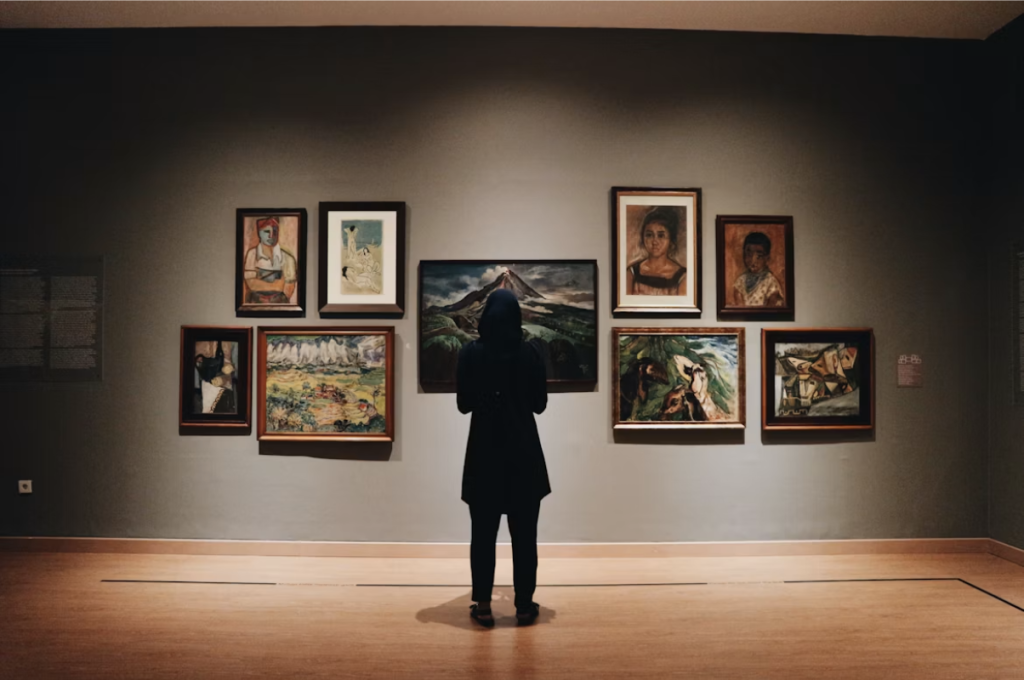
The Hamptons are known for beaches, mansions, small roads, and long driveways fenced off by hedges. Yet behind some of those hedges you’ll find not another pool or tennis court but art — plenty of it.
Collections of artworks that feel like personal ones can be found in many homes, gardens, studios, and historical buildings on the East End. These have developed either out of people’s private collections or due to the work of artists who once lived there. Currently, a few of them are open to public visits, whereas other collections can be accessed only during guided tours and special events.
Studyfy Research: The Importance of These Secret Art Places
The research carried out by Studyfy reveals that there is one common thing about the most interesting Hamptons art spaces – they are not typical museums at all. People can explore these buildings and get acquainted with how art functions in them because these spaces were designed to live in.
The importance of such places is significant when it comes to studying. If a learner studies art history, design, culture or tourism, they will find something helpful in these secret places where it is possible to see the example of how everything works. Also, students who are tired of writing their culture papers can say, “Write my assignment,” and get some professional help, especially if they need to connect art, history and place.
Daniel Walker, the education and culture specialist, said that “Place-based art research allows students to understand that collections are not just objects but also owners, rooms, lighting, memories, and stories saved by people.”
Hampton’s Art Community Is Not Limited to Galleries
There is a history of art activity in the Hamptons area that stretches over the last hundred years. At first, artists were attracted by the light, quiet, and remoteness of the area from the big city. Later, collectors began to move there, followed by architects, designers, patrons, and foundations who converted private sites into cultural public or semi-public destinations.
One of the examples of that is the museum located in Water Mill, Parrish Art Museum. This cultural institution occupies 14 acres of land and its architectural style is inspired by the local barns and artist’s studio. The museum itself creates the experience of the artwork using the landscape of the East End region.
Also, one of the important institutions here is the Peter Marino Art Foundation located in Southampton. This museum displays hundreds of art pieces from the collector’s collector, such as paintings, sculptures, photos, ceramic, and design objects.
What Is Hidden Behind the Gates?
| Hamptons Art Space | What Makes It Special | Collection Style |
| Parrish Art Museum, Water Mill | Art, architecture, and East End light | Regional and modern art |
| Peter Marino Art Foundation, Southampton | Private collection made public | Painting, sculpture, photo, ceramics, design |
| LongHouse Reserve, East Hampton | Garden, home, sculpture, and world culture | Sculpture and design in nature |
| Pollock-Krasner House, East Hampton | Real home and studio of two major artists | Studio traces, archives, exhibitions |
| Dia Bridgehampton | Former firehouse/church with Dan Flavin works | Light art and temporary shows |
LongHouse Reserve: The Secret of the Garden
LongHouse Reserve located in East Hampton is a great example of art coexisting with nature. Established by Jack Lenor Larsen, LongHouse encourages people to “live with art in all forms.” This phrase is important since LongHouse does not offer visitors a garden with a few sculptures scattered throughout it. Instead, it offers a complete world of its own.
People can visit plants, pathways, outdoor sculpture, and concepts of design from various cultures. This is because the art at LongHouse is not confined within white walls but rather is surrounded by trees, shadows, weather, and air. Therefore, the collections there seem to be more emotional than formal.
For young visitors, this can be quite an experience as a sculpture in a museum can appear to be distant while a sculpture in a garden will come to life.
Pollock-Krasner House: Where the Floor is Part of the Art
The Pollock-Krasner House and Study Center is one of the most interesting places for art in the Hamptons as it is dedicated to the house and studio of Jackson Pollock and Lee Krasner. It operates seasonally and tours are by appointment only.
The iconic floor of Pollock’s studio retains the paint splatters associated with their artistic practice. This is not an intriguing fact; rather, it changes the perception of the movement of Abstract Expressionism. Rather than seeing completed works in a museum exhibition, visitors get a chance to experience the location where they were created.
Dia Bridgehampton: Small Museum but Large Impression
Dia Bridgehampton hosts a permanent installation of nine works on fluorescent lights by Dan Flavin. The building was first used as a fire station, then as a church.
It is definitely not a giant museum to be visited. It is quiet, clear and straightforward. The light affects the room. The room affects the light. This is the main idea!
The museum is an ideal example of one artist, one medium, one space for students.
Watermill Center: A Collection for Creative Purposes
The Watermill Center is also an important museum to consider. Its collection consists of images, objects, texts, music, gestures, sculptures, furniture, and artifacts. It is related to the idea of its founder Robert Wilson who believes collecting is a part of the art-making process.
It is very important to understand that this collection serves not just those who visit it. It supports artists, residents, and experiments. As described in the mission of Watermill, the collection is a dynamic and living organism, not just a set of collected objects.
It is different from the notion of a wealthy collector with rare items. The objects make new things possible.
Things that Visitors Must Notice
In visiting Hamptons art venues, one should look at much more than just the well-known names on display.
- Notice the ways in which the architecture defines the art.
- Pay attention to whether the collection is private, public, or something in between.
- Observe how the garden, light, windows, and furniture define the ambience.
- Ask yourself why this particular collection was assembled, rather than another.
This will provide the visitor with a deeper understanding of the Hamptons collections. They are not just a collection of art. They are a collection of taste, history, luxury, and identity.
Author

Written by
Recent Posts

Alberto Luzzi
How to Pick a Homecoming Dress for Your Body Type and Feel Amazing in It
How to Prepare a Home for Sale When Major Repairs Are Not Affordable
From Everyday Comfort to Personal Style: My SHEIN Slipper Habit
5 Best Mitsubishi Heat Pump Companies in Seattle
Categories
- Art
- Articles
- Business of Luxury
- Celebrities
- Culture
- Entertainment
- Events
- Faces of Summer 2026
- Fashion
- Fashion & Style
- Featured
- Finance
- Food, Spirits, Wine
- Hamptons
- Hamptons Celebrities
- Health
- Health & Beauty
- Lifestyle
- Luxury Lifestyle
- Press
- Profiles
- Real Estate
- Technology
- The Chronicles
- Travel
- Uncategorized
- Weddings