
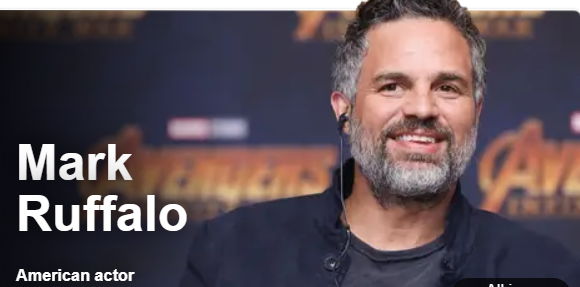
Kenosha, Wisconsin, 1972. A five-year-old Mark sits in a hospital waiting room, watching his mother cry. His father Frank, a construction painter, has just been injured on a job site—one of many such injuries that will punctuate the Ruffalo family’s working-class existence. Medical bills pile up. The boy understands something without words: his father’s body is a tool that employers use until it breaks, then discard.
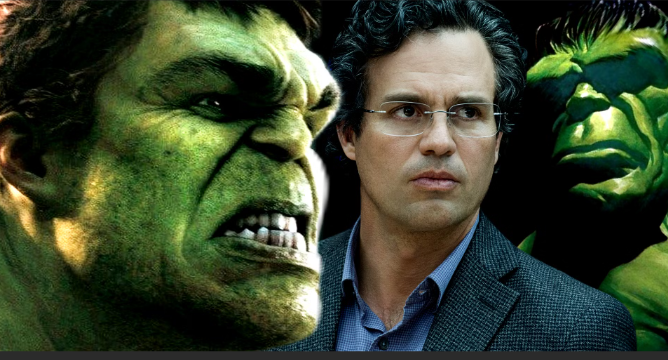
Mark Ruffalo’s net worth today is approximately $35 million—Marvel money, mostly, accumulated over a decade of Hulk appearances. However, unlike his superhero persona, Ruffalo has never been interested in smashing things. His crusade is quieter: environmental activism, political organizing, the slow work of changing systems rather than punching through them.
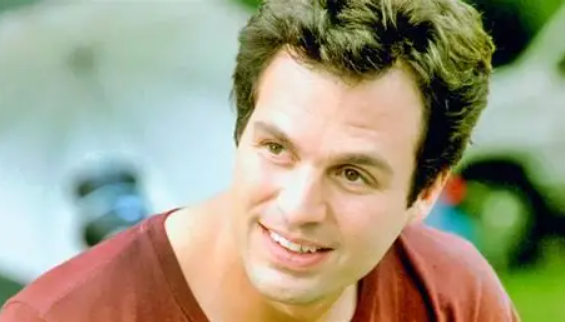
Blue-Collar Blood in Wisconsin
Born November 22, 1967, Mark Alan Ruffalo was the third of four children in a family that moved constantly chasing work. His father was a construction painter; his mother Marie Rose worked as a hairdresser and later a nurse. Both sides of the family were Italian-American—the Ruffalos from Calabria, the Roses from the north. Working-class dreams and immigrant grit formed the family’s emotional foundation.
The family eventually settled in San Diego, where Mark attended high school. He was dyslexic and had ADD, neither condition diagnosed in an era when such kids were simply labeled lazy or stupid. The struggle to read, to focus, to fit the mold—it marked him. He learned early that the system wasn’t built for everyone.
The Outsider’s Education
After high school, Ruffalo moved to Los Angeles and studied at the Stella Adler Conservatory. He also co-founded the Orpheus Theatre Company with friends—a scrappy enterprise that allowed young actors to create work nobody else would produce.
For nearly a decade, he waited tables, tended bar, and auditioned. Rejection followed rejection. He was told he wasn’t handsome enough for leading roles, not distinctive enough for character parts. The system kept saying no. The kid who couldn’t read kept showing up anyway.
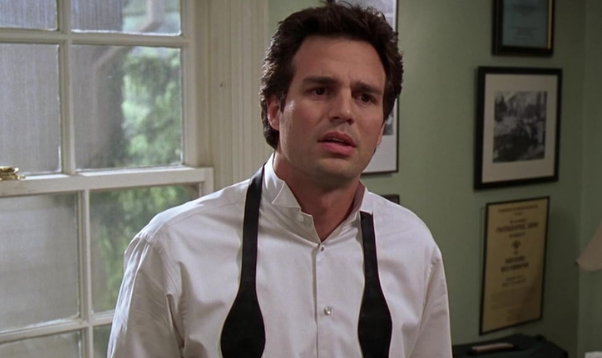
A Thousand Auditions, Then Tragedy
Ruffalo has famously claimed he auditioned over 800 times before landing his breakthrough. The number may be apocryphal, but the struggle was real. Throughout the 1990s, he appeared in small TV roles and forgettable films, always on the edge of quitting.
Meanwhile, personal tragedy struck. In 1994, his brother Scott was shot in the head in Beverly Hills—a crime that remains unsolved. Scott survived but suffered permanent brain damage. The loss reverberated through the family and through Mark, adding a layer of grief to the struggling actor’s life.
The Brain Tumor That Changed Everything
In 2001, just as his career was finally gaining traction, Ruffalo was diagnosed with a vestibular schwannoma—a benign brain tumor behind his left ear. Surgery was required. The risk: permanent facial paralysis. He woke up with the left side of his face frozen, unable to move.
For an actor whose career depended on his face, this should have been the end. Instead, it became a beginning. Over months of recovery, the paralysis gradually improved. Ruffalo emerged with a new perspective: survival clarifies priorities, and Hollywood’s games suddenly seemed very small.
From Indie Darling to Avenger
You Can Count on Me (2000) announced Ruffalo as a serious actor. Opposite Laura Linney, he played a wayward brother whose arrival disrupts his sister’s carefully constructed life. The performance earned him critical acclaim and established his persona: the rumpled everyman who reveals hidden depths.
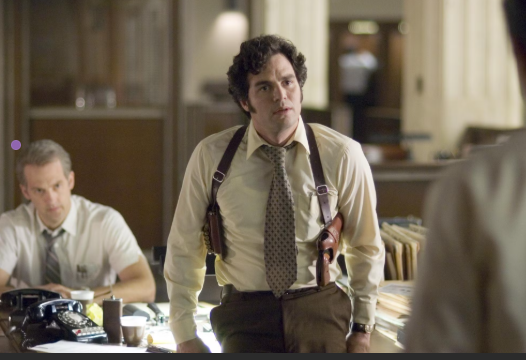
Subsequently, roles in Eternal Sunshine of the Spotless Mind, Zodiac, The Kids Are All Right, and Foxcatcher cemented his reputation. Three Oscar nominations followed. He had become exactly what early casting directors said he couldn’t be: a leading man who happened to look like someone you’d meet at the hardware store.
The Marvel Machine and Its Rewards
The Avengers (2012) changed Ruffalo’s financial reality. Replacing Edward Norton as Bruce Banner/The Hulk, he joined the most successful franchise in film history. According to industry analysis from Variety, his Marvel earnings across multiple films likely exceed $15 million.
Yet unlike actors who disappear into franchise wealth, Ruffalo used his platform. He became one of Hollywood’s most vocal political activists, leveraging his fame for causes rather than simply cashing checks.
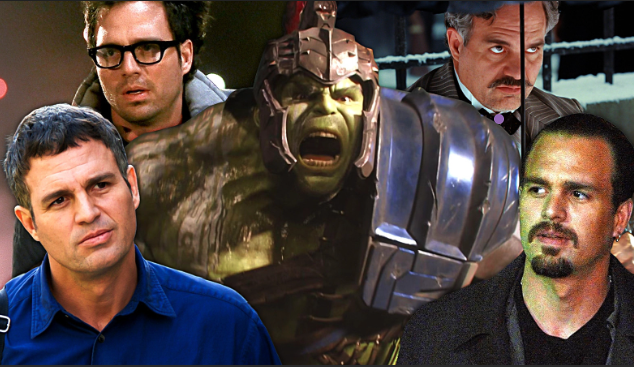
The Activist Who Can’t Stop Fighting
“You don’t get to walk away from what you know,” Ruffalo told The Guardian in 2020. “Once you understand what’s happening—to the planet, to communities, to working people—you have to act.” This wasn’t Hollywood virtue signaling. This was the kid from Kenosha who watched his father break his body for employers who didn’t care.
His activism centers on environmental justice, particularly water contamination. The film Dark Waters (2019)—where he played attorney Rob Bilott exposing DuPont’s PFAS poisoning—wasn’t just a role. It was personal advocacy disguised as cinema. He co-founded Water Defense, an organization fighting fracking and pipeline projects.
The Price of Speaking Out
According to reporting from The Hollywood Reporter, Ruffalo’s outspoken positions have likely cost him certain roles and corporate partnerships. His willingness to criticize fossil fuel companies, pharmaceutical giants, and political figures puts him at odds with the industry’s preference for palatable neutrality.
He doesn’t seem to care. The Marvel money provides a cushion. His reputation for quality work ensures he’ll never lack for serious projects. And the conscience developed watching his father get hurt on job sites won’t let him shut up.
Keene Valley: The Sanctuary in the Adirondacks
Ruffalo lives with his wife Sunrise Coigney—a former actress he married in 2000, just before his brain surgery—and their three children on a farmstead in the Catskills. Additionally, they maintain property in upstate New York’s Keene Valley, deep in the Adirondack Mountains.
The choice is telling. Not the Hamptons, where actors flaunt wealth among financiers. Not Malibu, where the beach provides paparazzi opportunities. He chose mountains and farmland—places where his kids can grow up close to the land he’s spent years fighting to protect.
Living the Values He Preaches
According to Forbes, Ruffalo has invested significantly in sustainable living—solar power, organic farming, reduced carbon footprint. His home isn’t a compound built to impress; it’s a working property designed to align with his environmental principles.
Mark Ruffalo’s $35 million net worth is both fortune and paradox. The money came from playing a rage monster for the world’s most profitable entertainment corporation. Yet the man spending it fights corporations daily—their pollution, their political influence, their willingness to sacrifice communities for profit.
The five-year-old who watched his father break down still lives somewhere inside the fifty-seven-year-old Avenger. That boy learned that systems don’t protect workers. That health care bankrupts families. That nobody cares about your community until you make them care. So Mark Ruffalo keeps making them care—one role, one protest, one water sample at a time. The Hulk smashes things. The man behind him builds something better.
Related Articles
- Character Actor Elite Net Worth 2025: The $145 Million Club That Refused to Play the Game
- Willem Dafoe Net Worth 2025: The $40 Million Anti-Hollywood Strategy That Won
- Jeff Goldblum Net Worth 2025: The $45 Million Eccentric Who Made Weird Bankable
- Stanley Tucci Net Worth 2025: From Katonah to CNN, the $25 Million Reinvention
For profiles of the artists and activists reshaping culture, subscribe to Social Life Magazine. Connect with purpose at Polo Hamptons.
Author

Written by
Recent Posts
Best Folding Tables for Community Halls and Function Centres
From the Hamptons to Mykonos for a September Encore

Is Business Class Worth It on a Short-Haul Flight?
Failure to Disclose Finances in Divorce
Columbus Car Accident Attorney: Protecting Your Rights After a Georgia Crash
Categories
- Art
- Articles
- Business of Luxury
- Celebrities
- Culture
- Entertainment
- Events
- Faces of Summer 2026
- Fashion
- Fashion & Style
- Featured
- Finance
- Food, Spirits, Wine
- Hamptons
- Hamptons Celebrities
- Health
- Health & Beauty
- Lifestyle
- Luxury Lifestyle
- Press
- Profiles
- Real Estate
- Technology
- The Chronicles
- Travel
- Uncategorized
- Weddings