
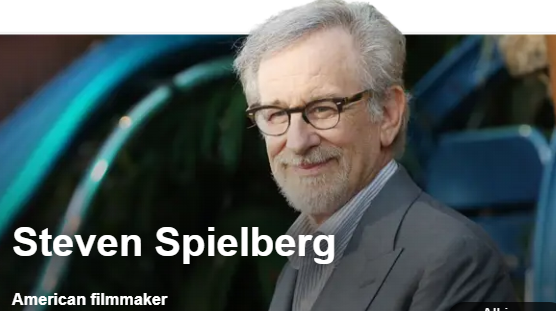
Arnold Spielberg, an electrical engineer obsessed with computers, and Leah Posner, a concert pianist who gave up her career for motherhood, had created a household where creativity and chaos lived in equal measure.
Steven, the only son among four children, found escape in the one place that made sense: the movies. Today, that boy who hid from his parents’ failing marriage in darkened theaters commands a fortune estimated at $4 billion. Yet every frame he shoots still carries the fingerprints of that childhood fracture.
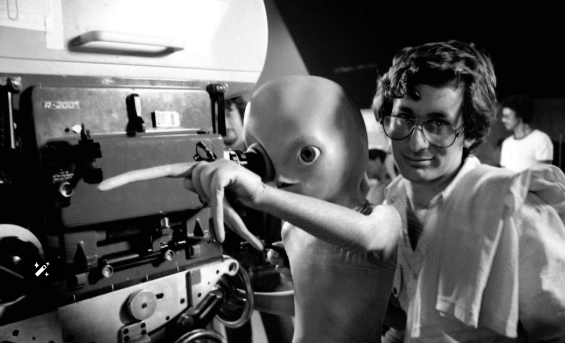
Steven Spielberg Net Worth 2025: The Wound That Built an Empire
The Spielberg household moved constantly. From Cincinnati to Haddon Township to Phoenix to Saratoga, California. Each relocation followed Arnold’s engineering career, and each one tore Steven further from any sense of stability.
More destabilizing than the moves was what happened inside the homes. Arnold buried himself in work, often absent even when physically present. Leah, meanwhile, filled the void with artistic energy that bordered on manic. She’d wake the children at 2 AM to watch meteor showers or drive them into the desert to chase thunderstorms.
The Divorce That Defined Everything
When Steven was sixteen, his parents divorced. The official story blamed Arnold’s workaholism. However, the truth was more complicated. Leah had fallen in love with Arnold’s best friend, Bernie Adler.
For decades, Spielberg harbored resentment toward his father, believing Arnold had abandoned the family. Only in his fifties did he learn the full story. The revelation rocked him. He’d built an entire mythology around paternal abandonment, and it had been wrong.
The Outsider in His Own Skin
Being Jewish in suburban Arizona in the 1960s made Steven a target. Classmates threw pennies at him. They called him slurs. One bully smeared his locker with bacon.
Rather than fight back with fists, young Spielberg did something remarkable. He cast that same bully in his amateur films, transforming an enemy into a collaborator. Even then, he understood that the camera was power. The lens was control. The story was survival.
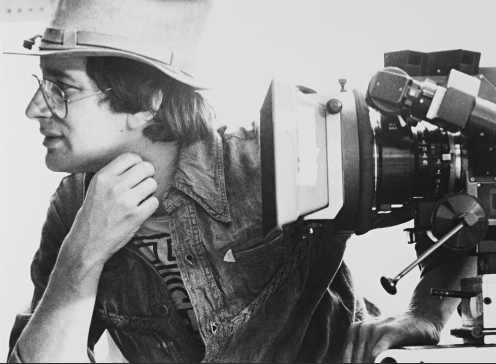
The Chip: How Pain Became a $4 Billion Fortune
At twelve, Spielberg made his first film: a three-minute Western starring his sisters. By thirteen, he’d won a statewide contest with a forty-minute war movie called Escape to Nowhere. The productions grew increasingly ambitious.
His father, for all his emotional distance, recognized his son’s obsession and bought him professional equipment. Arnold Spielberg may not have known how to express love through words, but he understood it through technology. That tension between emotional absence and material provision would echo through Steven’s entire career.
The Universal Studios Hustle
The legend goes like this: teenage Steven snuck onto the Universal Studios lot during a tour, found an empty office, and simply moved in. He dressed like an executive. Carried a briefcase. Waved at the security guard every morning until everyone assumed he belonged.
The story is partially apocryphal, but its essence is true. Spielberg understood that access was everything. Consequently, he manufactured his own. When USC film school rejected him for mediocre grades, he enrolled at Cal State Long Beach instead. Meanwhile, he kept showing up at Universal until someone finally gave him a shot.
Television as Boot Camp
At twenty-one, Spielberg became the youngest director ever signed to a long-term deal at a major Hollywood studio. He cut his teeth on television: Night Gallery, Columbo, Marcus Welby, M.D. The work was grueling, but it taught him efficiency.
Then came Duel in 1971. A TV movie about a man terrorized by a faceless truck driver on desert highways. The budget was minimal. The shooting schedule was brutal. Nevertheless, the result was so visceral that Universal released it theatrically in Europe. The kid from Phoenix was suddenly an international filmmaker.
The Rise: From Jaws to DreamWorks
Jaws almost destroyed him. The mechanical shark kept malfunctioning. The budget spiraled. Universal executives circled like the predator on screen.
Spielberg, then twenty-seven, solved the shark problem by hiding it. He shot terror from the creature’s perspective. Used John Williams’ now-iconic score to signal approaching doom. Made audiences fear what they couldn’t see. Subsequently, the film grossed $476 million worldwide and invented the summer blockbuster.
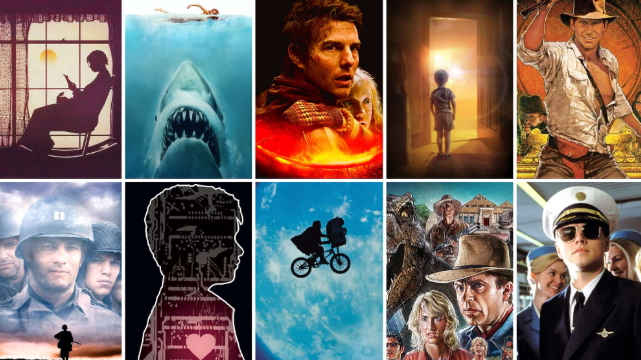
The Box Office Revolution
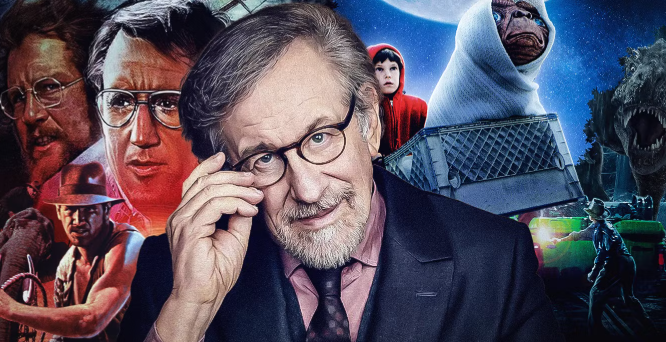
What followed was a run unprecedented in cinema history. Close Encounters of the Third Kind. Raiders of the Lost Ark. E.T. the Extra-Terrestrial. Each film made hundreds of millions. Each one explored the same themes: absent fathers, magical thinking, children forced to navigate adult chaos alone.
The money was staggering. More important was the creative control. Spielberg negotiated backend deals that gave him percentages of gross revenue, not net profits. According to Forbes, this single negotiating insight has generated over $1 billion in personal income from his directed films alone.
Building the DreamWorks Machine
In 1994, Spielberg did what no director had done since the silent era: he founded a major studio. DreamWorks SKG, partnered with Jeffrey Katzenberg and David Geffen, was his attempt to build a filmmaker’s paradise.
The venture was rocky. The live-action division struggled. DreamWorks Animation, however, became a juggernaut. When the animation unit was sold to NBCUniversal in 2016 for $3.8 billion, Spielberg’s stake contributed substantially to his current fortune. The boy who couldn’t control his own household had built an empire he could.
The Tell: The Wound Still Visible
Watch Spielberg’s films with his biography in mind, and the patterns become unmistakable. E.T. is about a boy abandoned by an alien father figure. Hook centers on a workaholic father who must learn to play with his children. Catch Me If You Can follows a con artist whose elaborate deceptions stem from his parents’ divorce.
In interviews, Spielberg has been remarkably candid about the connection. He’s called filmmaking “an escape from reality,” as documented by The New York Times. When discussing The Fabelmans, his 2022 autobiographical film, he admitted he’d been “hiding behind the camera” for sixty years. Making that movie forced him to finally step in front of his own story.
The Reconciliation Arc
Most telling was his relationship with Arnold. After learning the truth about his parents’ divorce, Spielberg reconciled with his father. Arnold began appearing at premieres. Father and son collaborated on a documentary about Arnold’s World War II service. When Arnold died in 2020 at ninety-six, Steven was at his bedside.
The man who’d made a career dramatizing paternal abandonment had finally forgiven the father he’d misunderstood for decades. That forgiveness came too late to change the films. Nevertheless, it changed the filmmaker.
The Hamptons Connection: Georgica Pond and the Geography of Arrival
Spielberg’s Hamptons estate sits on Georgica Pond in East Hampton. The property, which he purchased in the 1990s, encompasses multiple acres of waterfront land. His neighbors include Ron Perelman, Calvin Klein, and Martha Stewart.
For a man who spent his childhood in Arizona tract homes, the irony is rich. Georgica Pond represents old money, East Coast establishment, the kind of generational wealth that Jewish kids from Phoenix could only dream about. Spielberg didn’t just buy into that world. According to Architectural Digest, he transformed it.
The Estate as Narrative
The compound features multiple structures, including a main residence, guest houses, and extensive grounds. Spielberg has hosted A-list gatherings here for decades. The property also serves as a working retreat where he’s developed scripts and storyboarded films.
There’s something fitting about the location. The Hamptons have always been a refuge for creative strivers who made their fortunes elsewhere. Spielberg, the ultimate Hollywood outsider who conquered the industry through sheer talent and hustle, found his sanctuary among them.
The Paradox of Steven Spielberg
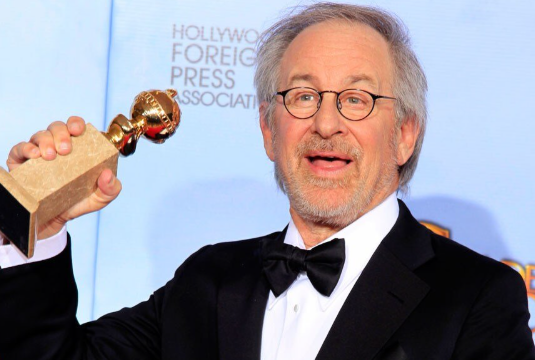
At seventy-eight, Spielberg remains Hollywood’s most commercially successful director. His films have grossed over $10 billion globally. The $4 billion personal fortune places him among the wealthiest filmmakers in history.
Yet strip away the accolades, and you still find that boy at the fence in Phoenix. The one who used a camera to make sense of chaos, turned a bully into a collaborator, and hid from his parents’ screaming matches by disappearing into someone else’s story. The Georgica Pond estate is beautiful. The fortune is staggering. Both are bandages on a wound that never fully healed.
Related Articles
- Martin Scorsese Net Worth 2025: Little Italy to Legend at 82
- Christopher Nolan Net Worth 2025: The $250 Million Practical Effects Purist
- Quentin Tarantino Net Worth 2025: The Video Store Clerk Who Became an Auteur
Connect With Social Life Magazine
For features, advertising, and partnership inquiries, visit sociallifemagazine.com/contact
Experience Polo Hamptons: polohamptons.com
Subscribe to our print edition for exclusive Hamptons coverage delivered to your door.
Author

Written by
Recent Posts
Why Coast2Coast Leather Is New Jersey’s Trusted Source for Automotive and Aviation Leather
The Step and Repeat Banner NYC Event Planners Actually Rely On

Why the Wealthy Are Finally Questioning Their Grocery Receipts
How 3D Rendering Is Changing the Way Luxury Homes Are Sold
What to Consider Before Investing in Modern Pivot Front Doors
Categories
- Art
- Articles
- Business of Luxury
- Celebrities
- Entertainment
- Events
- Faces of Summer 2026
- Fashion
- Fashion & Style
- Featured
- Finance
- Food, Spirits, Wine
- Hamptons
- Hamptons Celebrities
- Health
- Health & Beauty
- Lifestyle
- Luxury Lifestyle
- Press
- Profiles
- Real Estate
- Technology
- The Chronicles
- Travel
- Uncategorized
- Weddings