
Effortless hair is rarely effortless. What appears natural, polished, or low-maintenance is usually the result of understanding structure, chemistry, and routine at a detailed level.
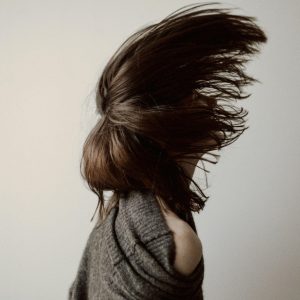
Hair is not a uniform material. It is a protein-based fiber composed primarily of keratin, protected by a cuticle layer that determines how it reflects light, retains moisture, and reacts to external stress.
Because of this, every visible result, shine, smoothness, volume, is tied to how that structure is managed daily. The difference between controlled and uncontrolled hair is rarely styling. It is preparation.
Curly Hair: Structure Dictates Routine
Curly hair behaves differently because of its shape.
The follicle structure that produces curls creates bends along the strand, which prevents natural oils from traveling evenly from scalp to ends. This leads to dryness and increased friction between strands.
Scientific classifications show that curl patterns vary widely, from loose waves to tight coils, each requiring different levels of moisture and handling.
Moisture Management Over Styling
Curly hair requires consistent hydration at multiple stages:
- Washing with low-stripping formulas
- Conditioning to restore moisture balance
- Sealing with creams or oils
Without this, curls lose definition and expand unpredictably.
Friction as a Hidden Variable
Unlike straight hair, curly strands interact more with each other. This increases friction, which leads to breakage and frizz.
This is why routine adjustments, like microfiber towels or air drying instead of aggressive heat styling, have measurable impact over time.
Colored Hair: Maintaining Structure After Chemical Change
Color-treated hair is structurally altered. The dyeing process opens the hair cuticle to deposit pigment, which weakens the outer protective layer.
This makes colored hair more porous, meaning it absorbs and loses moisture more easily.
Professional-grade, ingredient-focused brands like Davines, Aveda, Rahua, and Innersense Organic Beauty are often used for maintaining color-treated hair without compromising structure.
Good products designed for colored hair care routines, focus on restoring that balance through targeted formulations.
What Changes After Coloring
Once hair is dyed:
- The cuticle remains more vulnerable
- Moisture retention decreases
- Protein structure is partially disrupted
This explains why color-treated hair often feels drier and more fragile.
Maintenance Is About Preservation
Maintaining color is not just about keeping pigment vibrant. It is about preserving the structure underneath.
This typically involves:
- Using sulfate-free cleansers
- Reducing washing frequency
- Applying heat protection during styling
These adjustments reduce further damage and slow color fading.
Frizzy Hair: A Moisture Imbalance Problem
Frizz is often misunderstood as a hair type. It is not.
It is a condition caused by misalignment of strands, where individual hairs deviate from the overall pattern.
The main drivers are:
- Humidity
- Damage to the cuticle
- Natural texture
Why Humidity Changes Everything
Hair is highly responsive to moisture in the air.
When the cuticle is raised or damaged, hair absorbs water from the environment, causing it to swell and disrupt alignment. This is why frizz increases in humid conditions.
Control Comes From Surface Management
Managing frizz is about controlling the outer layer of the hair.
This includes:
- Smoothing the cuticle with conditioning agents
- Reducing heat damage
- Using products that create a barrier against humidity
Effortless-looking smooth hair is often the result of maintaining cuticle integrity rather than aggressive styling.
Dry Hair: The Absence of Lipids and Water
Dry hair is not simply “lacking shine.” It is lacking both moisture and lipids that maintain elasticity.
Hair fibers naturally contain small amounts of lipids, which help retain water and protect the structure. When these are depleted, hair becomes brittle and more prone to breakage.
Causes Are Often Cumulative
Dryness typically results from repeated exposure:
- Frequent washing with harsh detergents
- Heat styling
- Chemical treatments
Each of these removes protective elements from the hair.
Repair Is Gradual, Not Immediate
There is no instant fix for dryness.
Effective routines focus on:
- Reintroducing moisture through conditioners and masks
- Sealing hydration with oils
- Reducing further damage
Over time, this restores flexibility and improves overall appearance.
Thin Hair: Volume Is a Structural Challenge
Thin hair is defined by strand diameter, not density. This means individual strands are smaller and more prone to collapsing under weight.
Weight Management Is Critical
Heavy products that work for thicker hair often reduce volume in thin hair.
Instead, routines focus on:
- Lightweight conditioning
- Minimal product layering
- Strategic styling for lift
Oil Distribution Works Differently
Thin hair often appears oily faster because sebum travels more easily along straight, fine strands.
This requires more frequent cleansing, but with gentle formulations to avoid over-stripping.
Scalp Health: The Overlooked Foundation
Hair quality begins at the scalp.
The scalp functions as a biological environment where follicles produce hair fibers. Disruptions here affect growth, thickness, and overall condition.
Research shows that different scalp conditions, oily, dry, or imbalanced, lead to different hair outcomes, from rough texture to split ends.
Why It Matters for Appearance
Healthy scalp conditions:
- Support consistent hair growth
- Reduce breakage
- Improve overall hair quality
Ignoring scalp health often leads to visible issues that cannot be corrected through styling alone.
Routine Consistency Over Product Quantity
One of the most overlooked aspects of hair care is consistency.
Dermatology guidance emphasizes that how often and how you wash your hair, along with product selection, has a direct impact on long-term hair health.
The most effective routines are not complex. They are consistent.
Hair responds to repeated patterns. Sudden changes or excessive product use often disrupt rather than improve results.
The Role of Environment and Lifestyle
Hair does not exist in isolation.
Environmental factors such as humidity, temperature, and water quality influence how hair behaves daily.
For example:
- Hard water can leave mineral deposits that affect texture
- Sun exposure can degrade protein structure
- Air pollution can accumulate on the scalp and hair surface
These factors explain why the same routine may produce different results in different environments.
Final Takeaway
Effortless hair is the result of controlled variables.
Hair type, whether curly, dry, frizzy, thin, or color-treated, determines how it should be managed. Each condition has a structural explanation, and each solution is tied to maintaining or restoring that structure.
The key is not complexity. It is alignment.
When routine matches hair characteristics, results become predictable. When it does not, hair becomes difficult to manage regardless of effort.
The appearance of ease is built on precision.
Author

Written by
Recent Posts
Unlocking the Berkshires
Dalia Forman Design
Alberto Luzzi
How to Pick a Homecoming Dress for Your Body Type and Feel Amazing in It
How to Prepare a Home for Sale When Major Repairs Are Not Affordable
Categories
- Art
- Articles
- Business of Luxury
- Celebrities
- Culture
- Entertainment
- Events
- Faces of Summer 2026
- Fashion
- Fashion & Style
- Featured
- Finance
- Food, Spirits, Wine
- Hamptons
- Hamptons Celebrities
- Health
- Health & Beauty
- Lifestyle
- Luxury Lifestyle
- Press
- Profiles
- Real Estate
- Technology
- The Chronicles
- Travel
- Uncategorized
- Weddings