
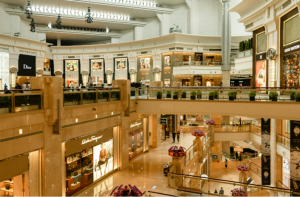
Most retail problems start long before a customer walks into a store. A product launch may look strong on paper, but poor execution at the store level can quietly damage sales. Missing inventory, incorrect pricing, delayed displays, and broken demo units create friction that customers notice immediately. Many retail brands invest heavily in advertising while struggling with the operational side of in-store performance. That gap affects customer trust and weakens campaigns that cost millions to build. Strong retail brands pay close attention to the systems behind the sales floor. They focus on logistics, merchandising, audits, staffing, and field support because those areas directly shape the customer experience. The public rarely sees this work, yet it influences almost every buying decision made inside a retail store.
The Teams Consumers Rarely Notice
Most shoppers only interact with the final retail environment. They see stocked shelves, promotional displays, working demo stations, and organized aisles without thinking about the teams responsible for maintaining them. Behind every successful retail campaign sits a network of operational specialists handling different parts of the process. Merchandising teams update displays and reset aisles. Logistics providers move inventory and promotional materials between warehouses and stores. Audit teams verify compliance and identify issues before they affect sales. Field technicians repair equipment and maintain digital displays. Construction crews install fixtures and branded environments for major launches. These functions often operate simultaneously across hundreds or thousands of locations. Retail brands depend on coordinated execution because even small operational gaps can quickly affect customer experience and store performance. Companies like Channel Partners specialize in managing these moving parts so retail environments stay organized, consistent, and ready for customers.
Why Shelf Placement Still Matters
Online shopping continues to grow, but physical retail still influences a huge number of buying decisions. Inside stores, product visibility plays a major role in customer behavior. Shoppers rarely spend time searching for products that are poorly placed, difficult to reach, or hidden behind cluttered displays. Merchandising teams help brands improve visibility through shelf positioning, planogram execution, promotional signage, and store organization. These details affect how customers move through aisles and which products catch their attention first. Seasonal resets also shape sales performance because retailers constantly reorganize categories based on demand, trends, and promotional schedules. Strategic shelf presence has become an important part of modern retail execution because placement directly affects visibility and conversion.
How Retail Audits Protect Brand Performance
Retail audits help brands understand what is actually happening inside stores. Many companies operate across large retail networks where headquarters cannot easily monitor daily conditions. Audits provide visibility into pricing accuracy, inventory levels, display compliance, and promotional execution. Field teams collect photos, verify product placement, and report operational problems directly from store locations. This information helps brands identify recurring issues before they spread across multiple markets. Retail audits also support stronger accountability because managers can track whether stores follow brand standards correctly. Companies often use audit data to improve staffing decisions, adjust product distribution, and strengthen future campaigns. Accurate reporting matters because retail conditions change quickly, especially during seasonal launches, promotions, and major product rollouts that involve multiple retail partners.
The Logistics Behind Store Readiness
Retail campaigns depend heavily on timing. Products, displays, signage, fixtures, and promotional materials must arrive at the right stores before launch dates. Delays in shipping or inventory handling can affect entire campaigns, especially during seasonal promotions or major product releases. Logistics teams manage warehousing, transportation, fulfillment, and distribution across large retail networks. Their work directly affects whether stores are fully prepared when customers arrive. Retail brands also need accurate inventory coordination to avoid stock shortages and overstocks that create unnecessary costs. Efficient logistics systems help stores maintain consistency across locations and reduce disruptions during busy sales periods.
Why Retail Technology Needs Ongoing Support
Modern retail stores rely heavily on technology to support sales and customer engagement. Digital signage, self-service kiosks, smart shelving systems, interactive displays, and product demo stations now appear across many retail categories. These systems require regular maintenance because technical problems affect customer experience almost immediately. A broken display screen or disconnected demo device can reduce engagement and create a poor impression of the brand. Retailers also lose valuable selling opportunities when technology stops functioning during promotions or product launches. Field service teams handle repairs, troubleshooting, software updates, and hardware replacements across store networks. Brands that invest in continuity support usually maintain cleaner retail environments and more reliable customer-facing technology throughout the year.
Why In-Store Staff Still Influence Sales
Retail technology continues to evolve, but human interaction still shapes many purchasing decisions. Customers often look for guidance when buying products that require comparison, setup, or technical understanding. This is especially common in categories like electronics, appliances, beauty, telecom, and health products. Assisted sales teams help brands improve the in-store experience by answering questions, explaining product features, and helping customers make informed decisions. Trained retail representatives also support store staff by providing product education and launch updates. Brands use these programs to improve consistency across locations and reduce misinformation at the store level. Retail brands often see stronger engagement when customers receive confident and knowledgeable support during the shopping experience.
Customers may only see the final result, but behind every organized display, stocked shelf, and successful launch sits a large operational system working continuously in the background. Merchandising teams, logistics providers, auditors, field technicians, trainers, and retail analysts all contribute to the customer experience in practical ways. Their work affects product visibility, store readiness, campaign timing, and overall brand perception. Brands that invest in connected retail infrastructure usually create more consistent customer experiences across locations.
Author

Written by
Recent Posts
Unlocking the Berkshires

Dalia Forman Design

Alberto Luzzi
How to Pick a Homecoming Dress for Your Body Type and Feel Amazing in It
How to Prepare a Home for Sale When Major Repairs Are Not Affordable
Categories
- Art
- Articles
- Business of Luxury
- Celebrities
- Culture
- Entertainment
- Events
- Faces of Summer 2026
- Fashion
- Fashion & Style
- Featured
- Finance
- Food, Spirits, Wine
- Hamptons
- Hamptons Celebrities
- Health
- Health & Beauty
- Lifestyle
- Luxury Lifestyle
- Press
- Profiles
- Real Estate
- Technology
- The Chronicles
- Travel
- Uncategorized
- Weddings