
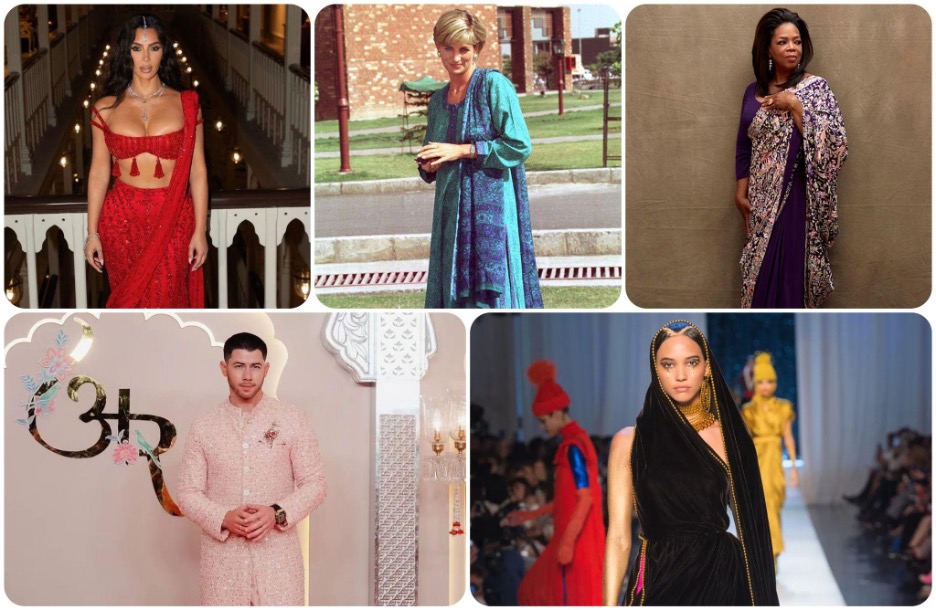
For centuries, Indian textiles have fascinated and entranced the world with their beauty, quality and superior artisanal skills. And it’s a romance that’s made quite a splash in the international fashion world. Indian textiles continue to dominate seasonal trends and fashionable haute couture from the markets of Old Delhi to the slick runways of Paris. In fact, the love of Indian textiles was so great in the French courts of Louis XIV that the government banned their importation in 1686 to protect the domestic workshops. Indian fabrics are not merely textile materials, but vessels of tradition, carriers of heritage, and embodiments of artistic brilliance. From Princess Diana’s silk-blend crepe salwar suit in 1996 to Kim Kardashian’s 2024 red lehenga saree look designed in tulle, Indian fabrics have always been an inspiration for international fashion designers. This blog describes the timeless beauty of Indian Textiles and their influence, and how they are shaping the modern international trends of today.
- The Rise of Authenticity and Storytelling:
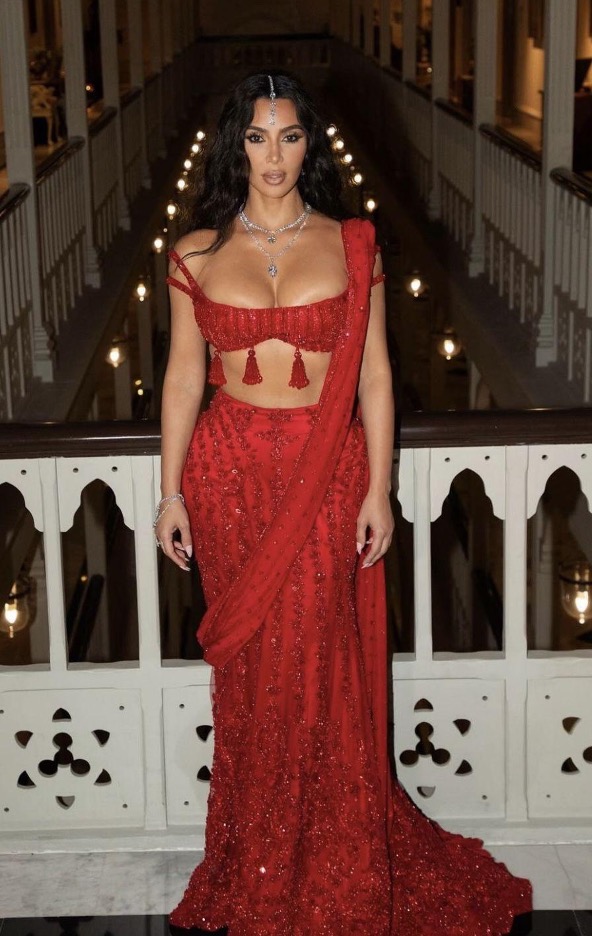
Moving away from a mass-produced approach to ensembles, the fashion industry is ready to go in a different direction in 2026. That’s what Indian textiles are giving us: real products with elements of traditional heritage and storytelling that matter in their designs, which customers and designers are looking for. At the Ambani wedding in 2024, Kim Kardashian chose a couture lehenga choli by Tarun Tahiliani, complete with zari brocade, resham embroidery, and handcrafted detailing inspired by the textile heritage of India. This look was a hit because it was a great mix of high fashion and Indian textile storytelling. The result was a very memorable appearance.
- Eco-Conscious Green Awakening:
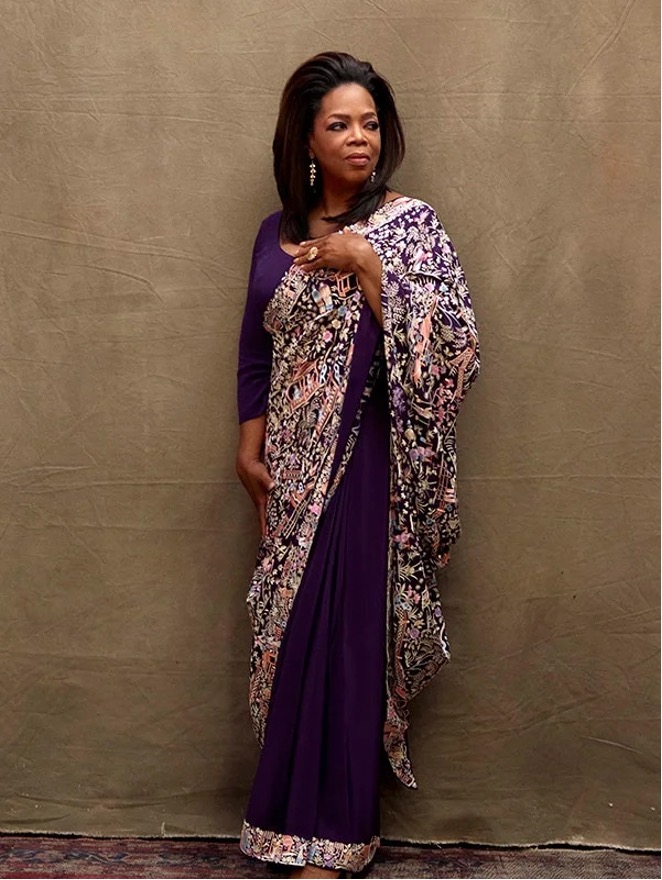
As the years have gone by, the conversations surrounding eco-friendly fashion have become louder. As most Indian textiles are handcrafted, they are supremely eco-friendly. These offer an environmentally responsible alternative to factory-produced fashion that generates tons of waste. A particular example is that of Oprah Winfrey, who continues to wear elegant Indian sarees during cultural events and interviews. Her outfits highlight India’s rich weaving heritage and handcrafted textiles. Featuring elegant fabrics like silk, chiffon, georgette, and silk blends, she has been a pioneer in showcasing Indian textiles on a global scale.
- The Richness of Indian Fabrics:
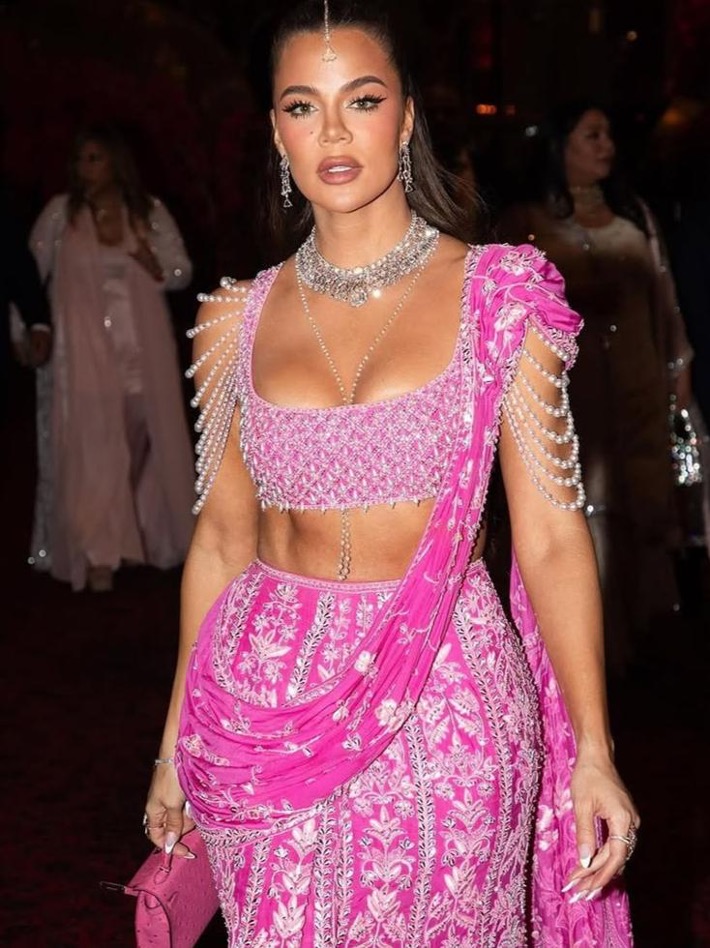
Indian textiles are beloved for their exquisite craftsmanship and deep attention to detail. From the intricate weaves of the Banarasi saree to the delicate needlework of Chikankari salwar suits, each textile has a story to tell, a legacy to live, and a culture to exude. Artisans painstakingly craft these fabrics, which are later used for lehengas, sarees, salwar kameez suits and more, infusing each thread with passion, skill, and patience. A great example of the grandeur of Indian textiles is Khloe Kardashian’s fusion lehenga by Manish Malhotra. The outfit crafted in sheer net and tulle featured intricate zari embroidery, hand-applied crystals, and detailed artisanal craftsmanship. This outfit took months to complete, and the embroidery took up hundreds of hours alone, breathtakingly highlighting the opulence of Indian textiles.
- Celebrity Influence:
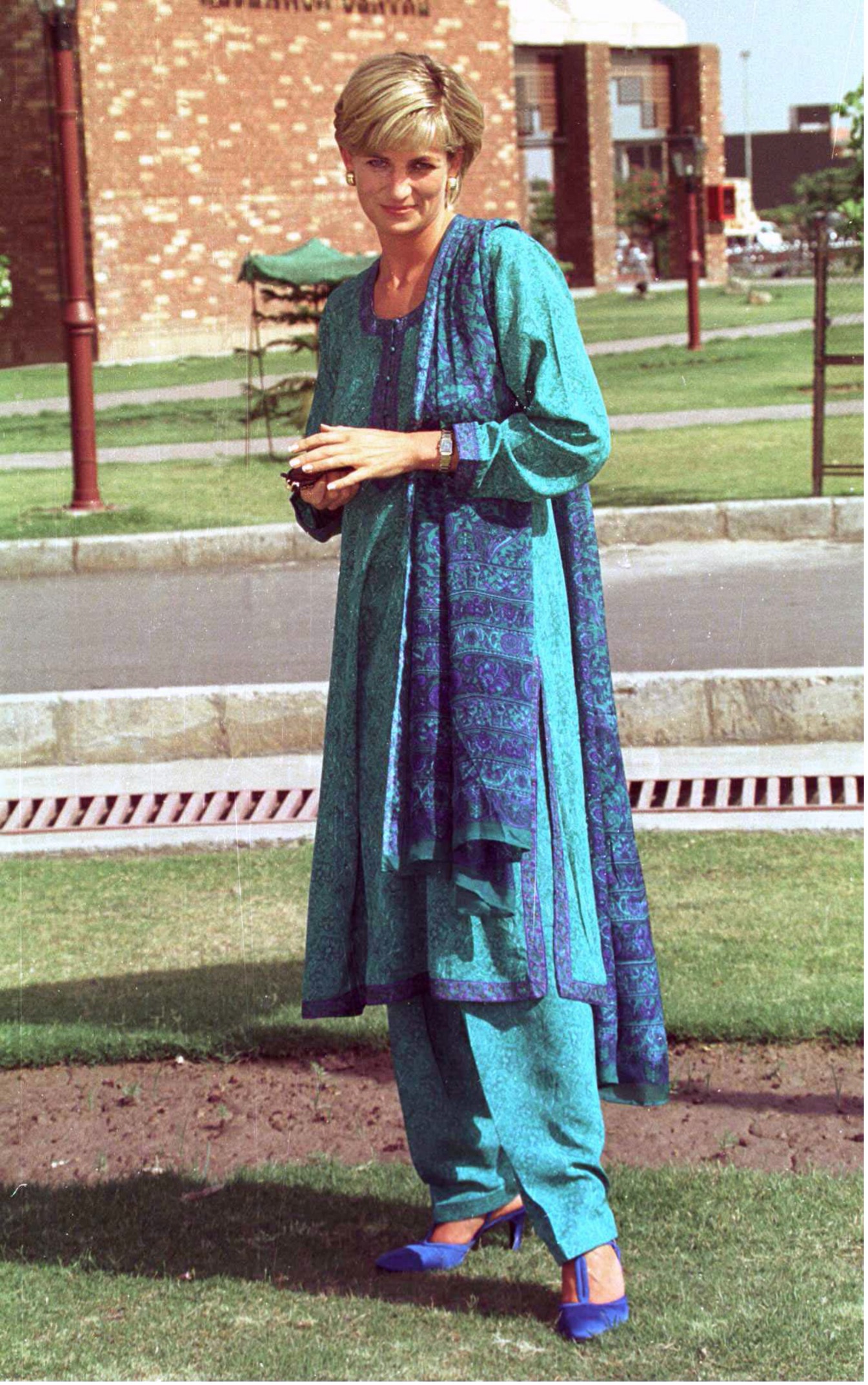
International celebrities have long embraced Indian textiles, giving a boost to their popularity on a global scale. This love for Indian textiles isn’t new and spans back decades, if not centuries. For instance, Princess Diana was one of the first international icons to popularise the salwar kameez on a global scale. Her 1996 powder blue salwar kameez crafted from silk crepe is still iconic. During charity visits, she embraced neutral-toned salwar suits styled with dupattas and modest tailoring. Her salwar kameez suits were mostly crafted from breathable, elegant fabrics such as silk crepe, chiffon, cotton-silk blends, and georgette blends.
- Handmade Exclusivity:
One of the most distinctive features of Indian textiles is that they emphasise handcrafted luxury and limited production. Many garments designed with Indian fabrics such as sarees, lehengas, and salwar kameez take hours of intensive labour and skilled artisans to make. Handwoven textiles like Banarasi silk and Kanjeevaram silk involve a detailed weaving process that cannot be replicated by machines. This level of craftsmanship exudes a sense of rarity, individuality, and emotional value. A great example of a celebrity embracing this handmade exclusivity is Nick Jonas. At his wedding celebrations in India, he wore intricately embroidered sherwanis by Indian couture houses. These ensembles featured luxurious silk-based textiles and traditional zari work.
- Versatility in Design:
One of the biggest selling points of Indian textiles is their versatility and flexibility. They adapt to both traditional and modern trends beautifully. They are flexible in terms of design, silhouette, and styling. This allows Indian textiles such as silk, georgette, chiffon, and organza to be used in Western clothing as well. These days, Indian textile usage isn’t limited to just sarees, lehengas, salwar kameez, and Indo-western outfits. Designers are now using these fabrics on international runways, fashion showcases and in fashion lines. A strong example is Jean Paul Gaultier, who frequently uses Indian textiles, silhouettes and embroideries in his couture collections. His collections have featured rich Indian fabrics, zari metallic detailing, brocade textiles, sari-inspired draping and more.
Final Thoughts
Indian textiles continue to inspire the global fashion industry because they offer something rare in the world of fast fashion. They are a seamless blend of authenticity, craftsmanship, storytelling and legacy. Thus, Indian textiles have transcended geographical boundaries and have become an international fashion symbol.
Author
Written by
Recent Posts
Unlocking the Berkshires
Dalia Forman Design
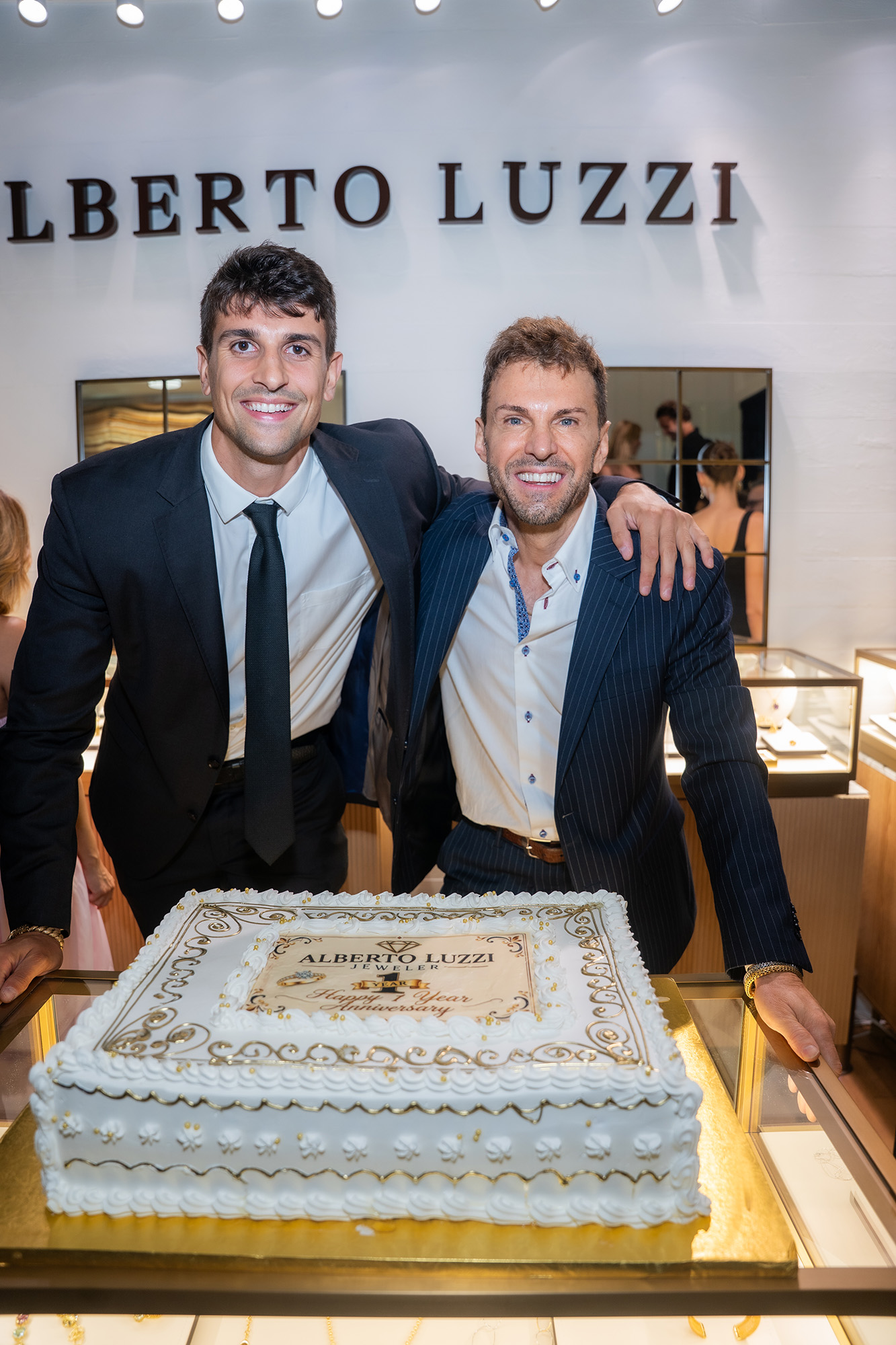
Alberto Luzzi
How to Pick a Homecoming Dress for Your Body Type and Feel Amazing in It
How to Prepare a Home for Sale When Major Repairs Are Not Affordable
Categories
- Art
- Articles
- Business of Luxury
- Celebrities
- Culture
- Entertainment
- Events
- Faces of Summer 2026
- Fashion
- Fashion & Style
- Featured
- Finance
- Food, Spirits, Wine
- Hamptons
- Hamptons Celebrities
- Health
- Health & Beauty
- Lifestyle
- Luxury Lifestyle
- Press
- Profiles
- Real Estate
- Technology
- The Chronicles
- Travel
- Uncategorized
- Weddings