
First impressions matter when guests step into your home. The foyer serves as the initial physical introduction to your personal design choices. Transforming this area can change how the entire property feels.
You can achieve a striking look without spending a fortune on full remodeling projects. A few strategic adjustments create an inviting path from the front door. Focusing on layout, materials, and coordination helps achieve a balanced look.
Upgrading Your Entryway with Modern Staircase Features
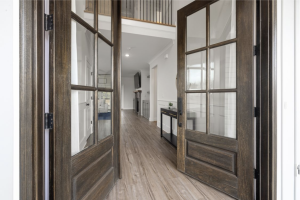
Many traditional homes feature a staircase right inside the front door. This layout means the stairs become an immediate focal point for anyone entering the building. Choosing the right materials for this area sets a specific design tone.
Homeowners often overlook the impact of structural boundaries near the doorway. You can use contemporary metal stair railing ideas to create a sleek appearance that updates the whole space. This simple material swap replaces heavy wood with clean lines.
Metal components provide excellent durability and require minimal upkeep over the years. They allow light to pass through the foyer easily.
Selecting dark steel or iron fixtures provides a strong contrast against light walls. It makes the ceiling appear higher than its actual measurement. The contrast delivers a striking impact.
Establishing Clear Transitions in Your Home Layout
The boundary between the outdoor elements and your indoor living area requires careful management. A distinct transition point helps define exactly where the public world ends and your private sanctuary begins. Flooring choices frequently mark these boundaries effectively.
Designing a seamless flow from the front porch to the interior hall builds visual balance. An industry report shared that visual continuity from the outer threshold into the indoor hall scales a property correctly for residents.
Achieving this continuity requires matching color tones across the threshold. Placing durable mats near the entrance protects your main flooring from mud and debris.
You can position a low bench right next to the door to encourage people to pause. This furniture piece provides comfort and serves a practical purpose. It prevents guests from tracking dirt into your primary living zones. Choosing a bench with under-seat clearance adds room for footwear.
Prioritizing Your Foyer Atmosphere During Renovation
Remodeling projects often focus heavily on kitchens and bathrooms. Foyer areas deserve equal attention during the early planning stages of a home refresh. A well-designed entry changes how people perceive the rest of the building.
Spending time on this front room pays off when looking at design satisfaction. A trade publication stated that over 60% of residential design projects prioritize foyer upgrades to establish the atmosphere of a home.
Small details like hardware upgrades make a noticeable difference in these spaces. Replacing old door handles with modern options updates the look instantly. These quick adjustments do not require a massive budget.
Adding fresh paint to the front door interior provides another simple upgrade path. A bold choice makes the entrance stand out as an independent architectural feature.
Connecting Architectural Elements for Better Flow
Open floor plans require careful coordination between different sections of the house. The entryway should lead naturally into dining rooms or main living spaces. This connectivity creates an expansive feeling right from the front door.
Architecture data tracks how modern homes handle these open transitions. A recent study revealed a 40% increase in residential requests for open, multi-tier entries that link structural components directly to primary living areas.
Achieving this type of connectivity requires careful planning of walls and sightlines. Homeowners can implement specific methods to maintain open traffic lanes. Consider these popular layout choices:
- Removing non-load-bearing walls to combine rooms
- Utilizing low-profile storage benches near doorways
- Installing wide doorways that offer long sightlines
- Incorporating matching paint schemes across connected rooms
Proper furniture placement keeps these pathways open and accessible. Avoid placing large items where they block the natural line of sight. Keeping the view clear draws people deeper into the home.
Selecting Smart Furniture for Small Entryways
Small entry spaces demand smart furniture choices that maximize every square inch. Heavy, bulky dressers often block traffic and make paths narrow. Choosing slender console tables keeps walking paths clear and functional.
Floating shelves offer excellent storage opportunities without using valuable floor space. They provide a perfect surface for keys, mail, and small decorative objects. Hanging hooks underneath these shelves adds extra functionality for coats.
Mirrored furniture pieces reflect light around tight corridors effectively. This optical illusion makes narrow hallways seem 2 times their actual size. Selecting items with built-in drawers helps hide daily clutter instantly. It keeps the surface clean.
Multi-functional furniture items work best in restricted entry zones. A storage ottoman provides a comfortable place to sit and conceals seasonal gear like umbrellas and winter scarves.
Maximizing Light and Color Choices
Lighting shapes how people feel when they step inside a property. Dark entries feel unwelcoming and small, even if they have large dimensions. Adding a central hanging fixture draws the eyes upward immediately.
Wall colors interact with your light fixtures to define spatial boundaries. Soft, neutral tones reflect light throughout the day to keep areas bright. You can choose specific color combinations to achieve different design effects:
- Warm white shades that create a soft welcome
- Cool gray tones that deliver a clean feel
- Bold accent colors on the interior door surface
- Light pastel hues that maximize artificial brightness
Sconces mounted along the hallway walls add layered lighting to the room. This arrangement eliminates dark corners that make spaces feel restricted. Dimmer switches allow you to adjust the brightness based on the hour.
Natural light from windows should be maximized wherever possible. Clean glass panes allow sunshine to flood the floor during daytime hours.
Adding Personal Touches to the First Impression
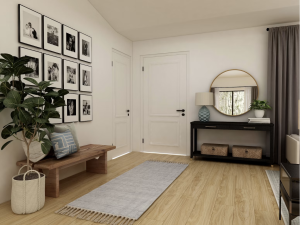
Personal decorations turn a generic house entryway into a reflection of your family. Framed family photographs or favorite artwork create an immediate sense of home for visitors. Selecting a unified frame style keeps the display orderly.
Small indoor plants introduce natural elements that soften hard architectural angles. A small potted fern on a side table brings natural life to the room. Choosing low-light plant varieties guarantees they survive away from direct windows.
Area rugs offer a final opportunity to introduce texture and pattern near the door. Low-pile rugs work best, letting doors swing open without catching. Picking washable fabrics makes maintenance simple for busy households.
Scented items like reed diffusers add a subtle sensory layer to the foyer. A clean, mild fragrance creates an immediate feeling of freshness upon entering. Avoid overly strong perfumes that might overwhelm sensitive guests. Mild citrus scents work well.
Refreshing your entryway changes the entire dynamic of a home. Implementing these basic changes builds an attractive, organized transition area for everyone. Focus on structural upgrades, smart layout choices, and proper lighting to get the best results.
Each adjustment works to create a cohesive look that welcomes people the moment they step past the front door. You do not need massive renovations to make a meaningful difference in your layout. Start with 1 small project today to see how easily your front room transforms.
Author

Written by
Recent Posts

Unlocking the Berkshires

Dalia Forman Design

Alberto Luzzi
How to Pick a Homecoming Dress for Your Body Type and Feel Amazing in It
How to Prepare a Home for Sale When Major Repairs Are Not Affordable
Categories
- Art
- Articles
- Business of Luxury
- Celebrities
- Culture
- Entertainment
- Events
- Faces of Summer 2026
- Fashion
- Fashion & Style
- Featured
- Finance
- Food, Spirits, Wine
- Hamptons
- Hamptons Celebrities
- Health
- Health & Beauty
- Lifestyle
- Luxury Lifestyle
- Press
- Profiles
- Real Estate
- Technology
- The Chronicles
- Travel
- Uncategorized
- Weddings