
Wedding planning looks dreamy from the outside. The mood boards are pretty. The outfit trials feel special. The venue visit turns into a family memory. Then the real work begins. Guest lists grow. Budgets stretch. Timelines shift. Vendors need answers. Families have opinions. One event becomes three, then five, then suddenly the whole thing feels less like a celebration and more like project management with flowers.
That is exactly why more couples now look for an electronic wedding planner instead of trying to run everything through spreadsheets, chat threads, and handwritten notes.
A wedding has always involved moving parts. What has changed is the scale of coordination. Today’s weddings often include multiple events, travel arrangements, digital invites, curated seating, custom menus, and a long list of vendors working on tight deadlines. If even one detail slips, the stress spreads fast.
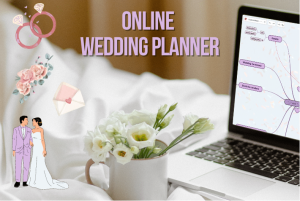
Planning is no longer a small notebook job.
For years, people managed weddings with diaries, printed lists, and family phone calls. That still works for very small events. It starts breaking down once the guest count rises or the event format becomes more layered.
Think about what one wedding now includes. There is the budget. The guest list. RSVPs. Seating plans. Outfit deadlines. Decor approvals. Catering notes. Vendor payments. Arrival schedules. Stay arrangements for out-of-town guests. Event-wise checklists. Day-wise timelines. It is a lot. And every section affects another.
An electronic wedding planner helps bring those details into one working system. That is the real appeal. It is not about replacing emotion with software. It is about giving the emotion some structure so the event can run well.
When everything sits in one place, couples spend less time searching for updates and more time making decisions.
The biggest win is not convenience. It is visible
People often think digital planning tools save time. They do. But time is only part of the story.
The bigger win is visibility. When wedding information lives across messages, calls, screenshots, and separate files, nobody sees the full picture. A cousin updates the guest list, but the seating layout does not reflect it. The decorator gets an old stage brief. The planner has one version of the event flow, while the family follows another. That is how confusion starts.
A digital system gives everyone access to the same working version. That matters more than most people realize.
An electronic wedding planner can help couples track budget changes in real time, manage RSVPs without guesswork, map table layouts with fewer errors, and keep each event tied to its own checklist and timeline. That kind of visibility reduces panic. It also reduces repeated calls, repeated questions, and repeated mistakes. And honestly, that alone can make the planning phase feel lighter.
It matters even more for multi-event and multicultural weddings
Not every wedding follows a single-day format. Many now stretch across several ceremonies and social gatherings. This is especially common in South Asian, fusion, and multicultural weddings, where each event carries its own rituals, dress code, guest segment, and vendor needs.
A Mehndi does not run like a reception. A Nikkah does not flow like a Sangeet. A ceremony with both families involved often brings different customs, different expectations, and different decision makers into the same planning process.
That complexity changes everything. It means guest movement matters. It means timing matters. It means seating can shift between events. It means travel details can no longer sit outside the planning process. It means the planner, couple, and vendors all need a shared view of what is happening and when.
This is where an electronic wedding planner starts to feel less like a nice extra and more like a working necessity. It keeps the structure visible across events, not just within one event. That is a major difference.
A couple may still use family groups and phone calls, of course. Most do. But those should support the plan, not become the plan.
Good planning tools do more than store information
Not every digital wedding tool is useful. Some only act as checklist holders with a prettier design. Others focus too much on inspiration and not enough on actual execution.
A strong planning platform should help with practical work, such as:
- budget tracking
- guest list management
- RSVP collection
- seating chart updates
- vendor coordination
- event timelines
- task delegation
- document and note storage
- travel and accommodation details
That list may sound basic, yet these are the jobs that shape the real planning experience.
The best tools also support collaboration. Weddings are rarely planned by one person alone. Even when one partner leads, there are still family members, planners, decorators, photographers, caterers, and venue teams involved. A useful system lets people work from the same reference point without forcing the couple to repeat everything by hand.
That is why many couples now prefer an electronic wedding planner over a patchwork method. It is not just cleaner. It creates fewer weak links.
Vendors and planners benefit too.
Most articles on wedding planning tools speak only to couples. That is too narrow.
Planners need dashboards, deadlines, and a clear view across events. Vendors need proper briefs, approved references, confirmed dates, and fewer last-minute surprises. If the planning system works only for the couple, it leaves too much room for back and forth later.
A better setup helps all sides. The planner can track progress. The couple can approve decisions faster. The vendor can work with accurate information. That shared clarity improves the event itself.
This is also why software built for weddings should not be treated like a glorified notebook. It is closer to an operating layer for the entire workflow.
That may sound technical, but the result is very human. Fewer missed details. Fewer tense calls. Fewer moments where someone says, “Wait, I thought we had already changed that.”
The emotional value is real.
Wedding planning is emotional work. People talk about the joy, and that is real. They talk less about the mental load.
Someone is always carrying the details in their head. Usually, it is the bride, the couple together, or a planner trying to hold ten moving parts at once. That load builds quietly. It shows up as late-night checking, repeated follow-ups, and the fear that one forgotten item could throw off the entire day.
Tools cannot remove every worry. They can remove unnecessary chaos. That is why the right system matters. It gives shape to the work. It helps couples feel more in control. It gives planners a steadier process. It helps vendors work with a better context. And when the process is calmer, the celebration feels more present.
That may be the strongest reason to use an electronic wedding planner. Not because it sounds modern, but because it helps people protect the experience they are trying so hard to create.
Final thought
A wedding will never be only about logistics. It should not be. It is still about people, meaning, memory, and celebration. But logistics decide whether that meaning gets space to breathe.
When the planning process is scattered, stress takes over. When the process is clear, people can focus on the moments that matter. In that sense, AyeDu sells a calm, usable electronic wedding planner, not a shiny idea that fades after the demo. For couples planning a multicultural wedding, for planners juggling several clients, and for vendors who want better-qualified work, that is a serious position in a crowded search field.
Author

Written by
Recent Posts
Best Folding Tables for Community Halls and Function Centres
From the Hamptons to Mykonos for a September Encore
Is Business Class Worth It on a Short-Haul Flight?
Failure to Disclose Finances in Divorce
Columbus Car Accident Attorney: Protecting Your Rights After a Georgia Crash
Categories
- Art
- Articles
- Business of Luxury
- Celebrities
- Culture
- Entertainment
- Events
- Faces of Summer 2026
- Fashion
- Fashion & Style
- Featured
- Finance
- Food, Spirits, Wine
- Hamptons
- Hamptons Celebrities
- Health
- Health & Beauty
- Lifestyle
- Luxury Lifestyle
- Press
- Profiles
- Real Estate
- Technology
- The Chronicles
- Travel
- Uncategorized
- Weddings