
When most people picture industrial operations, they think about the large systems first, like boilers, pipelines, or processing units. Production lines run twenty-four hours a day without much room for mistakes. Fair enough. Those systems matter.
But smaller instrumentation components often decide whether those bigger systems actually stay reliable over time. And honestly, temperature measurement is one of the easiest places for problems to start quietly.
A facility can have solid operators, experienced maintenance crews, and expensive equipment across the floor, yet still struggle because the temperature data feeding those systems isn’t dependable enough.
That’s where thermowell selection starts becoming more important than many teams initially expect.
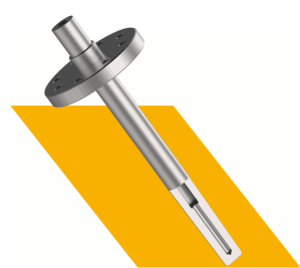
A thermowell protects the temperature sensor from direct exposure to pressure, vibration, corrosion, and flowing media inside industrial systems. On paper, it sounds pretty straightforward. Real operations aren’t always that simple, though.
Choose the wrong design and the effects don’t always show up immediately. Sometimes the issue builds slowly in the background while operators keep adjusting other parts of the process, trying to solve a problem that actually started with an inaccurate measurement.
Why More Facilities Are Paying Attention to Thermowell Performance
Industrial plants across the U.S. remain under pressure from every direction. Safety standards continue getting tighter. Downtime costs keep climbing. Production targets aren’t slowing down either. At the same time, many facilities are trying to modernize operations with better automation and smarter monitoring systems without creating additional maintenance headaches. That’s a difficult balance to manage if instrumentation reliability isn’t where it needs to be.
A poorly matched thermowell can create slower response times, unstable readings, vibration stress, or even premature sensor failure in certain operating environments. High-pressure systems and fast-flow conditions make those risks even harder to ignore because small inaccuracies don’t always stay small for long.
That’s the frustrating part about temperature measurement problems. They rarely announce themselves dramatically in the beginning.
A slight deviation here. A process adjustment there. Operators compensate. Maintenance investigates something else first. Meanwhile, the original issue keeps sitting in the background, getting worse little by little.
The Cost of Poor Thermowell Selection Adds Up Fast
People sometimes assume instrumentation problems only lead to replacement costs. Usually it’s bigger than that. An incorrect thermowell setup can contribute to:
- Unexpected downtime
- Process instability
- Product quality variation
- Higher maintenance frequency
- Sensor damage
- Safety concerns in pressurized systems
In industries like chemical processing, oil and gas, utilities, and power generation, even a small temperature inconsistency can create larger operational problems over time. That’s why standards like ASME PTC 19.3 TW get a lot of attention during thermowell reviews, especially in systems dealing with faster flow rates or rough operating conditions where vibration becomes harder to ignore over time.
Honestly, most facilities aren’t trying to make things more complicated than they already are. They just don’t want avoidable equipment failures showing up in the middle of production runs, forcing shutdowns, extra maintenance calls, and all the scheduling chaos that usually follows afterwards.
What Actually Matters During Thermowell Selection
A surprising number of thermowell problems begin long before the equipment even reaches the plant floor. Small specification decisions made early during planning can quietly affect reliability, maintenance costs, and process stability for years after installation. Small decisions made early can affect reliability for years afterwards.
1. Process Conditions Matter More Than People Think
Every industrial environment creates different demands. A setup that works perfectly inside one manufacturing facility might fail much faster somewhere else with different operating conditions.
Corrosive environments create one set of challenges. High-pressure systems create another. Ignoring actual process conditions usually catches up eventually.
2. Material Selection Isn’t Just a Technical Detail
This part gets underestimated pretty often. Many facilities default to stainless steel because it works well in a wide range of environments. Sometimes that’s completely fine. Other applications need materials with stronger corrosion resistance or better high-temperature durability.
If the thermowell material starts degrading inside the process, maintenance costs rise quickly because repairs often involve planned shutdown coordination, inspection time, and replacement scheduling all at once.
3. Vibration Resistance Deserves More Attention
Industrial systems deal with constant movement inside pipelines and process equipment. Fast-moving media creates vibration, whether teams notice it immediately or not.
If a thermowell isn’t built for those operating conditions, repeated movement can slowly wear the component down over time. And the frustrating part is that the damage often builds quietly in the background before anyone realizes there’s a larger issue developing.
High-flow systems tend to face this problem more often because the stress placed on the thermowell doesn’t stop after installation. It keeps happening during normal operation, hour after hour, day after day.
That’s why engineers pay close attention to wake frequency calculations in certain applications, especially where turbulent flow conditions or higher velocities are involved. Facilities that review vibration exposure early usually avoid a lot of unnecessary maintenance trouble later.
4. Response Time Can Affect Process Stability
Some industrial processes change temperature very quickly. Others don’t.
Thermowell construction affects how fast the sensor reacts to those changes. A thicker design may improve durability, but it can also slow response time. That’s an important tradeoff in operations where temperature swings affect quality control or process safety.
5. Smart Systems Still Depend on Reliable Physical Measurement
A lot of U.S. facilities are investing heavily in automation, remote monitoring, and digital process visibility right now. But software still depends on accurate physical measurement coming from the field itself. If the sensing point isn’t dependable, the data feeding the system won’t be dependable either. No dashboard fixes bad measurement.
Reliable thermowell performance supports cleaner data, better process visibility, and more confident operational decisions across the plant floor.
Final Thoughts
Industrial facilities run on information. Good information keeps things moving. Bad information usually shows up later as downtime, maintenance stress, production issues, or safety concerns nobody planned for in the first place.
Temperature measurement plays a bigger role in that than many teams realize early on.
Thus, Tempsens industrial instruments support facilities that need reliable measurement performance across demanding operating conditions where accurate readings still matter every single shift, every single day.
Author

Written by
Recent Posts

Unlocking the Berkshires

Dalia Forman Design

Alberto Luzzi
How to Pick a Homecoming Dress for Your Body Type and Feel Amazing in It
How to Prepare a Home for Sale When Major Repairs Are Not Affordable
Categories
- Art
- Articles
- Business of Luxury
- Celebrities
- Culture
- Entertainment
- Events
- Faces of Summer 2026
- Fashion
- Fashion & Style
- Featured
- Finance
- Food, Spirits, Wine
- Hamptons
- Hamptons Celebrities
- Health
- Health & Beauty
- Lifestyle
- Luxury Lifestyle
- Press
- Profiles
- Real Estate
- Technology
- The Chronicles
- Travel
- Uncategorized
- Weddings