

They were never supposed to be rich. Too strange for leading roles, too talented for the background, too stubborn to play Hollywood’s game. Yet here they are: Willem Dafoe, Jeff Goldblum, Stanley Tucci, and Mark Ruffalo—four character actors whose combined net worth exceeds $145 million, built not on blockbuster vanity but on something rarer. Artistic integrity that somehow paid off.
This isn’t a story about movie stars. It’s a story about what happens when actors refuse to become them.
The Anti-Formula That Worked
Hollywood runs on a simple equation: handsome plus bankable equals rich. These four men broke it. Dafoe’s angular menace, Goldblum’s nervous eccentricity, Tucci’s chameleon versatility, Ruffalo’s everyman rumple—none of it fit the mold. Casting directors spent decades not knowing what to do with them.
Then something shifted. The industry that rejected them started needing exactly what they offered: authenticity in an age of CGI sameness, craft in an era of franchise fatigue. According to analysis from Forbes, character actors who maintain consistent output over three decades often accumulate wealth comparable to A-listers—without the overhead of fame management.
What follows are four origin stories. Four wounded childhoods. Four paths to wealth that nobody would have predicted.
Willem Dafoe: The $40 Million Exile
The seventh of eight children in Appleton, Wisconsin, Dafoe grew up watching French films his mother brought home while the neighbors blasted country radio. He was always European in an American body—and he’s spent sixty years proving it.
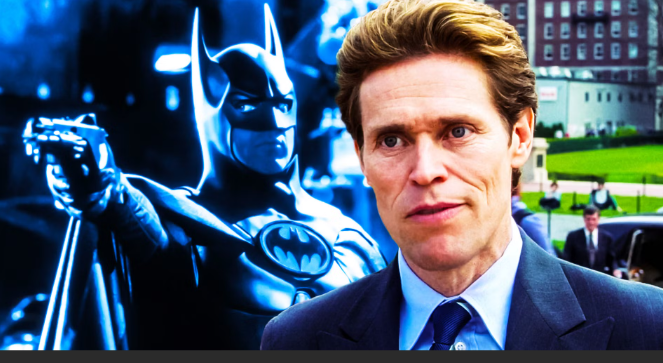
Four Oscar nominations. A filmography spanning Platoon to Spider-Man to Lars von Trier’s nightmares. Yet he lives in a modest Roman apartment, not a Beverly Hills compound. His $40 million net worth represents perhaps one-fifth of what he could have earned—the price of choosing art over commerce, every single time.
The wound: Middle child invisibility in a household of achievers.
The strategy: Make blockbusters fund experimental theater. Never apologize for being difficult.
Jeff Goldblum: The $45 Million Eccentric
Pittsburgh, 1963. A ten-year-old Jeffrey watches his older brother get disowned. The house goes quiet. His mother retreats into sadness. And Jeffrey learns the lesson that will fuel everything: if you’re interesting enough, maybe people won’t leave.

The pauses. The “uh”s. The hands that never stop moving. Other actors would have trained these quirks away. Instead, Goldblum amplified them until the weird kid from Pennsylvania became the $45 million template for cool. Dinosaurs, aliens, jazz albums at sixty-five—the man who needed to be noticed built a career on being impossible to ignore.
The wound: Family fracture and the fear of abandonment.
The strategy: Turn nervous energy into a brand. Weaponize the weird.
Stanley Tucci: The $25 Million Renaissance
He was always watching the kitchen. In Peekskill, then Katonah, the young Tucci studied his father’s knife work like other kids studied sports. Food was love. Cooking was communication. The table was where the family happened.
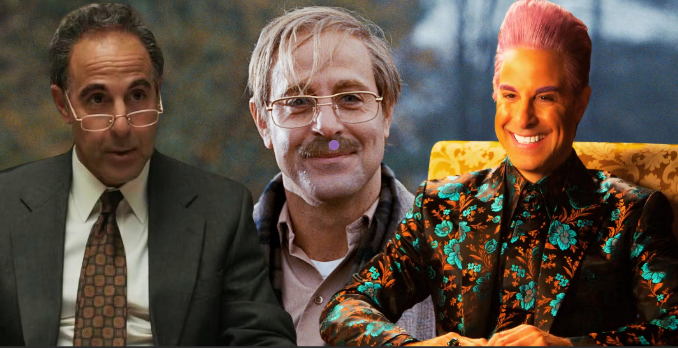
Then his first wife died of cancer. Then he nearly died of it himself—oral cancer that threatened his voice, his taste, his career. He survived. And the man who’d spent thirty years as Hollywood’s most reliable character actor became CNN’s most beloved food personality. His $25 million net worth now spans Oscars and Italian travelogues, proving that reinvention has no age limit.
The wound: The immigrant’s pressure to achieve, then loss that reshaped everything.
The strategy: Let grief become transformation. Cook your way through survival.
Mark Ruffalo: The $35 Million Crusader
Kenosha, Wisconsin. A five-year-old Mark sits in a hospital waiting room while his construction-painter father recovers from another job site injury. Medical bills pile up. The boy understands: his father’s body is a tool employers use until it breaks.
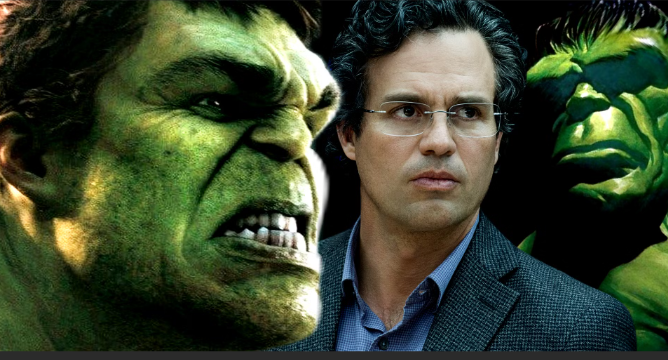
Eight hundred auditions. A brother shot and brain-damaged. A brain tumor that paralyzed half his face. Ruffalo survived it all, then used Marvel money to become one of Hollywood’s most vocal activists. His $35 million net worth funds environmental crusades from his Catskills farm—the working-class kid now fighting the corporations his father worked for.
The wound: Blue-collar vulnerability and a system that doesn’t protect workers.
The strategy: Take the franchise money. Spend it on what matters.
What the Numbers Actually Mean
Combined, these four actors are worth approximately $145 million. According to Variety, that’s less than what a single top-tier action star earns in a decade. The gap reveals something crucial: character actors build wealth slowly, through volume and longevity rather than tentpole paydays.
Yet there’s another calculation these numbers miss. Dafoe’s Rome apartment costs less annually than a Malibu estate’s property taxes. Ruffalo’s Catskills farm produces food rather than consuming it. Tucci’s CNN deal provides steady income without blockbuster risk. Their fortunes are designed for sustainability, not display.
The real wealth isn’t in the bank accounts. It’s in the ability to choose projects based on interest rather than necessity—a freedom most A-listers, trapped by lifestyle overhead, never achieve.
The Character Actor Playbook
What can these four careers teach anyone building long-term value?
Consistency beats peaks. All four actors have worked continuously for three to four decades. No dramatic comebacks required because there were no dramatic falls. Steady output compounds.
Distinctiveness is an asset. Goldblum’s quirks, Dafoe’s menace, Tucci’s warmth, Ruffalo’s everyman quality—each developed a recognizable brand without becoming a caricature. They’re instantly identifiable but never one-note.
Diversification protects. Tucci writes cookbooks and hosts travel shows. Goldblum releases jazz albums. Ruffalo produces documentaries. Dafoe does experimental theater. Multiple revenue streams mean no single project’s failure is catastrophic.
Values create clarity. Each actor has clear principles guiding their choices. That clarity prevents the drift into projects taken purely for money, which often damage both reputation and long-term earning power.
The Character Actor Moment
Hollywood is changing. Streaming has created infinite demand for content. Audiences have developed appetites for complexity that blockbusters can’t satisfy. The Marvel era is waning; the age of prestige television is ascending.
Character actors—with their versatility, their craft, their willingness to serve stories rather than dominate them—are positioned perfectly for this shift. The $145 million these four have accumulated may be the beginning, not the ceiling.
Dafoe in Rome, Goldblum at his piano, Tucci at the table, Ruffalo in the mountains. Four men who refused to become what Hollywood wanted. Four fortunes built on the radical notion that being yourself—even when yourself is strange, intense, warm, or angry—might be the smartest long-term play of all.
Related Articles
- Willem Dafoe Net Worth 2025: The $40 Million Anti-Hollywood Strategy That Won
- Jeff Goldblum Net Worth 2025: The $45 Million Eccentric Who Made Weird Bankable
- Stanley Tucci Net Worth 2025: From Katonah to CNN, the $25 Million Reinvention
- Mark Ruffalo Net Worth 2025: The $35 Million Crusader of Keene Valley
For exclusive profiles of the artists, actors, and architects shaping luxury culture, subscribe to Social Life Magazine. Experience where creative excellence meets social connection at Polo Hamptons.
Author

Written by
Recent Posts
Best Folding Tables for Community Halls and Function Centres

From the Hamptons to Mykonos for a September Encore

Is Business Class Worth It on a Short-Haul Flight?
Failure to Disclose Finances in Divorce
Columbus Car Accident Attorney: Protecting Your Rights After a Georgia Crash
Categories
- Art
- Articles
- Business of Luxury
- Celebrities
- Culture
- Entertainment
- Events
- Faces of Summer 2026
- Fashion
- Fashion & Style
- Featured
- Finance
- Food, Spirits, Wine
- Hamptons
- Hamptons Celebrities
- Health
- Health & Beauty
- Lifestyle
- Luxury Lifestyle
- Press
- Profiles
- Real Estate
- Technology
- The Chronicles
- Travel
- Uncategorized
- Weddings